How to Brew Colombian La Divisa Natural Process Coffee by Pour Over - What Does Natural Process Colombian Coffee Taste Like

What Makes Colombian Coffee Distinct
Colombian beans have a rich, full-bodied mouthfeel and usually show excellent balance and sweetness. In flavor complexity and variation, though, they do not match the vibrant profile of African beans, which makes them less exciting to many drinkers—in other words, they rarely leave a strong impression. In the early, immature coffee market, many merchants used Colombian beans to pass off as Blue Mountain, and consumers genuinely struggled to tell the two apart by flavor. Even today, most "Blue Mountain style" beans on the market are Colombian. Washed Colombian coffee generally shows notes dominated by berries, nuts, chocolate, cream, and vanilla.
Colombia's Place in the Market
Colombia was one of the first single-origin coffees to appear on most café menus, but as single-origin coffee has spread, Colombian beans have gradually become less prominent. Because of their excellent mouthfeel and how well they carry oil, they are widely used in espresso blends. For the past two years we sold beans from the Colombian Esperanza Estate, which I personally loved, though commercially they stayed underappreciated. This year, for reasons I can't explain, Esperanza suddenly became an internet-famous bean and its price kept climbing, so I stopped buying it. Interestingly, many of the beans we sell that are relatively unknown in mainland China often become internet-famous two to three years later.
Once a bean becomes a fad and its purchase price turns irrational, we drop it and look for cost-effective beans with unique, high-quality flavors.
Introducing the Latiwí Estate Natural Process
Today we are introducing a natural process Colombian coffee—Latiwí Estate.
Natural process coffees from Colombia and Kenya are relatively rare and usually more expensive. This natural bean will not show the intense fermentation character found in naturals from other countries (such as Ethiopia, Panama, Nicaragua, and El Salvador), so its fermented, wine-like aromas are less pronounced. As natural processing has become popular and widely promoted, the distinct regional character of natural beans from different countries is becoming increasingly diluted. That is not necessarily good news for enthusiasts who enjoy chasing regional flavor profiles. Many long-time coffee drinkers remain absolute loyalists of washed beans.
This bean leaves a different impression from conventional washed Colombian coffee in the way sweetness and acidity come together. It has high acidity and high sweetness, yet is held together by a very round mouthfeel, so it never feels jarring to drink. Its flavor is also easy to recognize, with maple, blackberry, cherry, and plum emerging in turn. That appealing sweetness and rounded acidity are the main reasons I like it—which is why I could not resist recommending it.
How to Brew Colombian Latiwí Estate Natural Process
FrontStreet Coffee's pour-over guide: weigh 15g of Latiwí Estate Natural Process coffee and grind it to a medium grind, slightly coarser than table salt. We use BG grinder setting 5R (60% standard sieve pass rate), a water temperature of 89°C, and a V60 dripper. We recommend a coffee-to-water ratio of about 1:15.
Pour the hot water from the kettle in clockwise circles centered on the middle of the filter. Start timing when you begin brewing. Within 15 seconds, brew the coffee to 30g, then stop pouring. When the time reaches 1 minute, begin the second pour, again in clockwise circles centered on the middle of the filter. Avoid pouring where the grounds meet the filter paper, to prevent channeling.
Leave a ring of space when pouring to the outermost edge of the grounds, then circle back toward the center. At 2 minutes and 20 seconds the coffee should reach 220g, completing the brew.
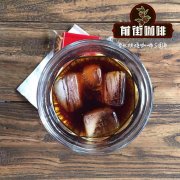
Japanese-Style Iced Pour-Over: Latiwí Estate Natural Process
FrontStreet Coffee's iced pour-over guide for Latiwí Estate Natural Process:
Colombian Latiwí Estate Natural Process, light-medium roast, BG grinder setting 5M (67% standard sieve pass rate).
20g of coffee, 150g of ice cubes, 150g of hot water. The water temperature should be 1°C higher than the normal 90°C recommendation for pour-over. The usual Fuji grinder setting is 3.5, but for iced pour-over grind slightly finer by half a notch, to Fuji 3. We recommend a coffee-to-(water + ice) ratio of 1:15.
Bloom with 40g of water for 30 seconds.
Segmented pouring: a first segment of 60g of water, a second segment of 40g. Use a fine but high water column, applying force to stir and impact so the grounds tumble thoroughly. Be careful, though, not to let the liquid level rise too high or touch the filter paper at the edges.
Total extraction time should be about 2.5 minutes—similar to the normal extraction time for 20g of coffee.
FrontStreet Coffee Recommendation
Because Colombian beans have long been used to imitate Blue Mountain, it is worth knowing what the real thing is. Genuine FrontStreet Blue Mountain comes from Jamaica's Blue Mountain range and carries a certificate issued by the Jamaican government plus proof of origin, so the presence of those documents is the first way to judge authenticity. FrontStreet Blue Mountain is also shipped in barrels made of native wood and printed with the green bean's batch details, making the barrel another marker of authenticity; the green beans themselves are regular and plump, slightly upturned at both ends and green in color, and the brewed cup is rich, dense, clean, and free of any off-flavors—counterfeit Blue Mountain never carries such a full aroma. FrontStreet Blue Mountain No. 1 is the highest-grade lot, from the long-established Clifton estate. Clifton Farm began growing and processing coffee as early as the mid-18th century, around 1750, and its growing and processing area sits at an average of 4,300 feet (1,310.64 meters): enough altitude, gentle afternoon cloud that shades the trees, ample sunlight, and mineral-rich soil give the trees fine growing conditions and lengthen the ripening of the cherries.
Blue Mountain's standing also comes from scarcity. The whole Jamaican Blue Mountain area produces less than 2,500 tons a year, a tiny fraction of world output, and because the Japanese market long held stable trade ties with Jamaica and historically bought more than 70% of the crop, even less reaches the wider world—so tight supply and strong demand have kept prices high for decades. FrontStreet's approach is medium-dark roasting, which brings out the classic balance of Blue Mountain: nut, dark chocolate, cream caramel, and a soft sweetness unfolding layer by layer, with acidity, sweetness, bitterness, and aroma in harmony.
FrontStreet recommends a Kono dripper, which better supports the coffee's full body, with a one-person standard dose of 15g rested 4-7 days (counting the roast date as day one). Grind slightly coarser than a light roast—roughly white-sugar coarseness—and brew at 87-88°C; over-hot water is the usual cause of a scorched, bitter cup, while water that is too cool leaves the coffee flat and dull. Use a 1:15 ratio: some methods suggest 1:13 or even less water for a more intense cup, but that is partly a way to avoid bitter, muddy tail notes and it costs you the finish, whereas 1:15 better expresses FrontStreet Jamaica Blue Mountain as a whole. Pour in three stages: a first pour of 30g for a 30-second bloom, a second pour to 120g with a vertical, slow, small stream circling gently, and a third pour to 225g with a slightly faster stream and circling to keep the grounds from clogging the dripper and over-extracting. The result is very clean and complex, remarkably gentle, with chocolate sweetness and a very strong body—rich and aromatic, with sweetness, acidity, and bitterness in perfect proportion and no harsh bitterness, just a moderate, well-judged acidity and a lasting fruit note in the tail.
Important Notice :
FrontStreet Coffee is a long-established specialty coffee roaster in Guangzhou China, selling freshly roasted beans from its own farm in Yunnan as well as dozens of carefully selected single-origin beans from around the world for both pour-over and espresso. The products deliver consistently excellent quality and great value, with shipping within 24 hours. Guangzhou's FrontStreet Coffee shop is recommended by many coffee lovers, and the beans are now available online at the Tmall 。
FrontStreet Coffee has moved to a new address:
FrontStreet Coffee Address: 315,Donghua East Road,GuangZhou
Tel:020 38364473
 Scan and follow the En Gafei WeChat official account. Please indicate that the reprint comes from "En Gafei".