Recommendation for Colombia Finca San Jose Pour-Over Coffee Beans - How to Brew Rum Barrel Fermented Coffee?
Honduras's whiskey barrel-processed Sherry beans need little introduction — that rich whisky aroma is unforgettable to anyone who has cupped it. Many assume barrel-fermented coffee was born in Honduras, but the idea actually struck the owner of Colombia's San Jose Estate. FrontStreet Coffee was curious enough to dig into what barrel fermentation really involves, and this article is the result.

FrontStreet Coffee — Colombia Rum Barrel Fermented Coffee Beans
Region: Caldas, Colombia
Estate: San Jose Estate
Altitude: 1750 m
Variety: Castillo
Processing Method: Rum Barrel Fermentation
The Caldas Coffee Region
Ask most people to name Colombia's specialty regions and the answers are Huila or Cauca — few mention Caldas. Yet the region was recognized as Colombian cultural heritage by UNESCO in 2011, and it is precisely where coffee was first grown as a commercial crop. San Jose Estate spreads across 222 hectares in the central mountains at 1750 meters, the majority of its planting areas in full sun.
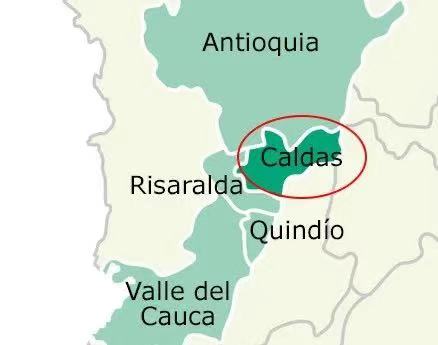
Enriched by the Nevado del Ruiz volcano, the estate's land is fertile, with annual temperatures between 21°C and 25°C. The estate holds its own mature standards for cherry picking: suitable cherries must ripen to a slightly purple hue, and picking happens in the year's second and third harvest seasons. Caldas, Quindío, and Risaralda together form Colombia's "Coffee Golden Triangle" and produce the bulk of the country's coffee. Caldas coffee shows a distinct vanilla aroma, soft acidity, and full body.
San Jose Estate
San Jose is a family business founded in 1963, now run by the third generation. Their shared goal is firm protection of the natural environment and its resources: diverse planting, thriving local wildlife, protected water sources and irrigation systems, and modern equipment that lets the community keep its traditions while still developing. At San Jose, everything is done in service of one thing — good coffee.

In recent years, Finca San Jose has actively sought its own path through the specialty coffee boom. One day, while accompanying her husband — a maker of rum oak barrels and rum itself — to fill barrels with rum distillate for fermentation, estate owner Monsalve Botero wondered whether coffee beans could ferment in oak barrels to produce entirely different flavors. Starting in 2013, she experimented with Colombian oak barrels of different ages and different fermentation times, using a winemaking-style low-temperature fermentation. That year's batch finally delivered the taste she wanted: a refined washed, rum-barrel-fermented bean unlike ordinary washed coffee.
The Rum Barrel Fermentation Process
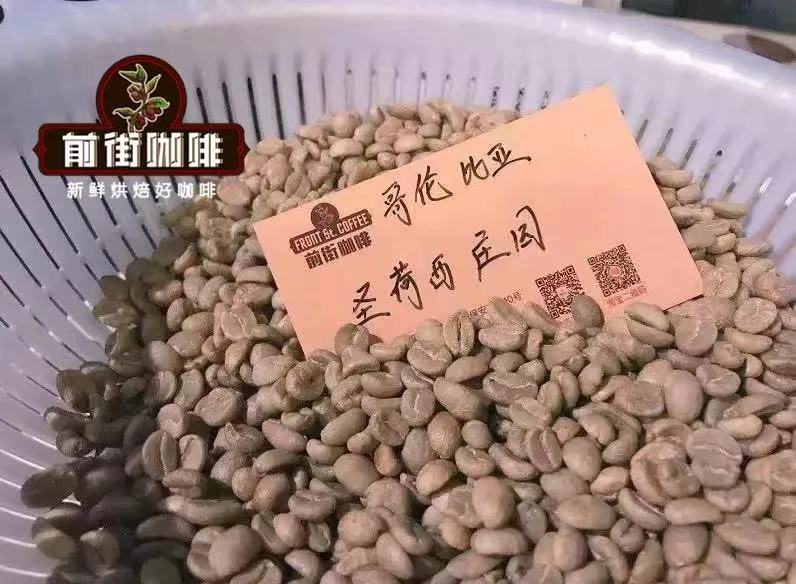
After the cherries are depulped, the beans are washed and fermented for no longer than 20 hours. They are first dried in a silo to the target moisture content, then finished drying naturally outdoors under a rain cover. For the special rum-barrel batches, the finished beans are screened to select 17/18 screen size, then rested for 3 months in rum barrels aged more than 8 years and rich in "Tafia" aroma. Samples are drawn every thirty days for analysis, and the single goal throughout is for the beans to absorb and express the flavor of rum.
What Is Castillo?
Castillo is the product of five generations of hybrid selection between Timor and Caturra. Timor is itself a natural Arabica–Robusta hybrid — tall plants resistant to leaf rust. Caturra is a natural Bourbon mutation — short plants yielding more than Typica or Bourbon while inheriting much of Bourbon's quality, and close planting allows more plants per hectare. Its weakness is susceptibility to leaf rust.
How FrontStreet Coffee Roasts These Rum-Aromatic Beans
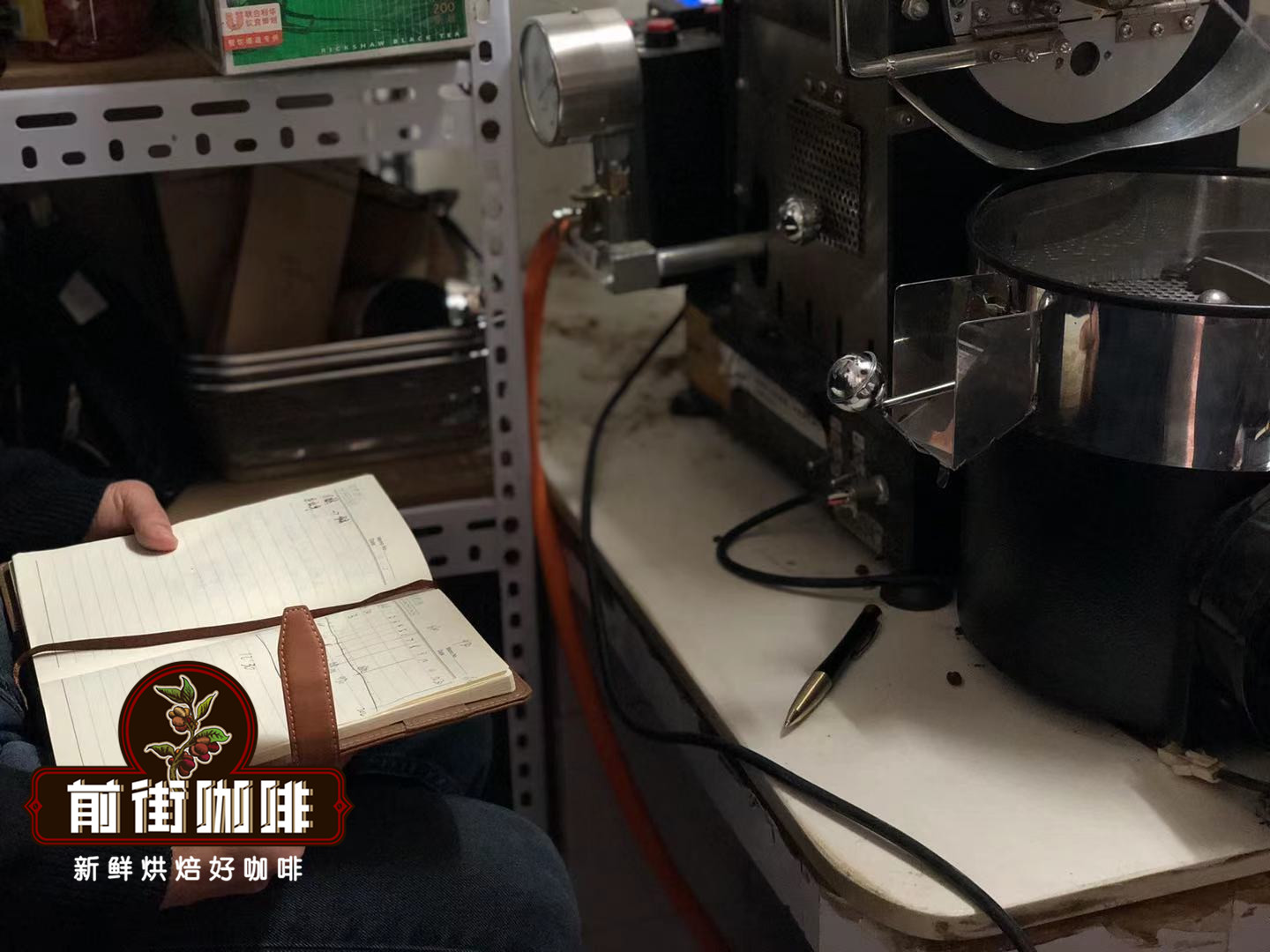
Preheat to 190°C, charge with heat at 140 and the damper at 3. Turning point at 1'42"; when the probe reaches 140°C, open the damper to 4 with the heat unchanged. At 150°C, adjust the heat down to 120, damper unchanged. At 151.8°C the bean surface turns yellow and the grassy smell disappears completely — dehydration is done. At 8'38" wrinkles and dark spots appear on the bean surface and the toast aroma unmistakably turns to coffee aroma — the prelude to first crack. Listen closely: first crack begins at 9'07"; open the damper to 4, develop 2'10" past first crack, and drop the beans at 195°C.
FrontStreet Coffee's Brewing Guide
This San Jose bean carries a rich wine aroma, which makes it superb both hot and iced. To build layering, FrontStreet Coffee brews it in a V60 — the spiral ribs running down to the large outlet support the segmented extraction that brings out the layers.

Hot Pour-Over Parameters
Dripper: Hario V60
Coffee-to-Water Ratio: 1:15
Dose: 15 g
Water Temperature: 91°C
Grind Size: Fine sugar (80% pass-through on the #20 sieve)

Segmented extraction: First, pour 30 g to fully wet the bed into its "hamburger" shape and bloom for 30 seconds. Second, at 1'00" on the timer pour to 125 g, stop, and wait for the level to drop to two-thirds of the bed. Third, at 1'40" pour to 225 g and let the coffee drain completely. Total extraction time: 1'59". Give the carafe a gentle swirl to homogenize the brew before tasting.
Hot pour-over flavor: Rich fermented wine on the nose; rum, nuts, tropical fruit, cream, and an oolong-tea finish on the palate, with obvious sweetness and excellent overall balance.
Iced Pour-Over Parameters
Dripper: Hario V60
Coffee-to-Water Ratio: 1:10
Dose: 15 g
Water Temperature: 91°C
Grind Size: Slightly finer than fine sugar (82% pass-through on the #20 sieve)
Ice: 100 g
Because ice dilutes the brew, the ratio drops and the grind goes finer.

Same segmented approach: bloom with 30 g for 30 seconds, then small circular pours to 90 g; when the level is about to expose the bed, pour to 150 g and stop. Remove the dripper as the bed is about to be exposed (timing from the start of the bloom). Extraction time: 1'25". Add 100 g of ice, stir thoroughly, and enjoy.
Iced pour-over flavor: The fermented wine aroma recedes compared with the hot brew; rum and soft tropical-fruit acidity arrive together on entry, followed by nut aromas, high sweetness, and a smooth texture.
FrontStreet Coffee Recommendation
More Ways to Taste Colombia
Colombian coffee stretches across every style — espresso blends, pour-over single origins, fruity or full-bodied, floral or classic — which is why it suits so many palates. For the quintessential expression, FrontStreet Coffee's washed Huila beans come from the hills of Huila province, Colombia's most famous specialty region, where planting tops 1500 meters and the country's great rivers converge to supply abundant water. Medium-dark roasted, they show dark chocolate and nut sweetness, moderate crema, and a full body — equally happy in a French press, moka pot, or espresso machine. For the adventurous, the Boundary Estate Xijao (Sidra) lot applies double anaerobic natural processing — sealed tanks, controlled temperature, time, and pH — to transform the cup into passion fruit, grape, apricot, and dried-fruit complexity at a medium-light roast, superb as pour-over, cold brew, or drip bag. And if you brew at home, baristas strongly recommend the FrontStreet Coffee Boutique Blend: Brazilian cream-nut aromatics married to Colombia's dark-chocolate bittersweetness, pulling a fine golden crema that makes a rich, silky latte and a friendly base for Americanos, cappuccinos, and mochas.
Important Notice :
FrontStreet Coffee is a long-established specialty coffee roaster in Guangzhou China, selling freshly roasted beans from its own farm in Yunnan as well as dozens of carefully selected single-origin beans from around the world for both pour-over and espresso. The products deliver consistently excellent quality and great value, with shipping within 24 hours. Guangzhou's FrontStreet Coffee shop is recommended by many coffee lovers, and the beans are now available online at the Tmall 。
FrontStreet Coffee has moved to a new address:
FrontStreet Coffee Address: 315,Donghua East Road,GuangZhou
Tel:020 38364473
 Scan and follow the En Gafei WeChat official account. Please indicate that the reprint comes from "En Gafei".