Flavor Profile of Natural Process Catuai from Fazenda Floresta in Carmo do Rio Claro, South Minas Gerais, Brazil
Brazilian Coffee: The World's Largest Producer
Brazil is currently the world's largest coffee producer, with total output reaching 48.095 billion bags — more than one-third of global production! The Brazil Specialty Coffee Association (BSCA) is dedicated to improving the quality of Brazilian coffee. Internationally, it promotes Brazil's fine coffees and helps Brazilian farmers meet the quality standards demanded by the specialty market; domestically, it helps them continually improve their agricultural practices and secure better social welfare.
Coffee History and Regions in Brazil
Coffee first arrived in Brazil in the early 18th century, and today two million hectares of land are dedicated to coffee cultivation. The main producing regions include Sul de Minas, Matas de Minas, Cerrado, Chapadas de Minas, Mogiana, Paraná, and Bahia. Both traditional varieties and hybrids are grown, such as Bourbon, Mondo Novo, Icatú, Catuai, Iapar, and Catimor. These beans were traditionally processed by the washed method, but increasingly more coffees are finished as naturals or semi-washed, all aiming to showcase the beans' diverse characteristics. Larger estates typically employ every processing method.
Pulped Natural Processing Method
Pulped Natural (PN) means the cherries are harvested, the skin is removed first, and then the beans — still coated in mucilage — are sun-dried or machine-dried directly, without fermentation tank time or washing. The method is hugely popular in Brazil. The honey processing everyone talks about in recent years actually descends from Brazil's PN method: when people first encountered it and didn't know how to translate the name, they simply called it the "Brazilian pulped natural sun-dried method."
Coffee Details
Country: Brazil
Origin: Southern Minas Gerais (Carmo do Rio Claro)
Estate: Fazenda Floresta
Processing Method: Pulped Natural
Altitude: 1100 to 1200 meters
Flavor Profile: Berries, orange fruits, lemongrass, cane sugar sweetness, cocoa, nuts — clean and sweet.
FrontStreet Coffee Recommended Brewing:
Dripper: Hario V60
Water Temperature: 90°C
Grind Size: Fuji Royal R-440, grind setting 3.5
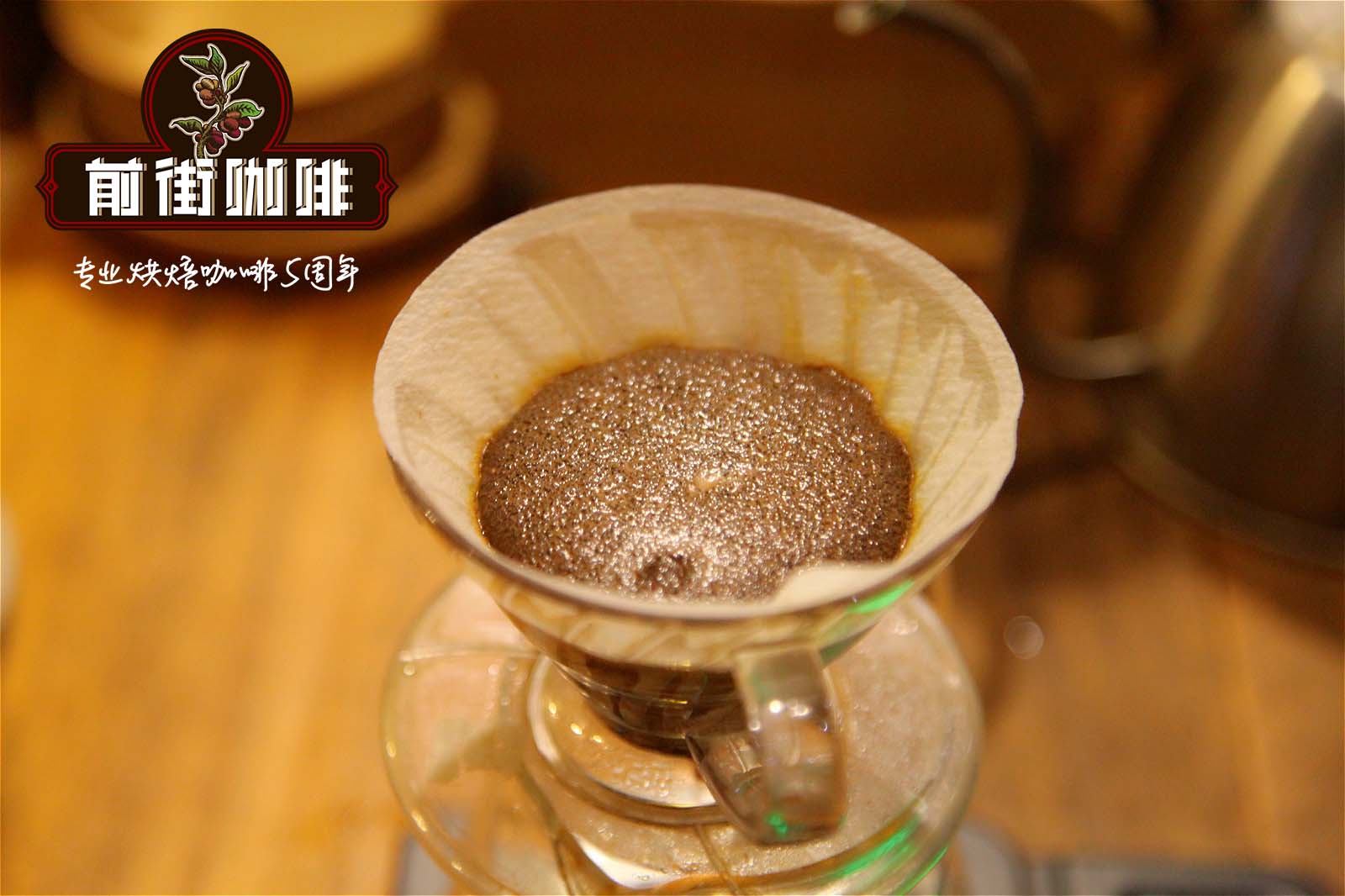
Brewing Method: Water-to-coffee ratio 1:15, using 15g of coffee. First infusion with 25g of water, bloom for 25 seconds. Second infusion up to 120g, then pause pouring. Wait until the water level in the coffee bed drops to half, then continue pouring slowly until reaching 225g total. Total extraction time approximately 2:00.
Brewing Analysis:
The three-stage pour cleanly separates the coffee's front, middle, and back-end flavors. Because the V60's many ribs drain quickly, pausing between pours helps stretch the extraction time.
FrontStreet Coffee Recommendation: More Brazilian Classics to Try
If Fazenda Floresta whets your appetite for Brazilian character, FrontStreet Coffee suggests two more classics. Our Brazil Cerrado Red Bourbon is a benchmark single origin from a region famed for quality: roasted medium, it pours out cream, peanut, toast, caramel, and hazelnut aromas with a round, gentle body and only a whisper of bitterness — equally at home in a pour-over, moka pot, siphon, or as an espresso SOE. Then there's our Fazenda Queen Yellow Bourbon from Mogiana, where fertile volcanic soil builds exceptionally full aromatics; look for a clean sugarcane sweetness alongside fruit and chocolate notes you won't find in other origins.
Important Notice :
FrontStreet Coffee is a long-established specialty coffee roaster in Guangzhou China, selling freshly roasted beans from its own farm in Yunnan as well as dozens of carefully selected single-origin beans from around the world for both pour-over and espresso. The products deliver consistently excellent quality and great value, with shipping within 24 hours. Guangzhou's FrontStreet Coffee shop is recommended by many coffee lovers, and the beans are now available online at the Tmall 。
FrontStreet Coffee has moved to a new address:
FrontStreet Coffee Address: 315,Donghua East Road,GuangZhou
Tel:020 38364473
 Scan and follow the En Gafei WeChat official account. Please indicate that the reprint comes from "En Gafei".