How to Make Pour-Over Coffee from Guatemala's Finca La Perla Estate | What Does Finca La Perla Taste Like
Guatemala El Quiche Finca La Perla Estate
Country: Guatemala
Region: El Quiche Department, Finca La Perla Estate
Owner: Arenas Family
Altitude: 1,100-1,800 meters
Varieties: Bourbon and Caturra
Processing Method: washed
Roast Level: medium
Aroma/Flavor: jasmine, sugarcane, malic acid
Overall Evaluation: delightful citrus notes, rich body, sweet aftertaste with a long-lasting finish
La Perla Estate sits on the steep hills of Guatemala's western highlands, in the El Quiche region, an area famous for its indigenous culture and spectacular scenery. The name "La Perla" comes from Ixil, the local Mayan language, and means "Sleeping Beauty." Despite the civil war that raged from 1960 to 1996, La Perla has produced coffee for 75 years — and keeping production going while often caught between army and guerrilla forces is a testament to the courage and determination of its workers.
Once the fighting ended, the Arenas family devoted enormous time, energy, and resources to helping local refugees: employment, healthcare (including vaccinations), and resettlement — often by rebuilding entire villages. Today, small settlements across the estate together house 2,500-3,000 local Maya people.
Many residents work the farm and grow their own food. The community's strength is plain to see: an association of more than 500 workers has formed, focused on mutual support to raise the living standards of everyone who lives there.
La Perla's coffee grows in high soil and sandy ground over a limestone base at 1,200-1,800 meters. The Arenas family is meticulous: cherries are hand-picked only at perfect maturity, then wet-milled and sun-dried — or machine-dried when the weather turns against them. The dedication has been rewarded again and again, with the Presidential Award at the 2006 Cup of Excellence and appearances in five auctions between 2001 and 2011.
Only 15% of the estate's vast land is planted with coffee (Caturra and Bourbon), with roughly 30% left as native forest — a sanctuary for local and indigenous flora and fauna. The farm also grows cardamom, macadamia nuts, and various grains. Beyond the region's 5,000-5,500 millimeters of annual rainfall, water abounds: the Ixtupil and Sacsiwan rivers and multiple natural springs, which together with ideal temperatures guarantee coffee of specialty character.
How to Brew Guatemala La Perla Estate Coffee Well?
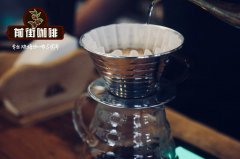
FrontStreet Coffee's Hand Brew Reference: weigh out 15g of La Perla coffee and grind medium — slightly coarser than table salt. We use grinder setting BG 5R (60% pass on the standard sieve), water at 89°C, brewed in a V60 dripper.
Pour the hot water in clockwise circles centered on the middle of the filter, timing from the start of the brew. Bring the coffee up to 30g within 15 seconds, then stop pouring. At 1 minute, start the second pour — again clockwise circles from the center, keeping the stream away from the grounds-paper seam to avoid channeling.
As you reach the outermost circle of grounds, leave a margin, then continue circling toward the center. At 2 minutes 20 seconds the brew should reach 220g, and the extraction is complete.
Japanese-Style Iced Pour-Over La Perla Estate
FrontStreet Coffee's Iced Pour-Over Reference:
Guatemala La Perla Estate, light-medium roast, grinder setting BG 5M (67% pass on the standard sieve).
20 grams of coffee, 150 grams of ice, 150 grams of hot water. Water temperature runs 1°C above the normal hand-brew recommendation of 90°C. Normal grinding uses the Fuji 3.5 setting; for iced pour-over go slightly finer at Fuji 3.
Bloom with 40 grams of water for 30 seconds.
Segmented pouring: 60 grams of water in the first segment, 40 grams in the second. Use a fine but tall water column to stir and agitate the bed forcefully so the grounds roll thoroughly — while keeping the liquid level from climbing too high and avoiding the edge filter paper.
Total extraction runs about 2.5 minutes, similar to a normal extraction for 20 grams of coffee.
FrontStreet Coffee Recommendation
La Perla's citrus brightness and jasmine lift are exactly the flavor direction the V60 was made for. Its 60-degree cone and single large opening drive a fast, even extraction that rewards delicate floral and fruit-driven coffees, and the resin version — FrontStreet Coffee's favorite — holds heat well and is manufactured to the tightest tolerances. Among beans that flourish in it, the FrontStreet Ethiopia Huakui is a star: a Sidama natural with intense tropical fruit aromatics — strawberry, passion fruit, jackfruit, even lychee — with obvious sweetness, almost no bitterness, and a juicy, smooth body that many drinkers describe as "the coffee that doesn't taste like coffee."
If you prefer washed clarity in the same cup style, the FrontStreet Yirgacheffe Guodingding brings citrus, berry, and florals with a green-tea-like sweetness and a gentle, bright acidity that makes it one of the friendliest entry points into specialty pour-over — or reach for the Strawberry Candy Geisha blend, which pairs a Costa Rican honey process with Panamanian Geisha for orange-honey aroma and rounded sweetness. All are superb with the three-stage V60 technique used for La Perla above.
Important Notice :
FrontStreet Coffee is a long-established specialty coffee roaster in Guangzhou China, selling freshly roasted beans from its own farm in Yunnan as well as dozens of carefully selected single-origin beans from around the world for both pour-over and espresso. The products deliver consistently excellent quality and great value, with shipping within 24 hours. Guangzhou's FrontStreet Coffee shop is recommended by many coffee lovers, and the beans are now available online at the Tmall 。
FrontStreet Coffee has moved to a new address:
FrontStreet Coffee Address: 315,Donghua East Road,GuangZhou
Tel:020 38364473
 Scan and follow the En Gafei WeChat official account. Please indicate that the reprint comes from "En Gafei".