How to Brew Guatemala Las Luchas Estate Coffee Powder and Introduce Guatemala Pour-Over Coffee
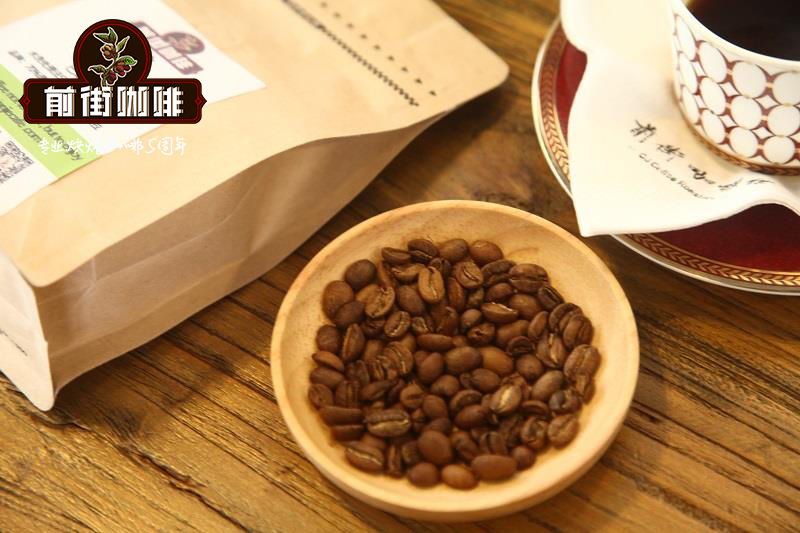
Las Luchas Estate: A Gem of Guatemala's Huehuetenango Highlands
Las Luchas Estate sits in the Huehuetenango highlands of Guatemala, where coffee is grown at elevations of roughly 1,200-1,600 meters across about 91.5 hectares, mostly on steep slopes. The estate owner has to invest extra manpower in care and harvesting, but the coffee trees, battling that harsh environment, reward it with exceptionally sweet cherries.
Estate History and Organic Practices
The coffee trees at Las Luchas are interplanted among native forest, so indigenous trees provide natural shade. Leonardo Perez acquired Las Luchas in 1971, when it was semi-abandoned. After ten years of improving the growing environment and investing in wet-processing equipment, annual production rose to two container loads. In 1987, Leonardo passed the torch to his son William Perez, who continued upgrading the farm — fertilization improvement programs, variety cultivation, and water resource recycling.
In 1992, the estate earned organic certification, eliminating chemical fertilizers and pesticides altogether. In their place goes a homemade vermicompost: a blend of coffee pulp, fallen leaves, pruned coffee branches, and cow manure. The estate also relies on shade, adjusted planting density, manual weeding, and generous organic mulch to keep weeds down. With its organic farming bordered by vast primary forest, Las Luchas has become a natural sanctuary for native flowers and wildlife — and an excellent bird-watching destination.
Social Responsibility
The estate cares for its people, too: dormitories equipped with drinking water, electricity, and modern bathrooms, plus a primary school for employees' children.
Harvesting and Processing
The harvest runs from November to February of the following year. Fully ripe cherries are hand-picked and depulped the same day, then washed and fermented. The parchment beans are spread on cement patios for sun-drying. Processing wastewater passes through three oxidation ponds for purification before being released into rivers, preventing water pollution.
Cupping Profile
This light-roast lot of Las Luchas shows prominent walnut and peanut aromas in the dry fragrance. The wet aroma reveals sweet-tart red grape notes with brown sugar sweetness. In the cup it is smooth, with gentle citrus and red plum sweet-sour notes and distinct juiciness. The medium-dark roast brings persistent caramel sweetness, smooth oils, milk chocolate bittersweetness, and sweet spice aromas including cinnamon.
How to Brew Guatemala's Las Luchas Estate Coffee
FrontStreet Coffee Pour-Over Recommendation:
Weigh 15g of Las Luchas beans and grind to a medium consistency — slightly coarser than table salt. We use a BG grinder setting of 5R (60% standard sieve pass-through). Water temperature is 89°C, brewed on a V60 dripper.
Pour hot water from the kettle in clockwise circles centered on the middle of the filter, starting the timer as you begin. Within 15 seconds, pour up to 30g, then stop. At the 1-minute mark, start the second pour — again clockwise circles centered on the filter, keeping the stream away from where the grounds meet the filter paper to avoid channeling.
Leave the outermost ring of grounds untouched, then work circle by circle toward the center. At 2 minutes and 20 seconds, the coffee should reach 220g and the brew is complete.
Japanese-Style Iced Pour-Over: Las Luchas Estate
FrontStreet Coffee Iced Pour-Over Recommendation:
Guatemala Las Luchas Estate, light-medium roast, BG grinder setting 5M (67% standard sieve pass-through).
20g of grounds, 150g of ice, 150g of hot water. Set the water temperature 1°C higher than the normal 90°C pour-over recommendation. On the Fuji grinder, the normal setting is 3.5; for iced pour-over, go slightly finer at 3.
Bloom with 40g of water for 30 seconds.
Then pour in segments: 60g of water in the first, 40g in the second. Use a relatively fine but tall water column to agitate the bed vigorously, making sure the grounds tumble thoroughly — while keeping the liquid level from rising too high and avoiding the filter paper at the edges.
Total extraction time should be about 2.5 minutes (similar to the normal extraction time for 20g of grounds).
FrontStreet Coffee Recommendation
Love what a high-grown Central American washed coffee does on the V60? Then try the same brewer with some of FrontStreet Coffee's Ethiopian favorites. The classic pairing is FrontStreet Coffee's Washed Guodingding Cooperative from the Worka area at the southeastern edge of Yirgacheffe — a traditionally washed coffee with no traditional bitterness at all, just fresh, bright citrus and lemon acidity wrapped in jasmine fragrance. One sip and many coffee lovers are hooked.
For something juicier, FrontStreet Coffee's Ethiopia Huakui (Flower Queen) natural from Hambella in Guji, Sidamo is a star of recent seasons. Sun-dried on raised beds for 21 days with constant turning and hand-sorting every three to five days, it bursts with tropical fruit — strawberry, passion fruit, jackfruit, even lychee — over obvious sweetness and almost no bitterness, so smooth and juicy that drinkers call it "the coffee that doesn't taste like coffee." The V60's fast, unobstructed flow is exactly what lets these floral and fruit-forward coffees show their liveliest side.
Important Notice :
FrontStreet Coffee is a long-established specialty coffee roaster in Guangzhou China, selling freshly roasted beans from its own farm in Yunnan as well as dozens of carefully selected single-origin beans from around the world for both pour-over and espresso. The products deliver consistently excellent quality and great value, with shipping within 24 hours. Guangzhou's FrontStreet Coffee shop is recommended by many coffee lovers, and the beans are now available online at the Tmall 。
FrontStreet Coffee has moved to a new address:
FrontStreet Coffee Address: 315,Donghua East Road,GuangZhou
Tel:020 38364473
 Scan and follow the En Gafei WeChat official account. Please indicate that the reprint comes from "En Gafei".