Guatemala Injerto Estate Natural Pacamara Brewing Guide - Injerto Estate Coffee Bean Recommendations

Guatemala Coffee SHB El Injerto Estate Blue Diamond [Natural Process, EU Certified]
Guatemala SHB EP El Injerto Estate
Blue Diamond
Product Information:
Region: El Injerto Estate
Harvest Period: October - March
Grade: SHB
Altitude: 1500m - 1900m
Flavor Profile: Stone fruit, vanilla, tropical fruits, spice, dark chocolate; well structured, full body
El Injerto Estate
A renowned estate in a valley of the Huehuetenango highlands - the highest-average-altitude and most rugged of Guatemala's eight famous regions - and a long-standing pioneer of Central American specialty coffee.
Estate Introduction
El Injerto covers 720 hectares with an annual production of about 16 containers and export value of roughly $100-200 million. Most coffee grows at 1,500-2,000m, with average annual rainfall of 1,800-2,000mm, temperatures held between 18-22°C, and humidity around 75%. The soil is deep volcanic earth with good drainage and rich organic matter. Alongside specialty coffee, the estate grows fruit, staple crops, and ornamental plants, all fed by natural clean mountain springs. The remaining hectares are protected as thousand-year-old primary forest, creating the humid micro-environment and wildlife habitat that make the ecosystem ideal for coffee.
Cultivated by the Aguirre family since 1900, the estate takes its name from a local fruit. El Injerto places special emphasis on ecological protection and organic cultivation, with strict quality control over its green beans. Its efforts have earned Rainforest Alliance certification, and since 2002 the estate has been a consistent winner in international competitions, taking 16 awards in 11 years at the Cup of Excellence.
Pacamara is a cross of Pacas (a natural Bourbon mutation discovered in El Salvador in the 1950s) and Maragogype, the giant "elephant bean" - its name combining the first four letters of each parent. First bred by Salvadoran researchers in 1958, Pacamara is a rare success of deliberate selection, surpassing both parents while inheriting their best traits.
How to Brew Guatemala Coffee [Natural Pacamara] Well?
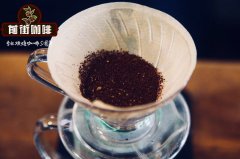
FrontStreet Coffee's pour-over reference: Weigh out 15g of Natural Pacamara and grind to medium - slightly coarser than table salt. We use a BG grinder setting of 5R (60% standard sieve pass rate), water at 89°C, and a V60 dripper.
Pour hot water from the kettle in clockwise circles around the center of the cone, starting the timer as you begin. Within 15 seconds pour up to 30g, then stop. At the 1-minute mark, start the second pour - again clockwise circles from the center, keeping water off the seam where the grounds meet the filter paper to prevent channeling.
Leave a ring at the outer edge of the grounds, then work circle by circle back toward the center. By 2 minutes 20 seconds the coffee should reach 220g, and the brew is complete.
Japanese Iced Pour-Over [Natural Pacamara]
FrontStreet Coffee's iced pour-over reference for Natural Pacamara:
Guatemala Natural Pacamara, light-medium roast, BG grinder setting 5M (67% standard sieve pass rate)
20g of coffee, 150g of ice, 150g of hot water. Set the water 1°C higher than the 90°C recommended for a regular pour-over. Grind slightly finer than normal: Fuji 3 instead of Fuji 3.5.
Bloom with 40g of water for 30 seconds.
Then two pours: 60g, then 40g. Use a fine but tall water column to agitate the grounds thoroughly - but keep the liquid level from rising too high and avoid pouring on the filter paper at the edge.
Total extraction time is about 2.5 minutes (similar to a normal 20g pour-over).
FrontStreet Coffee Recommendation
Natural (sun-dried) processing is the oldest and now the most widespread way to prepare coffee: ripe cherries are dried whole in the sun until they reach target moisture, then hulled. Because the fruit dries intact, the coffee gains extra body and rich, mature fruit character.
FrontStreet Coffee Sun-Dried Yirgacheffe Red Cherry
Natural processing demands sustained clear weather - typically 27-30 days of drying - which is why it thrives in Ethiopia's high, dry, water-scarce growing regions. Red Cherry uses only fully ripe cherries spread on raised beds, kept off the ground away from insects, dust, and contamination, and turned regularly for even drying. Roasted medium-light, it keeps Yirgacheffe's elegant florals and bright acidity while adding distinct tropical fruit, full fermentation sweetness, and body.
FrontStreet Coffee Sun-Dried Huakui
Ethiopian Huakui combines superb high-altitude terroir, fertile soil, and meticulously selected ripe fruit with Sidamo's signature natural processing. Brewed, you get light fermentation notes, florals, citrus, and mango - a denser, more complex cup - with honeyed sweetness, cocoa undertones, a touch of spice, thick body, and a long finish.
FrontStreet Coffee 2013 Sun-Dried Yunnan Typica
Yunnan has only dry and rainy seasons, and coffee cherries ripen when sunny days dominate - perfect for natural drying. Long sun exposure highlights the bean's nutty side while keeping sweetness balanced: slightly sweeter than a typical washed coffee, with berry-like acidity, hints of dried apricot and brown sugar, and a light tea-like finish.
Important Notice :
FrontStreet Coffee is a long-established specialty coffee roaster in Guangzhou China, selling freshly roasted beans from its own farm in Yunnan as well as dozens of carefully selected single-origin beans from around the world for both pour-over and espresso. The products deliver consistently excellent quality and great value, with shipping within 24 hours. Guangzhou's FrontStreet Coffee shop is recommended by many coffee lovers, and the beans are now available online at the Tmall 。
FrontStreet Coffee has moved to a new address:
FrontStreet Coffee Address: 315,Donghua East Road,GuangZhou
Tel:020 38364473
 Scan and follow the En Gafei WeChat official account. Please indicate that the reprint comes from "En Gafei".