Brazil Bahia|Flavor of Fazenda Boa Vista's Pulped Natural Red and Yellow Catuai
Brazil Bahia | Fazenda Boa Vista Red and Yellow Catuai Semi-washed Flavor
For professional coffee knowledge exchange and more coffee bean information, please follow Coffee Workshop (WeChat official account: cafe_style)
Brazil is the world's largest coffee producer, accounting for about 33% of total production. Because Brazil's terrain is relatively flat with few high-altitude mountain forests, however, most coffee is grown in low-altitude, non-volcanic soil areas. With insufficient shade, the coffee grows too quickly, producing large but loosely structured beans with limited flavor variation. Combine that with large-scale mechanical harvesting that bags coffee cherries of very different maturity levels together, and these factors make Brazilian coffee beans less outstanding in quality.
After 2000, the establishment of the C.O.E (Cup of Excellence) international coffee cupping competition offered high prices that incentivized farmers to produce high-quality coffee. Beans grown at higher altitudes in the southern regions received excellent praise, particularly from farms around the Minas highlands, such as Cerrado in western Minas and Matas de Minas in eastern Minas, along with small farms in northern Bahia and the southern regions. Minas has almost become synonymous with Brazilian specialty beans. In recent years, with the rise of various processing methods, washed, honey-processed, and natural-processed beans can all be found among Brazilian coffees, compensating for the flat flavor and weak acidity of Brazilian beans. Honey-processed and natural-processed beans perform best, increasing fruitiness, reducing earthiness, and creating brighter, cleaner acidity.
Fazenda Boa Vista is located in Bahia, eastern Brazil, a province known for producing fine Brazilian coffee. It is a Brazilian coffee favored by European bean merchants. The Alberto Franklin Pereira Ferraz family has managed the farm for 35 years. The farm sits at an altitude of 1,350 meters on the fertile plateau of southern Bahia, with an average annual temperature of 22 degrees Celsius. Coffee cherries are harvested by hand when fully ripe and red.
Property Characteristics
Farm Name: Fazenda Boa Vista
Farmer: Alberto Franklin Pereira Ferraz
City: Encruzilhada
Region: Bahia
Country: Brazil
Altitude: 1,350 meters
Average Temperature: 22°C
Farm Size: 60 hectares
Coffee Growing Area: 15 hectares
Certification: None
Coffee Characteristics
Variety: Yellow and Red Catuai
Processing System: Pulped Natural (similar to honey processing, natural fermentation with mucilage retained)
Top Jury Descriptions: Cupped at Cinnamon roast level (60 seconds after first crack begins)
Aroma/Flavor: Chocolate, nutty, almond, Earl Grey tea, honey, caramel, milk
Acidity: Citrus, lemon, apple, with a navel orange sensation
Complexity and Other: Smooth and rounded, excellent balance, sweet and full-bodied, with an aftertaste filled with fruit-soda sweetness
The overall style is medium-intensity, rounded, and full-bodied. Fazenda Boa Vista presents a classic Brazilian style with low complexity and low acidity, featuring full, balanced, rich flavors with fruit notes and an elegant Brazilian character.
FrontStreet Coffee Recommended Brewing Method:
Dripper: Hario V60
Water Temperature: 90-91°C
Grind Size: Fuji Royal grinder setting 3.5 (64% pass-through rate on China #20 sieve)
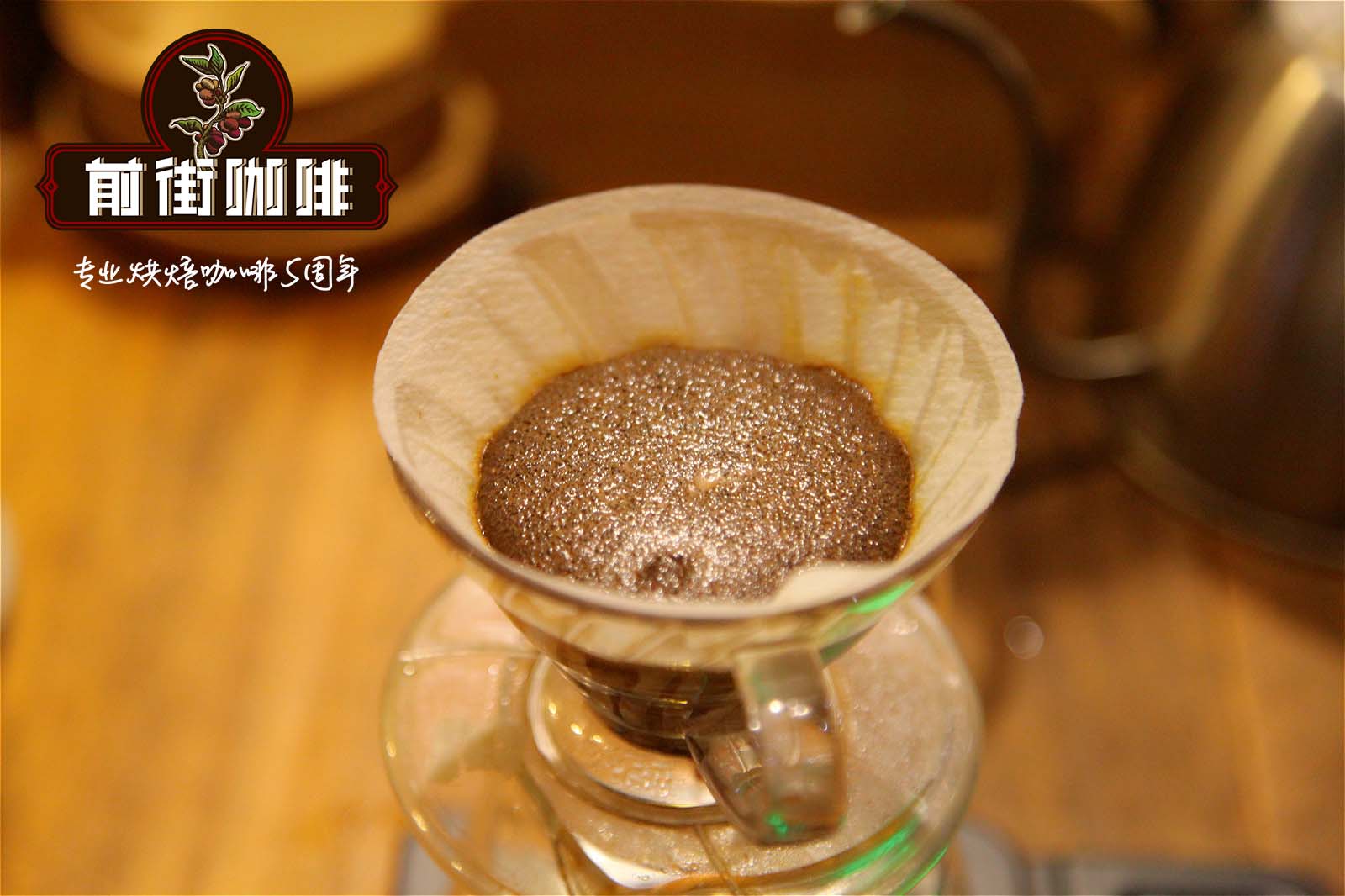
Brewing Method: Water-to-coffee ratio 1:15, using 15g of coffee. First pour 25g of water for a 25-second bloom. Second pour to 120g and stop pouring. Wait until the water level drops to half before continuing. Slowly pour until reaching 225g total water. Extraction time around 2:00.
Analysis: Using a three-stage brewing method clearly defines the front, middle, and back-end flavors of the coffee. Because the V60 has many ribs and drains quickly, stopping the pour can extend the extraction time.
FrontStreet Coffee Recommendation
Brazil is the largest coffee producer in the world, and its beans offer moderate acidity with a wonderful balance of sweetness, bitterness, and body — which is why it suits a medium roast so well, drawing out the aroma of nuts and a mellow, gently acidic cup. For a gentle introduction to the region, the FrontStreet Brazil Cerrado Red Bourbon is a classic single origin: Cerrado is a well-known local region prized for high-quality beans, and this coffee uses the common South American Red Bourbon variety. Roasted medium, it shows rich aromas of creamy peanut, toasted bread, caramel, and hazelnut, with a rounded, non-acidic cup and a light bitterness, and it works not only for pour-over but also for moka pot, single-origin espresso, siphon, and French press.
Another FrontStreet single-origin Brazilian, the Queen's Estate, comes from Mogiana, close to South Minas, where the fertile red volcanic soil lets the coffee cherries absorb abundant nutrients and develop a full aroma. The area mixes traditional family farm operations with modern standardized management, greatly improving local quality. The Queen's Estate grows the rare Yellow Bourbon, a natural mutation of Red Bourbon with a cleaner fruit character, and through pour-over, moka pot, or a home espresso machine it reveals a sugarcane sweetness found in few other regions, alongside fruit and chocolate notes.
Brazil's low-acid, balanced profile and friendly price also make it the first choice in many espresso recipes. The FrontStreet Classic Blend (rich crema), FrontStreet Coffee's Premium Blend (pronounced nuttiness), the well-balanced Black Cocoa Blend, and the café-oriented Commercial Blend all contain Brazilian beans. Their addition supplies chocolate and cream aromas along with soft sweet, sour, and bitter tones, and the balanced character also makes extraction more consistent.
Important Notice :
FrontStreet Coffee is a long-established specialty coffee roaster in Guangzhou China, selling freshly roasted beans from its own farm in Yunnan as well as dozens of carefully selected single-origin beans from around the world for both pour-over and espresso. The products deliver consistently excellent quality and great value, with shipping within 24 hours. Guangzhou's FrontStreet Coffee shop is recommended by many coffee lovers, and the beans are now available online at the Tmall 。
FrontStreet Coffee has moved to a new address:
FrontStreet Coffee Address: 315,Donghua East Road,GuangZhou
Tel:020 38364473
 Scan and follow the En Gafei WeChat official account. Please indicate that the reprint comes from "En Gafei".