Panama Geisha Coffee Pour-Over Steps Guide: How Much Does Washed Boquete Coffee Cost
For more in-depth coffee knowledge, follow our WeChat official account: FrontStreet Coffee.
Introducing Panama Geisha
As the world's most expensive coffee bean, Geisha has now spread to growing regions around the globe. Yet whenever the subject turns to premium coffee, Panama Geisha is always part of the conversation. Before we look closely at the coffee itself, let's start with the stage that made it famous: Panama.
Panama's Coffee-Growing Regions
Panama lies in Central America, and its coffee areas sit in the western part of the country: Boquete, Volcan, Santa Clara, and Piedra de Candela. Of these, Boquete and Volcan are the two premium regions you hear about most. Both fall within Chiriqui Province, perfectly placed in the center of the coffee belt, with fertile volcanic soil and old-growth forest.
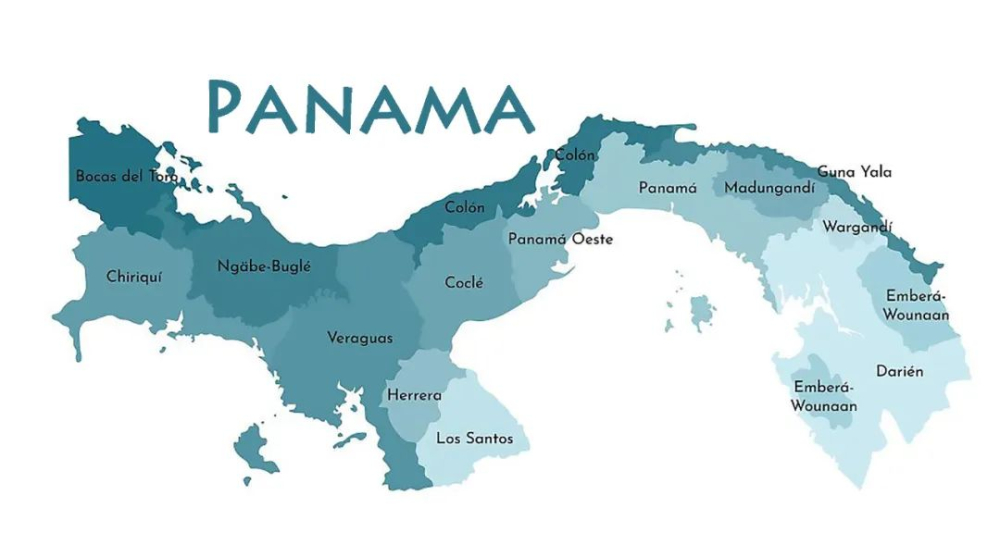
Boquete is one of the towns of Chiriqui Province, close to the border between Panama and Costa Rica and to the famous Baru Volcano. It is a place of striking scenery and rich, fertile soil. Facing the warm, humid monsoons off the Caribbean Sea with the cold Atlantic current at its back, the terrain is high and steep. Baru Volcano National Park is an ecological reserve with remarkable biodiversity and seven microclimates; together with year-round mist and ample rainfall, it creates excellent conditions for coffee and is home to outstanding estates such as Hacienda La Esmeralda, Elida Estate, and Duncan Estate.
The Volcan region is known for its very high altitude, with coffee grown at roughly 2,000-3,000 meters. In the early days most farming here focused on fruit as a cash crop, and coffee accounted for only a small share. The Hartmann family is the best-known example. Volcan receives less annual rainfall than Boquete, and its position on the western side of Baru Volcano, combined with cultivation alongside various fruits, gives its coffee more intense fruit character, sweetness, and aroma.
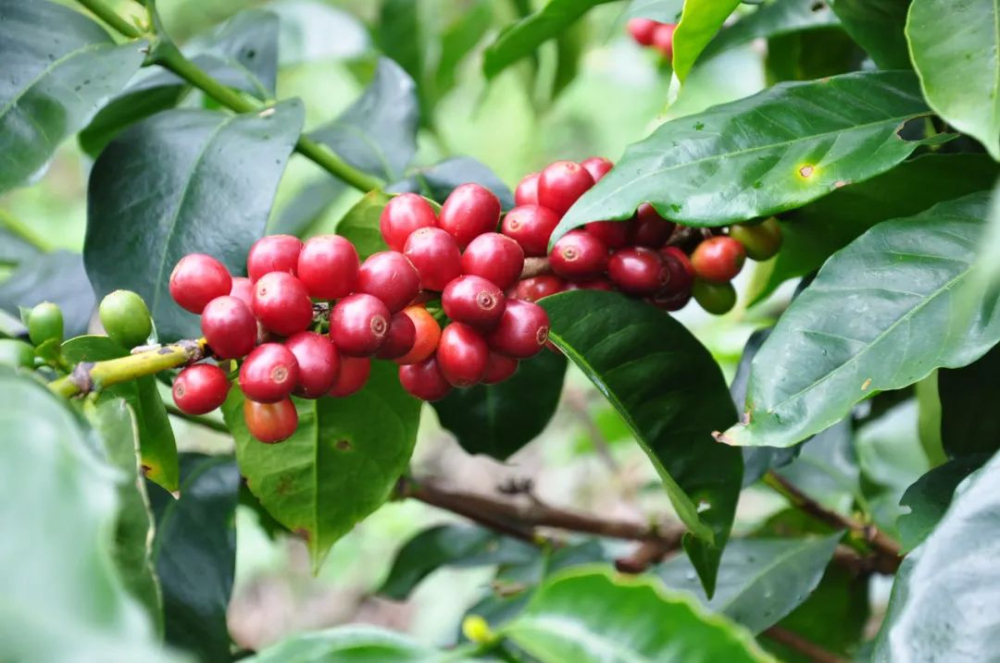
What Panama-Grown Geisha Tastes Like
The Panama Geisha that has won fans worldwide shows rich, elegant floral aromas in the cup, together with citrus, peach, and a complex, bright fruit acidity, a creamy, smooth mouthfeel, and a sweet oolong-tea note in the aftertaste. Its refinement makes it feel less like drinking coffee than sipping a fragrant fruit tea. As FrontStreet Coffee has noted in many articles, coffee is an agricultural product, and its flavor is always tied to variety, climate, altitude, soil, and farm management. It is an honest reflection of the variety and the local terroir, while processing and roasting should preserve and present those qualities as faithfully as possible. Geisha's excellence, then, is inseparable from all of these factors working together.
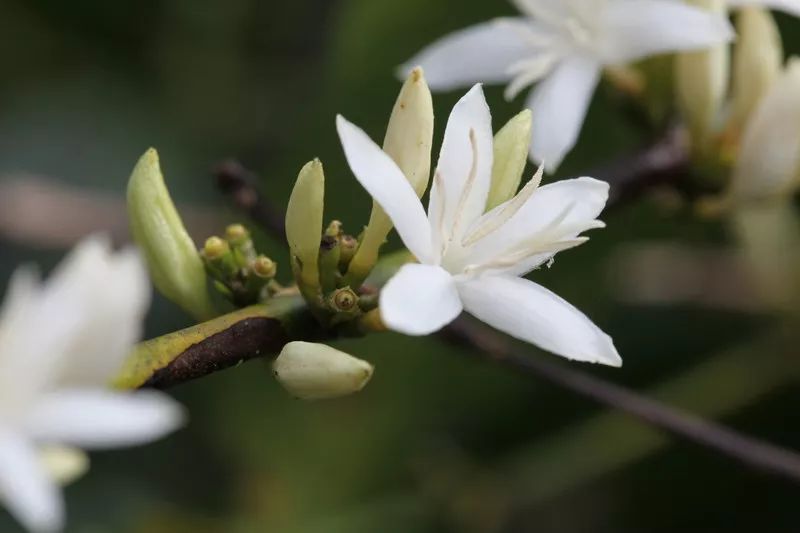
Compared with other Arabica varieties, Geisha not only yields little fruit but is also a fragile plant that is particular about where it grows. It needs high altitude, fertile soil, and cloud cover or shade trees; it cannot take direct, intense sunlight. The leaf surface of a Geisha tree is very thin, so photosynthesis is inefficient. Its root system is delicate too, taking up water and nutrients slowly, which keeps yields very low. High-altitude growing conditions also delay ripening. A single Geisha tree produces only about half the fruit of a Caturra tree, which is one reason Geisha is so precious.
The man who "discovered" Geisha, the owner of Hacienda La Esmeralda, once said the estate needs plenty of shade trees to shield the delicate Geisha from the sun, and that traditional pruning must be used during the early planting years, or the plants are liable to die. Geisha planted higher up takes longer to ripen, and that longer maturation yields more complex, distinctive flavors. The cherries must be picked at peak ripeness and processed immediately. That places a heavy demand on the judgment of the estate owner and the skill of the workers; miss the window and quality drops and the crop is wasted.
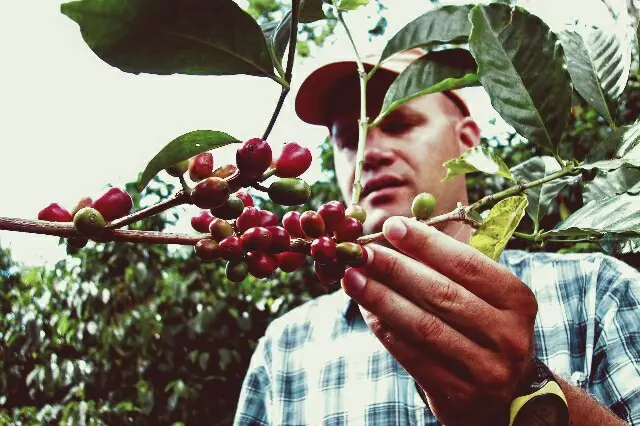
FrontStreet Coffee's Washed Boquete Geisha
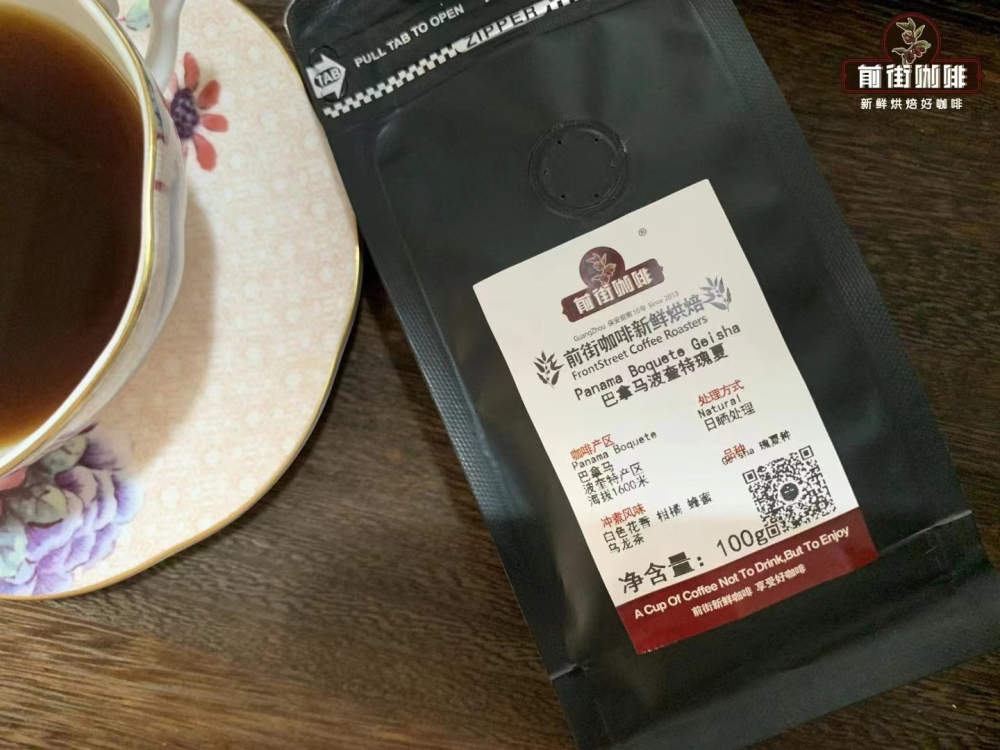
After Geisha became famous, growing regions everywhere raced to plant it. But even the same variety produces different quality and flavor under different terroir and climate. FrontStreet Coffee believes that Panama, the place where Geisha first rose to fame, still sets the industry benchmark for the Geisha it produces, thanks to mature cultivation and processing know-how. FrontStreet Coffee has therefore released a Panama Geisha from the Boquete region, washed processed, to let everyone taste the classic citrus-and-honey profile. It is priced at 78 yuan per 100 g and available at FrontStreet Coffee's Tmall flagship store, while a cup at a FrontStreet Coffee shop costs just 30 RMB.
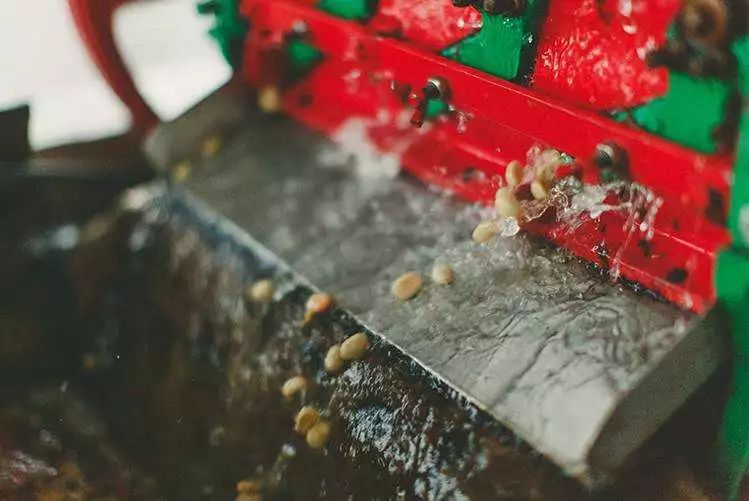
In the washed process, selected cherries first go through a depulper to remove skin and pulp; the beans, still carrying some pulp and mucilage, are placed in water to ferment for about 24 hours. After fermentation, the parchment coffee is moved to washing channels where flowing water removes the remaining pulp and mucilage. Once washed, the beans are dried in the sun or in dryers until moisture drops to about 12%. Finally, the parchment is removed from the green beans.
As one of the most traditional ways of processing green coffee, washing makes production more consistent and gives Geisha greater clarity and a fresher profile. After roasting, FrontStreet Coffee detects elegant white florals, an uplifting citrus-and-lemon acidity, and a faint green-tea note, reminiscent of a smooth cup of Tieguanyin. So how should a Geisha this layered be brewed to do it justice?
FrontStreet Coffee's Brewing Advice
FrontStreet Coffee builds every flavor description from freshly roasted beans. Once beans have been stored for more than a month, some aromatics fade and it becomes hard to bring the original flavors back through brewing. FrontStreet Coffee understands how much freshness matters, and so ships only beans roasted within the past 5 days, so that the full flavor window is intact when the coffee arrives.
Panama Geisha is famous for its rich florals and complex fruit. FrontStreet Coffee's roasters want to keep more of Geisha's fine acidity, so they choose a light-to-medium roast (adjusted slightly from batch to batch). This roast level does not meaningfully change the high density of beans grown at altitude, so brewing has to raise the extraction yield to show the fuller layers. That calls for a higher water temperature and a finer grind to draw out more aromatic compounds. FrontStreet Coffee also wants Geisha's flavors to read clearly, so it pushes the coffee-to-water ratio to 1:16.
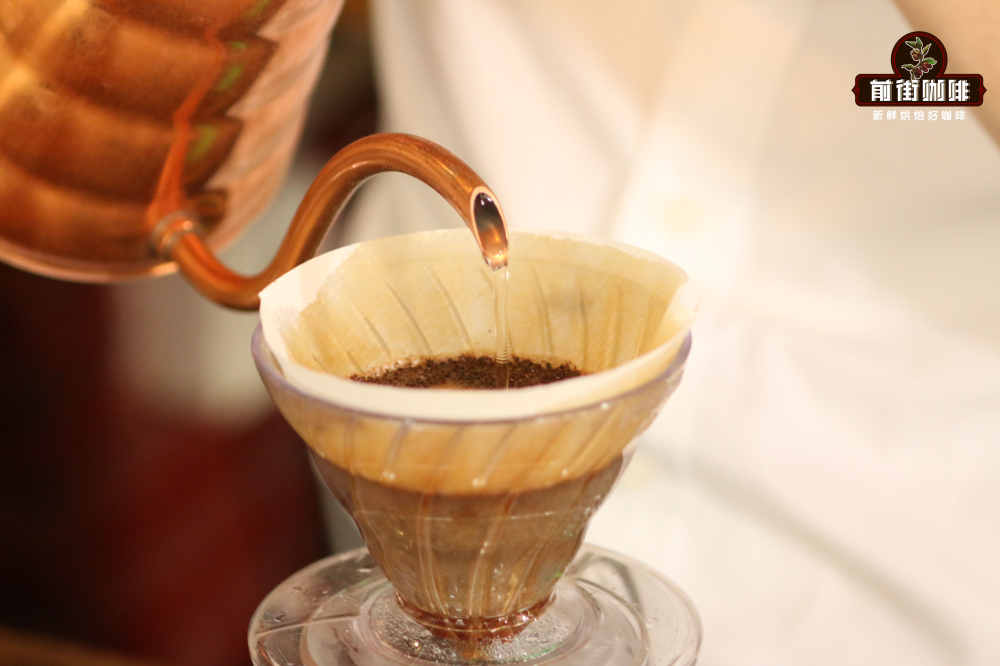
To raise extraction while avoiding over-extraction and to highlight the sweet-sour layers, FrontStreet Coffee's baristas use a V60 dripper. The V60 has ribs that run from top to bottom and a large central hole that speeds the flow of water downward, while the spiral vent lengthens the water path and increases contact time between grounds and hot water. Each stream of water converges along the grooves toward the center of the dripper, concentrating pressure on the coffee bed and yielding richer layers in the cup.
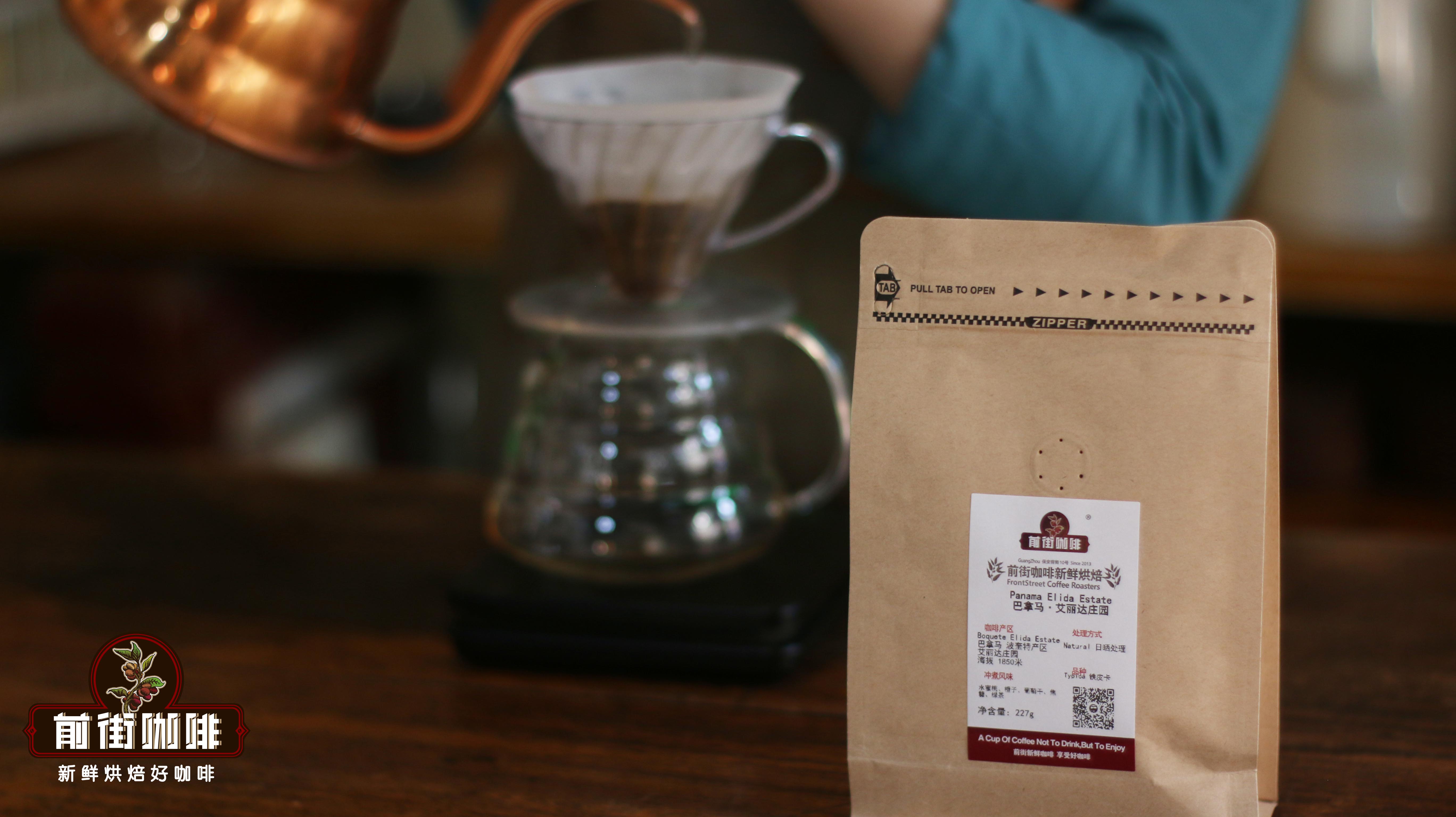
Below, FrontStreet Coffee demonstrates how the Emerald Red Label Natural Geisha served in its shops is brewed day to day. Feel free to follow along and compare with your own approach.
The hand-brewing parameters for Red Label Geisha are: Dripper: V60. Water temperature: 91-92°C. Coffee: 15 g. Coffee-to-water ratio: 1:16. Grind: fine-sugar consistency (20 sieve, 80% passing).
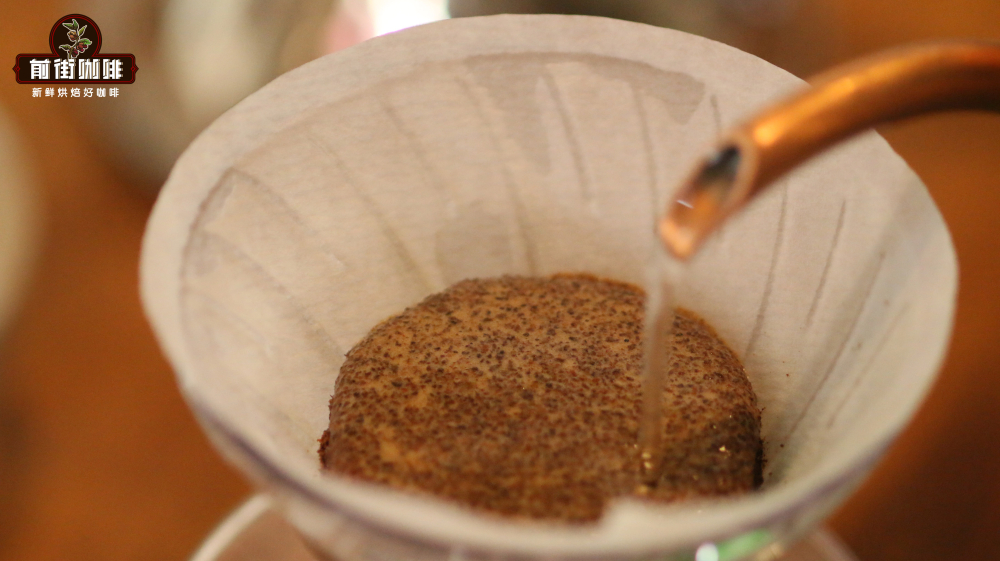
First, add 15 g of grounds to the dripper and tare the scale. For the first pour, add 30 g of water for a 30-second bloom and start the timer. Keep the stream small throughout, starting at the center and spiraling outward so that the entire bed is saturated.
For the second pour, use a slightly stronger stream to add 120 g of water, lifting the whole bed. The stream should fall vertically and evenly. The scale should now read 150 g, with the pour finished in about 55 seconds.
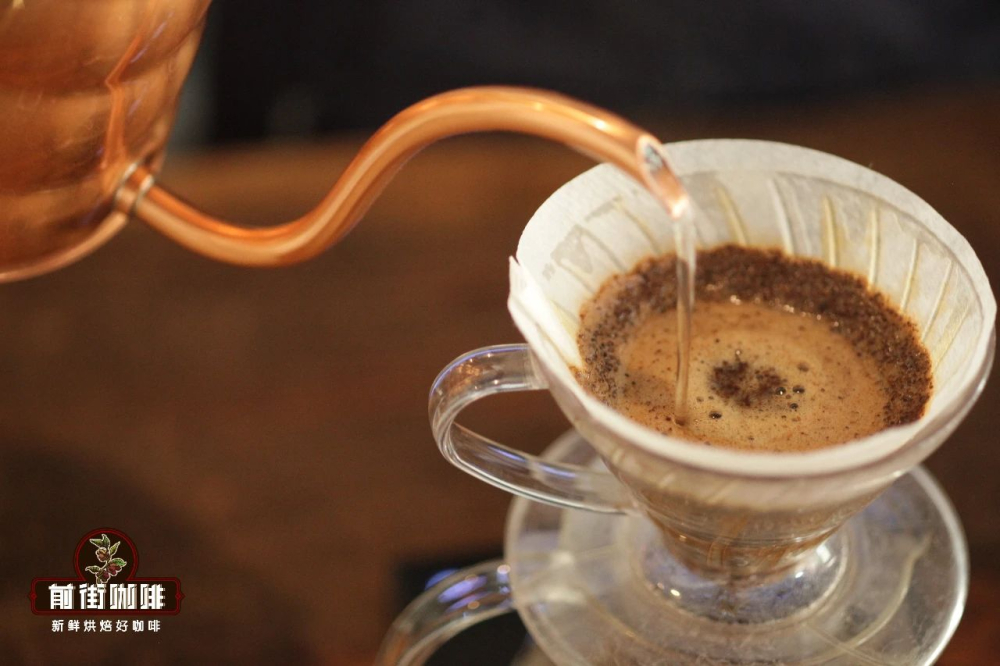
When the water level has dropped about halfway, begin the third pour: 90 g in small circles with a gentle stream. Try to keep the stream from spreading too wide, which can scatter the grounds and cause under-extraction. The total water reaches 240 g, and the drawdown finishes in about 2 minutes and 10 seconds. Remove the dripper, swirl the coffee in the server to even it out, and it is ready to taste.
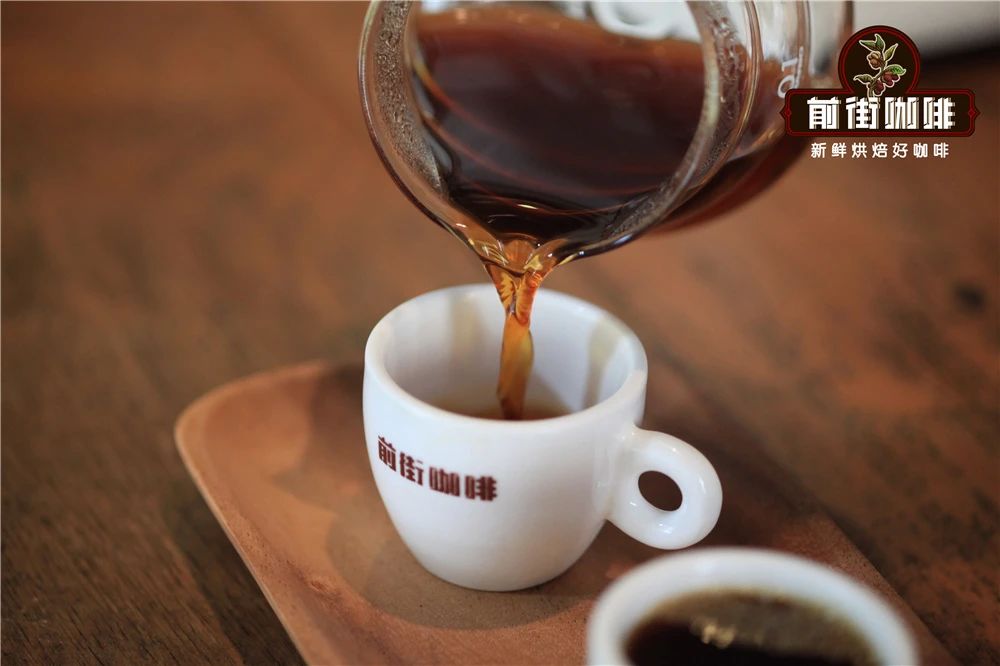
The hand-poured FrontStreet Coffee Panama Washed Boquete Geisha shows distinct citrus, lemon, and bergamot brightness, a creamy, smooth mouthfeel as it goes down, and a finish of green tea and honey sweetness.
FrontStreet Coffee Recommendation
If this Boquete Geisha is your first taste of the variety, FrontStreet Coffee's Panama Boquete Geisha is the natural place to start: an approachable, entry-level Geisha that lets you enjoy the classic Panamanian citrus-and-honey charm, a subtle oolong-tea texture, and a delicate, layered fruit acidity at a friendly price. For a step up, FrontStreet Coffee also carries the Esmeralda Estate Red Label (Esmeralda Special) and Green Label (Private Collection) Geishas from Panama. Red Label bottles a single plot at 1,600-1,800 meters with a cupping score above 90 for every lot, while Green Label blends several plots to express the estate's signature high-altitude Geisha character.
For an Ethiopian counterpoint, FrontStreet Coffee offers the Gesha Village Gold Label (Gesha 1931, about 10% of the estate's output) and Red Label (Gori Gesha, about 15%, cupping 88 points or above on the SCA scale), as well as the single-plot Grana Gesha from the Genlana farm. Brew them on a V60 or as an espresso, and a light-to-medium roast will keep their florals and bright acidity intact.
Important Notice :
FrontStreet Coffee is a long-established specialty coffee roaster in Guangzhou China, selling freshly roasted beans from its own farm in Yunnan as well as dozens of carefully selected single-origin beans from around the world for both pour-over and espresso. The products deliver consistently excellent quality and great value, with shipping within 24 hours. Guangzhou's FrontStreet Coffee shop is recommended by many coffee lovers, and the beans are now available online at the Tmall 。
FrontStreet Coffee has moved to a new address:
FrontStreet Coffee Address: 315,Donghua East Road,GuangZhou
Tel:020 38364473
 Scan and follow the En Gafei WeChat official account. Please indicate that the reprint comes from "En Gafei".