What Does Washed Yunnan Baoshan Typica Taste Like?
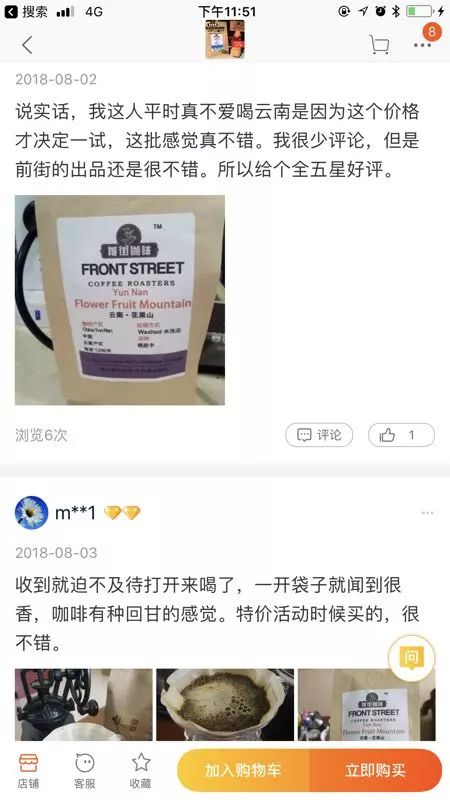
"Have you people at FrontStreet Coffee lost your minds? Get your orders in, hahaha!" A longtime fan got the news and messaged us immediately. Honestly, even we never thought FrontStreet Coffee would go this far...
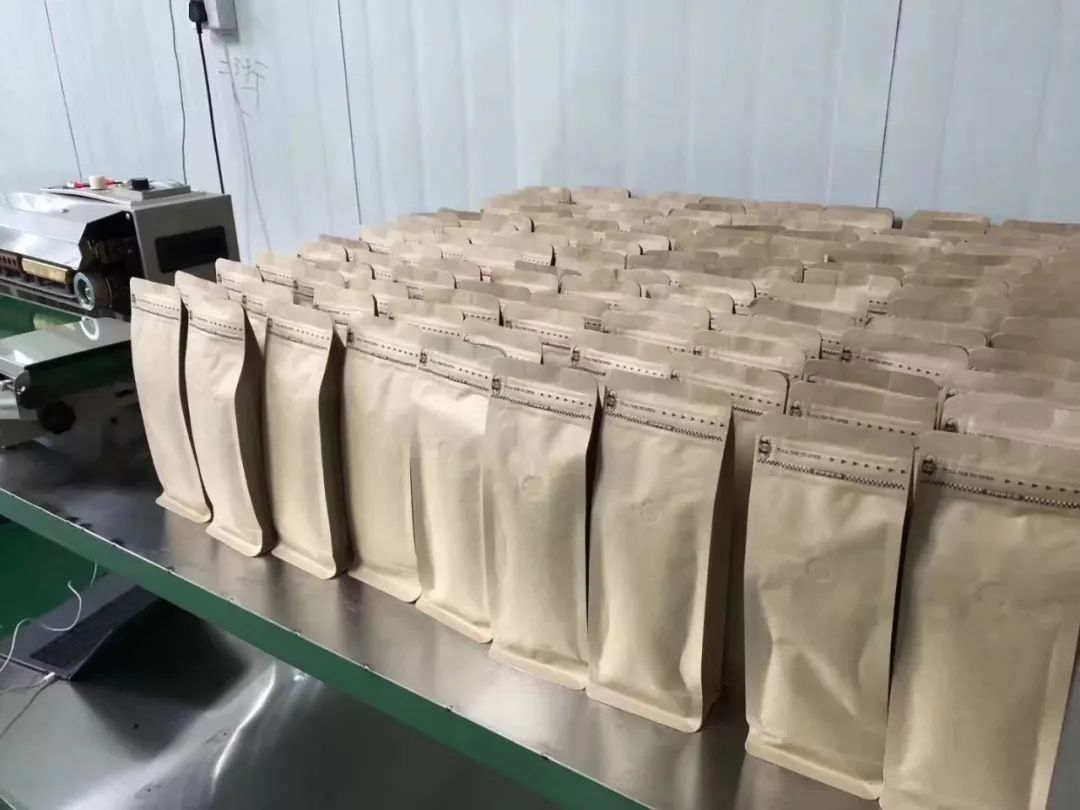
For the first time ever, right down to the express deliveries, we were completely out of breath...
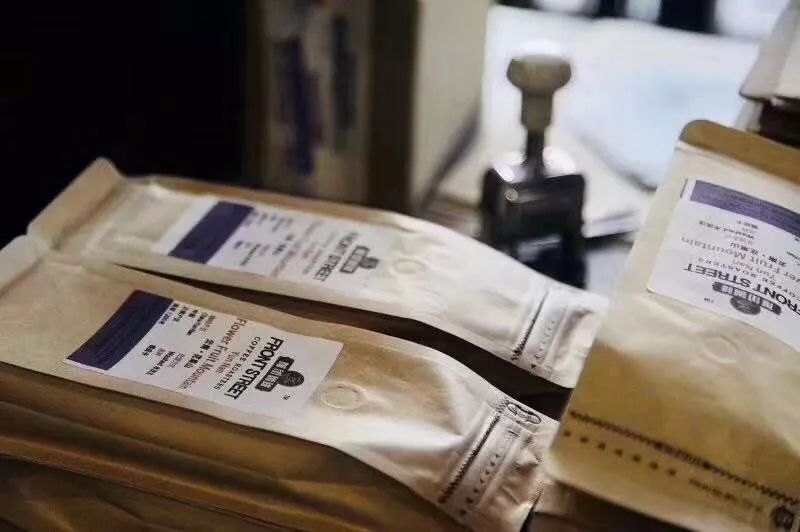
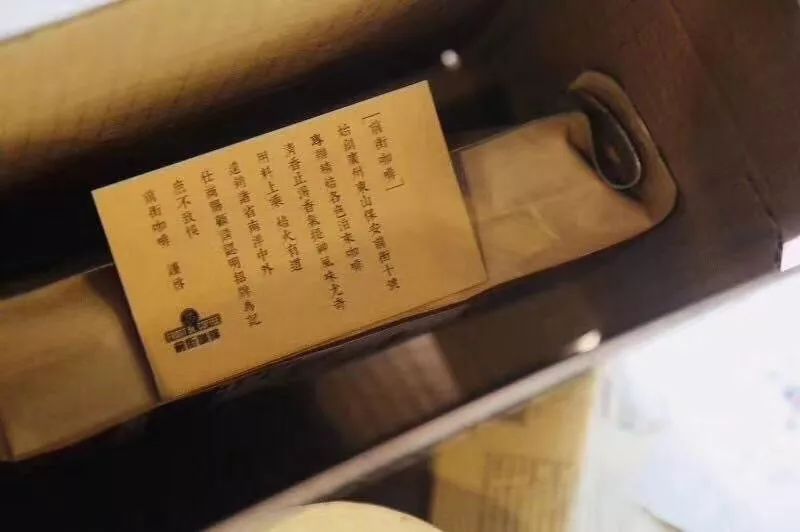
The truth is, we never expected this promotion to take off the way it did. Just 4 hours into the first day, we hit a small crisis — we sold out completely and had to pull the listing for 5 minutes. The owner scrambled to rush a fresh batch of beans in from Baoshan and put it back online. We simply couldn't let our fans down!
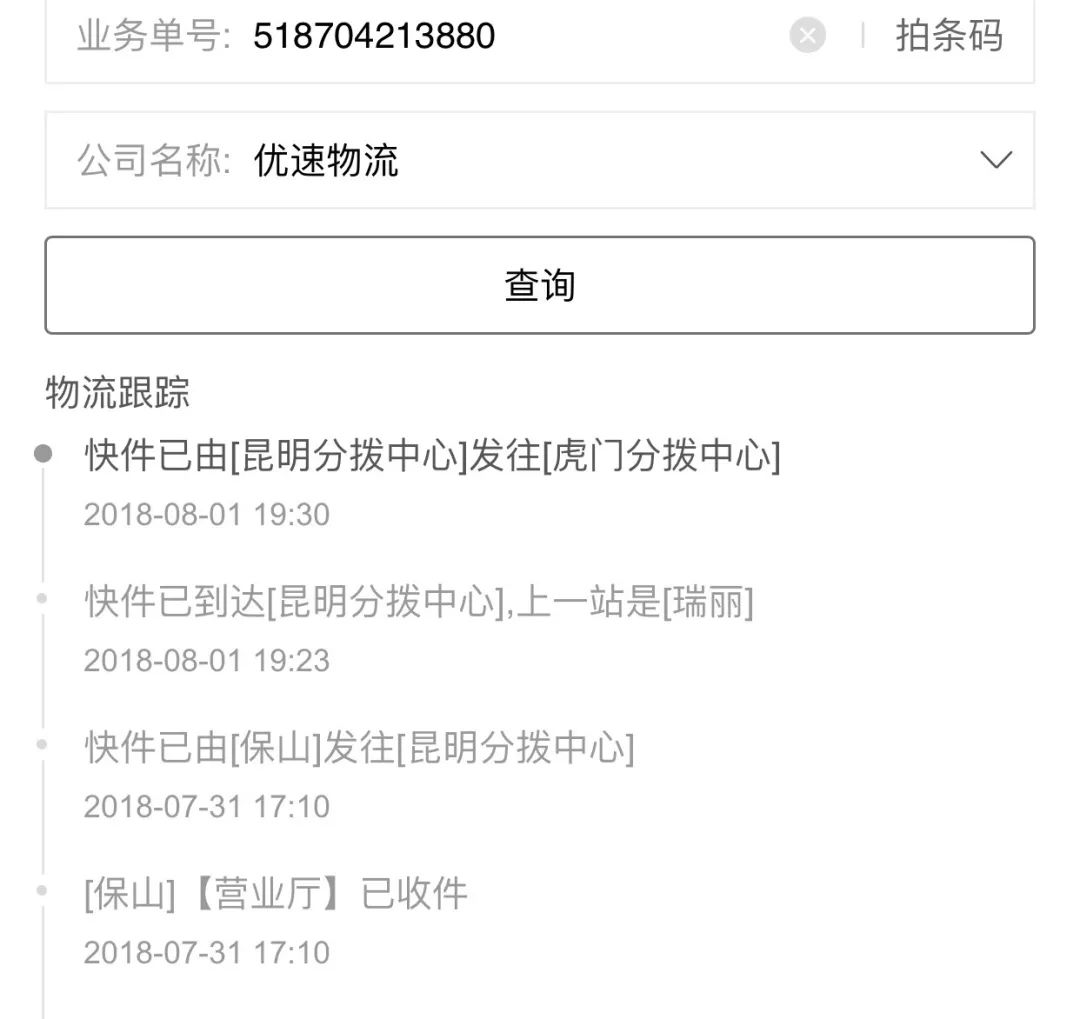
Because we roast to order — and because we genuinely underestimated the response — it took three days and nights of nonstop work before every single Yunnan Typica order was finally shipped out. Thank you all for your patience...

A few anxious fans, tired of waiting for tracking updates, simply walked into FrontStreet Coffee and picked up their orders in person. Fair enough!

Really, all we wanted was to give something back to the fans who support us — or, put another way, to push Yunnan coffee hard. We featured Yunnan Typica in our 29.9 drip-bag promotion as well, though some fans commented that Yunnan coffee wasn't for them (which is fair). Our shop occasionally carries this "Flower Fruit Mountain" lot, and most customers used to pass on it. But we've cupped this bean ourselves and found it genuinely distinctive, so we took the chance to champion Yunnan specialty coffee and see how it would be received.
To be honest, we haven't yet settled on what the flavor signature of Yunnan specialty coffee should be. We're still searching for the true regional character these beans ought to express.
Fortunately, the first fans to receive the beans came back with positive feedback. We hope the effort was worth it.

What Does 1200m Altitude Pure-Blood Washed Yunnan Baoshan Typica Taste Like?
So — is Yunnan coffee actually good?
Judging whether a coffee will be good comes down to a few fundamentals:
Look at the beans: 1. Variety 2. Altitude 3. Processing method 4. Roasting 5. Extraction
1. Variety: Typica, an Original Variety
When we talk about specialty coffee, remember that Blue Mountain and Kona are both Typica. Pedigree matters: good lineage accounts for a large share of what makes a great bean.
2. Growing Altitude
For Arabica, 1200 meters is the quality watershed. This Yunnan Baoshan Typica is grown right at 1200 meters.
3. Processing Method
Processing essentially runs in two directions: the cleaner style, such as washed; and the fruitier, richer style, such as natural.
4. Roasting
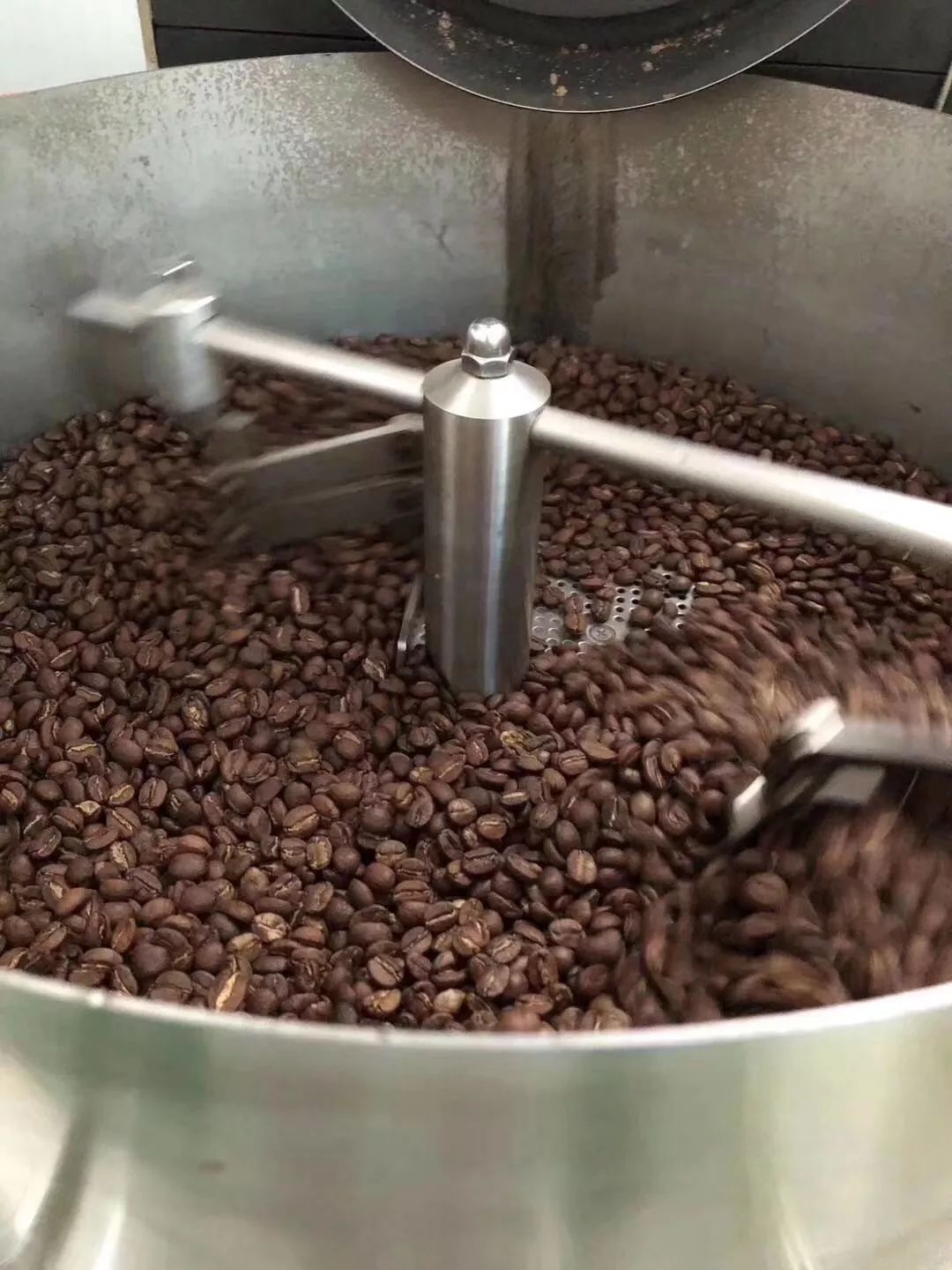
FrontStreet Coffee has spent 5 years focused on roasting, and we use a medium roast here to bring out the regional character that Yunnan specialty coffee should have.
Below: some basic information about this Yunnan bean, how to brew it once you have it, and the flavors we found on the cupping table, so you can get to know it better.
Yunnan Baoshan Typica
Yunnan Typica
Product Name: Flower Fruit Mountain
Coffee Origin: China, Yunnan, Baoshan
Coffee Variety: Typica
Growing Altitude: 1200M
Quality Grade: AA
Processing Method: Washed
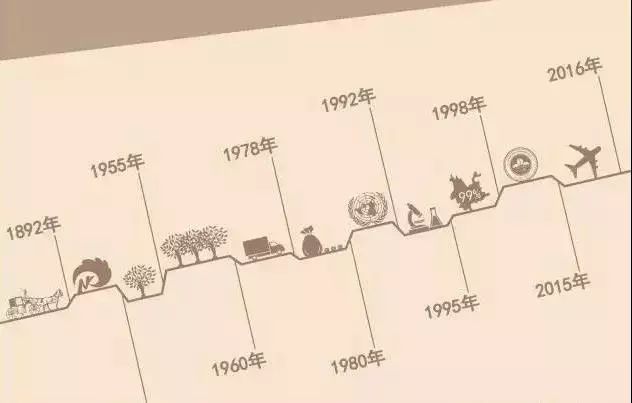
Coffee cultivation in Yunnan dates back to 1892, when a French missionary carried coffee seeds into the province and successfully planted them in a valley in Binchuan County. The main variety was Typica — so-called small-seed coffee, known in China as Yunnan small-seed coffee.

Yunnan small-seed coffee belongs to the Rubiaceae family, genus Coffea.
Good lineage is a large part of what makes a good bean. Choose the right variety, plant it at the proper altitude, and once the trees mature, experiment with processing methods that can express unique flavors. Yunnan's Typica growing areas are mainly distributed across Lincang, Baoshan, Simao, Xishuangbanna, Dehong, and other prefectures.
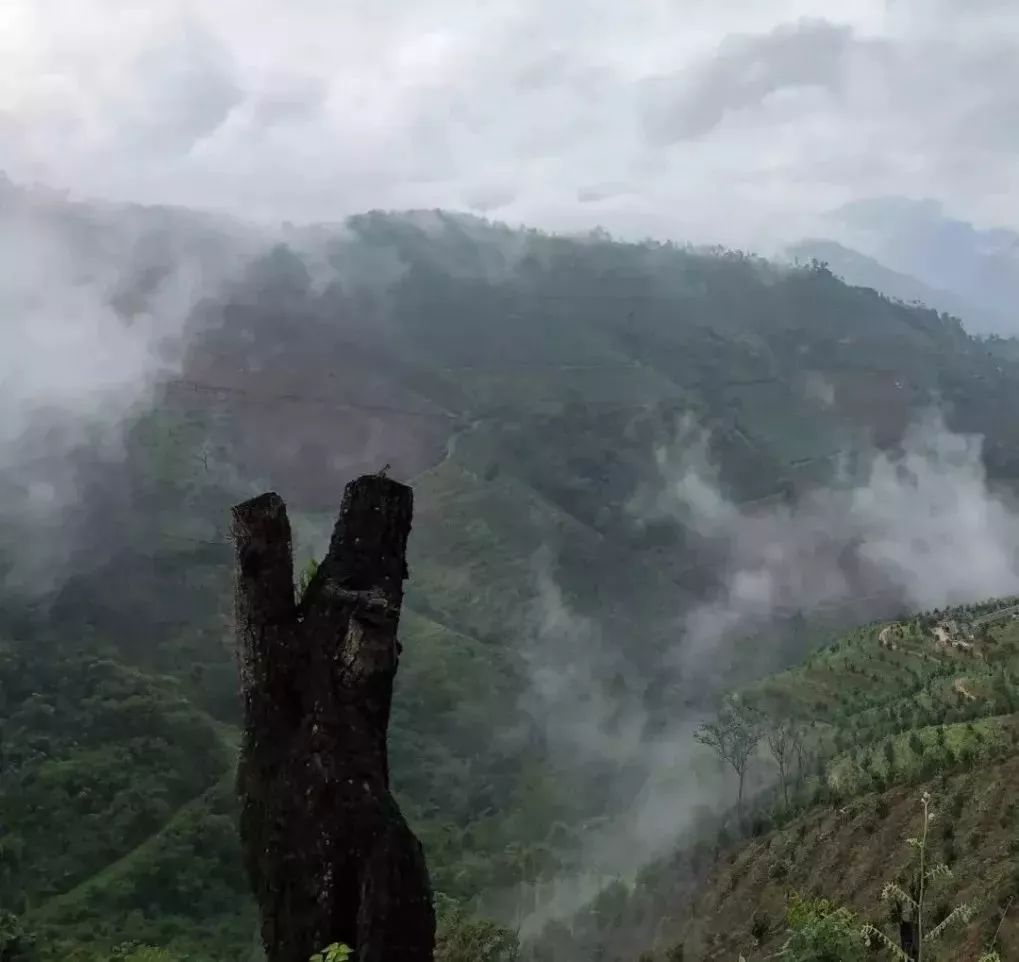
The specialty-coffee road is neither impossibly hard nor easy. Most of Yunnan currently grows Catimor, a hybrid of Caturra (an Arabica Bourbon branch) and Robusta. The reason is simple: Catimor carries Robusta genes.
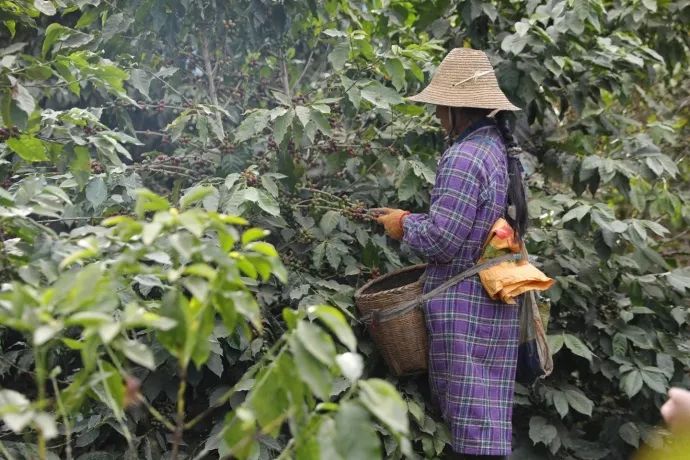
Those genes give it stronger disease resistance than the delicate old varieties and better yields. Faced with fragile heirloom trees that produce little, farmers naturally prefer Catimor, and a Catimor wave has swept across Yunnan.
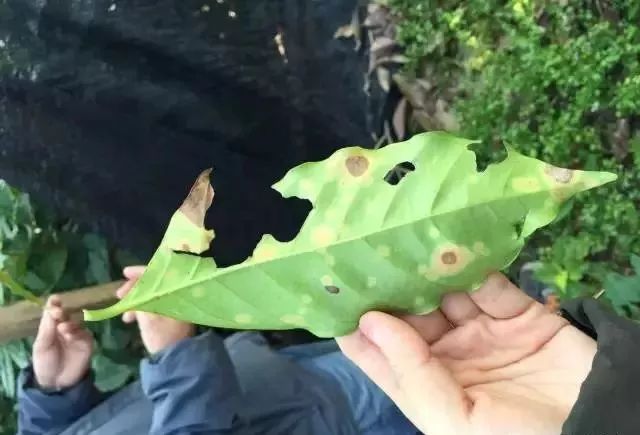
Still, in a vast field of Catimor, Typica is actually easy to pick out. Every variety has its own look: Catimor's leaves droop downward so the tree seems to wear a cloak, while Typica's branches grow upward, tipped with coppery new leaves.
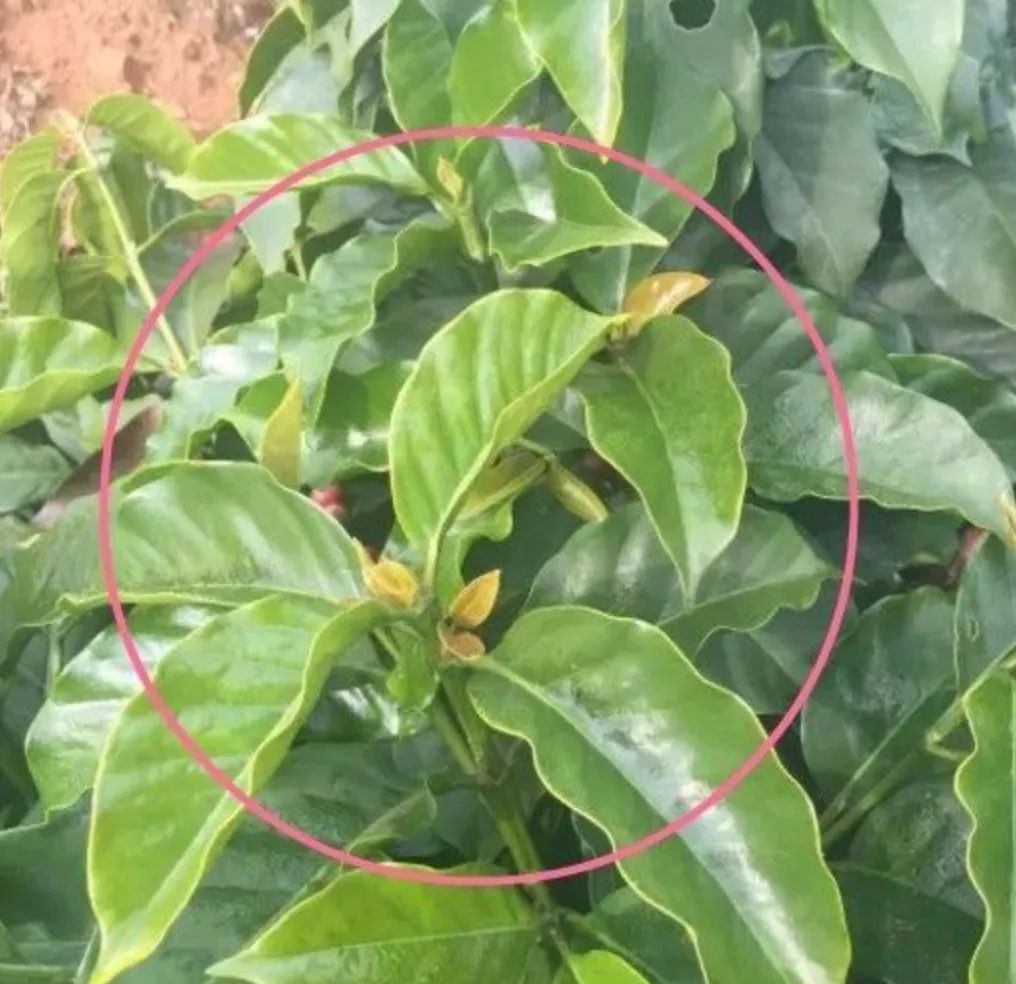
The copper-colored leaf tips in the photo above mark a Typica tree.
Typica is an heirloom of the Arabica family — the celebrated Hawaiian Kona is Typica too. The beans are oval or pointed and slender; the flavor is elegant, but the trees are relatively frail, with poor disease resistance and low yields.

Typica Coffee Beans
Typica beans are oval, looking thin and flat from the side, with ends that turn up slightly. Even grown at different altitudes, the thickness of the green bean varies little.
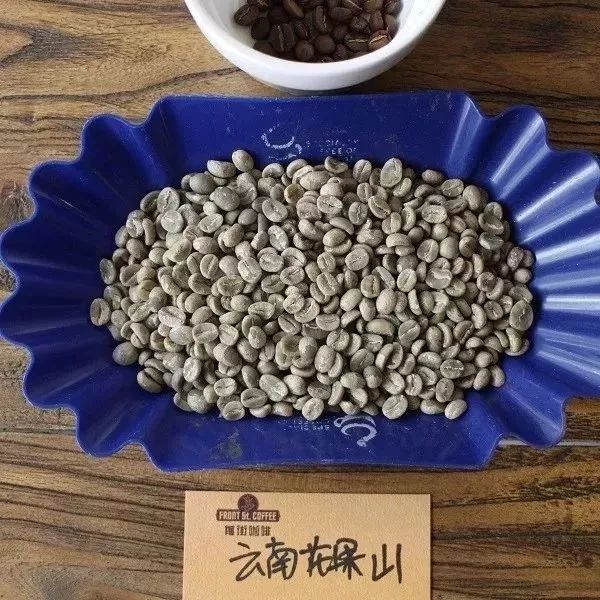
Roasted beans: telling Typica apart from Catimor.

Growing Altitude
For Arabica, 1200 meters is the quality watershed. Baoshan sits above 1200 meters, with an average temperature of 21.5°C that can climb as high as 40.4°C, and essentially no frost all year — a protective microclimate for coffee. It is widely recognized as the finest small-seed coffee producing area, with growing zones spread across Lincang, Baoshan, Simao, Xishuangbanna, Dehong, and beyond. The small-seed coffee raised here is rich but never bitter, fragrant but never harsh, with small, even beans, a mellow fullness, and fruity notes.
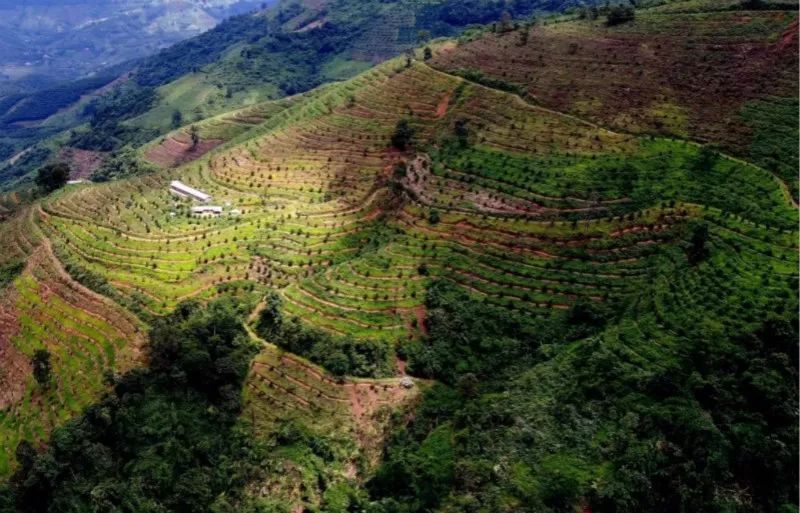
Processing Method: Washed
Harvested cherries first pass through a depulper, which strips away most of the fruit flesh, and the parchment beans are then channeled into a clean tank to ferment in water, removing the remaining mucilage completely. During washed processing, unripe and defective beans float and are skimmed off, and fermentation is far easier to control. So unlike naturals, whose flavors can turn muddled, washed coffee presents clear fruit acidity, layered complexity, and a cleaner cup.
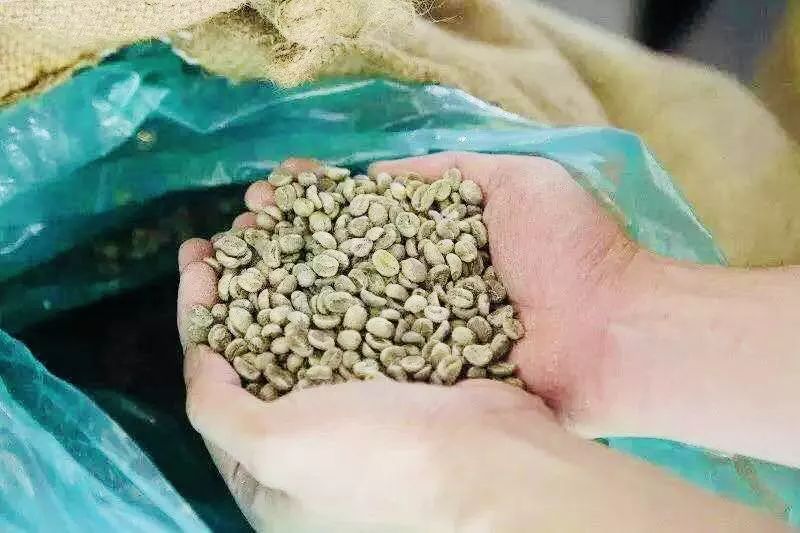
Roasting Analysis
The green coffee's moisture content is 10.9%, so the roast plan is to charge at 200°C, using high heat and low airflow to speed through drying. After the drying stage, we switch to medium airflow and medium heat so the Maillard reaction doesn't rush, then develop for 3 minutes past first crack before dropping the batch.
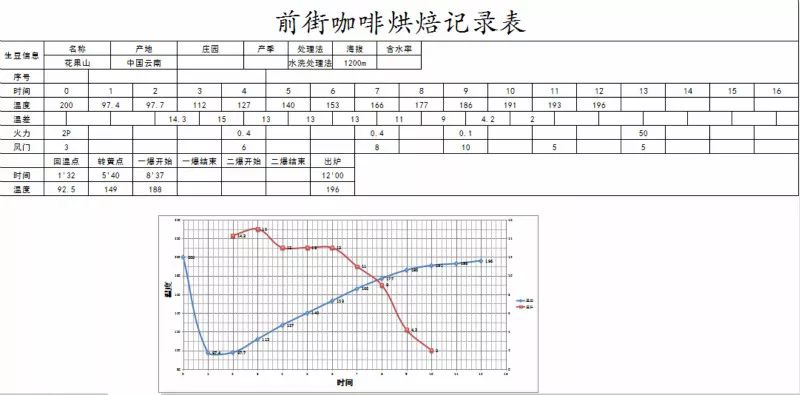
The roast profile, on an HB roaster with a 2Kg batch:
Turnaround point: 1 minute 32 seconds, 92.5°C
Yellowing point: 5 minutes 40 seconds, 148.5°C
First crack: 8 minutes 59 seconds, 188.0°C
Development: 3 minutes
Drop: 12'00, 196°C
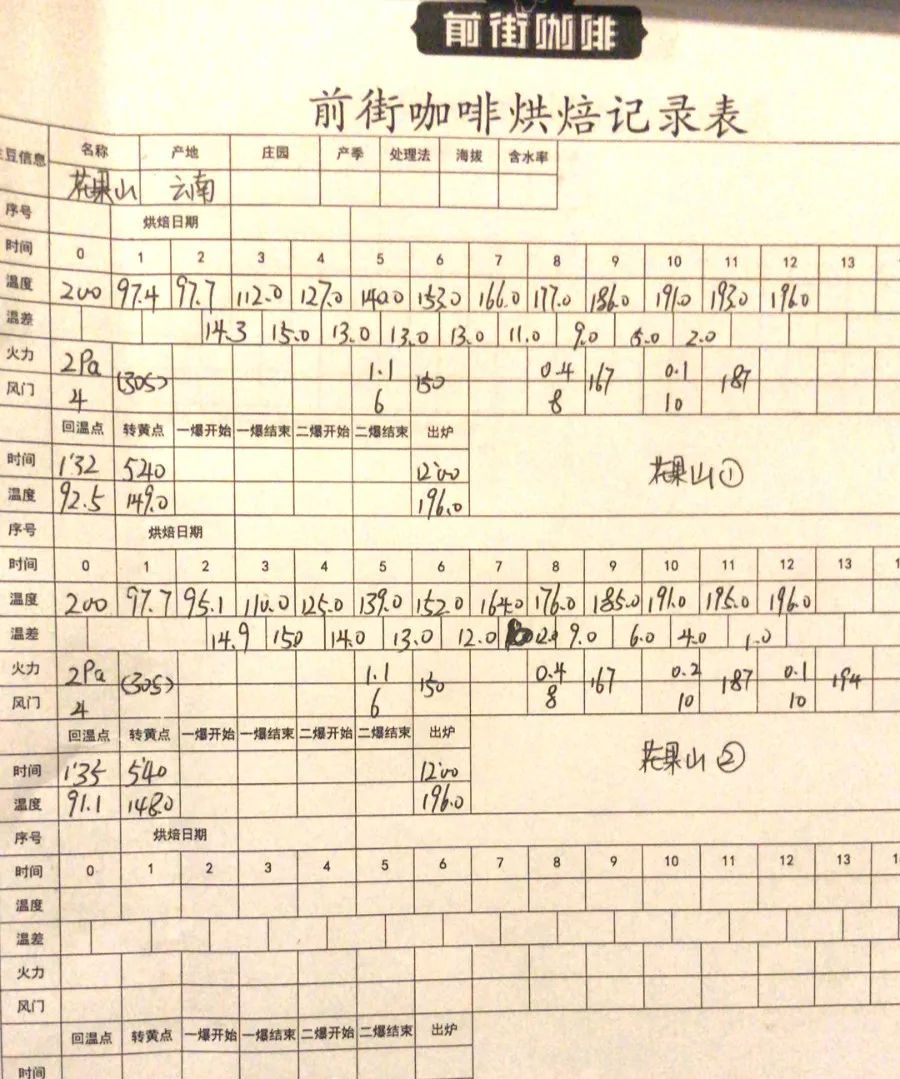
Roast Level: Medium Roast
Cupping
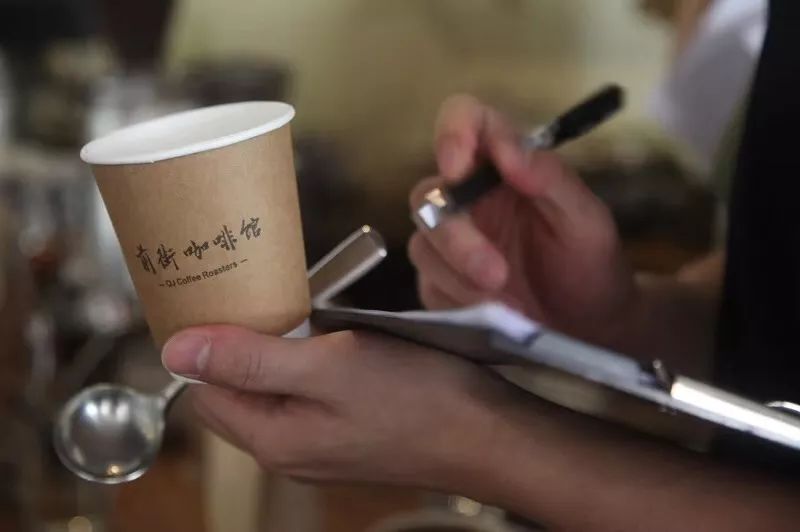
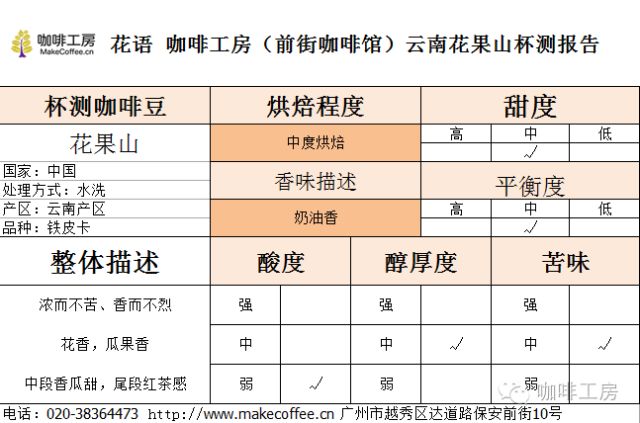
Cupped 12 hours after roasting: a rich fruit aroma on the nose, with melon and herbal-plant notes. The entry is smooth, moving into nuts and milk chocolate through the middle, and finishing with lively, bright plum acidity that waters both cheeks. Good balance, medium body, satisfying weight. From hot to warm, the sweetness and acidity unfold in layers — sweet first, then sour, with apricot and citrus-toned acidity and a black-tea finish carrying a touch of brown sugar.
Pour-Over Parameters
Dripper choices: the V60, Kalita Wave, and cake dripper all work.
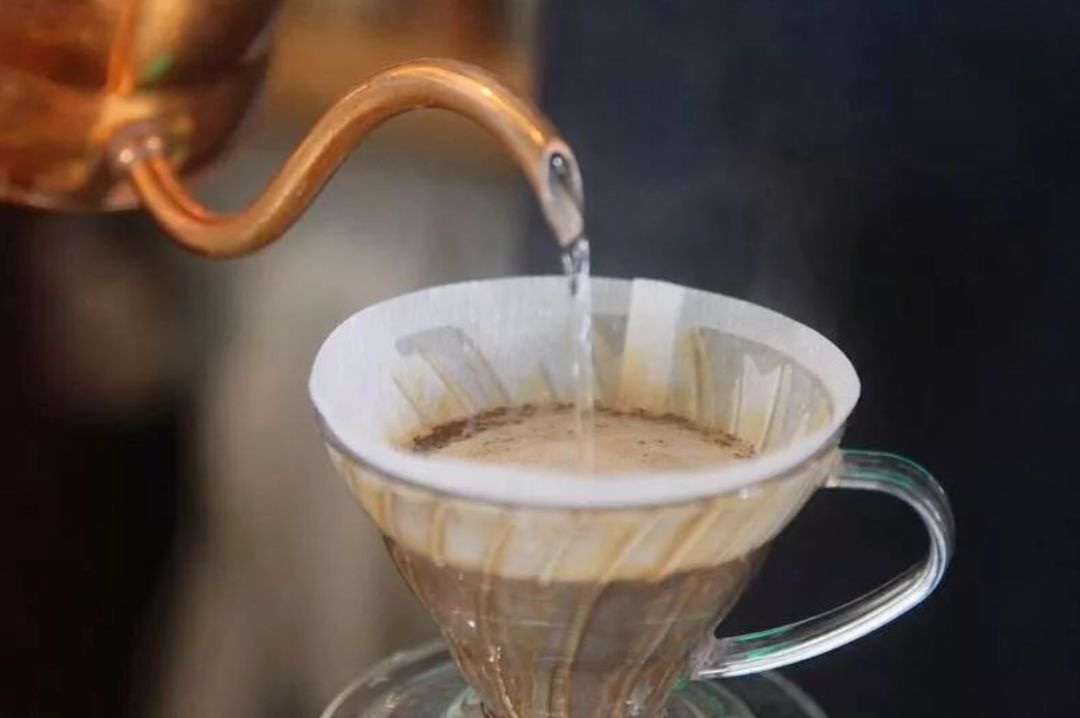
Demonstrated with the V60
Parameters: 15g of coffee, water at 90°C
Grind setting 4, water-to-coffee ratio close to 1:15, total brew time around 2:00
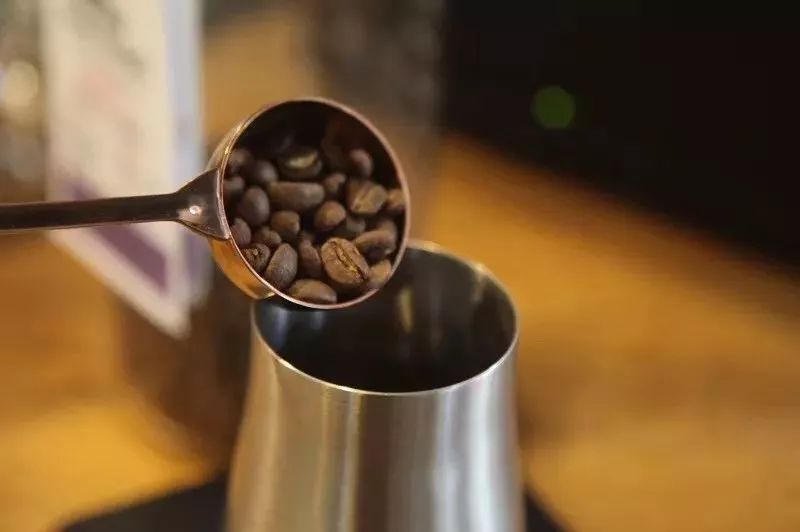
Technique: bloom with 25-30g of water for 30 seconds. First pour to 120g with a steady, vertical, slow-circling flow; second pour to 225g with a slightly faster flow and circle speed to keep fines from clogging the dripper and causing over-extraction.
Other Extraction Suggestions:
French Press: grind setting 3.5-4, water temperature 90°C
Siphon: grind setting 4, water temperature 89°C
AeroPress: grind setting 2.5, water temperature 88°C

We are still exploring what Yunnan specialty coffee can be. Choose the right variety, plant it at the proper altitude, and once it matures, experiment with processing methods that express unique flavors — that, we believe, is the only logical path to coffee with a genuine sense of place. FrontStreet Coffee is still on that journey, out in the mist. Why did we choose the hardest road?

Quite simply, because we want longtime coffee drinkers to take one sip and say: "Ah — so this is what Yunnan specialty coffee tastes like."
FrontStreet Coffee Recommendation
Yunnan coffee — "Yunnan small-bean coffee" — is Arabica grown along China's stretch of the golden coffee belt, where elevations mostly exceed 1000 meters and fertile slopes, abundant sun, and big day-night temperature swings give the trees ideal conditions. Coffee arrived in Yunnan at the start of the 20th century, when the French missionary Tian Deneng brought Typica seed from Vietnam and planted the first tree in Zhugula Village, Binchuan County; planting is now concentrated in four prefectures — Baoshan, Dehong, Pu'er, and Lincang. FrontStreet's entry-level Yunnan Small-Bean lot comes from Baoshan's Lujiangba dry-hot river valley, washed and medium-roasted to show gentle caramel sweetness alongside soft plum acidity and notes of nuts and chocolate — an easy, affordable first taste of Yunnan terroir.
If you want a more expressive Yunnan cup, step up to FrontStreet's 2013 Natural Typica, grown on the estate FrontStreet planted in 2013 with only fully ripe red cherries, sun-dried and medium roasted. It carries dark-berry and citrus tones, caramel sweetness, chocolate, and a hint of dried apricot, finishing with black tea. And for espresso drinkers, FrontStreet's Black Cocoa Blend pairs Yunnan small-bean coffee with Brazil Cerrado: the Brazil contributes mixed-nut aroma and balance while the Yunnan brings chocolate and citrus, yielding a balanced Americano with nutty, brown-sugar sweetness and a latte with a smooth almond-and-cream texture — a great starting point for beginners.
Important Notice :
FrontStreet Coffee is a long-established specialty coffee roaster in Guangzhou China, selling freshly roasted beans from its own farm in Yunnan as well as dozens of carefully selected single-origin beans from around the world for both pour-over and espresso. The products deliver consistently excellent quality and great value, with shipping within 24 hours. Guangzhou's FrontStreet Coffee shop is recommended by many coffee lovers, and the beans are now available online at the Tmall 。
FrontStreet Coffee has moved to a new address:
FrontStreet Coffee Address: 315,Donghua East Road,GuangZhou
Tel:020 38364473
 Scan and follow the En Gafei WeChat official account. Please indicate that the reprint comes from "En Gafei".