Ethiopia Gimbi Region | Natural Process Queen Sheba Local Landrace Varieties

Ethiopia Gimbi Region | Natural Process Queen Sheba Local Landrace Flavor?
According to accounts in the Old Testament and the Quran, Queen Sheba ruled the Kingdom of Sheba in the era of King Solomon. Her influence then was formidable, stretching across Northeast Africa, present-day Yemen, and the Arabian region. Legend holds that the Kingdom of Sheba was extraordinarily wealthy, rich in precious metal deposits, which is why the queen's jewels always glittered with gold in such magnificent, noble splendor. Admiring King Solomon's wisdom and talent, Queen Sheba — despite her kingdom's strong position — proposed marriage to him. Although the match never came to pass, the story goes that she returned home carrying King Solomon's bloodline. The famously mysterious "Solomon's Treasure" is thought to refer in part to the precious collections Queen Sheba brought with her on that visit. The Kingdom of Sheba's lands covered what is today Ethiopia, Eritrea, Sudan, Egypt, and Djibouti — a region that happens to be recognized as the birthplace of Arabica coffee, and an irreplaceable treasure trove of coffee genetic diversity, much like the Kingdom of Sheba itself.
Ethiopia has eight major producing regions: Ekempti, Limu, Illubabor, Djimma, Harrar, Teppi/Bebeka, Sidamo, and Yirgacheffe. Yirgacheffe lies in the Gedeo zone of southern Ethiopia, which also administers the better-known areas of Yirgacheffe and Kochere. Because Yirgacheffe coffee is so distinctive in flavor and so widely loved, it has earned its own category in coffee classification and holds a permanent place in the global specialty market.
This "Queen Sheba" super-premium natural process lot delivers rich, layered tropical fruit flavors that echo the queen's passion and substance — hence the name. One taste and you will understand.
Product Information
Product Name: Queen Sheba Gimbi G1
Country: Ethiopia
Region: Micro-regions near Gimbi town
Altitude: 2000-2200m
Variety: Heirloom
Processing Method: Natural Process
Special Treatment: Meticulously selected extremely low-defect batches
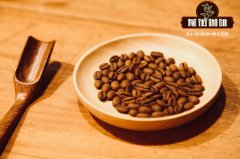
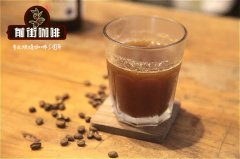
Flavor Profile: Pineapple, banana, honey peach, strawberry, blueberry, tropical fruit dried fruit flavors, clean aftertaste
FrontStreet Coffee Recommended Brewing
Dripper: Hario V60
Water Temperature: 90°C
Grind Size: Fuji Royal grinder setting 3.5
Brewing Method: Coffee-to-water ratio 1:15 with 15 grams of coffee. First pour 25 grams of water for a 25-second bloom. Second pour to 120 grams, then pause. Once the water level in the coffee bed drops to half, resume pouring slowly up to 225 grams total. Extraction time around 2:00.
Analysis: A three-stage pour keeps the front, middle, and back-end flavors of the coffee clearly separated. Because the V60's deep ribs drain quickly, pausing the pour helps stretch the extraction time.
FrontStreet Coffee Recommendation
If a naturally processed Ethiopian with tropical fruit depth sounds like your cup, FrontStreet Coffee's Natural Red Cherry Yirgacheffe is an easy next step. It is made exclusively from fully ripe, defect-free cherries, dried whole on raised beds and turned every 2–3 hours during the first days to prevent uneven fermentation and over-fermentation. Because the beans dry inside the fruit, the cup carries classic Yirgacheffe character alongside the tropical fruit sweetness naturals are known for: citrus-like acidity, a berry jam juiciness, honey-like sweetness, and a creamy smoothness. Brew it the way FrontStreet brews its washed Yirgacheffe: V60, 15 grams of coffee at a 1:15 ratio, water at 90–91°C, and a medium grind about the size of fine granulated sugar. The result is a bright, fruit-forward cup that shows just how expressive natural Ethiopia can be.
Important Notice :
FrontStreet Coffee is a long-established specialty coffee roaster in Guangzhou China, selling freshly roasted beans from its own farm in Yunnan as well as dozens of carefully selected single-origin beans from around the world for both pour-over and espresso. The products deliver consistently excellent quality and great value, with shipping within 24 hours. Guangzhou's FrontStreet Coffee shop is recommended by many coffee lovers, and the beans are now available online at the Tmall 。
FrontStreet Coffee has moved to a new address:
FrontStreet Coffee Address: 315,Donghua East Road,GuangZhou
Tel:020 38364473
 Scan and follow the En Gafei WeChat official account. Please indicate that the reprint comes from "En Gafei".