Honduras Central Region | Siguatepeque Cooperative Traditional Washed Cheetah SHB Flavor
Honduras Central Growing Region | What are the flavor characteristics of Siguatepeque Cooperative Leopard SHB?
Honduras has 280,000 hectares of coffee plantations, made up mainly of smallholder farmers whose plots are mostly under 3.5 hectares. These farmers account for 60% of Honduras' coffee production. On the plantations, men and women hand-pick the coffee, which is then carefully processed to meet market demand and satisfy consumers' different taste preferences. Honduras harvests three million bags of coffee a year, providing the world with excellent coffee and a distinctive aroma. With both abundant quantity and excellent quality, it has become the second-largest coffee exporter in Central America and the tenth-largest in the world.
Honduras' coffee industry supports the livelihoods of 100,000 families, creating one million job opportunities and a permanent economic foundation for the country. Honduran coffee is divided into six major growing regions, spread across the west and south: Santa Barbara, El Paraiso, Copan, La Paz, Comayagua and Olancho, with an average growing altitude above 1,100 meters. The varieties are 100% Arabica, with 69% graded HG, 12% SHG and 19% CS. Varieties include Typica, Bourbon, Caturra, Villa Sarchi and Lempira. Honduran coffee has first-class quality and is also the most competitively priced among Central American countries. The small, round, slightly bluish-green beans are highly acidic with a full body and a slightly sweet flavor, suitable for blends or as a single origin. They suit medium and dark roasting and are mainly exported to the United States, Germany and Japan.
Coffee Origin Information
Region: Central Honduras
Producer: Local small farmers
Processing Method: Traditional washed processing
Grade: European standard washed strictly hard bean (SHB)
Varieties: Bourbon, Typica, Catuai, Caturra, Pacas
Altitude: 1,200 meters
Flavor Notes: Spices, mint milk, corn sweetness, nuts, caramel, with a light and gentle mouthfeel
FrontStreet Coffee's Recommended Brewing Method:
Dripper: Hario V60
Water Temperature: 90C
Grind Size: Fuji Royal R-440 grind setting 3.5
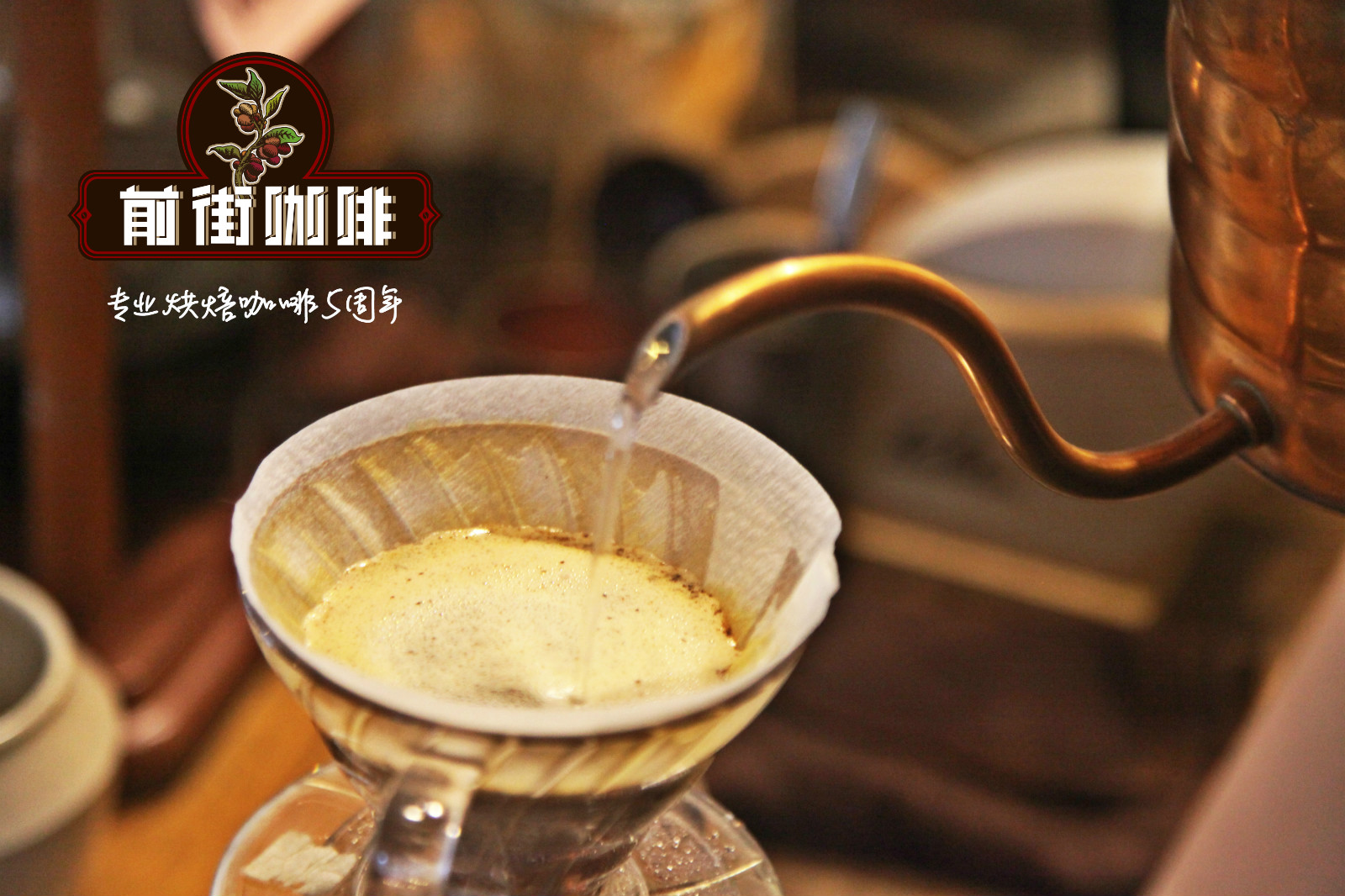
Brewing Method: Water-to-coffee ratio 1:15, using 15 g of coffee grounds. First infusion with 25 g of water for a 25-second bloom. Second infusion to 120 g, then pause. Wait until the water level in the coffee bed drops to half before continuing to pour. Slowly pour until reaching 225 g total. Extraction time approximately 2:00.
Analysis: A three-stage brewing method clearly separates the front, middle and back-end flavors. Because the V60 has many ribs and drains quickly, pausing during the pour helps extend the extraction time.
FrontStreet Coffee Recommendation
Washed SHB coffees like this Honduras lot are prized for their clean, bright structure, and FrontStreet Coffee's Gedingin cooperative coffee is a fine example of the same style. The washed process removes the pulp before drying, letting the bean's own aroma come through clearly, so the cup shows jasmine fragrance with bright citrus and lemon acidity and a green tea and honey finish. It suits pour-over, cold brew and espresso alike.
FrontStreet Coffee's Kenya Tomato is another standout washed coffee, built on Kenya's signature double washed method with repeated soaking and rinsing to draw out maximum juice. It layers savory tomato, dark plum, snow pear and black plum notes with bright, structured acidity and a long, clean finish.
If you prefer something rounder and lower in acidity, FrontStreet Coffee's Jamaica Blue Mountain No. 1 is washed as well, delivering a pure hazelnut, cream, chocolate and caramel profile with a balanced body that lets no single note dominate.
Important Notice :
FrontStreet Coffee is a long-established specialty coffee roaster in Guangzhou China, selling freshly roasted beans from its own farm in Yunnan as well as dozens of carefully selected single-origin beans from around the world for both pour-over and espresso. The products deliver consistently excellent quality and great value, with shipping within 24 hours. Guangzhou's FrontStreet Coffee shop is recommended by many coffee lovers, and the beans are now available online at the Tmall 。
FrontStreet Coffee has moved to a new address:
FrontStreet Coffee Address: 315,Donghua East Road,GuangZhou
Tel:020 38364473
 Scan and follow the En Gafei WeChat official account. Please indicate that the reprint comes from "En Gafei".