The Story of Blawan Estate, Indonesia_Java Coffee Bean Varieties and Cultivation Information
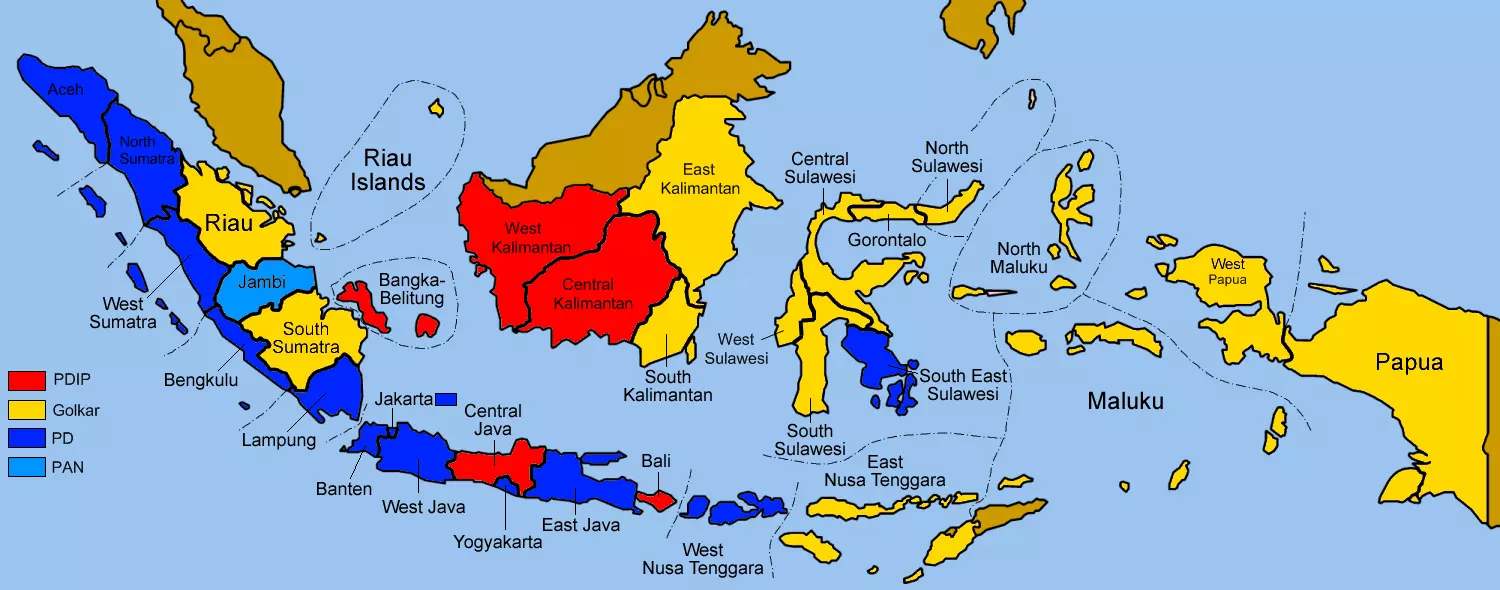
Indonesia is made up of more than 17,000 islands scattered along the equatorial volcanic belt. It straddles both sides of the equator, and its humid tropical rainforest climate brings abundant rainfall and fertile, nutrient-rich volcanic soil. The best coffee-growing areas across the archipelago are Java, Sumatra, and Sulawesi. Indonesia's most representative coffee is Sumatran, known for its strong flavor, mellow taste, and slightly syrupy notes. Indonesia also produces coffee with explosive fruit flavors and excellent sweetness, though: Java coffee. FrontStreet Coffee introduces another flavor profile from Indonesian coffee in this article.
Java Coffee Cultivation History
In the mid-17th century, coffee trees were introduced to the island of Java by the Dutch (some sources suggest it was earlier). Such authentic production was very scarce, and the Dutch were the first to bring coffee to Central and South America in the 1720s. Coffee spread from Dutch colonies to French Guiana and Brazil. During their colonial expansion, the Dutch cultivated coffee in Malabar, India, and in 1699 brought coffee to Batavia, now Java, Indonesia. At the time, Indonesians called this new crop "KOPI," a name still used today.
In 1712, the first batch of coffee from Java was sold to Amsterdam. In 1877, however, a major environmental disaster struck: all the coffee trees on the plantations were destroyed by coffee leaf rust, forcing the introduction of Robusta coffee trees from Africa to replace the original varieties. Indonesian Robusta accounts for approximately 85% of total production, with Arabica making up 15%. Robusta is mainly concentrated in southern Sumatra, while Arabica is grown in northern Sumatra. Today Indonesia's coffee cultivation area exceeds 1 million hectares, with 90% operated by small farmers.
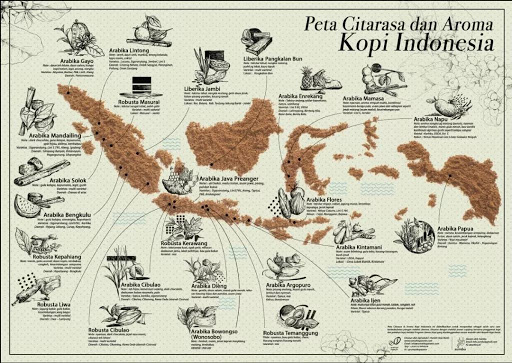
Today only 6%-10% of coffee beans in Indonesia are Arabica. Indonesia is one of the world's four major coffee exporters, producing 6.8 million bags of coffee annually, the majority from small plantations, which account for about 90% of total production.
Java holds an extremely important place in coffee history. Unlike most other Indonesian coffees grown on small farms and primarily processed, Java Arabica grows on large farms or plantations, mostly government-operated and using modern washed processing. The main cultivated variety in Java today is S795, locally called Jember, which is artificially cultivated. A few regions still preserve the Typica variety, and Blawan Estate is one of them.
Blawan Estate
Java Arabica cultivation is centered around the Ijen volcano in eastern Java, which has an average altitude of over 1,400 meters. Coffee is mainly grown on the large estates established by the Dutch government and landowners in the early 19th century. The best plantations in Java include Blawan, Jambit, Kayumas, and Pankur. Blawan Estate is one of these large plantations and one of the four major state-owned coffee estates in Java, Indonesia. It sits near the Ijen volcano in eastern Java, with excellent growing conditions including high altitude, volcanic soil, appropriate rainfall, and temperature. Blawan was one of the first large traditional coffee estates established by the Dutch and is now operated by the Indonesian government in the mountainous region of East Java.
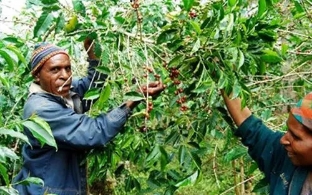
The "Java Typica" coffee produced by Blawan Estate features round, full beans with low acidity. The estate also uses only manual selection to harvest coffee cherries. After harvesting, the cherries are sent to the processing plant for depulping and washed processing.
Typica Coffee Variety
Typica is the oldest variety in Java, planted by the Dutch here as early as the mid-17th century. It offers a clean, fresh flavor with subtle floral and fruity notes, but its yield is relatively low and its disease resistance weak. During the leaf rust epidemic of 1877, Java coffee plants suffered severe damage. The old Typica trees that still remain in Java today possess exceptional flavor.
Processing Method
This Java coffee uses the washed processing method. After picking, the cherries are sent for processing immediately, typically within 6 to 12 hours of harvest. They are first weighed, then soaked in water so that fruits of insufficient quality float off and can be removed. Next, the cherries go to a depulper to strip the skin and pulp.
The depulped cherries are placed in fermentation tanks or barrels for static fermentation for 18 to 36 hours, during which enzymes break down the mucilage and pectin in the fruit. The demucilaged cherries are washed in the tanks with an appropriate amount of water, and stirring during washing removes the decomposed pectin from the bean surface. After washing, only the parchment, silver skin, and green beans remain.
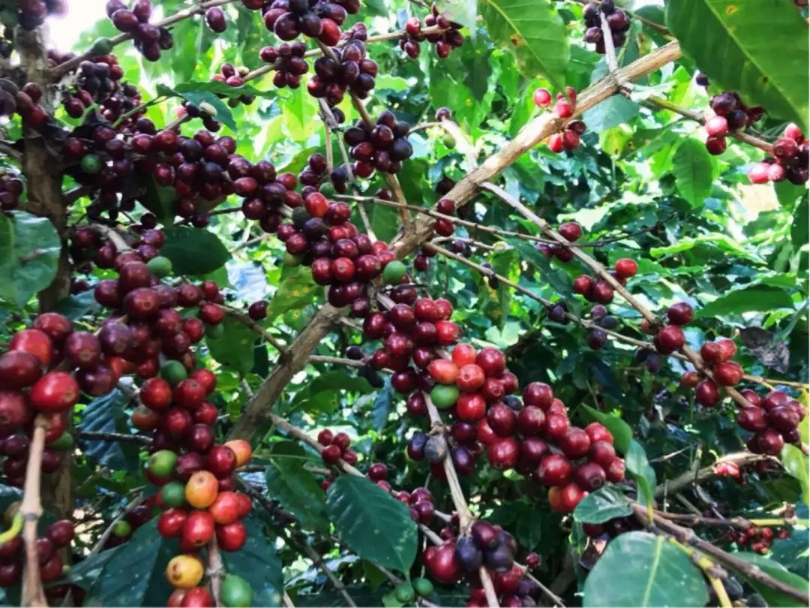
The washed beans are then sorted to remove defective beans. They are sent immediately to drying areas (waterproof tarps, concrete floors, raised beds, and the like). Drying time depends on environmental and climatic factors and typically ranges from 5 to 14 days. During this process the moisture content of the beans decreases from 55% to 11%. The dried beans are called parchment coffee, green beans with the parchment layer still attached. The parchment coffee goes to warehouses for storage and will be hulled again before export.
FrontStreet Coffee Brewing Recommendations
Java coffee differs from Mandheling, as it predominantly exhibits tropical fruit flavors and a rich body. This brewing uses a V60 dripper, which better highlights the fruity flavors.
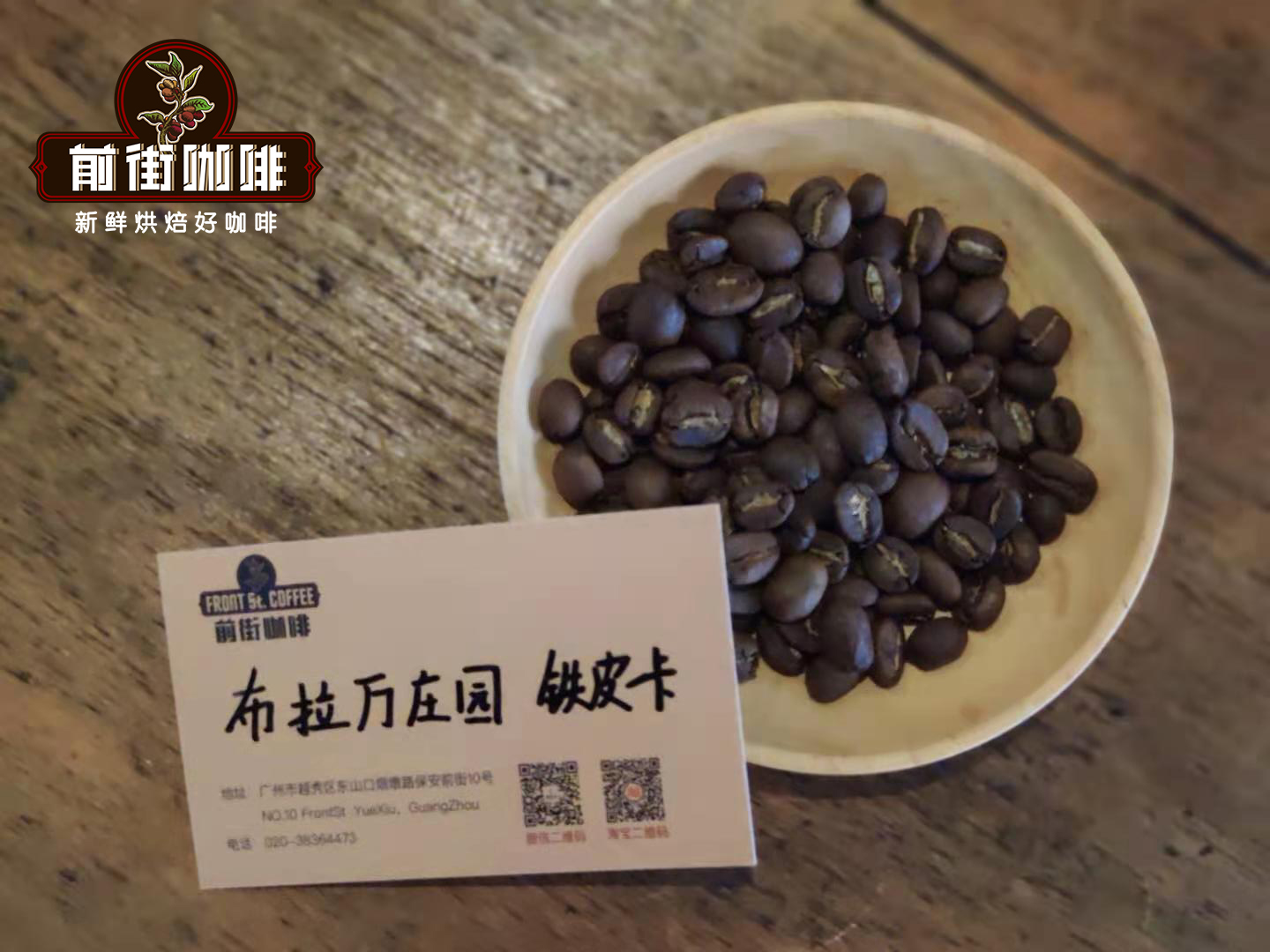
Dose: 15g
Ratio: 1:16
Temperature: 93°C
Grind: Medium-fine grind (72% pass-through on a standard #20 sieve)
1. First, pour 30g of water for a 30-second bloom.
2. After the bloom, perform the second pour, adding 130g of water (total now 160g). Pour in circles from the center outward until the entire surface of the coffee bed shows golden foam.
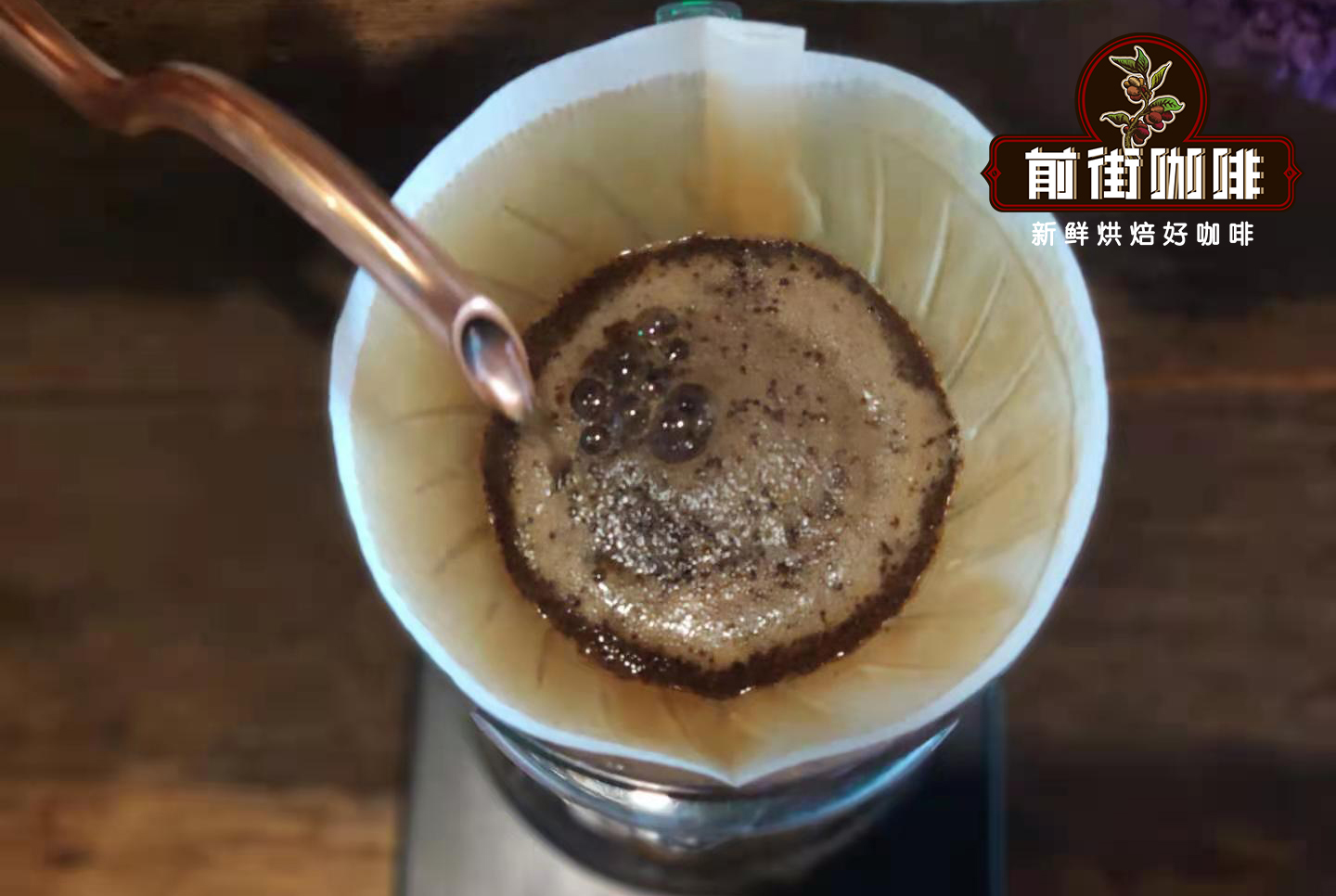
3. When the water level drops to halfway, pour 80g of water (total 240g), using the same technique as the second pour. Remove the dripper once all the coffee has flowed into the server, completing the extraction. Total extraction time is 1 minute and 47 seconds.
Flavor description: This Java coffee is completely different from traditional Indonesian Mandheling, possessing rich tropical fruit notes with mango and passion fruit flavors and a full, rich body.
FrontStreet Coffee Recommendation
If Java's tropical fruit character and full body are what you are after, FrontStreet Coffee's Brazil Queen Estate Yellow Bourbon offers a satisfying, fruit-forward cup from a very different origin. Grown in Mogiana on fertile red volcanic soil, this rare Yellow Bourbon carries more mucilage than ordinary Red Bourbon and shows a clean sugarcane sweetness alongside fruit and chocolate. The Brazil Cerrado Red Bourbon is a fuller, lower-acid alternative, with creamy peanut, toast, caramel, and hazelnut aromas and a round, smooth body. Both pair well with the V60 method used above, letting a rich, sweet fruit character come through clearly.
Important Notice :
FrontStreet Coffee is a long-established specialty coffee roaster in Guangzhou China, selling freshly roasted beans from its own farm in Yunnan as well as dozens of carefully selected single-origin beans from around the world for both pour-over and espresso. The products deliver consistently excellent quality and great value, with shipping within 24 hours. Guangzhou's FrontStreet Coffee shop is recommended by many coffee lovers, and the beans are now available online at the Tmall 。
FrontStreet Coffee has moved to a new address:
FrontStreet Coffee Address: 315,Donghua East Road,GuangZhou
Tel:020 38364473
 Scan and follow the En Gafei WeChat official account. Please indicate that the reprint comes from "En Gafei".