What are the Differences in Flavor Between Zhumang and Flower Queen? The Distinction Between Guji and Sidamo Coffee Regions
Ethiopia's Eight Major Coffee Growing Regions
Ethiopian coffee comes primarily from eight major growing regions: Lekempti, Limu, Illubabor, Djimmah, Harar, Teppi/Bebeka, Sidamo, and Yirgacheffe.
Ethiopian coffee enjoys an excellent reputation in China, particularly the Sidamo and Yirgacheffe regions, which have captured the special interest and passion of Chinese coffee enthusiasts. Sidama province lies in southern Ethiopia, bordering Arsi province to the north, reaching toward Bale province to the east, and adjacent to the Gamu Gofa administrative region to the west.
Ethiopia's Administrative Structure and Coffee Naming
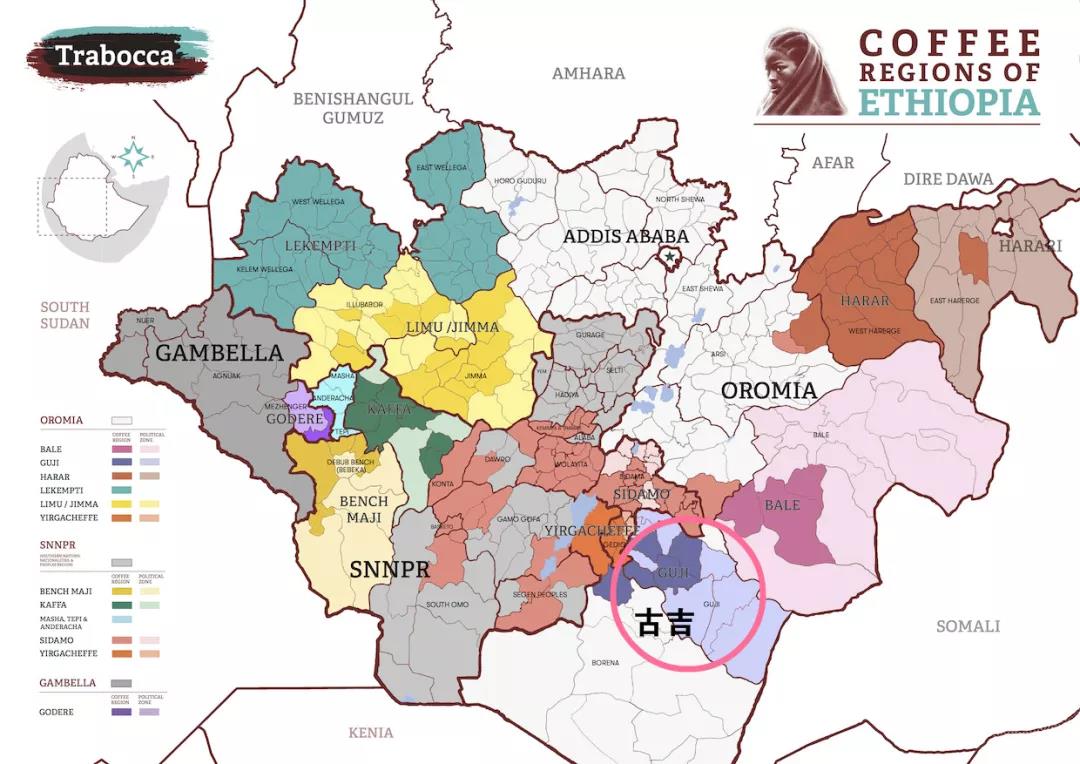
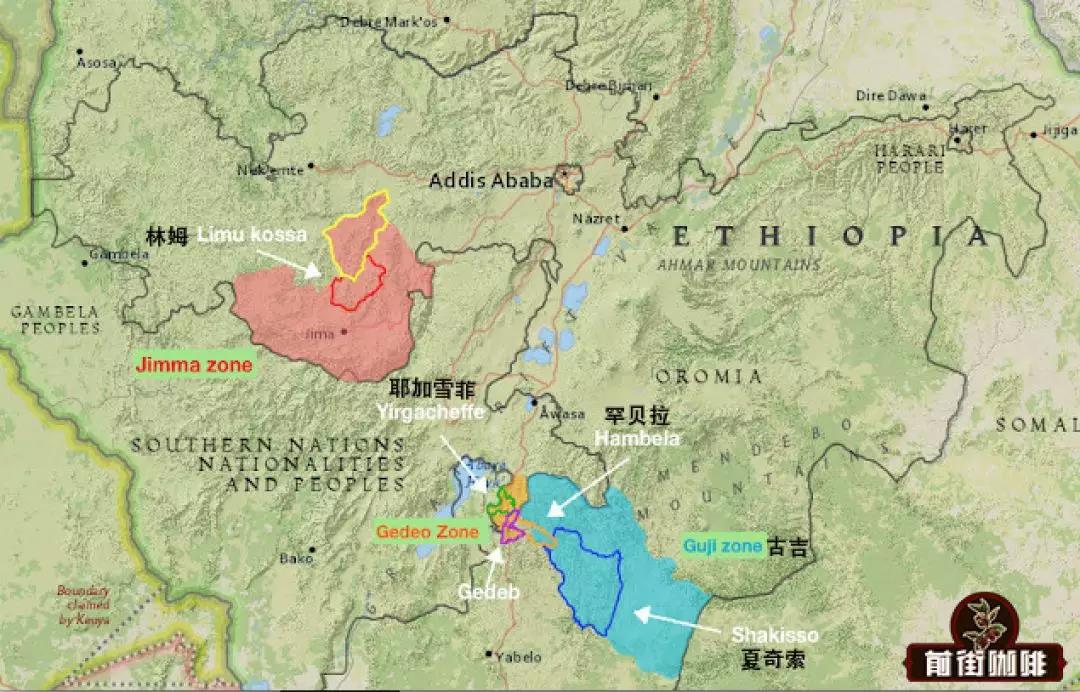
Ethiopia's administrative divisions are organized into four hierarchical levels, from largest to smallest: Region, Zone, Woreda, and Kebele. Most green coffee names follow this convention. Take "Huang Kui" (Flower Champion), for example, located southeast of Yirgacheffe in the Sidamo region. Administratively, it belongs to Oromia Region, Guji Zone, Shakisso Woreda, Hambella.
Guji Zone: A Premium Coffee Region
Guji Zone was established as an independent coffee-producing region by the Ethiopia Commodity Exchange (ECX) in 2010, thanks to its superior geographical position and exceptional cup profile. Shakisso represents the most attractive micro-region within Guji, located southeast of Yirgacheffe at an average altitude exceeding 1,800 meters above sea level.
Huang Kui (Flower Champion): Single Farm Project
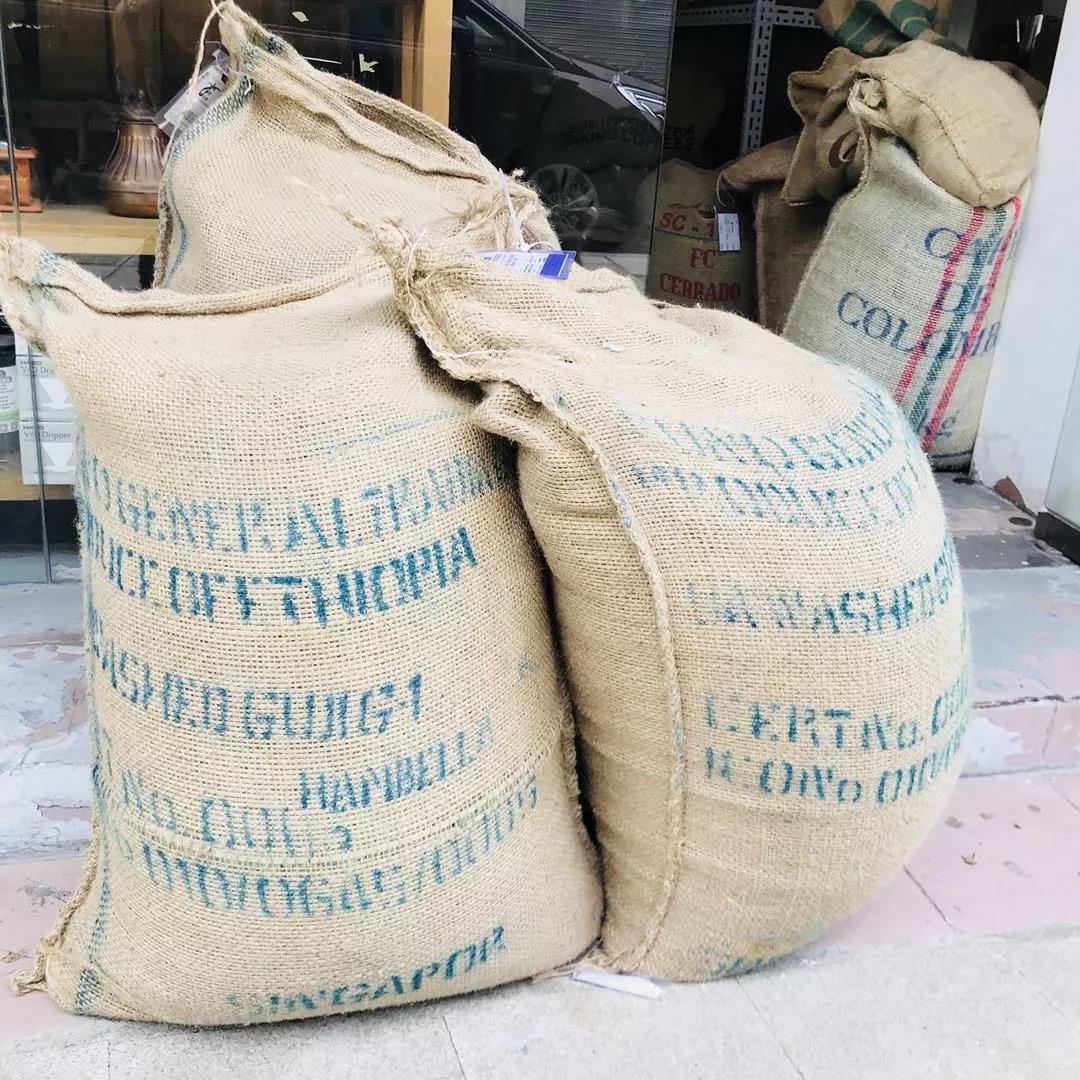
Huang Kui belongs to a single farm system (referred to for now as the Single Farm Project, or SFP).
Huang Kui Region: Guji, Shakisso, Hambella
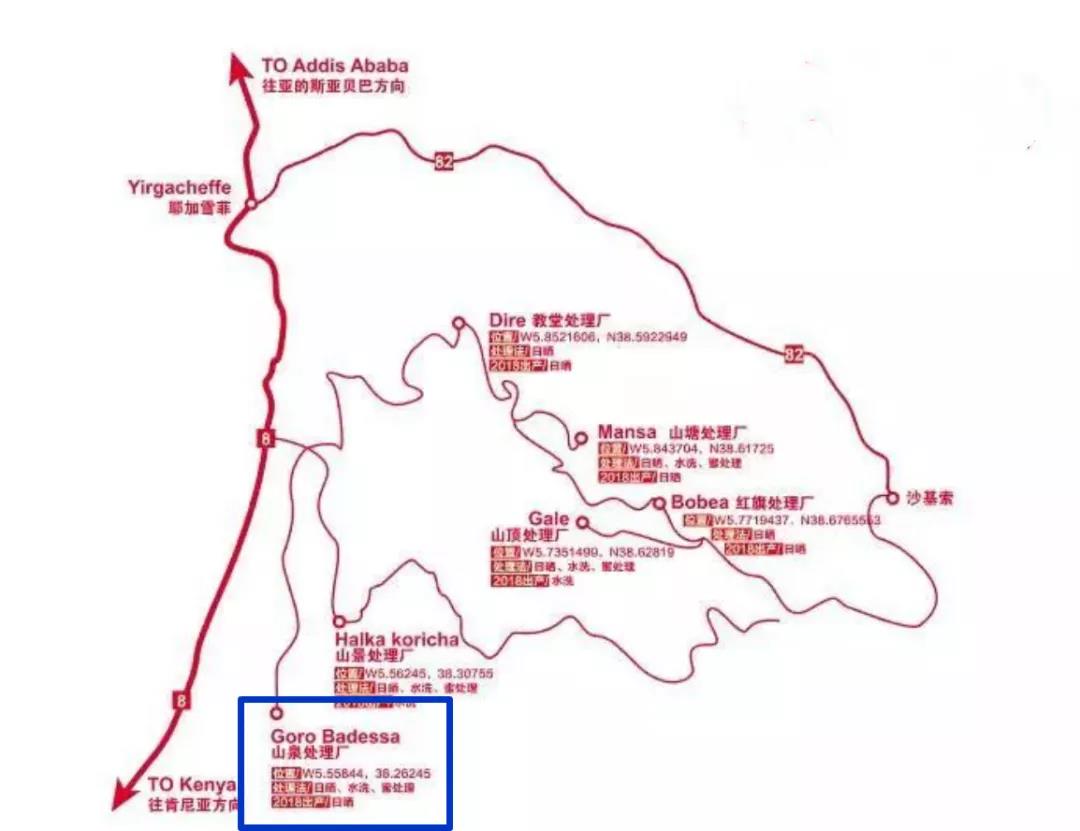
Currently there are nearly 20 processing plants of various scales in the Hambella region. Hongshun, a green coffee company "rooted" in Ethiopia's coffee growing regions, has established four sun-drying processing plants through cooperative partnerships in the Guji Zone Hambella region since 2016. During the 2017/18 harvest season, they carried out a series of studies on sun-drying methods using the region's premium coffee varieties.
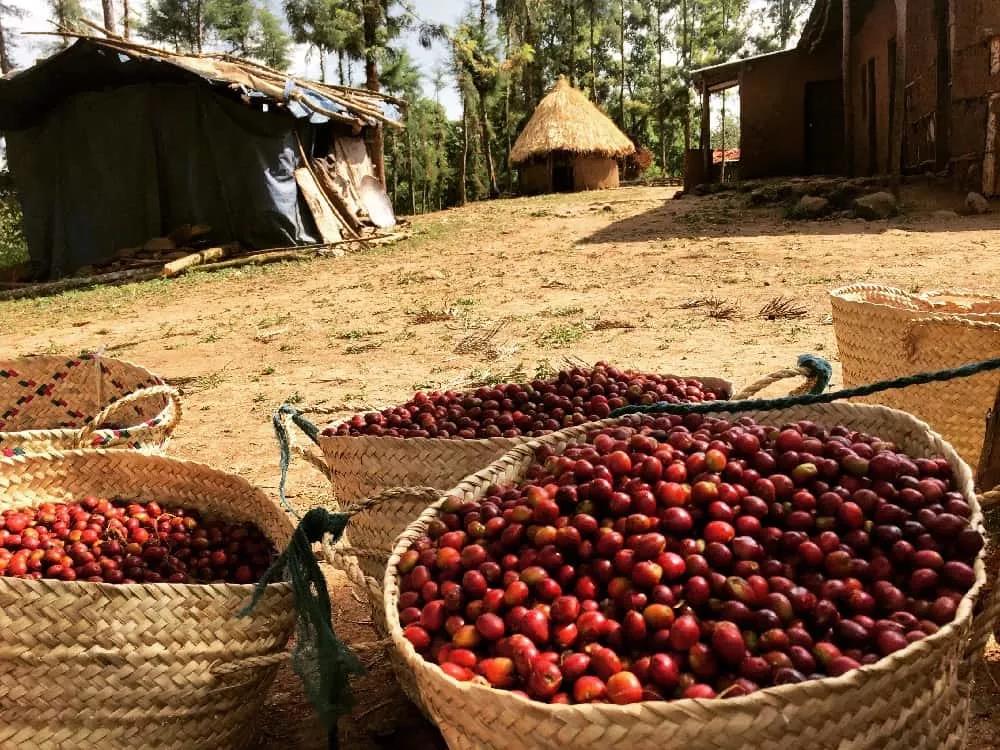
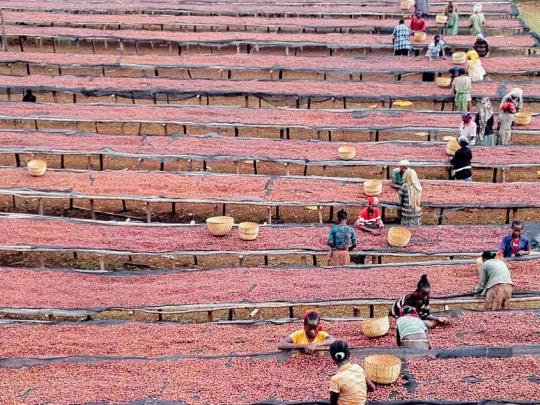
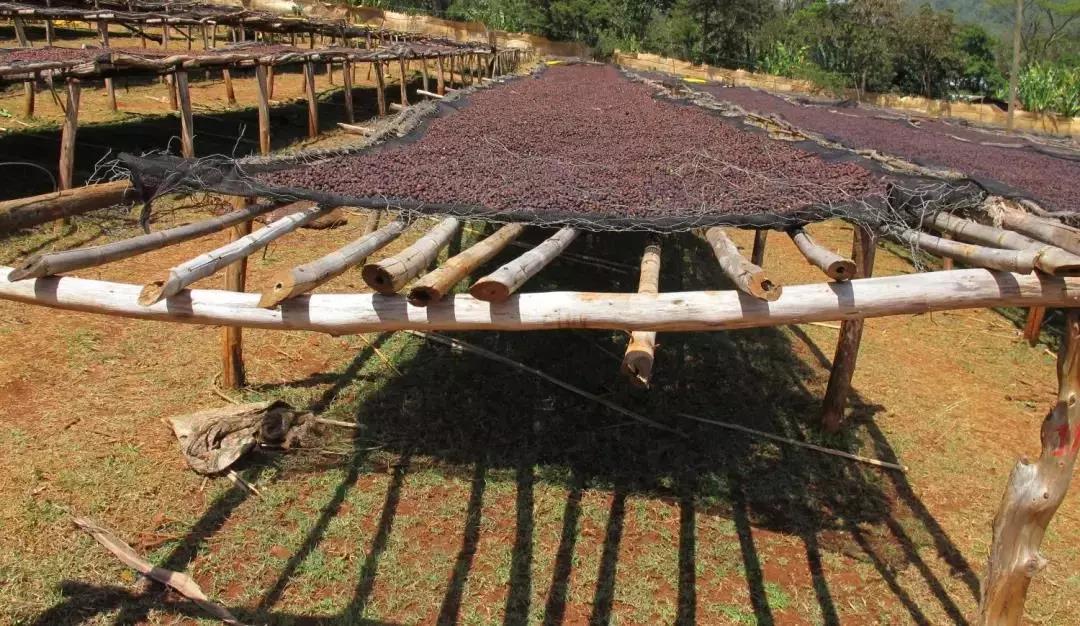
The four core estate processing plants in Hambella are the "Dire" Church Processing Plant, the "Mansa" Mountain Pond Processing Plant, the "Bobea" Red Flag Processing Plant, and the "Goro Baessa" Mountain Spring Processing Plant. Goro Baessa is a small village ringed by mountains at an altitude of 2,280 meters. December marks its coffee harvest, when the mountains are covered with bright red, ripe coffee cherries. The village features neatly arranged African drying beds - this is where "Huang Kui" is processed.
Huang Kui 2.0: Enhanced Quality and Consistency
The Huang Kui 2.0 we tasted at FrontStreet Coffee comes from a micro-lot at the Mountain Spring Processing Plant. Compared to last year's local mixed-variety "Huang Kui," Huang Kui 2.0 offers more consistent bean size and cleaner processing. Through cupping evaluation, this year's "Huang Kui" not only keeps its rich, enchanting floral aromas with mellow red wine and tropical fruit flavors, but also shows enhanced bright, juice-like acidity and sweetness.
Drima Zede: The Candlelight Awakener
Drima Zede (Candlelight Awakener)
Region: 90+ SNNP, Sidama, Ethiopia
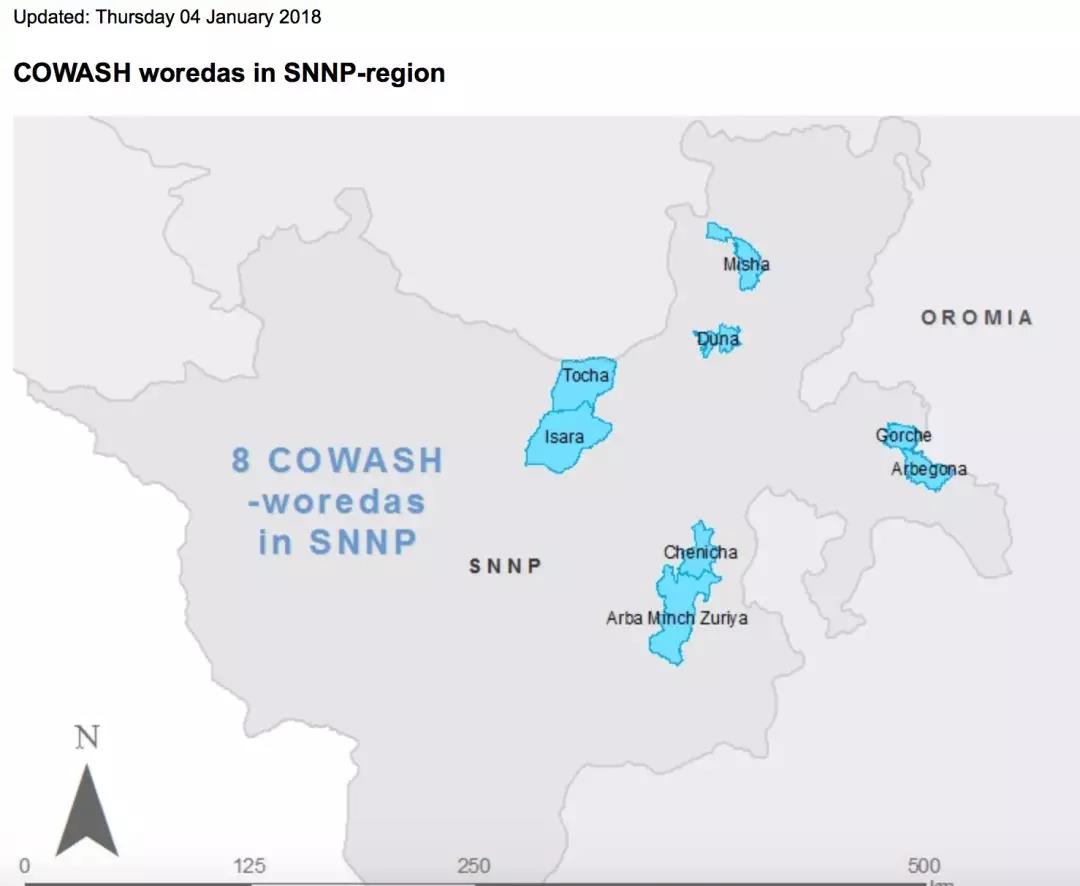
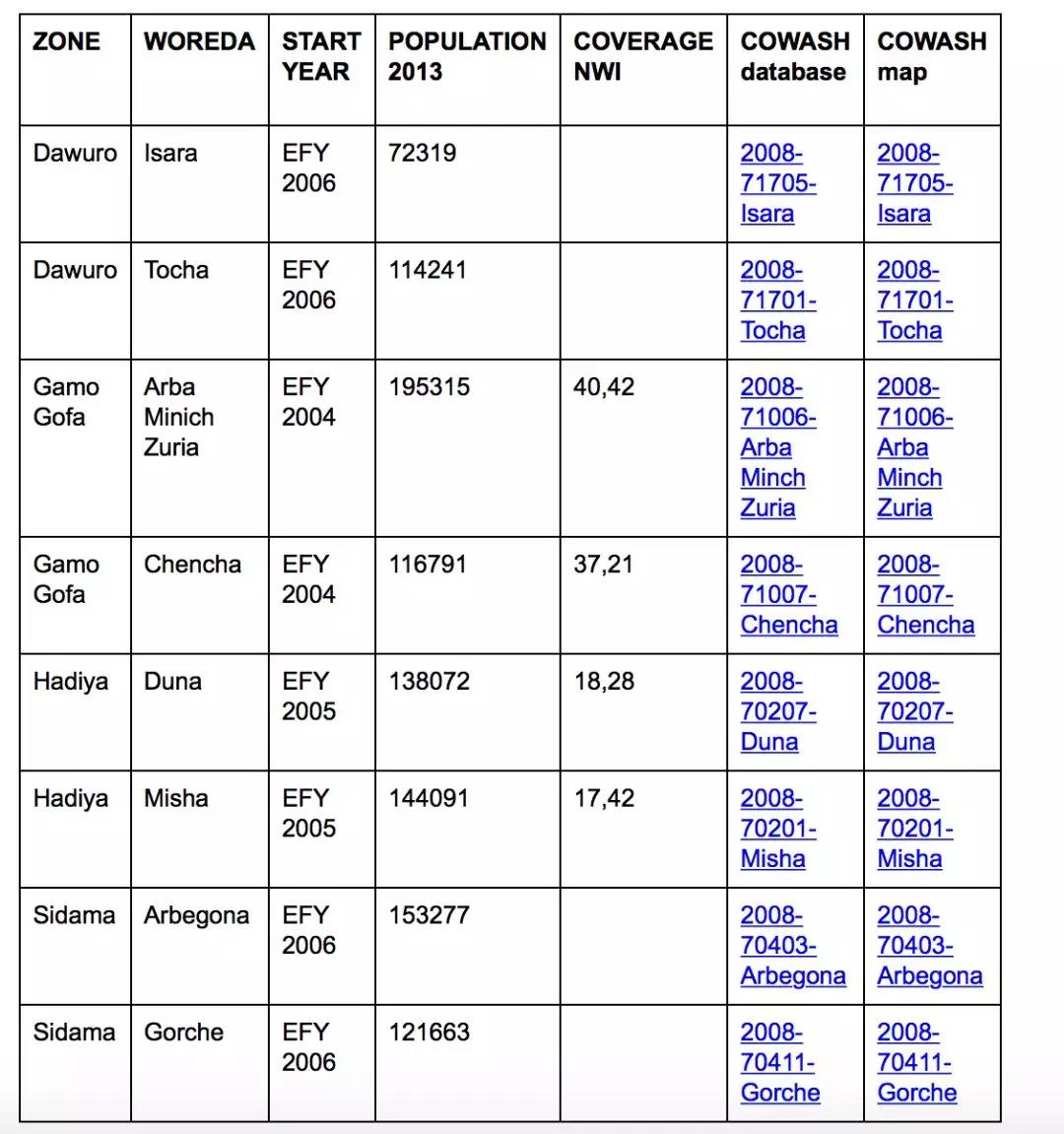
According to the most recently updated map from 90+ Company, the SNNP region has 8 sub-regions:
Ninety Plus: Revolutionizing Premium Coffee
In 2006, Joseph Brodsky founded Ninety Plus (90+) Company.
90+ works on a cooperative model with local estates, maintaining complete control from planting, sampling, and harvesting through to processing and cupping. 90+'s exclusive Profile Processing ensures each released bean shows a unique and stable flavor profile and quality. 90+ coffees are marketed much like premium wines, which makes them truly distinctive.
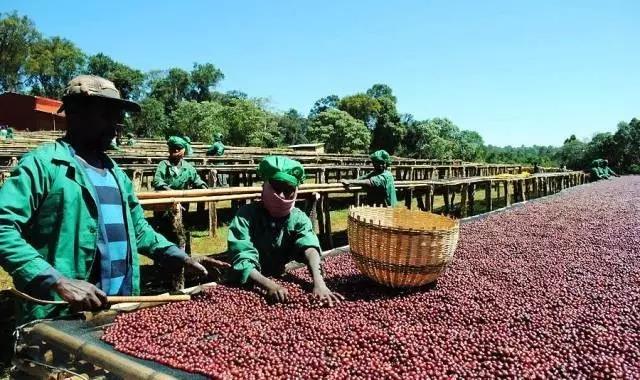
90+ began by selecting the most outstanding cherries from various Ethiopian coffee farmers, focusing first on processing methods to apply the most refined treatment to existing premium beans. This led to the debut of their earliest renowned representative beans: Aricha and Beloya. The results of these experiments were astounding - the rich fruit flavors and high quality shocked the entire specialty coffee community.
Later, the product line was divided according to more distinct taste differences, into four major series: NinetyPlus Ethiopia, NinetyPlus Panama, Ninety Levelup, and NinetyPlus Limited.
Drima Zede: Premium Quality at Accessible Pricing
Drima Zede first appeared in the public eye as a 90+ sub-brand, offering approachable pricing.
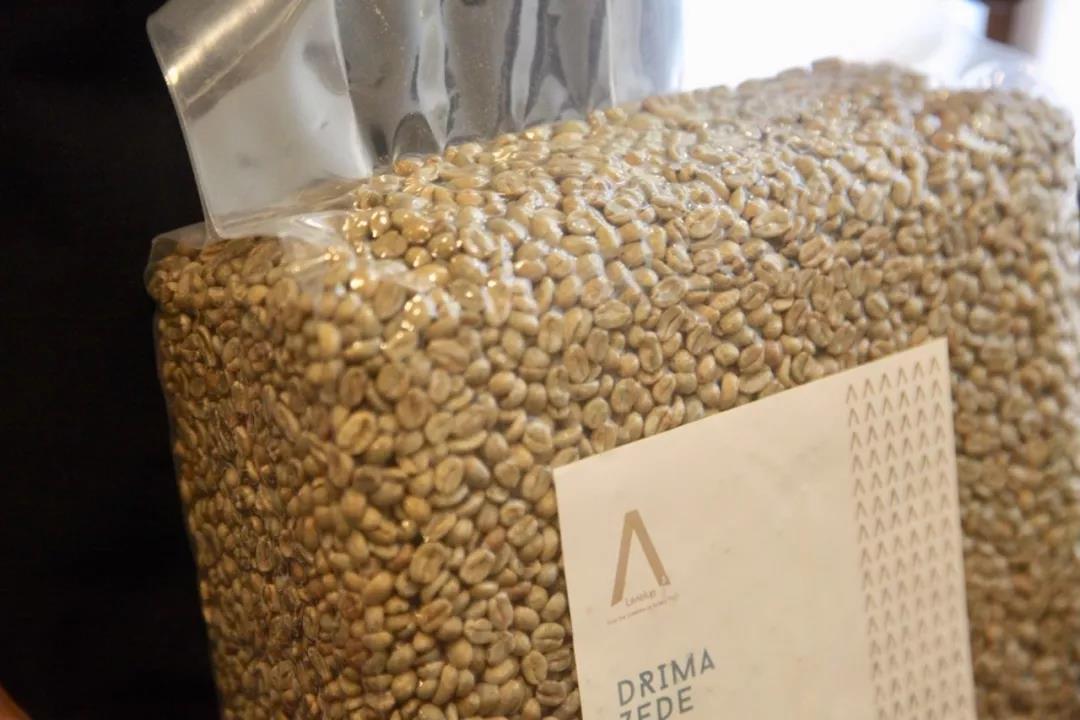
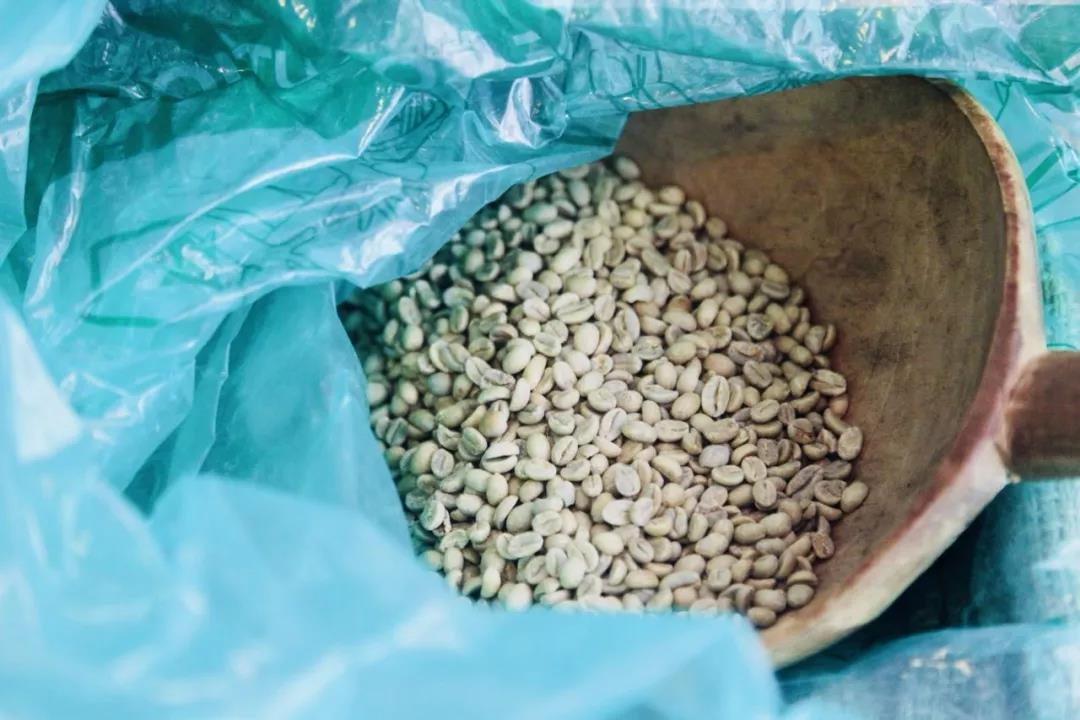
Drima Zede green beans look slightly grayish, with some areas large and coarse and others fine. Its acidity has both gentle and intense sides, the body sits in a pleasant balance between rich and light, and it offers sweet and spicy notes.
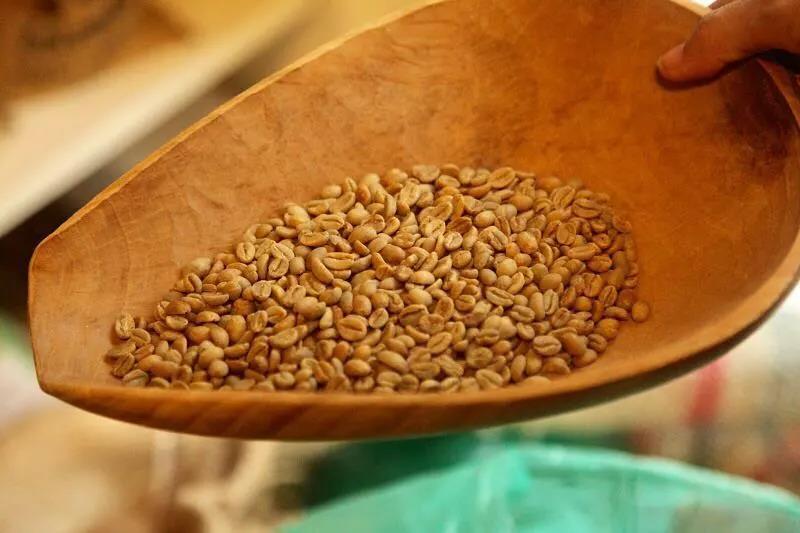
Unlike typical African coffees, Sidamo features clear fruit acidity, a smooth mouthfeel, and delicate floral and herbal aromas. It carries subtle citrus notes along with oak barrel and vanilla aromas, while tropical fruit flavors such as nectarine are more pronounced.
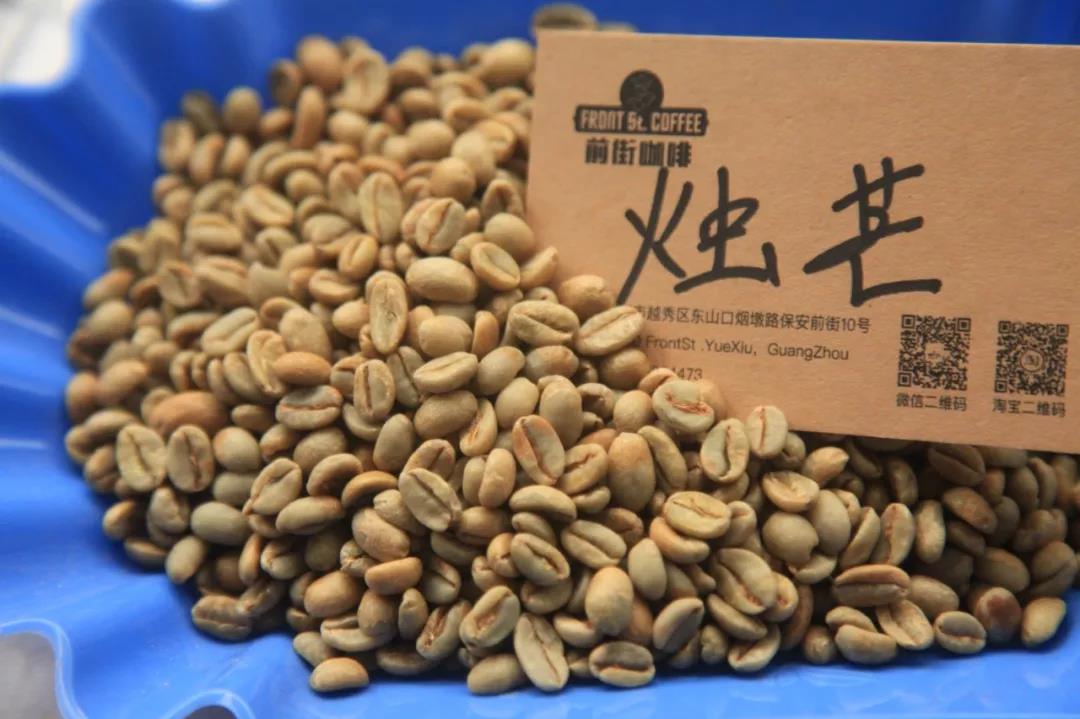
Roasting Analysis: Drima Zede vs. Huang Kui
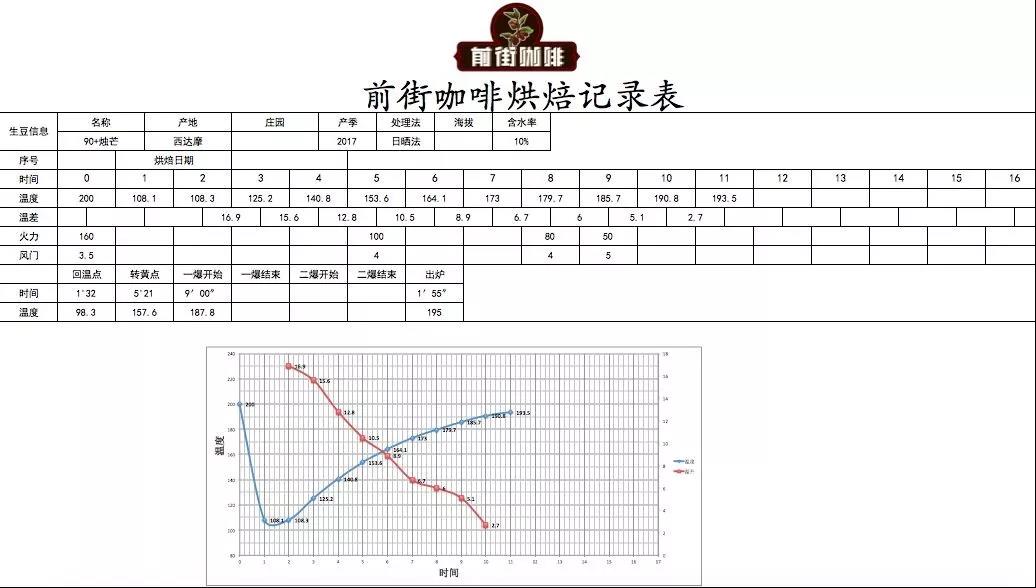
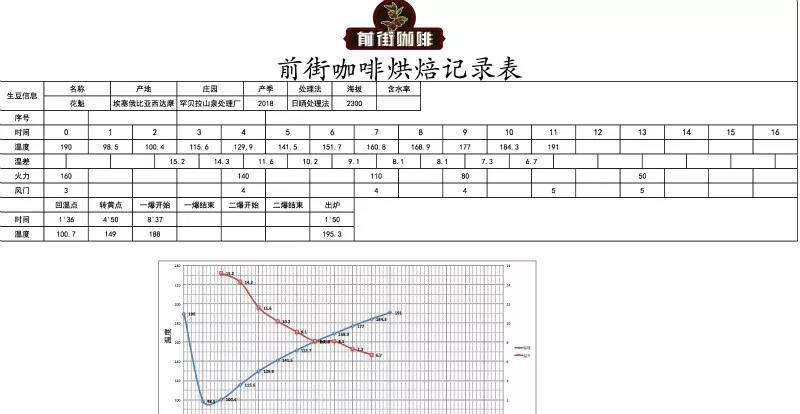
How are the roasting curves for "Huang Kui" and "Drima Zede" adjusted?
Both "Huang Kui" and "Drima Zede" belong to Ethiopia Heirloom varieties, with green beans of varying sizes that still show some differences.
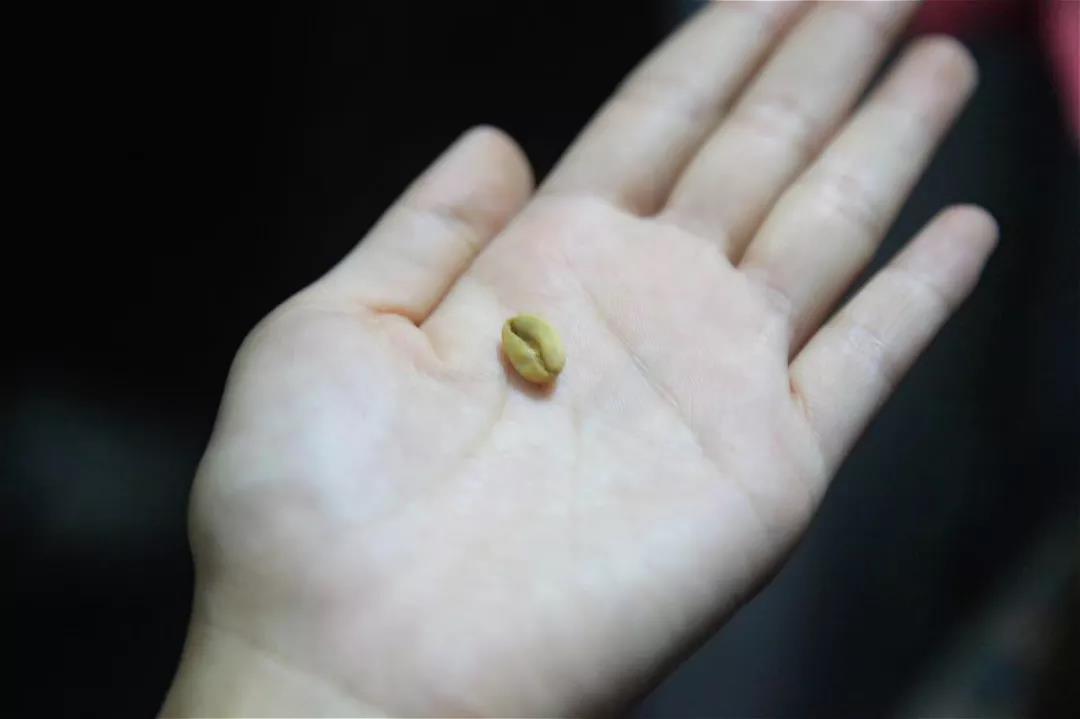
"Drima Zede" has more pointed ends and a good moisture content of around 11%. It is not the extremely hard SHB-type bean, however. Because of the beans' high density and hardness, the initial dehydration phase is extended.
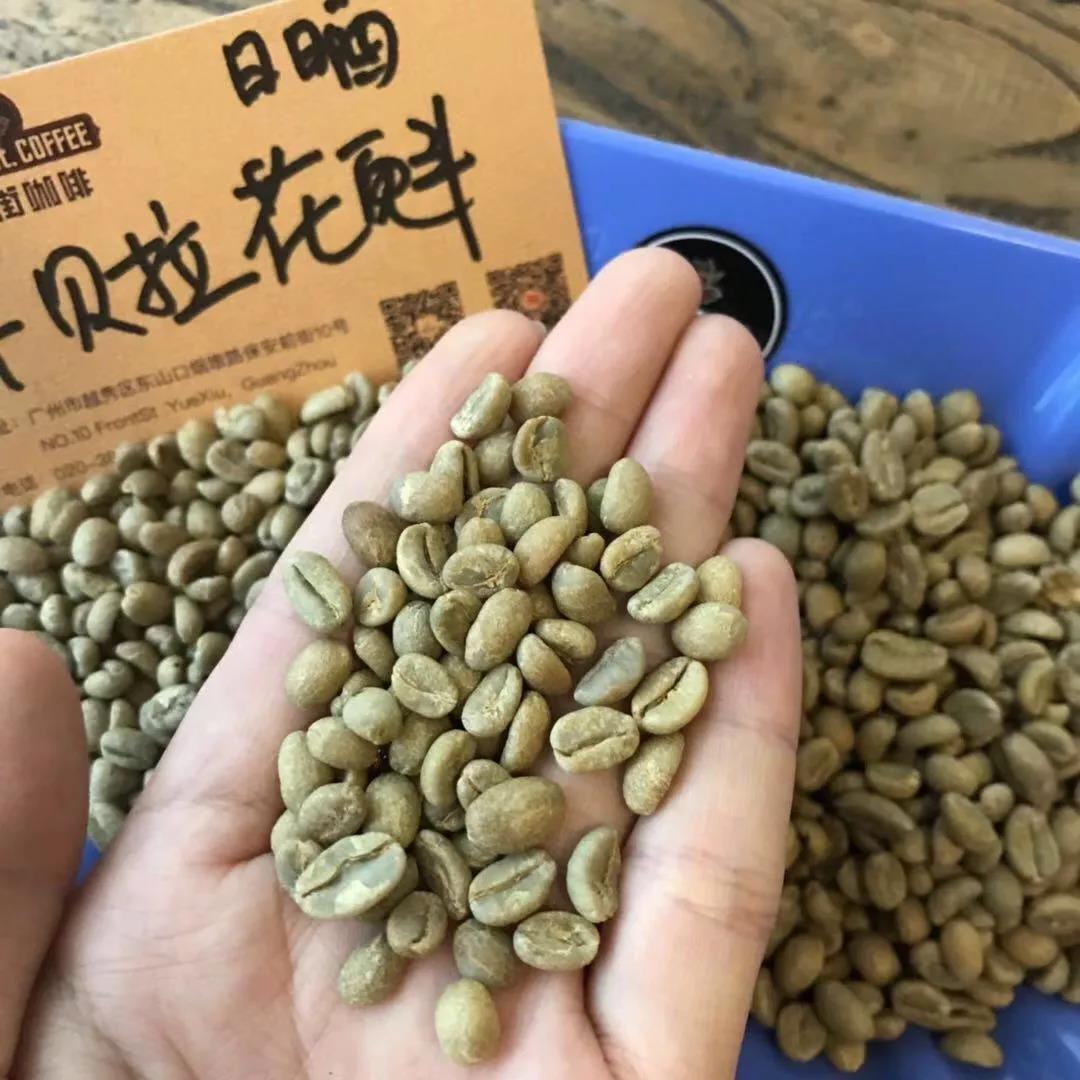
"Huang Kui 2.0" is more uniform, with a rounder appearance and very small beans, mostly between 14-15 mesh - smaller than Longberry varieties - with a greenish-yellow hue.
Cupping Results from FrontStreet Coffee
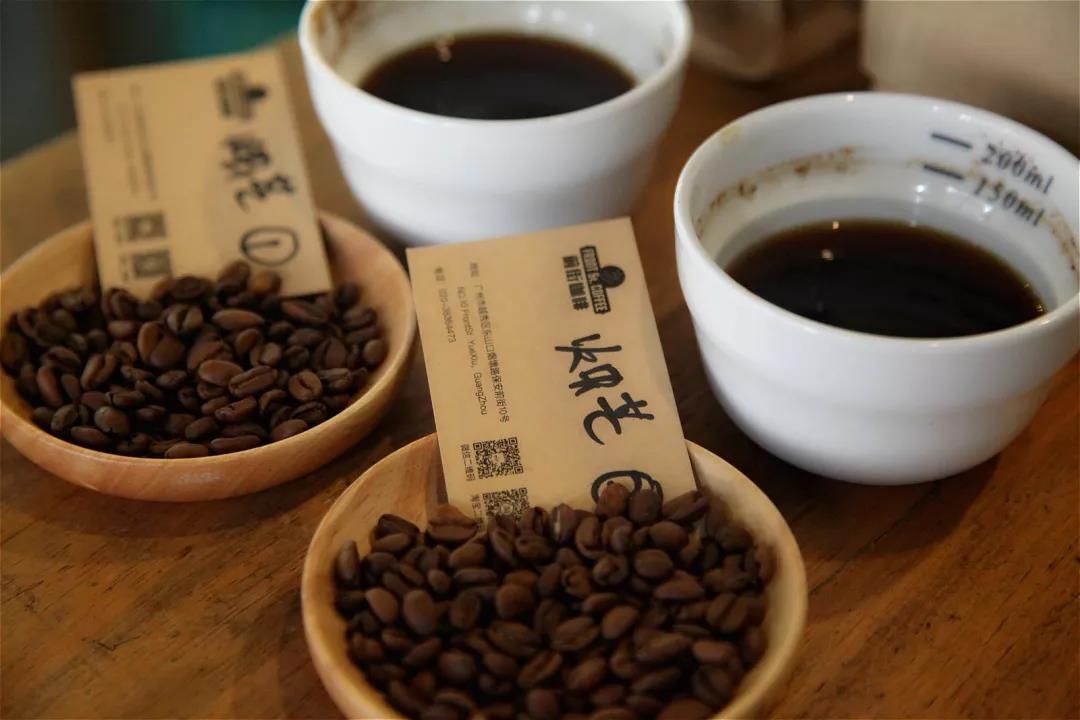
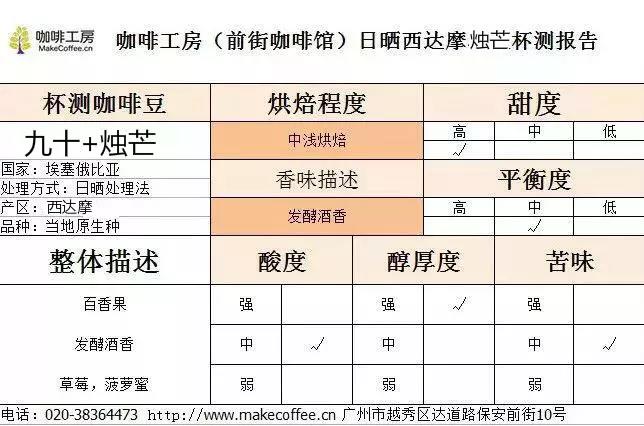
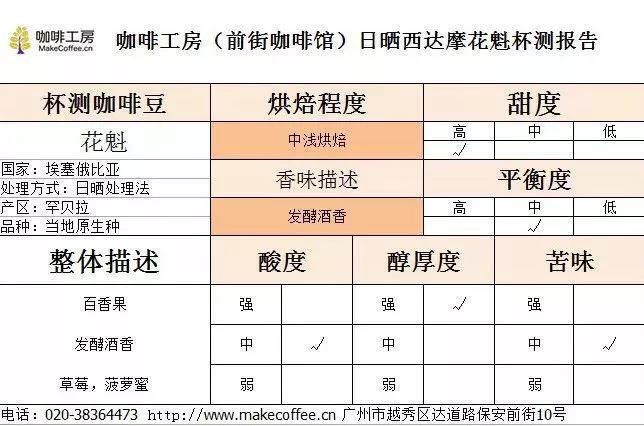
FrontStreet Coffee's cupping results are as follows:
"Huang Kui": The wet aroma shows distinct, strong green tea and floral notes. When slurped, it reveals aromas of green tea, strawberry, jasmine, lime, and sugarcane. The mouthfeel is light and clean, with soft, refreshing acidity. The finish is somewhat lacking, though, leaving only a sweet sensation in the mouth. It drinks very lightly, more like a fruit tea than a coffee.
"Drima Zede": The wet aroma features yellow lemon, floral notes, and black tea, with distinct citrus character. When slurped, it reveals black tea, yellow lemon, caramel, and jasmine aromas. The flavors become richer and more robust at this roast level. The initial acidity is more elegant, sweetness is perceived more quickly and is higher, with fermented wine notes, cream, tropical fruits, jackfruit, and nectarine, creating a more balanced flavor profile.
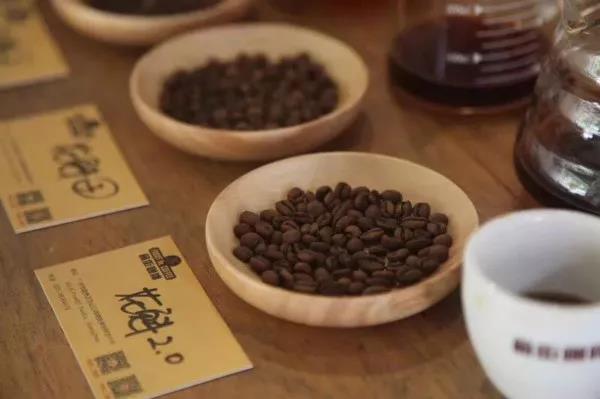
Final Cupping Analysis
FrontStreet Coffee's baristas found the clearest flavors to be:
Drima Zede: Nectarine, jackfruit
Huang Kui: Strawberry jam
Brewing Recommendations
As for brewing methods, pour-over and siphon are optimal. While grinding, you can smell the intense sun-dried fruit aroma with evident sweetness.
A good cup of coffee is essentially defined by balanced sweet-sour-bitter flavors and a smooth mouthfeel. Filter cups are designed to highlight those characteristics, and different filter cups present different styles when brewing coffee.
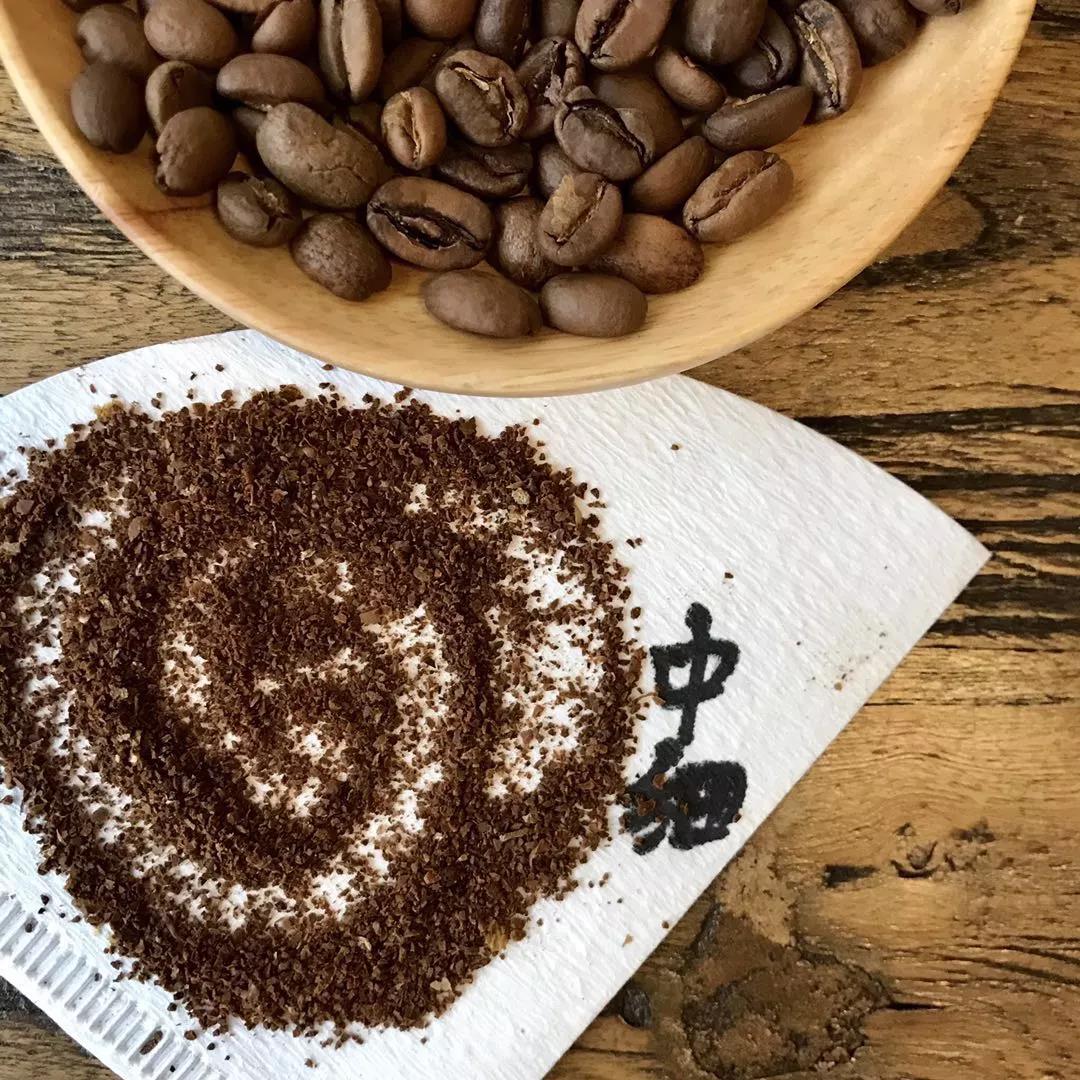
The beans used this time were Drima Zede, medium-light roast, on day 7 of the resting period.
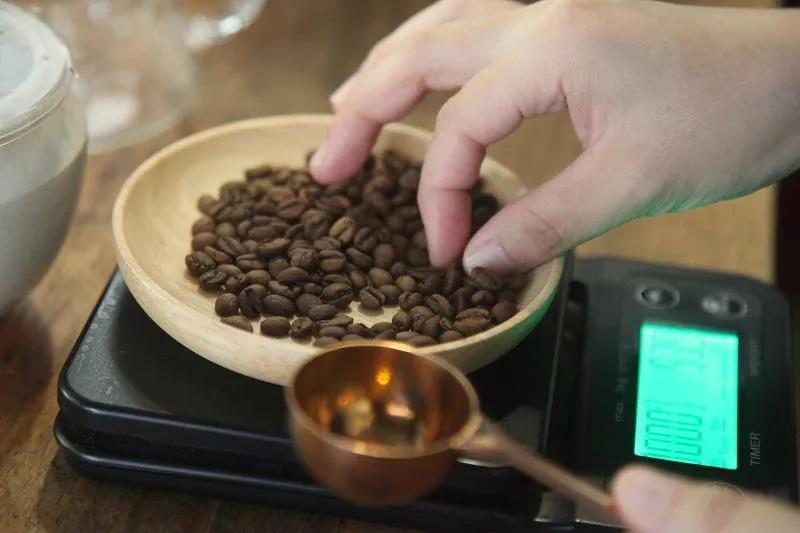
FrontStreet Coffee's barista chose a resin V60 filter cup, letting the coffee display richer acidity changes from hot to cold, which makes the cup more refined. The resin material can also enhance aroma intensity.
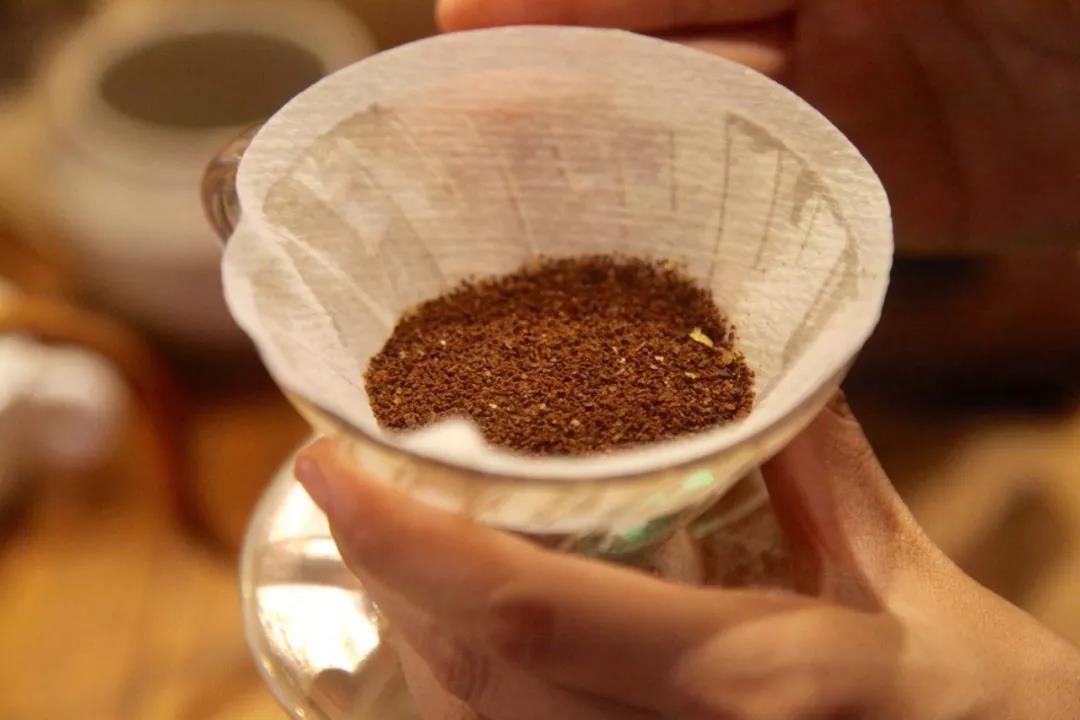
Filter Cup: Hario V60 Transparent Resin
Grind Setting: Small Fuji 3.5
Water Temperature: 90°C
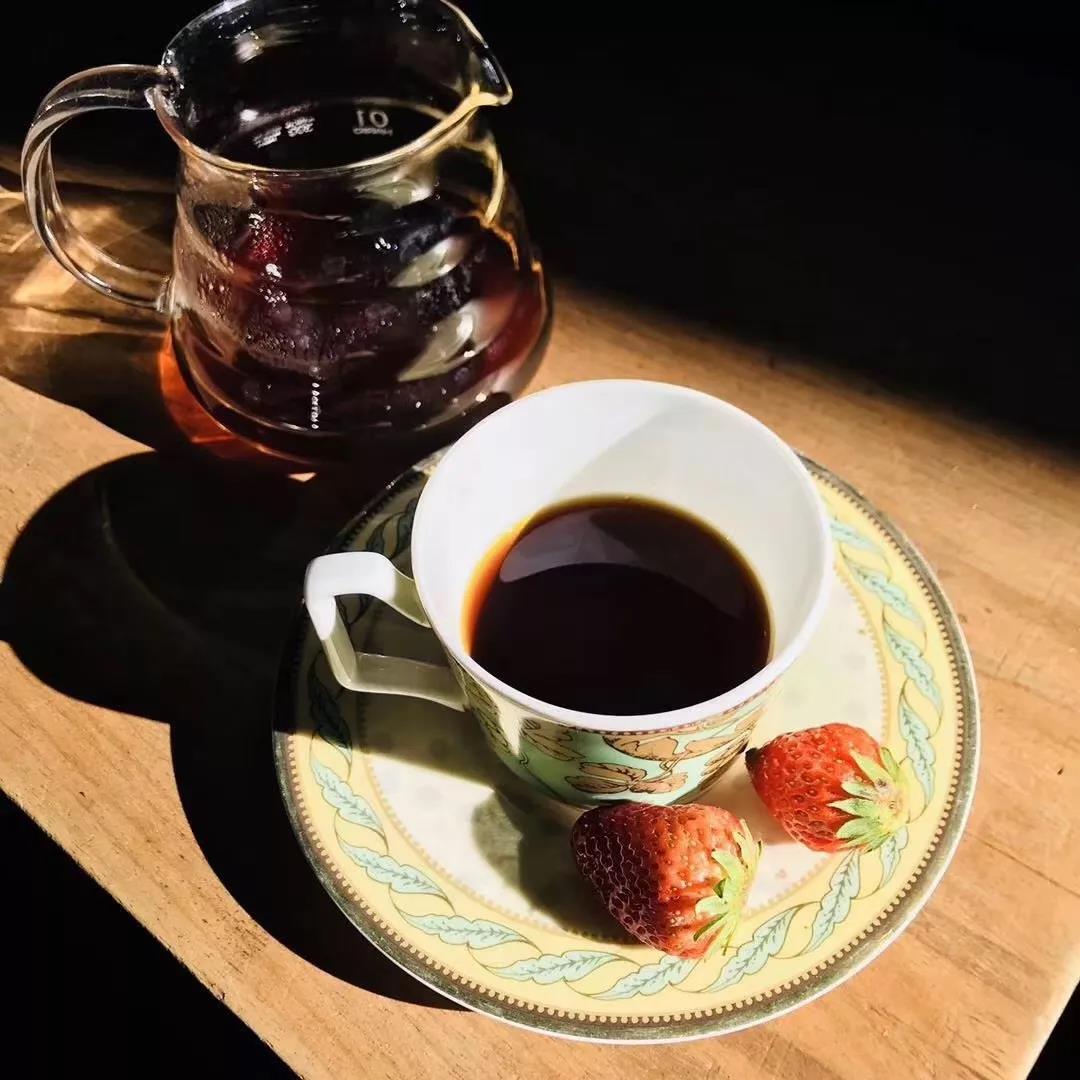
Pour 25g of water for a 30-second bloom, segment when reaching 120g of water, and finish brewing at 225g, then remove the filter cup. The initial stage reveals nectarine and berry flavors along with some sugarcane aftertaste, creating rich layers.
Total Time: 2 minutes 5 seconds
FrontStreet Coffee Recommendation
This comparison of Guji and Sidamo coffees shows how much a single region and processing method can shape an Ethiopian cup. If these bright, fruit-forward profiles are what you love, FrontStreet Coffee's Ethiopian lineup is the place to start. The FrontStreet washed Yirgacheffe daily coffee is the classic introduction to the region, prized for its white jasmine florals, bright citrus and lemon acidity, and clean, tea-like body - and the FrontStreet Gedeb cooperative coffee takes that same clarity to a higher level, with citrus and lemon notes and elegant white florals.
For drinkers who gravitate toward the natural, fermented-fruit style of a coffee like Huang Kui, FrontStreet Coffee's natural Red Cherry Yirgacheffe is made entirely from fully ripe red cherries dried on raised beds, keeping the region's floral lift while adding berry juiciness, honeyed sweetness, and a creamy smoothness. On pour-over or siphon, it opens up exactly the layered, sun-dried fruit aromas described above.
Important Notice :
FrontStreet Coffee is a long-established specialty coffee roaster in Guangzhou China, selling freshly roasted beans from its own farm in Yunnan as well as dozens of carefully selected single-origin beans from around the world for both pour-over and espresso. The products deliver consistently excellent quality and great value, with shipping within 24 hours. Guangzhou's FrontStreet Coffee shop is recommended by many coffee lovers, and the beans are now available online at the Tmall 。
FrontStreet Coffee has moved to a new address:
FrontStreet Coffee Address: 315,Donghua East Road,GuangZhou
Tel:020 38364473
 Scan and follow the En Gafei WeChat official account. Please indicate that the reprint comes from "En Gafei".