
How to Drink Yemeni Matari Coffee, Once Reserved for Royalty: An Introduction to Yemeni Matari Coffee Names and Grades

Yemeni Coffee - Mattari
Ethiopia may be the birthplace of coffee, but Yemen was the first Arab country to cultivate it. Today Yemen still farms coffee with traditional methods barely changed since around 1600 AD. Coffee grows at altitudes of 3,000-7,000 feet, and irrigation systems built 400 years ago remain in use, collecting rainwater and distributing the limited supply evenly. Because water is scarce, all Yemeni coffee is processed as a natural, sun-dried.
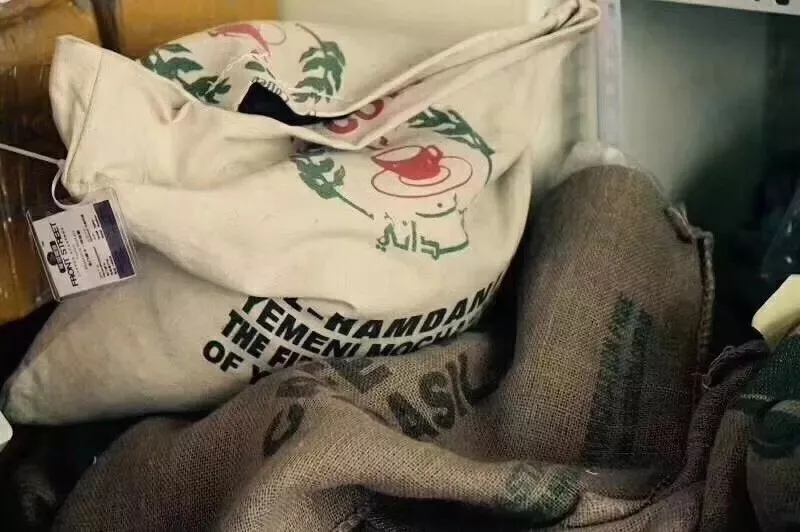
The name "Mocha" comes from the port through which early Yemeni coffee was shipped. Though the port closed in 1800 AD, "Mocha" stuck as a coffee name.
Yemen's two most famous types are Mattari and Sanani. Mattari is richer, with a cocoa character; Sanani is wilder, with fruity acidity.
Names / Grades fall into the following types:
Mocha (Mattari)
Sanani
Yemen Mattari Coffee
From one of the oldest coffee origins on earth, Yemen Mattari Mocha carries a mysterious air. Its spicy, faintly wine-like character gives the cup an intensely exotic taste: smooth, sweet, and gently bitter on entry, with strong chocolate flavor throughout. A coffee of unique character and rich flavor, well worth seeking out.
FrontStreet Coffee Yemeni Coffee Brewing Analysis
Pour-Over Reference

Use a V60 dripper, 15g of coffee with 30g of water for a 35-second bloom, extracted at 89-90°C with a 1:15 ratio and a medium-fine grind (Fuji 3.5). For the second pour, add water to 140ml and stop; once the level drops, pour again slowly and evenly, keeping the level from climbing too high. Add water to 225ml and stop. Extraction time: 2:00.
During brewing, it quickly brings out the attractive aromas of fruit and spices. After tasting, you can feel the chocolate-rich and creamy texture.
FrontStreet Coffee Recommendation
Yemen may have carried coffee into the world, but Ethiopia is where the coffee tree was born — and FrontStreet Coffee's Ethiopian beans let you taste that origin directly. The washed Yirgacheffe is the classic entry point: clear jasmine florals and bright citrus acidity over a light, elegant, tea-like body — like a clean, refreshing lemon tea — grown in a southern highland town where spring-like weather, fog, and thousands of coffee varieties give Yirgacheffe its singular character.
If you love the natural, wine-and-spice side of Yemeni Mattari, go for the sun-dried lots instead. The FrontStreet Huakui from Hambella, Guji — whole cherries dried 21 days on raised beds and hand-sorted every three to five days — shows light fermented wine aroma, florals, citrus, and mango with honey sweetness, cocoa, and a touch of spice over a thick body and long finish. Or try the Hamaxiu lot from the same region: built on JARC 74-series disease-resistant varieties, its 74158 beans perfume the grinder with perfumed lemon, strawberry, and starfruit, then pour sweet notes of strawberry, starfruit, and green grape before a gentle floral rise.
Important Notice :
FrontStreet Coffee is a long-established specialty coffee roaster in Guangzhou China, selling freshly roasted beans from its own farm in Yunnan as well as dozens of carefully selected single-origin beans from around the world for both pour-over and espresso. The products deliver consistently excellent quality and great value, with shipping within 24 hours. Guangzhou's FrontStreet Coffee shop is recommended by many coffee lovers, and the beans are now available online at the Tmall 。
FrontStreet Coffee has moved to a new address:
FrontStreet Coffee Address: 315,Donghua East Road,GuangZhou
Tel:020 38364473
 Scan and follow the En Gafei WeChat official account. Please indicate that the reprint comes from "En Gafei".

