Introduction to Bolivian Coffee Perdo Rodriguez - Characteristics, Flavors, and Stories of Bolivian Coffee Beans

When it comes to Pedro Rodriguez from Bolivia, he is virtually a household name in the specialty coffee industry, almost considered the beacon of hope for Bolivia's coffee revival. Numerous specialty coffee brands, such as Intelligentsia, eagerly compete for his beans every year, and Miki Suzuki, the representative competitor from Japan's Maruyama Coffee, used Geisha from Rodriguez's estates to win the championship in Japan and subsequently secure second place at the 2017 World Championship.
Speaking of Bolivian Geisha, FrontStreet Coffee must mention a Java coffee bean we recently cupped. Java can be considered a cousin variety to Bolivian Geisha, giving off distinctive and elegant flavors with delightful sweetness and acidity and a cream-like smooth mouthfeel.
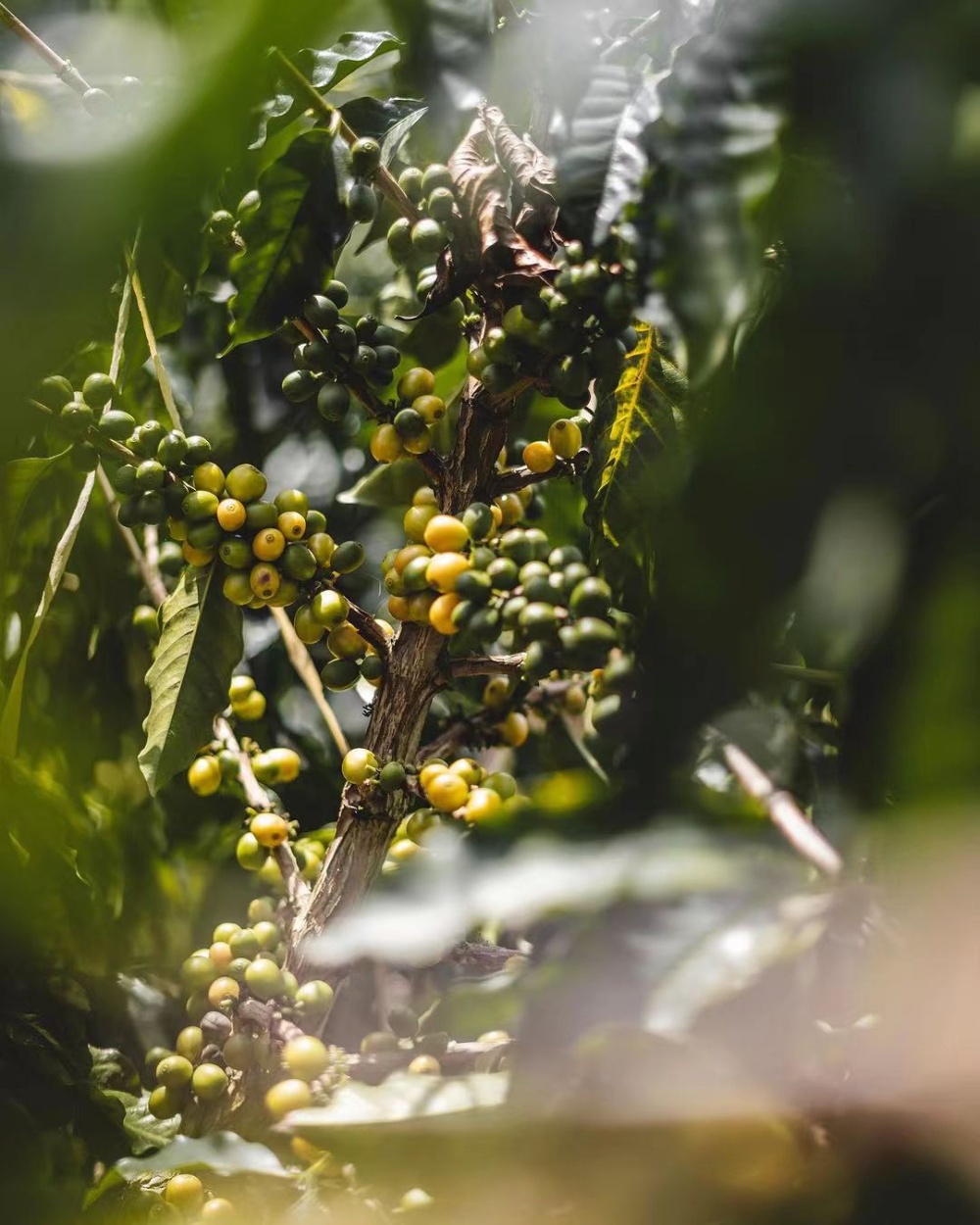
Bolivia
Bolivia is a landlocked country in South America bordering Brazil. It has diverse terrain, from the high peaks of the Andes to vast salt flats, with an average elevation exceeding 3,000 meters. The constitutional capital is Sucre, while the actual seat of government is La Paz, which sits above 3,600 meters and is the world's highest capital city. The high altitude gives coffee cultivation a significant advantage, yet Bolivia's coffee industry remains relatively weak, with an annual production of only 223,000 bags (60 kg each).
The low production has several causes. First, transportation is inconvenient: coffee-growing areas often have rugged, dangerous roads that make it difficult to move coffee out. The North Yungas Road is recognized worldwide as the most dangerous road, basically hugging cliff edges without guardrails, with frequent accidents on foggy days. Hundreds of people die in traffic accidents here every year, earning it the nickname "El Camino de la Muerte" (the Road of Death). The harsh conditions also create enormous difficulties for coffee transport. In recent years the Bolivian government has recognized the importance of safe transport for exports and is investing heavily in road construction.
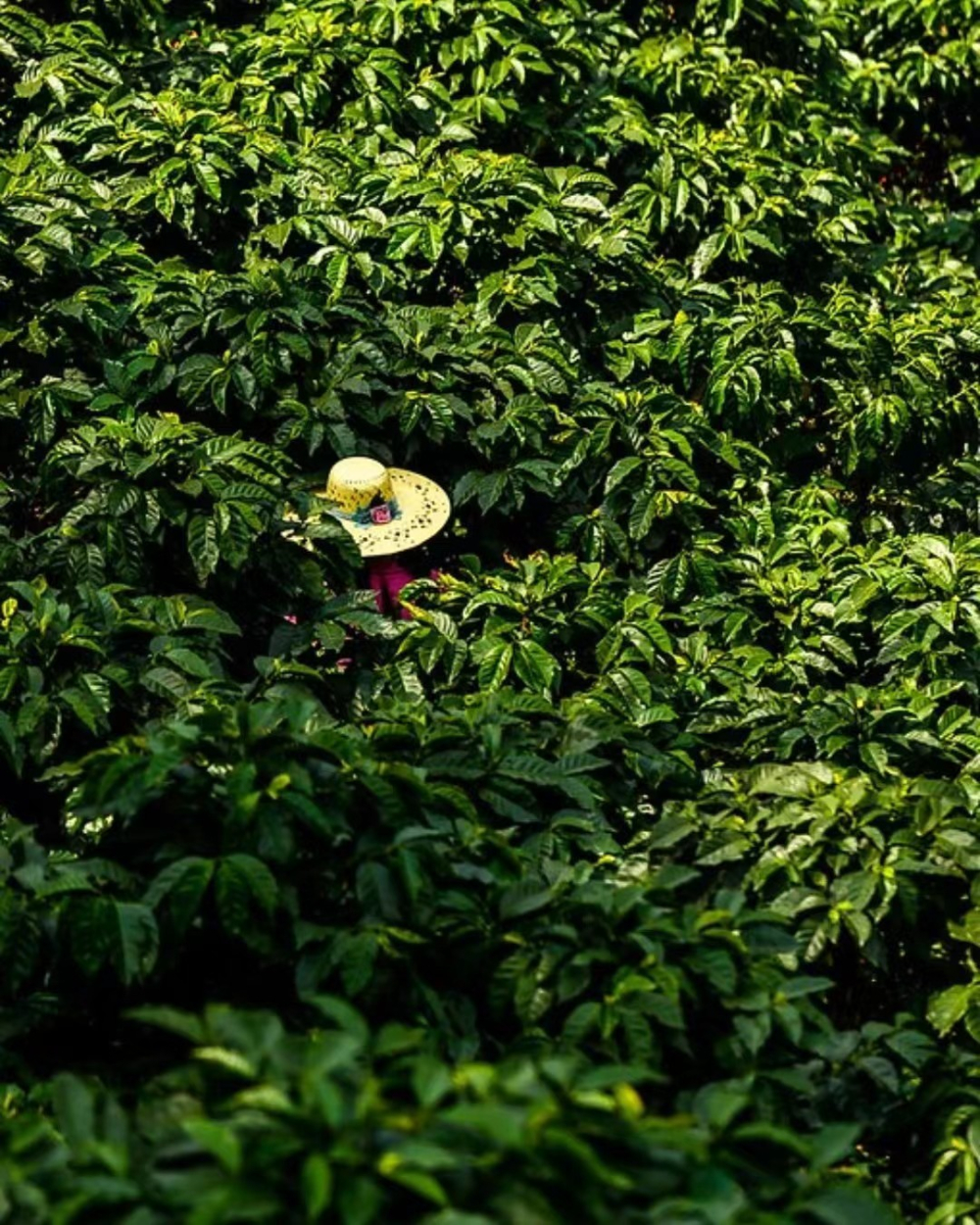
Another important factor is Bolivia's small population of only 10.5 million, many of whom live in poverty. Growing coca leaves (used for drugs) offers more guaranteed returns, causing many farmers to abandon coffee cultivation and even give up their farms entirely. Coca cultivation requires extensive chemical pesticides and fertilizers, causing significant soil damage. Additionally, when leaf rust struck in 2013, Bolivia lost 50% of its coffee production in a single year, directly reducing it to a minor coffee-producing nation.
Bolivian Coffee Development History
In 1880, Bolivia had substantial coffee production, primarily on large farms north of La Paz.
In 1991, the government promoted a plan to encourage indigenous people to grow coffee, but did not emphasize coffee quality. The government's encouragement of coca leaf cultivation, which yields four times the profit of coffee, caused many farmers to abandon coffee and even give up their farms entirely.
In the early 2000s, the United States strongly supported Bolivian agriculture, but because the Bolivian government supported coca cultivation, relations with the U.S. deteriorated, and coffee farmers suffered the most. Subsequently, under Bolivia's restoration of limited anti-drug operations, many beneficial coffee development programs were restarted, such as the Cup of Excellence (COE), held with USAID support.
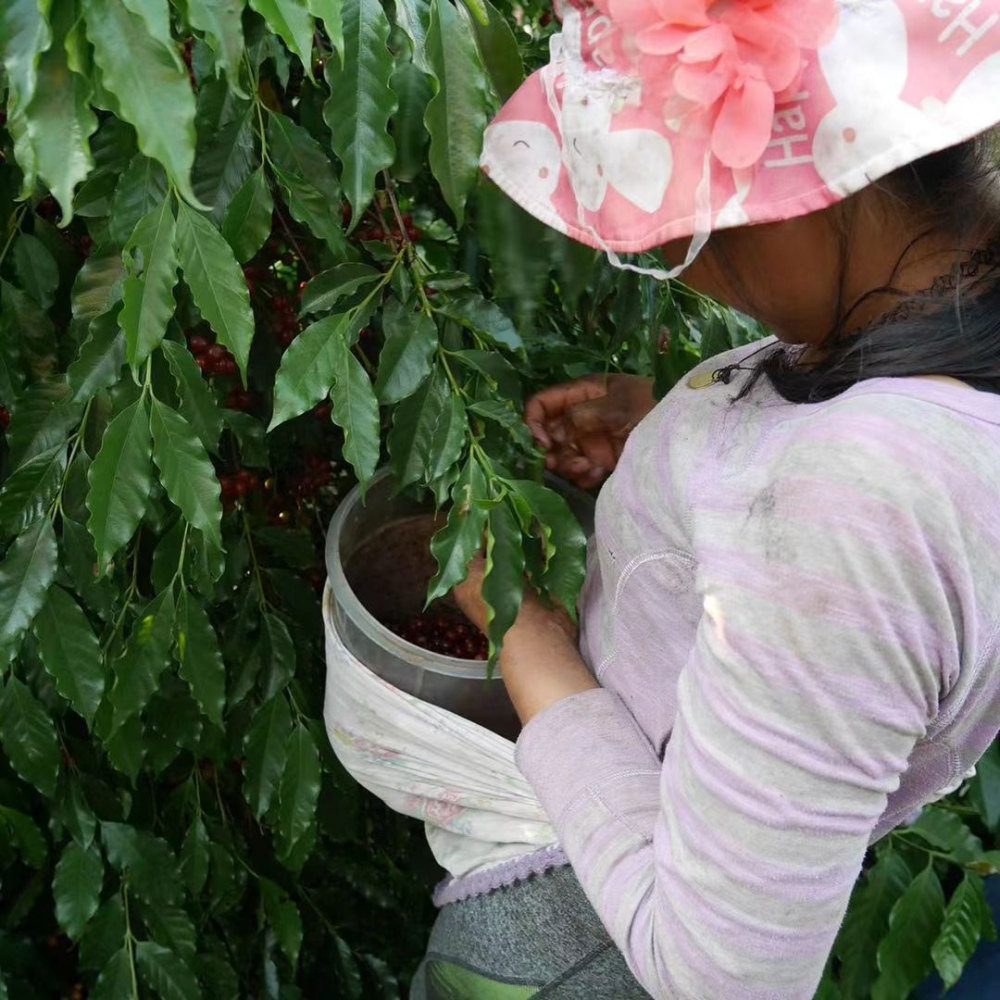
In 2004, the Cup of Excellence was held in Bolivia, where 13 specialty coffees scored above 84 points in cupping, with the champion bean reaching 90.44 points, causing green bean prices to rise accordingly.
In 2009, Bolivia participated in the COE competition for the last time. Due to political factors, Bolivia has not returned to COE to this day.
In 2013, leaf rust struck, combined with the government's coca leaf policy, causing Bolivia's coffee production to fall by 70% over the previous decade and reducing it to a minor coffee-producing nation.
In 2018, Bolivia signed a quality inspection agreement with China regarding Bolivian coffee exports.
In 2019, Bolivia's political turmoil once again made everything uncertain, as the coup paralyzed cities and made coffee exports extremely difficult.
Cultivation Model
Bolivian coffee can typically be traced back to single farms or cooperatives. Because of land reform, the number of large landowners has fallen significantly since 1991. The 23,000 coffee-producing families in Bolivia grow coffee on small farms ranging from 1.2 to 8 hectares.
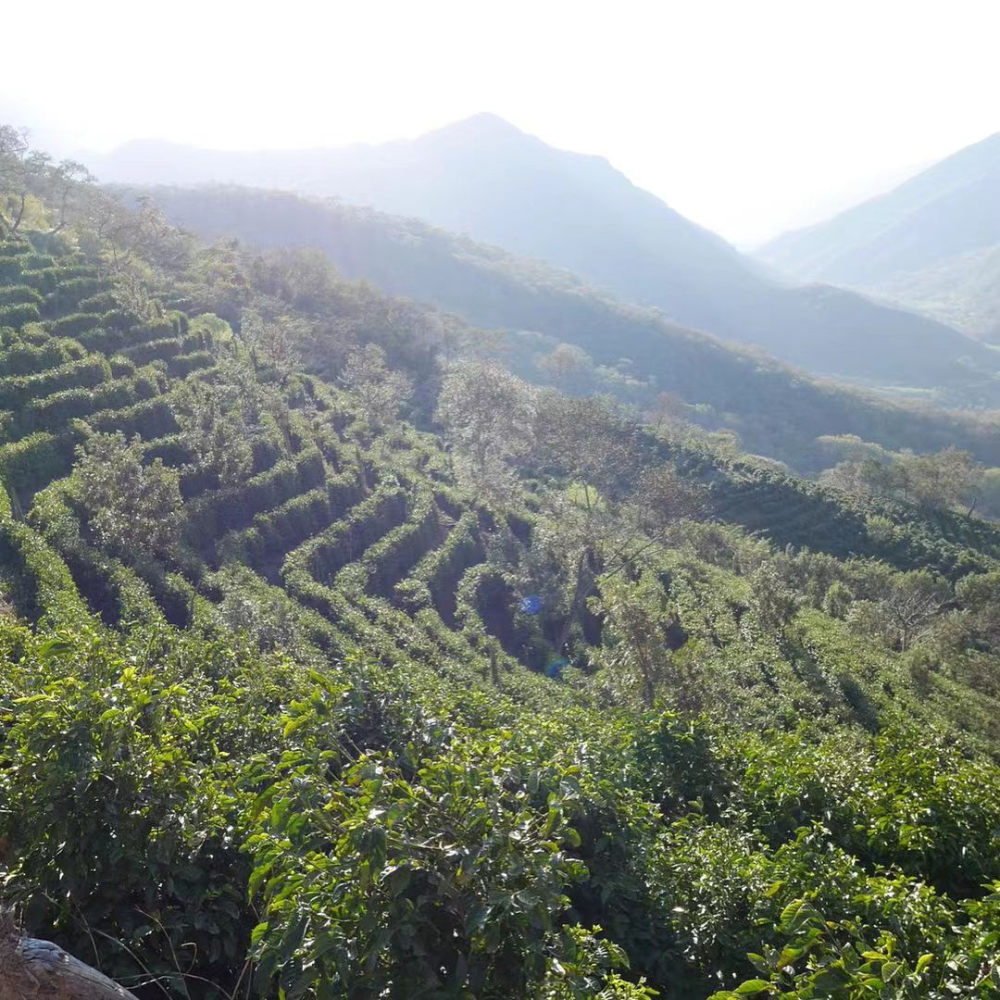
Coffee Growing Regions
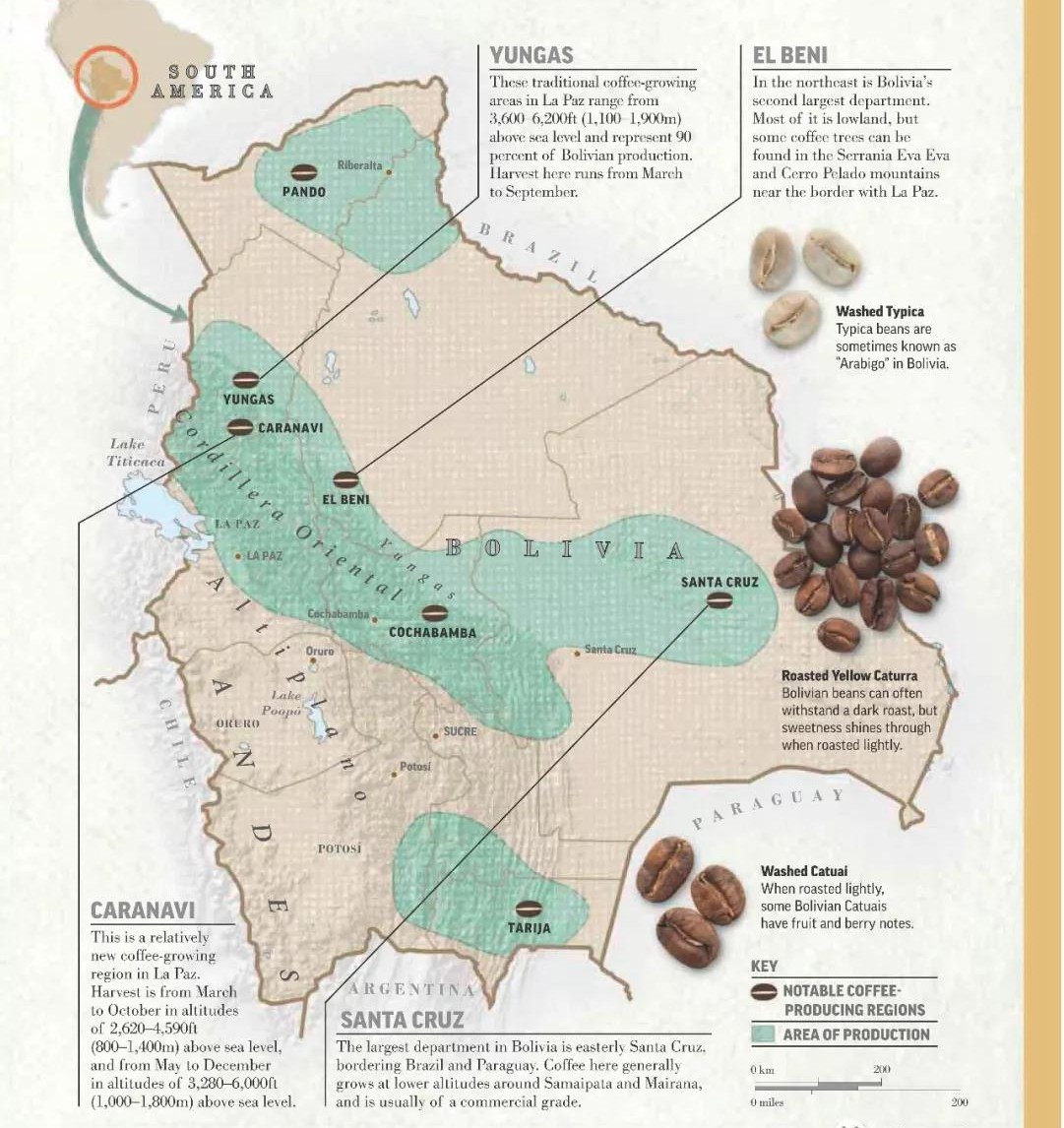
Bolivia's main coffee-producing region is Yungas, with cultivation altitudes between 800 and 2,300 meters and harvest periods from July to November. 95% of Bolivia's coffee comes from this region. Yungas sits on the eastern side of the Andes and is covered by forests that extend from Peru through Bolivia into Argentina. It features some of the world's highest-altitude coffees and is Bolivia's oldest coffee-producing region. The government seat of La Paz mentioned earlier is located in the western part of this region.
Besides Yungas, coffee is also grown in Santa Cruz and Beni. Santa Cruz is in the easternmost part of Bolivia, but due to insufficient altitude, high-quality coffee is rare there, and its cultivation accounts for about 3% of the national total.
The Rodriguez Family
The development of specialty coffee in Bolivia can be attributed to the Rodriguez family, who began growing coffee in 1986. Because of policies, natural disasters, and other factors, Bolivia's coffee estates gradually decreased. To develop the coffee industry, the Rodriguez family began acquiring land and establishing new estates to grow high-quality specialty coffee, such as Bolivian Geisha beans.
The Rodriguez family's coffee estates comprise a total of 12 farms, with 4 in Santa Cruz and 8 in Caranavi, La Paz. The estates integrate harvesting, processing, packaging, and export.
"El Sol de Manana" (Tomorrow's Sun), initiated by the Rodriguez family in 2016, is a program to support small farmers in growing high-quality coffee. By providing farmers with more vocational training and knowledge, discounts on the latest coffee seeds and related consultation, and fairer trading prices, while setting up incentives for farmers who cultivate seriously and reach certain cupping scores, the program aims to improve local coffee quality and create a virtuous cycle in which farmer income and quality sustain each other.
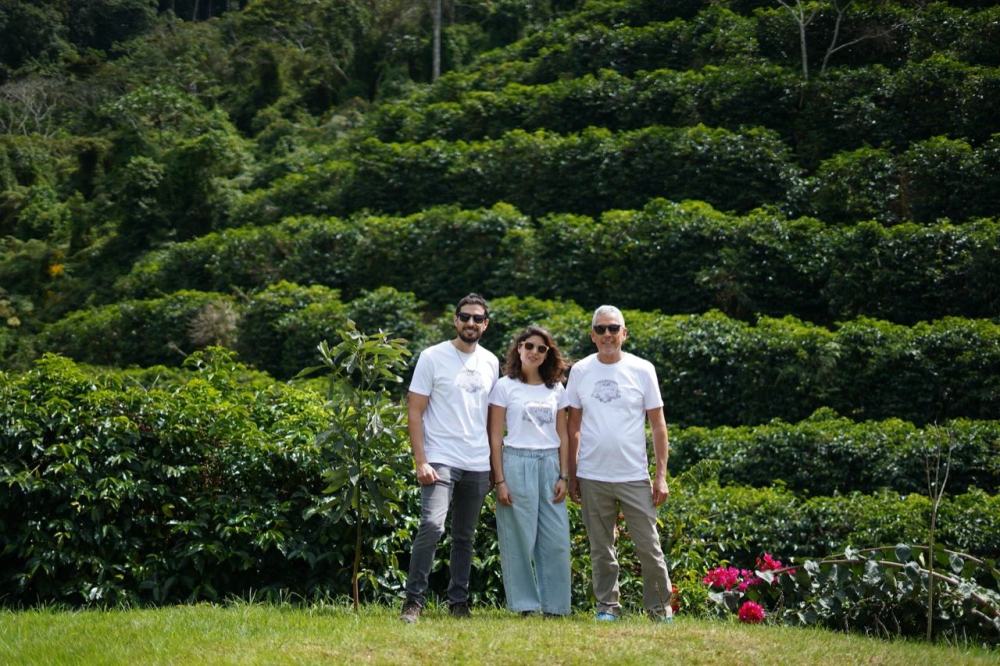
FrontStreet Coffee previously cupped a batch of washed Java Typica beans from the Tomorrow's Sun program, which had rich flavor profiles, gentle strawberry acidity, caramel sweetness, and a slight cocoa and almond aftertaste.
Coffee Varieties
Bolivia's traditional coffee varieties mainly include Typica, Catuai, and Red and Yellow Catuai. With the advance of the specialty coffee wave, many estates have introduced varieties such as Bolivian Geisha, Pacamara, and SL28 over the past two decades. The Rodriguez family's Bolivian Geisha comes from the world-renowned Hacienda La Esmeralda.
Java (Java Nica) comes from a branch of Ethiopian varieties called Abyssinia, a native ancient variety. This branch is actually the same as Geisha, sharing the same origin and the same excellent floral and fruit flavors, which is why Java is often called Geisha's cousin.
FrontStreet Coffee must remind everyone, however, that the Java mentioned here is different from Indonesian Java. Indonesian Java is a designation for a coffee-producing region, while Bolivia's Java is a coffee variety. Moreover, Indonesian Java has lost its innate excellent genes over hundreds of years of circulation, making the two different branches.
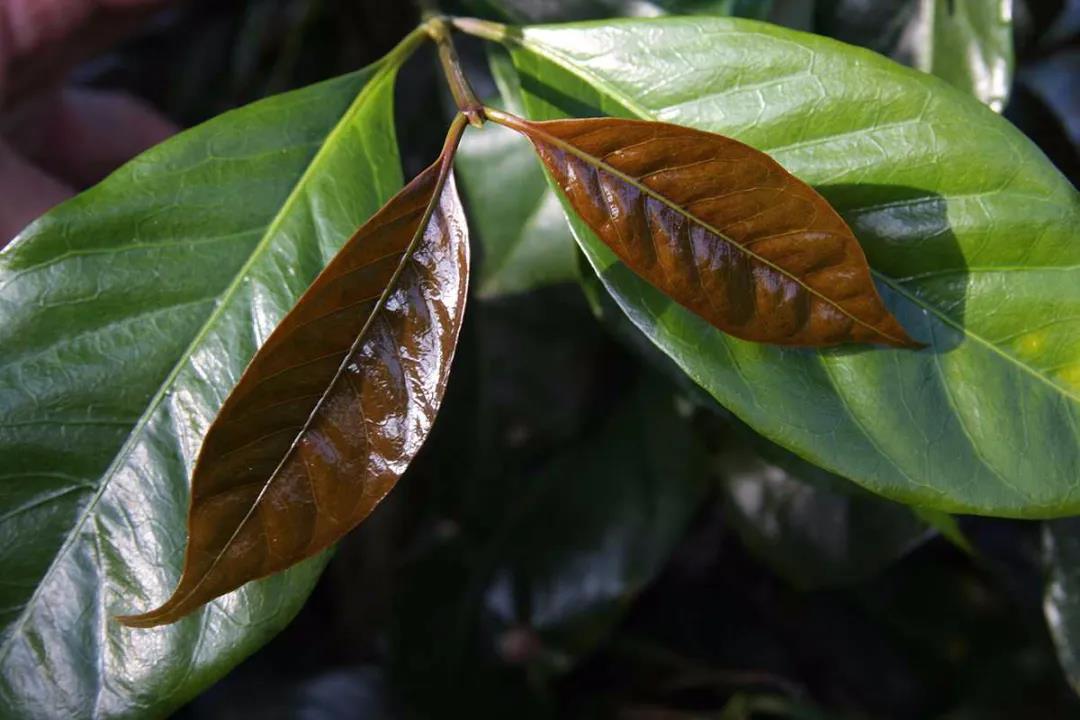
FrontStreet Coffee would like to briefly review how Java came to the Americas. After Indonesia, the Java variety first spread to the nearby Timor island groups, then to Cameroon in East Africa, where it was first released for farmer cultivation in 1980.
In 1991, to provide more variety choices for small coffee growers while also considering conditions such as low fertilizer requirements, CIRAD (the International Center for Agricultural Research and Development) introduced Java to Costa Rica, after which it was brought to various Central and South American countries, where it was found to perform well in flavor at high altitudes.
As Java varieties were cultivated in Central America, the Mierisch family of Nicaragua was the first to draw the specialty coffee market's attention to this variety. To distinguish Indonesian Java coffee from the Java variety, they named the Central American variety JAVA NICA (meaning the Java variety from Nicaragua). Java coffee has emerged in Central and South America in recent years, and upon arriving in Bolivia it has been carefully cultivated by the Rodriguez family.
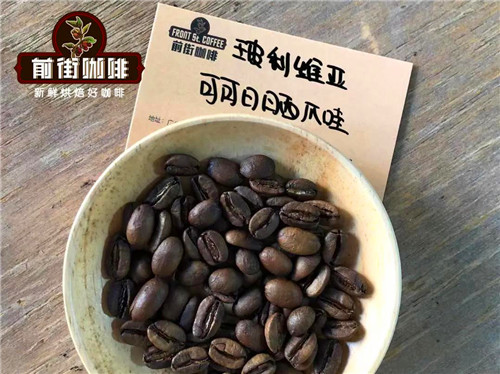
This year, FrontStreet Coffee cupped a Bolivian cocoa natural processed Java bean from the Rodriguez family. It comes from a small estate called Waliki, located in the Bolinda community about 10 kilometers outside the town of Caranavi, La Paz, Bolivia, in dense, steep valleys at altitudes above 1,600 meters. The region's climate is cold, resulting in relatively long coffee cultivation cycles. FrontStreet Coffee provides detailed information about this bean below.
Processing Methods
From the 1990s into the 21st century, thanks to foreign-funded development projects that established coffee washing plants, the vast majority of Bolivian small farmers use traditional washed processing. A few large estates, besides classic methods like natural, washed, and honey, also experiment with special methods such as anaerobic fermentation and yeast, and the Rodriguez family is among them.
As mentioned earlier, FrontStreet Coffee obtained a Bolivian coffee bean using cocoa natural processing, developed by the Rodriguez family. After selection and weighing, the cherries are carefully washed and placed on raised African drying beds, then turned every hour. After about a week, the cherries are placed in cocoa dryers.

Cocoa dryers had never been seen before in coffee processing, but Pedro Rodriguez of the Rodriguez family has been continuously innovating and trying different techniques, discovering that cocoa dryers can dry coffee beans slowly and consistently at low temperatures, thereby reducing the impact of weather conditions.
The beans are placed in large steel barrels at temperatures not exceeding 40°C for about 35 hours, being turned every 30 minutes. After drying, the beans are transported to La Paz for resting, then dehulled at the drying plant. Mechanical dehulling and sorting are performed carefully there, in addition to manual sorting under ultraviolet and natural light.

FrontStreet Coffee: Bolivia Waliki Estate Cocoa Natural Java
Bolivia Waliki Cocoa Natural Java
Coffee Region: La Paz
Growing Altitude: 1,600 meters
Coffee Variety: Java
Processing Method: Cocoa Natural Processing
Roasting Suggestions
To bring out the unique aroma and juice-like characteristics of the Java variety, FrontStreet Coffee adopted a light roasting approach.

Cupping Notes
Dry Aroma: Fermented, Grapes
Wet Aroma: Honey, Floral
Flavor: Grapes, Citrus, Honey, Nuts, Cream

FrontStreet Coffee Recommendation
Java is Geisha's cousin, sharing its floral and fruit character, so if this Bolivian lot has you curious about the family, the most direct comparison is FrontStreet Coffee's Panama Emerald Red Label Geisha. Grown at 1,600-1,800 meters and cupping above 90 points, it shows the elegant jasmine, citrus, and bergamot notes that made Panama Geisha legendary, alongside a clean, translucent body and a long finish. If you would like an accessible everyday version of that Geisha-like profile, the Strawberry Candy blends a honey-processed Costa Rican coffee with Panamanian Geisha, combining delicate florals and sweet fruit and working equally well as a pour-over, in a moka pot or machine, or as a cold brew. Try them side by side with the Waliki Java to taste how the same Abyssinia lineage expresses itself across two continents.
Important Notice :
FrontStreet Coffee is a long-established specialty coffee roaster in Guangzhou China, selling freshly roasted beans from its own farm in Yunnan as well as dozens of carefully selected single-origin beans from around the world for both pour-over and espresso. The products deliver consistently excellent quality and great value, with shipping within 24 hours. Guangzhou's FrontStreet Coffee shop is recommended by many coffee lovers, and the beans are now available online at the Tmall 。
FrontStreet Coffee has moved to a new address:
FrontStreet Coffee Address: 315,Donghua East Road,GuangZhou
Tel:020 38364473
 Scan and follow the En Gafei WeChat official account. Please indicate that the reprint comes from "En Gafei".