Bali Kintamani | Kintamani Volcano Ubud Processing Station | Honey Processed S-795, Typica Flavor Notes
Bali Karana | Kintamani Volcano Ubud Processing Station | Honey Processed S-795, Typica Flavors
Red, fully ripe coffee cherries are harvested and placed in bags for 12 hours of dry fermentation, then transported to Ubud. After manual removal of unripe beans, the entire batch of cherries is spread flat on elevated drying racks for sun fermentation. Depending on weather, temperature, and humidity, each batch requires approximately 21 to 30 days of drying. The cherries must be stirred hourly and defective fruits removed. Finally, the fruit pulp outside the green beans is removed, the parchment shell is stripped away, and defective beans are hand-selected to improve the quality and flavor of the green coffee.
In traditional Balinese culture, coffee was treated as a cheap beverage ingredient, and the flavor and quality of coffee from the region remained unstable or in decline, with most of it becoming cheap commercial beans. Rodney and his partners decided to change the local stereotype of coffee. They chose to open the island's only specialty coffee shop in the cultural center of Bali - the Ubud market area. Rodney and his two partners also earned internationally recognized coffee Q certification themselves.
To guarantee the quality of their own coffee, they are also the only coffee shop in the area with this certification. The shop has two roasters - 1kg and 4kg - and all the coffee it serves comes from high-quality green beans from local or nearby producing regions such as Java, Sulawesi, New Guinea, and Flores. The success of the coffee shop gave them greater motivation to pursue high-quality coffee sources. In previous years, local Balinese green beans were processed by farmers in the Kintamani mountain area, but due to factors such as weather, berry quality, and processing environment each year, they found it difficult to control green bean quality year after year.
Since 2015, Rodney has built his own processing facility in his front yard next to the coffee shop. When the harvest season arrived last year, they went to the Kintamani area at an altitude of 1400 meters to buy high-quality coffee berries. After some initial processing, these were transported to the more stable Ubud area at 800 meters for final processing. This year, Rodney successfully experimented with three different batches - washed, honey processed, and natural processed. The flavors from these three methods greatly exceeded the general batches from the origin. The overall defect rate and uniformity were even more outstanding than specialty beans from Central America. The washed and honey processed varieties had bright and complex acidity, while the natural processed batch showed more ripe peach, pineapple, mango, and other tropical fruit and fruit wine aromas and aftertaste compared with natural batches from Panamanian estates.
Karana's philosophy has received a tremendous response in Bali, but beyond the coffee itself and its business achievements, the team also recognizes local issues in life, education, industry, and culture. Through selling coffee, they give profits back to local village children's educational institutions, contributing to the future education of children by building schools or purchasing educational equipment.
Flavor Description
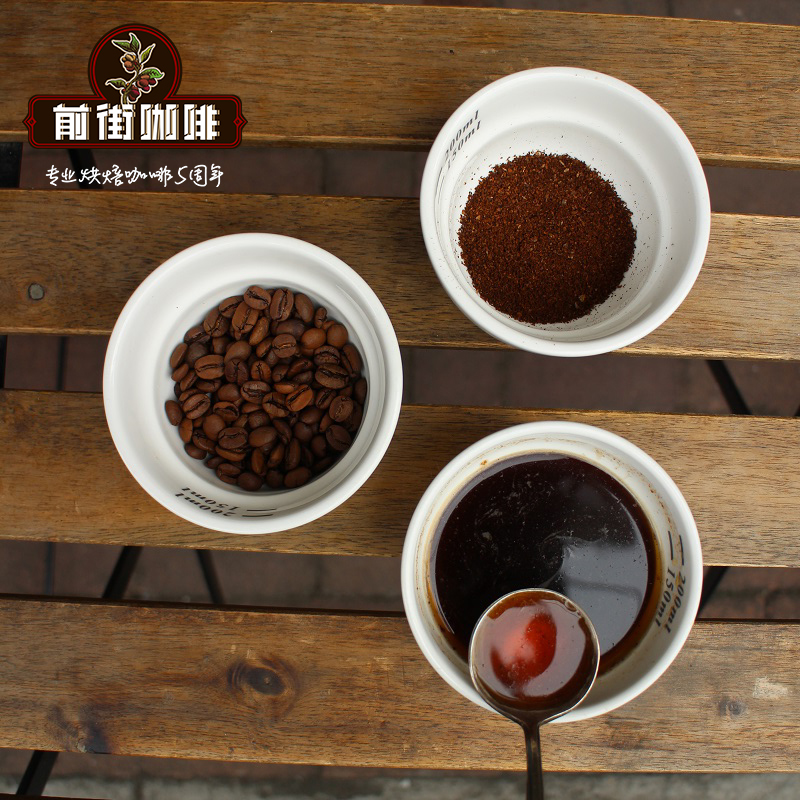
The green beans emit a strong muskmelon aroma and tropical fruit fragrance. On entry the flavor transforms into pineapple and strawberry jam sweetness. At medium to low temperatures it shows smooth and rich acidity, with an aftertaste of handmade brown sugar, refined dark chocolate, and nutty sweetness. Overall flavor richness is excellent, with a syrup-like texture and sweet taste. The natural processed ripe fruit flavors even surpass many well-known estates in Central America.
Origin Information
Region: Kintamani
Producer: Rodney Glick
Processing Station: Ubud
Processing Method: Washed / Honey Processed / Natural Processed
Varieties: USDA (United States Department of Agriculture), Kartika (Typica Hybrid), S-795 (Typica Hybrid-Jember)
Altitude: 1400 meters
Soil: Black volcanic soil
Harvest Season: June to September annually
FrontStreet Coffee Brewing Recommendations
Dripper: Hario V60
Water Temperature: 90°C
Grind Size: Fuji R-440 grind setting 3.5
Brewing Method: Water-to-coffee ratio 1:15, 15g coffee, first infusion with 25g water, 25s bloom, second infusion to 120g water then pause, wait until the water level in the coffee bed drops to half before continuing, slowly pour until reaching 225g total water, extraction time around 2:00
Analysis: The three-stage brewing method clearly distinguishes the front, middle, and back-end flavors of the coffee. Because the V60 has many ribs and a faster drainage speed, pausing during pouring can extend the extraction time.
FrontStreet Coffee Recommendation
If this Indonesian character speaks to you, FrontStreet Coffee's Mandheling is the classic place to begin. Indonesia's best growing regions are Java, Sumatra, and Sulawesi, and Mandheling refers to the Arabica of Sumatra. FrontStreet Coffee's Mandheling comes from the Toba Lake area of the Lintong region and is wet-hulled (Giling Basah): the beans are hulled while still half-dry, leaving the green beans fully exposed to the air as they dry, which gives the cup its typical herbal and spice notes. Medium-dark roasted for a classic profile, it is low in acidity and full-bodied, with rich aromas of caramel, dark chocolate, and toast and a long, sweet finish - a great choice for anyone who loves a strong cup.
For the top of the line, choose FrontStreet Coffee's PWN Golden Mandheling. PWN is a trading company that buys only the best local Mandheling lots, and Golden Mandheling is its signature. Every bean must pass strict density, screen size, shape, and color standards and one machine plus multiple hand sorts to remove defects, so the beans stay whole, even, large, and translucent and the earthy, grassy notes are reduced. Freshly roasted, it shows sandalwood, herbal, and spice aromas with roasted hazelnut, caramel, and dark chocolate, a clean and lingering finish, and a sweet, dense body with remarkable layering.
Important Notice :
FrontStreet Coffee is a long-established specialty coffee roaster in Guangzhou China, selling freshly roasted beans from its own farm in Yunnan as well as dozens of carefully selected single-origin beans from around the world for both pour-over and espresso. The products deliver consistently excellent quality and great value, with shipping within 24 hours. Guangzhou's FrontStreet Coffee shop is recommended by many coffee lovers, and the beans are now available online at the Tmall 。
FrontStreet Coffee has moved to a new address:
FrontStreet Coffee Address: 315,Donghua East Road,GuangZhou
Tel:020 38364473
 Scan and follow the En Gafei WeChat official account. Please indicate that the reprint comes from "En Gafei".