Introduction to the Characteristics of Ethiopian Hambella Guanyin Coffee Beans: Why is Guanyin Coffee Both Affordable and Delicious?
The Rise of African Coffee Regions
Thanks to green bean competitions, specialty coffee regions are never short of news, and each year a new batch of beans "emerges," especially in the African regions that hold competitions during every harvest season. Among the more than a dozen African coffee-producing countries, the beans that have been carefully cultivated all year and meticulously processed after ripening are the ones that stand out.
When baristas then win major competitions with them, it becomes even more remarkable. People recognize their exceptional quality through that outstanding performance. Looking back at the history of Guanyin coffee beans, they conquered our taste buds in textbook fashion and won our affection.

The Origin of Guanyin Coffee Beans
Guanyin coffee beans are in fact the Chinese translation of Hambella coffee beans. They were a green bean from the Hambella region of Sidamo in the 2017 TOH (Taste of Harvest) green bean competition, and they stood out with a rich strawberry and cream aroma, winning the Ethiopian TOH natural processing category championship with a high score of 88.21.
But that was not all. After all, TOH produces champion beans every year, and raising the fame and value of Guanyin required other favorable opportunities, such as baristas choosing it as a competition bean and achieving good results. In the same year, barista Li Jianfei used this batch of coffee to compete in the World Coffee Brewers Championship, defeating many competitors' Geisha coffees and taking the China region runner-up.

Understanding the Context
To understand the popularity of Hambella coffee in China, we need to return to the coffee context of that time. After 2004, Geisha coffee continuously broke records. Its outstanding quality made it the designated bean for many international competition baristas, and it "swept" the major competitions, creating what could be called the Geisha era, with no bean able to compete. So what is the story with Geisha? According to FrontStreet Coffee's understanding, Geisha is actually the name of a coffee variety, spelled "Gesha/Geisha" in English. Some people thought its pronunciation was similar to the Japanese word for "geisha," and so transliterated it that way.
Because of the great fame of Geisha, green bean merchants introduced this championship batch of Hambella to China. To better promote this Hambella natural processed coffee, they replaced "Hambella" with "Guanyin," meaning "beauty champion," borrowing from Geisha's fame. In the 2017 World Coffee Brewers Championship, a relatively unknown Ethiopian Hambella natural coffee defeated the ever-victorious Geisha, making "Guanyin" live up to its name. Coupled with a very affordable price that made it a reliable daily coffee, it won people's hearts. This high-quality Hambella coffee became known in China under the name "Guanyin."
The Evolution of Guanyin Coffee
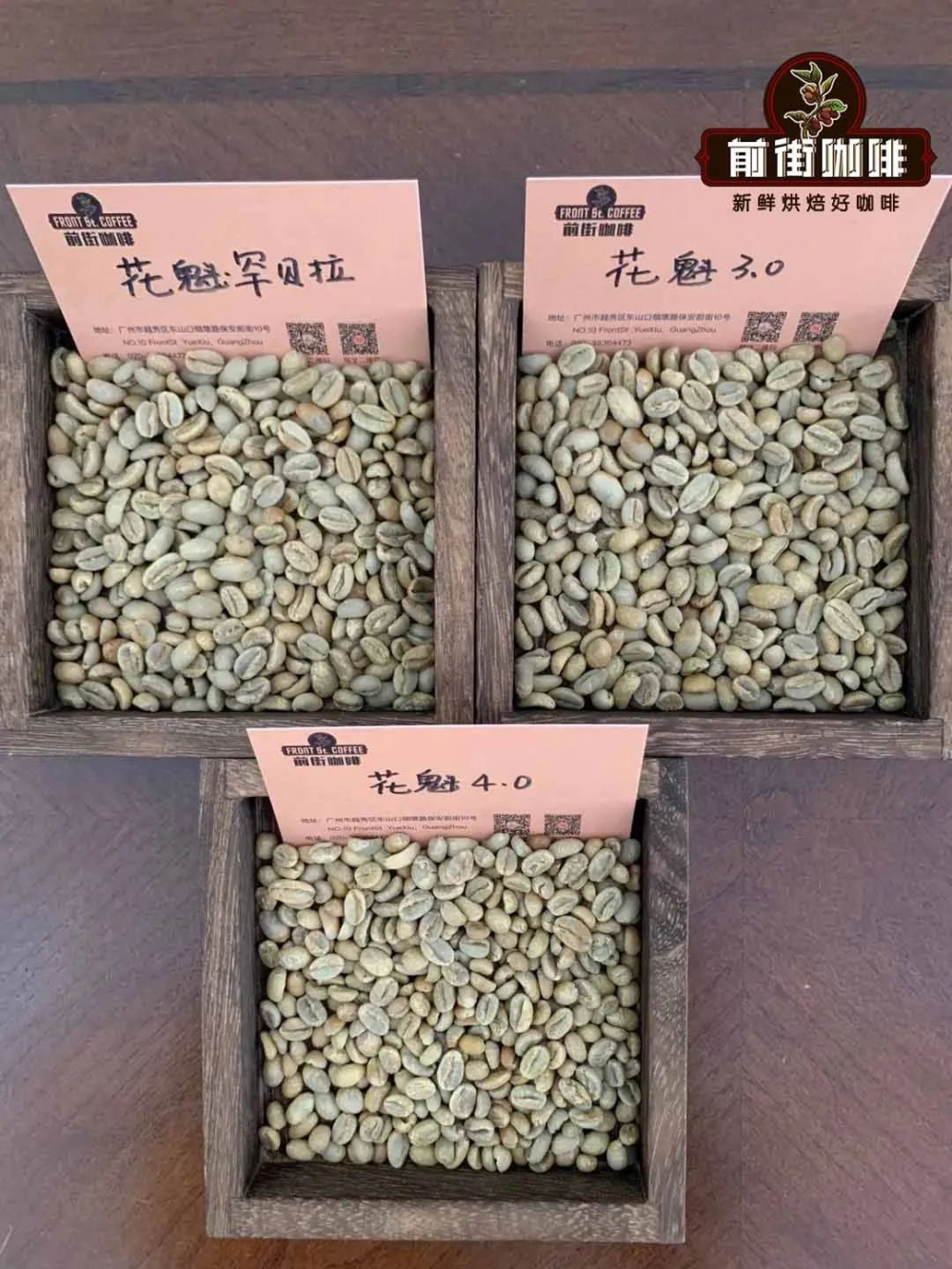
Afterward, green bean merchants seized the opportunity and imported Hambella coffee year after year, using the Guanyin X.0 series to distinguish harvest seasons. Guanyin 2.0 was launched in 2018, Guanyin 3.0 and 3.1 in 2019, and so on. Today, friends visiting FrontStreet Coffee stores can still find Guanyin 5.0. Of course, those familiar with Guanyin will also notice that starting in 2020, Hambella coffee was divided into two types: Guanyin 4.0 and Small Bean Guanyin. So what is Small Bean Guanyin all about?
Processing Stations and Variations
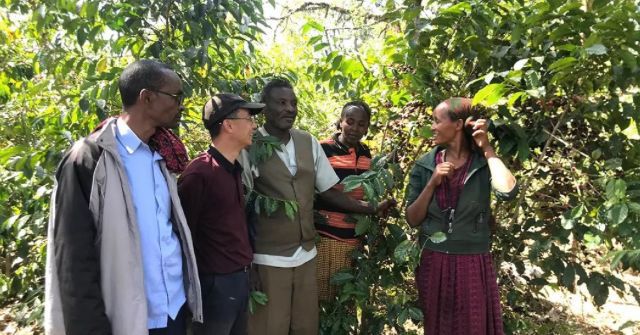
As mentioned earlier, the original Guanyin was processed at Buku Abel in the Hambella region, and Buku Abel belongs to DW company. After winning the championship in 2017, DW expanded the number of processing stations in Dimtu, the core area of Hambella, in order to produce Guanyin. There are currently 5 coffee processing stations: Buku Abel, Tirtiro Goye, Seke Bokosa, Haro Soresa, and Buku Saysay. Only the natural processed coffee from Buku Abel is Guanyin. Because coffee is an agricultural product, its flavor is affected each year by changes in regional soil, climate, precipitation, and processing, so although there are variations, the main flavor notes of the variety always remain.
FrontStreet Coffee keenly noticed the changes in Guanyin, since it pays close attention to regional news. After observing Guanyin's rise, it naturally would not miss this bean, and it imports Guanyin every year to satisfy coffee lovers. In FrontStreet Coffee's cupping of Guanyin from each new harvest season, although there may be some flavor differences, the rich berry juice, fermented notes like ripe fruit, and moderately distinct sweetness are always present. This is one reason FrontStreet Coffee really likes Guanyin. At the same time, cupping also revealed that Guanyin lots with more small beans had flavor and aroma very similar to the 2017 championship Guanyin.

Discovery of Small Bean Guanyin
Initially, FrontStreet Coffee tasted flavors similar to the 2017 Guanyin in the 2018 and 2019 batches, but the body and aftertaste were not as good as the 2017 Guanyin. Comparing different batches made this more obvious in 2018 and 2019. Sometimes, among ten burlap bags, several bags of similar small beans would appear. We realized that the main source of the 2017 Guanyin's aroma was a particularly small bean type within the lot.
So in 2019, FrontStreet Coffee confirmed this and informed the green bean supplier, who then confirmed it as well. Since then, the small bean Guanyin has been separated out each year and classified separately. The 2020/21 harvest season Hambella natural coffee was divided into Guanyin coffee and Guanyin 5.0 coffee. Although both are called Guanyin, their flavors are somewhat different, and you will have to taste them to know exactly how.
Brewing Methods
We will use the 2020/21 harvest season Guanyin and Guanyin 5.0 as examples to understand the differences between these two coffees in detail. First we need to decide on a brewing approach. The actual extraction plus preparation time does not exceed 10 minutes, but without a clear approach you will not get the smooth, flowing experience of a cafe barista, and brewing with flustered movements becomes a disaster scene.
Generally, when we get a coffee bean we have detailed information about it, including region, variety, and flavor notes. Like FrontStreet Coffee, not only does the roaster publish bean information, it also reduces selection difficulty through flavor descriptions. Each bag also carries a QR code that links to more bean information, including more detailed regional information, terroir conditions, post-processing methods, roasting curves, and, for many people, more practical brewing parameters. After all, no matter how good the story is, it needs to be paired with a cup of coffee you brewed yourself.

Determining Roast Level
For the brewing approach, FrontStreet Coffee recommends referring to the flavor description on the packaging, which is determined through cupping by FrontStreet Coffee's baristas and roasters after roasting. We can generally determine the roast level from the flavor description and set a basic approach from there.
Flavor descriptions with prominent citrus, lemon, and berry fruit notes and floral aromas indicate a light roast. Descriptions with prominent sugar notes and nutty chocolate flavors with slight fruit acidity indicate a medium roast. Descriptions with nutty chocolate, creamy, and full-bodied notes indicate a dark roast. Guanyin and Guanyin 5.0 are described as fruit-forward with acidity: Guanyin has passion fruit and fermented wine notes, while Guanyin 5.0 has citrus flavors, so both can be identified as light roast beans.
Brewing Parameters
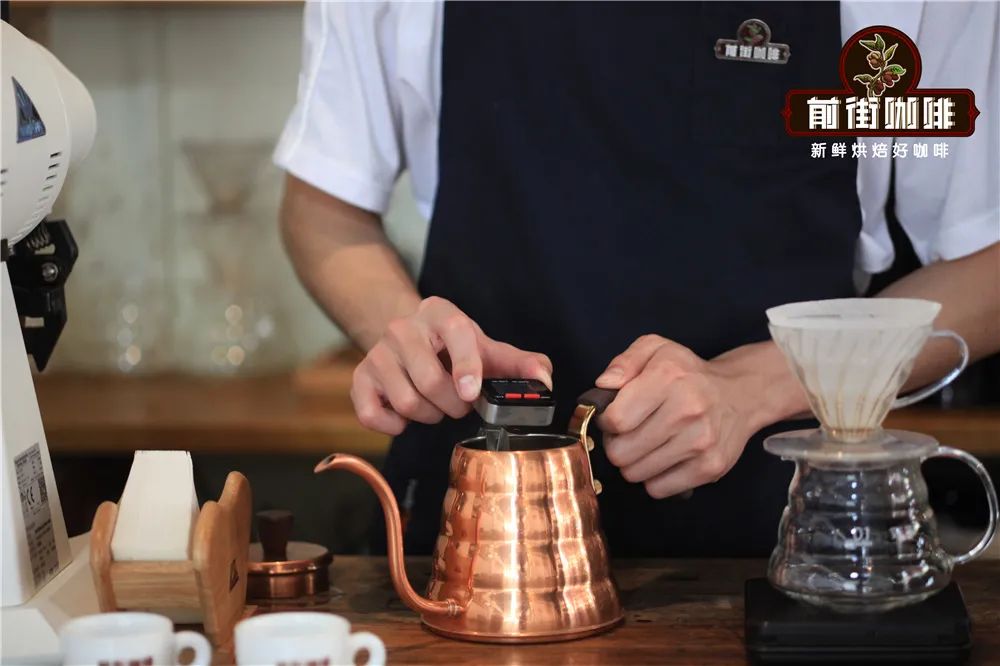
FrontStreet Coffee generally recommends pour-over for light roast beans, using 15 grams of coffee with a 1:15 coffee-to-water ratio, a Hario V60 dripper, and a higher water temperature between 90 and 93°C, with a medium-fine grind (80% passing through a China #20 standard sieve).
Then use FrontStreet Coffee's recommended three-stage extraction. As the name suggests, this method extracts with three separate pours. First, use twice the amount of coffee in water for the bloom, that is, 30 grams of water for 30 seconds, then pour in a small circular motion to 125 grams, wait until the water level drops to 1/3, then continue pouring to 225 grams and stop (timing starts from the beginning of the bloom). Extraction time is 2'00".

Tasting Notes
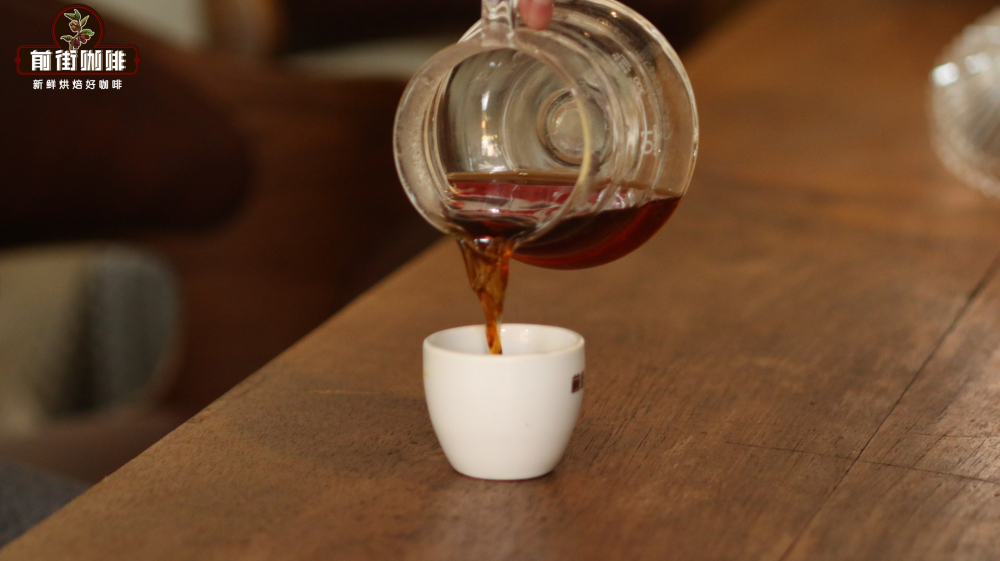
After extraction, shake the carafe gently before comparing and appreciating these two Guanyin coffees. Guanyin has an obvious melon and fruit aroma, with soft fruit acidity on the palate, a smooth mouthfeel, and flavors of passion fruit, jackfruit, strawberry, and berry. Guanyin 5.0 has prominent citrus and berry flavors, with slight tropical fruit notes and an obvious juice-like mouthfeel.
FrontStreet Coffee Recommendation
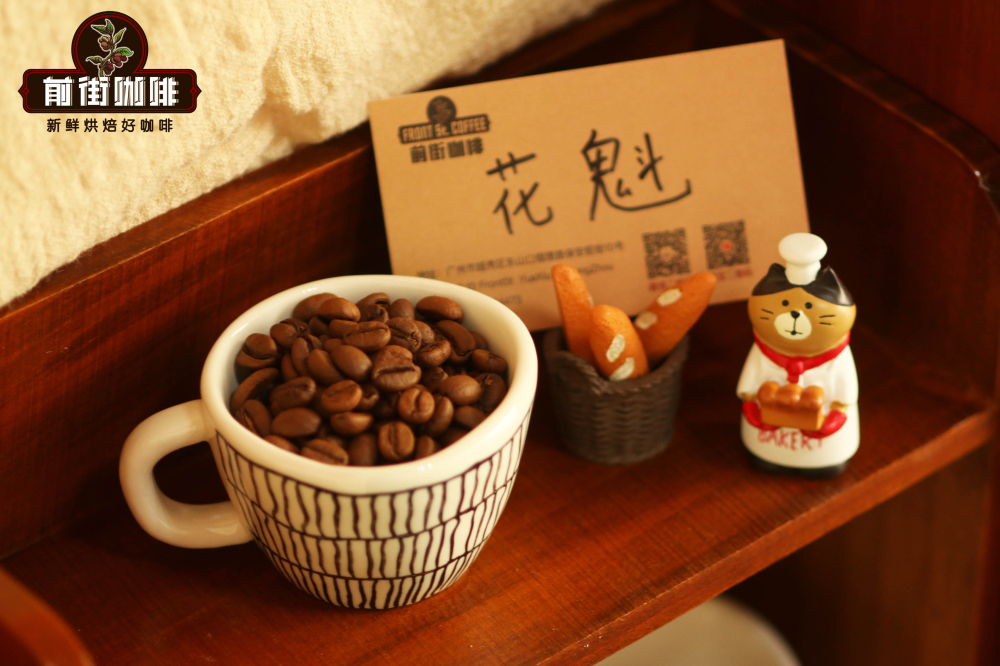
Hambella is the region behind the Guanyin name, and it remains one of the most rewarding places to look for a natural Ethiopian coffee. FrontStreet Coffee's Flower Queen is grown in Ethiopia and processed naturally, so the beans absorb plenty of sweet aromatic compounds from the fruit and pulp, and it brews with magnolia, creamy strawberry, dried mango, guava, and black tea notes, with very low bitterness and a smooth, juicy body. It makes an ideal daily cup and a fine showcase of everything that made Guanyin famous.
If you want to stay in the same flavor family while exploring the Geisha side, FrontStreet Coffee's Strawberry Candy Geisha blend pairs a Panamanian Geisha with a Costa Rican honey-processed coffee for a cup that is both delicately floral and sweetly fruity, and it works as pour-over, moka pot, or cold brew. And for a clean, floral washed benchmark, FrontStreet Coffee's Yirgacheffe Gidding brings citrus, berry, and jasmine notes with a green-tea sweetness in the finish.
Important Notice :
FrontStreet Coffee is a long-established specialty coffee roaster in Guangzhou China, selling freshly roasted beans from its own farm in Yunnan as well as dozens of carefully selected single-origin beans from around the world for both pour-over and espresso. The products deliver consistently excellent quality and great value, with shipping within 24 hours. Guangzhou's FrontStreet Coffee shop is recommended by many coffee lovers, and the beans are now available online at the Tmall 。
FrontStreet Coffee has moved to a new address:
FrontStreet Coffee Address: 315,Donghua East Road,GuangZhou
Tel:020 38364473
 Scan and follow the En Gafei WeChat official account. Please indicate that the reprint comes from "En Gafei".