Bolivia | Flavor Profile of Caranavi Region Aiso Coffee Association European Standard Traditional Washed Strictly Hard Bean SHB
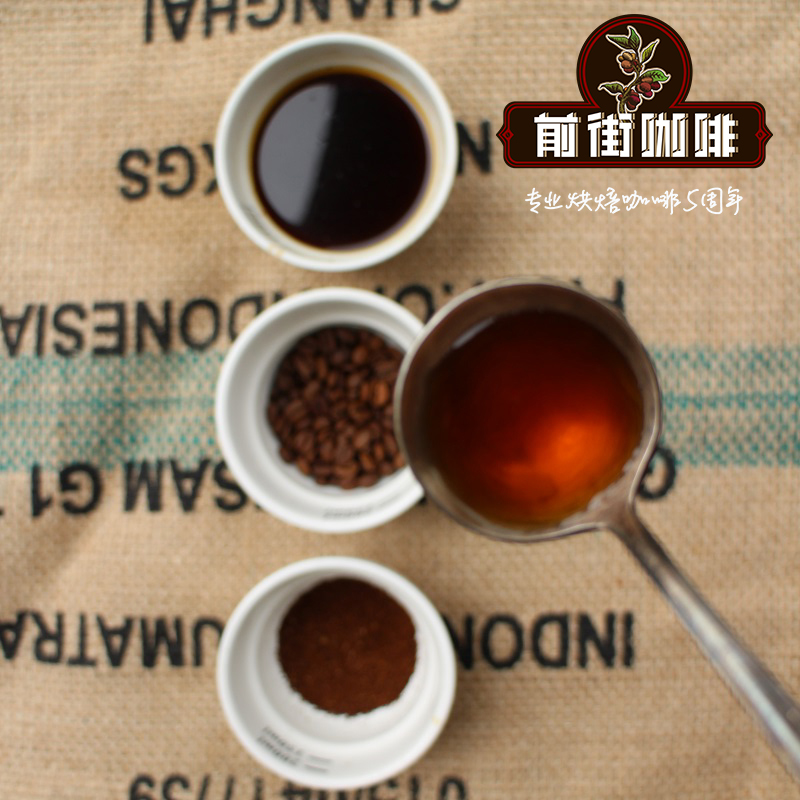
Bolivia | What are the flavor characteristics of the European standard traditionally washed SHB beans from Asocafe Coffee Association (Amor de Dios Processing Plant)?
The Federation of Coffee Exporting Producers of Bolivia (FECAFEB), established in May 1991, has achieved significant success in recent years in improving Bolivian coffee quality and international visibility. It currently has 30 branch associations or cooperatives, connecting nearly 8,700 small-scale farmers, making it Bolivia's most important specialty coffee production system. The federation's main work includes defending and protecting farmers' rights, providing advice on quality maintenance and organic cultivation techniques, assisting farmers in marketing their coffee to international markets, establishing processing plants and formulating production plans. It also provides farmers with credit and financial services.
The Asocafe Coffee Association (Asociacion de Productores de Café Taipiplaya) is a member of the FECAFEB federation. Its office and processing plant are located in the small town of Taipiplaya, approximately 30 kilometers southeast of Caranavi City. It has 300 households scattered across 32 small villages. The coffee gardens are widely distributed across 500 hectares of valley slopes with altitudes reaching up to 1,800 meters. Although the terrain is rugged, it also offers rare and excellent cultivation conditions. This batch from the Asocafe Association is a micro-lot produced by 35 farmers from the Amor de Dios community, with an average farm altitude of 1,650 meters, mainly featuring Typica, Caturra and Catuai varieties.
In earlier years, transportation between the various associations and cooperatives was extremely inconvenient. Every batch of coffee beans had to be transported down the mountain via the world-famous "Death Road"—a 61-kilometer-long dirt road built along towering cliffs, only three meters wide without guardrails. At that time, sales channels were limited and prices were low, so the coffee was considered cheap and the farmers lived in extremely difficult circumstances. The past decade has seen significant progress: a new asphalt national highway was completed in 2006, and organizations such as USAID and COE, along with continuous visits from international coffee travelers to the association processing plants and coffee gardens, established relationships and collaboration with local farmers. Combined with the multifaceted efforts of the local FECAFEB federation, Bolivia has finally shown the international community its coffee potential. It has not only become a member of the international specialty coffee community, but its value has naturally become incomparable to the past.
On the eastern foothills of the towering, continuous Andes, beneath the lush jungle, over 300 coffee farmers produce what can be called one of Bolivia's sweetest coffees. These farmers are all members of the Asocafe Coffee Cooperative (ASOCAFE), established in 1990 with the aim of improving local coffee quality and, ultimately, increasing farmers' income. Caranavi Province is the heart of Bolivia's coffee-producing region, with rivers formed by melting water from mountain glaciers, making it an ideal origin for specialty coffee. ASOCAFE farmers harvest and carefully hand-select, then transport the cherries to the central processing station, where under the association's supervision the mature cherries undergo pulping, mucilage removal, fermentation, washing and sun-drying.
Coffee Information
Country: Bolivia
Region: Taipiplaya, Caranavi
Grade: European Standard Washed SHB (Strictly Hard Bean)
Producer: Amor de Dios Processing Plant
Processing Method: Traditional Washed
Varieties: Typica, Caturra, Catuai
Altitude: 1,650 meters
Harvest Period: June to October annually
Flavor Profile: Cocoa notes, nuts, sweet spices, grassy aroma, balanced sweet and sour sensation, smooth mouthfeel
FrontStreet Coffee's Recommended Brewing:
Dripper: Hario V60
Water Temperature: 90°C
Grind Size: Fuji Royal grinder setting 3.5
Brewing Method: Water-to-coffee ratio 1:15, using 15g of coffee grounds. First pour 25g of water for a 25-second bloom. Second pour up to 120g and pause. Wait until the water level in the coffee bed drops to halfway, then continue pouring slowly until reaching 225g total. Extraction time approximately 2:00.
Analysis: Using a three-stage brewing method to clearly distinguish the front, middle and back-end flavors of the coffee. Because the V60 has many ribs and drains faster, pausing during pouring can help extend the extraction time.
FrontStreet Coffee Recommendation
Washed coffees like this Bolivian SHB lot live or die by their clarity, and FrontStreet Ethiopia Yirgacheffe Gutingin Cooperative is a perfect example of the style. It is a G1 washed bean from the Gutingin village station, with jasmine florals and bright citrus acidity; a medium-light roast adds green tea and honey notes, keeping the cup clean and precise. It is a natural first choice for pour-over, cold brew or espresso.
If you like the nutty, cocoa side of the Bolivian cup, FrontStreet Kenya Little Tomato shows how far washed processing can push fruit. Kenya's double-washed method, with repeated soaking and rinsing, brings cherry tomato, smoked plum, snow pear and black plum to the front, over a bright, clean acidity with yellow-sugar sweetness and a green-tea finish.
For a rounder, lower-acid washed coffee, FrontStreet Jamaica Blue Mountain No. 1 is a fine match. Jamaica's shorter sunshine hours suit washed processing, and the medium-dark roast produces a pure, balanced cup of hazelnut, cream, chocolate and caramel, with no single note dominating—very much the balanced sweet-and-sour sensation this Caranavi lot aims for.
Important Notice :
FrontStreet Coffee is a long-established specialty coffee roaster in Guangzhou China, selling freshly roasted beans from its own farm in Yunnan as well as dozens of carefully selected single-origin beans from around the world for both pour-over and espresso. The products deliver consistently excellent quality and great value, with shipping within 24 hours. Guangzhou's FrontStreet Coffee shop is recommended by many coffee lovers, and the beans are now available online at the Tmall 。
FrontStreet Coffee has moved to a new address:
FrontStreet Coffee Address: 315,Donghua East Road,GuangZhou
Tel:020 38364473
 Scan and follow the En Gafei WeChat official account. Please indicate that the reprint comes from "En Gafei".