Ethiopia | Gelana Abaya Natural Process Yirgacheffe Gold Natural Beans from Gelana Abaya Washing Station
Ethiopia | Gelana Abaya Shashamo Dukale Station Natural Process Yirgacheffe Gold Gelana Flavor?
Gelana Abaya lies between Lake Abaya to the west and Yirgacheffe to the east. Lake Abaya is the largest lake in southern Ethiopia and provides abundant water for the area's processing stations. The Gelana Abaya coffee production area sits on the eastern mountain slopes by the lake, with mountains separating Yirgacheffe from Lake Abaya. Yirgacheffe is located in the Gedeo region of southern Ethiopia. This region governs the relatively well-known Yirgacheffe and Kochere areas. Because coffee from Yirgacheffe has such a distinctive flavor and style and is so widely loved, it forms its own category in product classification and has always held a place in the global specialty coffee market. Yirgacheffe, in Sidama province, is itself a small town with three neighboring small production areas: Wenago, Kochere, and Gelana Abaya. Because the coffee produced in these areas follows new trading and grading systems, three sub-production areas have been added alongside Yirgacheffe itself: Wenago, Kochere, and Genlena/Abaya - a sign that the flavors of these three areas are so delicate that they can be further subdivided. Gelana Abaya is a small production area with Lake Abaya to the west and Yirgacheffe to its east. The harvested beans come from local small-scale farmers - approximately 9,000-10,000 of them - whose average coffee plot is about 3.5 hectares, planted at altitudes ranging from 1,700-1,900 meters. The varieties are mainly a mix of Typica and Heirloom (local native varieties). The area has five advanced green-coffee processing plants and performs at a high level in green-bean processing, praised for its clean sweetness with complex notes of honey and citrus. The main local production model involves small-scale farmers delivering each harvest of red cherries directly to nearby cooperative processing plants for unified processing.
As everyone knows, Yirgacheffe is actually made up of several small areas. These sub-production areas are Kochere, Yirgacheffe, Wenago, and Gelana Abaya.
Under the new administrative divisions, Gelana Abaya is further split into two parts: Abaya in the north, adjacent to Yirgacheffe and Wenago, and Gelana in the south, neighboring Kochere. Once the coffee from both areas enters the "Ethiopia Commodity Exchange" (ECX), however, they are still combined and labeled "Gelana Abaya."
Gelana Abaya has four cooperatives in total, 5,643 coffee farmers, and 2 processing stations. The farming families belong to the Tore indigenous people, with coffee growing in high-altitude mountains between 1,600-2,300 meters. After small farmers deliver ripe cherries to the station, it first screens and removes any unqualified fresh fruit. Only sound, fully ripe cherries are accepted, and the station keeps its pulping equipment and fermentation tanks scrupulously clean so that the coffee's elegant floral notes develop naturally during processing. The station is Shashamo Dukale, located in Hafursa, Gelana Abaya. Hafursa is a very popular small production area, known for consistently producing high-quality coffee.
After the station screens and grades the red cherry-colored fruit, it uses water to separate out the cherries that are not firm and float on the surface. Once the sunken red cherries are scooped up, the beans are spread on raised beds and dried in the sun. When the moisture content falls to 12% or below, they are sent directly to the Ethiopian Commodity Exchange (ECX) warehouse in Awassa, where cupping grading and quantity are recorded for auction. Naturally processed beans like these are usually stored in parchment form until the dehulling work is done before export.
Coffee Origin Information
Production Area: Borena zone, Yirgacheffe Oromia
Sub-production Area: Gelena Abaya Woreda
Washing Station: Shashamo Dukale station in Hafursa
Producer: Local small coffee farmers
Altitude: 1,600-2,300 meters
Variety: Ethiopia Heirloom Varietals
Processing Method: Natural
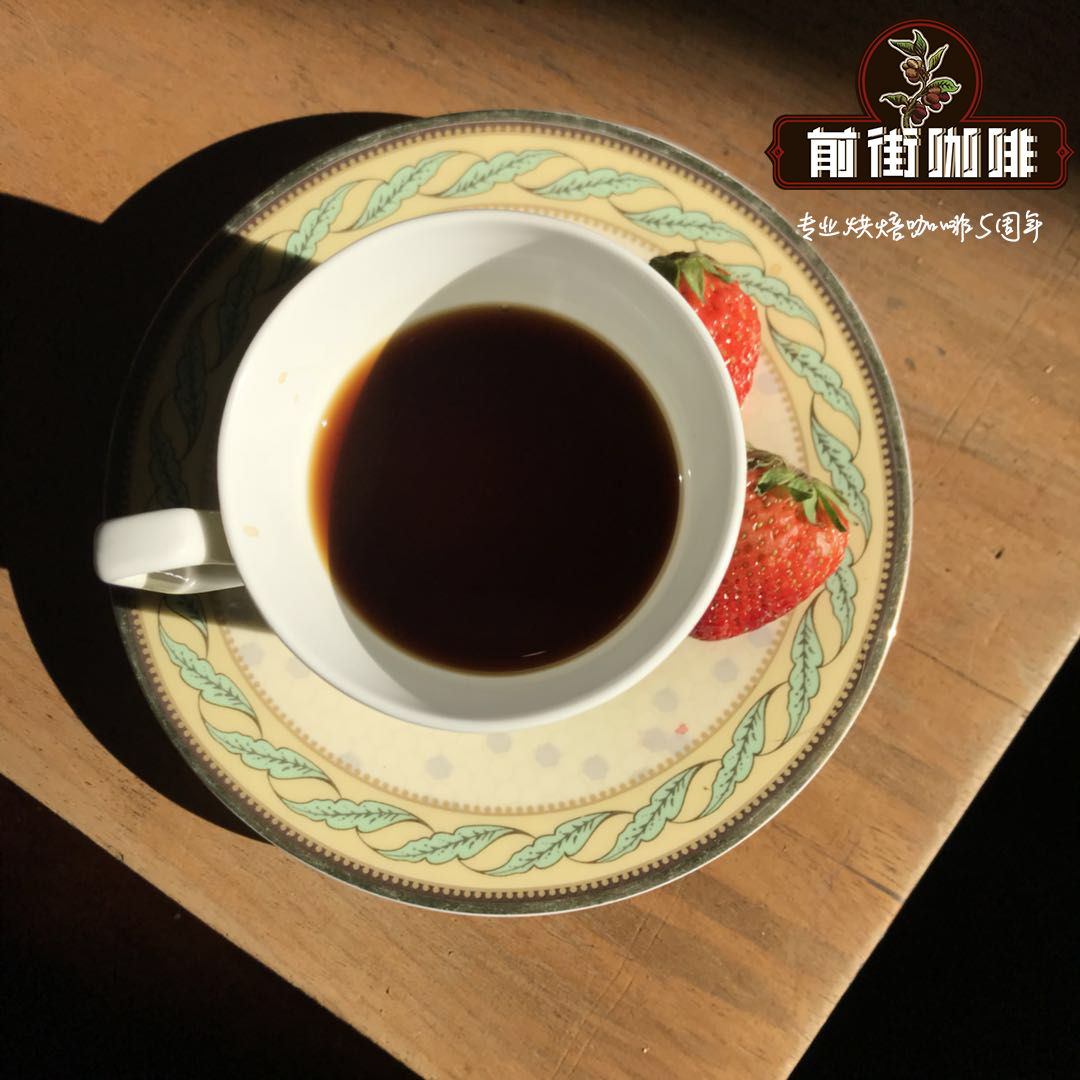
Flavor Description: Classic natural-process style, with floral notes, blueberry, and a refreshing, delicate berry sweetness, creamy and smooth, with clean and delicate fruit acidity. A light fermented wine aroma, delicate fruit acidity, berries, a clean and balanced mouthfeel, and a lingering, lively, varied fruity sweetness in the aftertaste.
FrontStreet Coffee Recommended Brewing:
Dripper: Hario V60
Water Temperature: 90°C
Grind Size: Fuji grinder setting 3.5
Brewing Method: Water-to-coffee ratio 1:15, 15g of coffee grounds. First pour 25g of water and bloom for 25 seconds. Second pour to 120g, then stop pouring. Wait until the water level in the coffee bed drops to halfway, then continue pouring slowly until reaching 225g total. Extraction time approximately 2:00.
Analysis: A three-stage brewing method clearly defines the front, middle, and back-end flavors of the coffee. Because the V60 has many ribs and drains quickly, pausing the pour helps extend the extraction time.
FrontStreet Coffee Recommendation
This Gelana Abaya lot shows how vivid and sweet a natural-process Yirgacheffe can be, and FrontStreet Coffee's natural Ethiopia coffees carry that same berry-driven character. The FrontStreet natural Red Cherry Yirgacheffe is made entirely from 100% fully ripe red cherries dried on raised beds, so it keeps the region's signature florals while layering in berry juiciness, honeyed sweetness, and a creamy smoothness - a direct echo of the blueberry and fermented-fruit notes described above.
If you would like to compare it with the washed side of the region, the FrontStreet washed Yirgacheffe daily coffee and the FrontStreet Gedeb cooperative coffee both deliver the classic Yirgacheffe profile of white jasmine, bright citrus and lemon acidity, and a clean, tea-like body, making them an ideal pairing for exploring how processing shapes a single origin.
Important Notice :
FrontStreet Coffee is a long-established specialty coffee roaster in Guangzhou China, selling freshly roasted beans from its own farm in Yunnan as well as dozens of carefully selected single-origin beans from around the world for both pour-over and espresso. The products deliver consistently excellent quality and great value, with shipping within 24 hours. Guangzhou's FrontStreet Coffee shop is recommended by many coffee lovers, and the beans are now available online at the Tmall 。
FrontStreet Coffee has moved to a new address:
FrontStreet Coffee Address: 315,Donghua East Road,GuangZhou
Tel:020 38364473
 Scan and follow the En Gafei WeChat official account. Please indicate that the reprint comes from "En Gafei".