Costa Rica Las Lajas Estate Coffee Recommendation - Alma Negra Natural Process
FrontStreet Coffee - Costa Rica Las Lajas Estate Alma Negra
Country: Costa Rica
Product Name: Las Lajas Estate Alma Negra
Region: Central Valley
Grade: SHB
Processing Method: Natural
Altitude: 1,300 to 1,500 meters
Variety: Caturra & Catuai
Las Lajas Estate sits in the Central Valley at the foot of the Poas de Alajuela volcano and has been run by the Chacon family for over 80 years. The estate occupies an altitude of 1,300 to 1,500 meters and produces roughly 46,000 kilograms a year. Its harvest runs from December to February. The owner insists on picking only fully ripe red cherries and mostly uses honey and natural processing to enhance sweetness and body. The coffee is dried on African-style raised beds to guarantee even sun exposure and avoid over-fermentation. The estate also actively pursues international organic certification and has obtained USDA (USA), JAS (Japan), and NOP certification.
Las Lajas Estate: Excellence in Organic Coffee
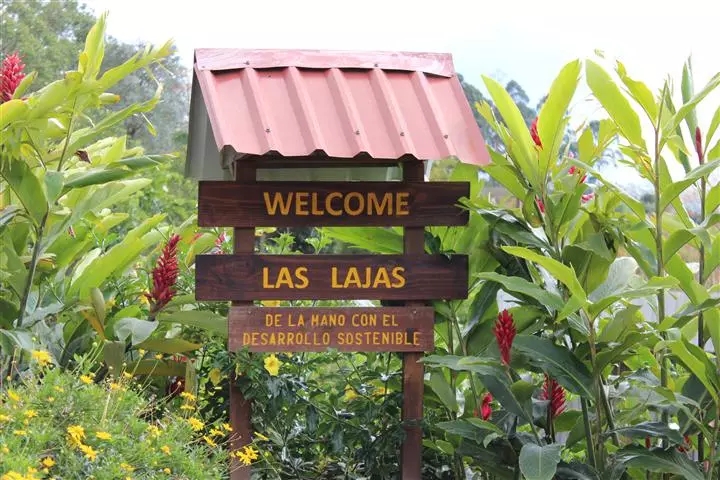
Las Lajas Estate (Finca Las Lajas) lies in Costa Rica's renowned Central Valley, part of the Poas volcanic mountain range. The fertile, mineral-rich soil creates excellent conditions for high-quality coffee. The estate's reputation rests not only on its coffee quality but also on its commitment to organic and ecological farming. After introducing organic practices in 1990, it became Costa Rica's first coffee estate to achieve organic certification, in 2000. Today it holds certification from three international organic organizations: USDA, JAS, and NOP. Oscar Chacon, the third-generation operator, has explained that pursuing organic certification brought serious agricultural challenges and even more severe economic pressure from reduced production. In the third year of transition, annual production fell to just 20% of previous levels. Despite that, the family's commitment never wavered. Avoiding chemical fertilizers and pesticides protects the environment for sustainable development and safeguards the health of the coffee farmers.
Innovative Natural Processing: Alma Negra
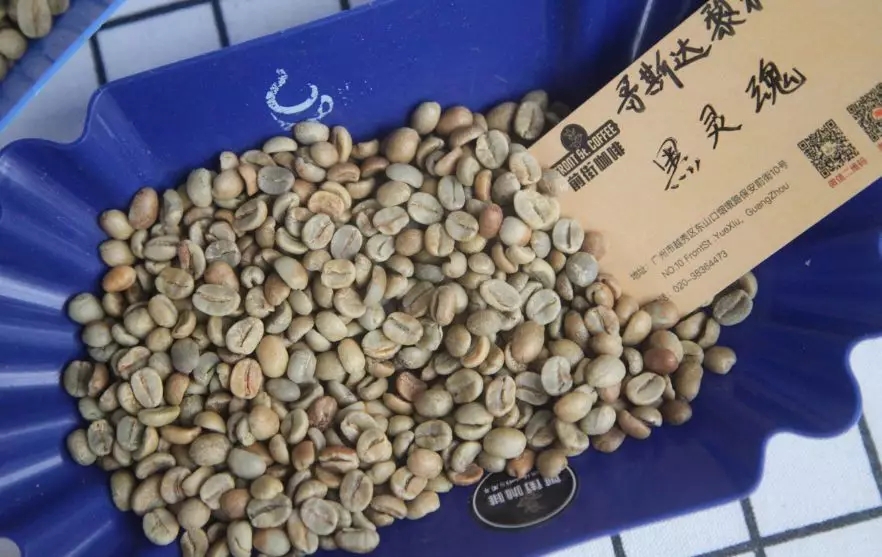
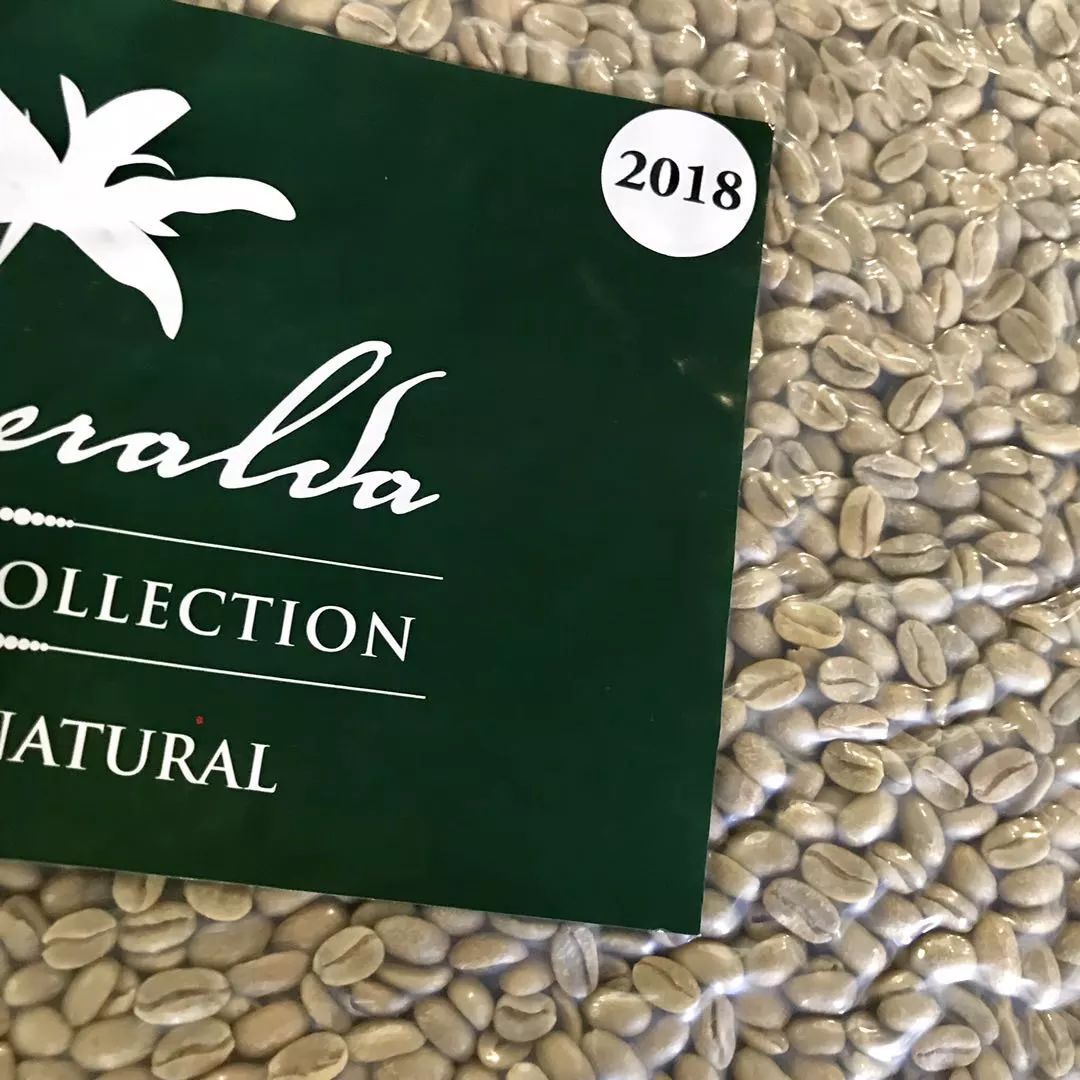
Las Lajas uses only honey and natural processing for its green beans, developing distinctive characteristics that set it apart from other estates. Its honey processing is divided into three types based on the amount of mucilage retained: yellow honey, red honey, and black honey. Its natural processing yields two distinct products based on fermentation level: Pearl Negra and Alma Negra. Pearl Negra shows intense fruity fermentation flavors, while Alma Negra leans toward the dried fruit and molasses character typical of natural processing. Both represent today's most fashionable natural methods, yet in two very different styles.
FrontStreet Coffee Roasting
Roasting Machine: Yangjia 800N semi-direct flame (300g batch size)
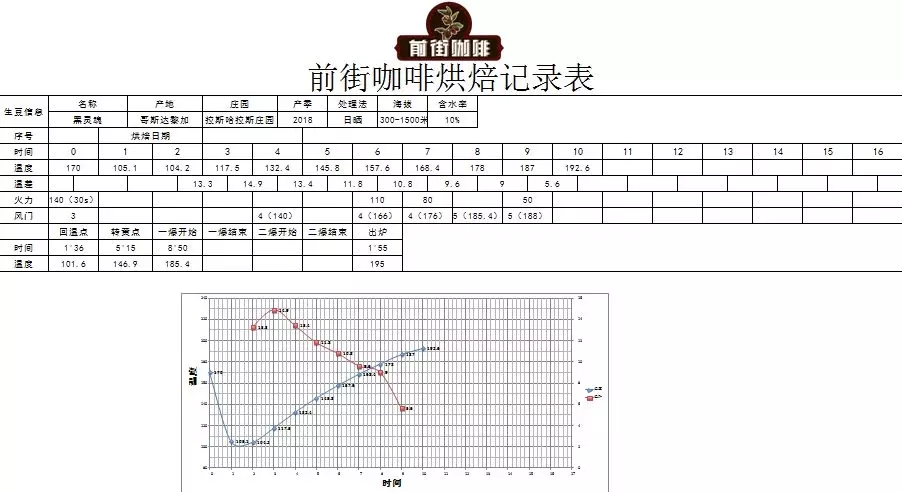
Preheat the roaster to 170°C before loading the beans, with the damper set to 3. After 30 seconds, increase the heat to 140. The temperature return point occurs at 1'36" at 101.6°C. At 140°C, hold the heat setting and open the damper to 4. At 5'15", the beans turn yellow as the grassy aroma disappears, entering the dehydration phase. Maintain the heat and keep the damper at 4.
At 8'07", dehydration is complete as wrinkles and dark markings appear on the bean surface. The toast-like aroma turns into coffee fragrance, signaling that first crack is near. Listen for it. At 8'50", first crack begins. Open the damper fully to 5 while maintaining the heat. Development time after first crack is 1'55", ending at 195°C when the beans are discharged.
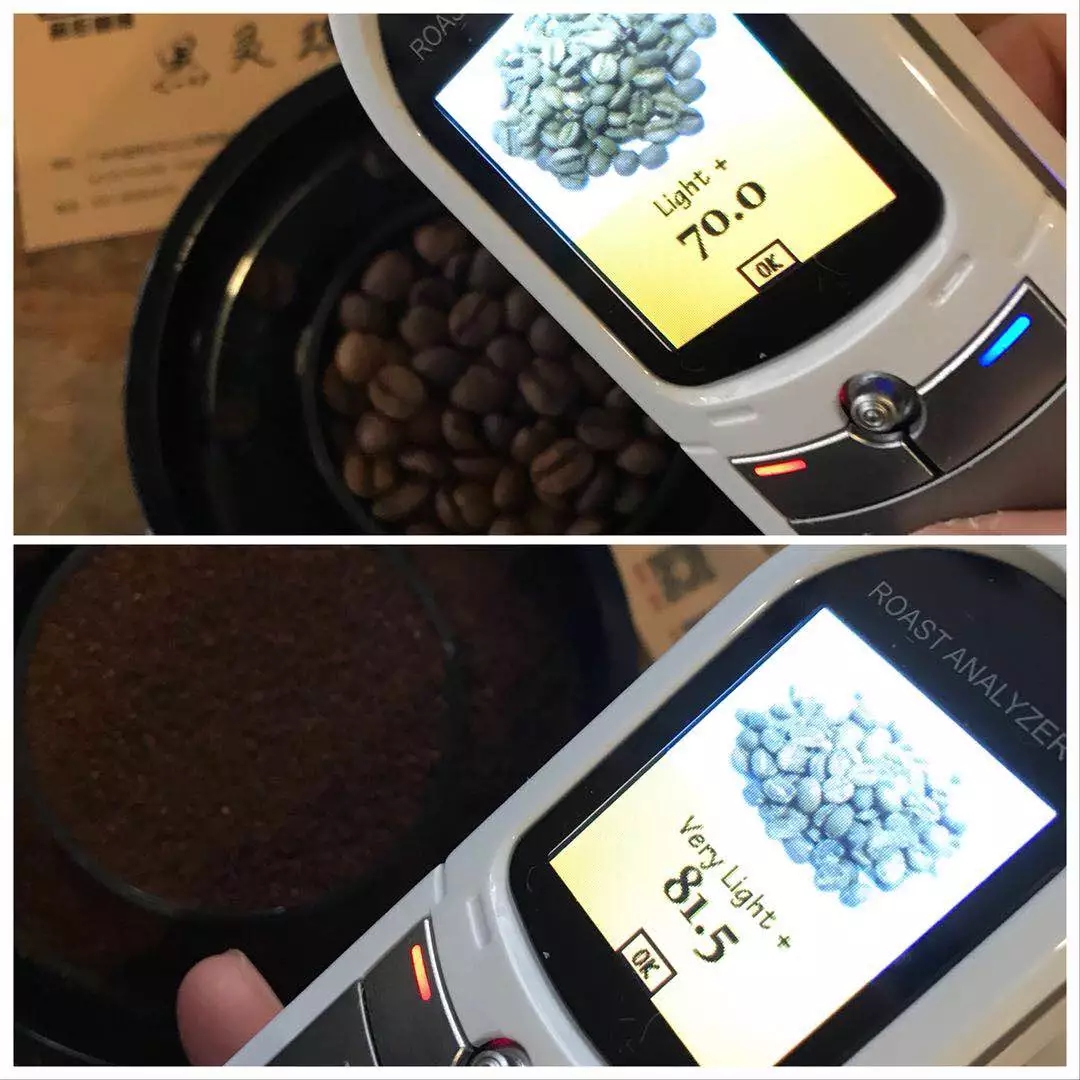
The Agtron color value is 70 (upper image), the Agtron pink value is 81.5 (lower image), and the Roast Delta value is 11.5.
FrontStreet Coffee Cupping Notes:
Fermented fruit, floral, citrus, plum, and fruit tea. Noticeable sweet and sour acidity, a juicy texture, and overall good balance.
FrontStreet Coffee Recommendation
If natural-process coffee is what you enjoy, FrontStreet Yirgacheffe Natural Red Cherry is an excellent companion to Alma Negra. Made only from fully ripe red cherries and dried on raised beds, it is roasted medium-light, so it keeps the elegant florals and bright acidity of Yirgacheffe while adding clear tropical fruit, a full fermented sweetness, and generous body.
FrontStreet Natural Huakui brings a bolder version of the same style. Grown at high altitude in Sidamo and traditionally sun-dried, it opens with a light fermented aroma alongside florals, citrus, and mango, then moves into honey sweetness and a cocoa note with a hint of spice, finishing thick and long. For a more intense fruit profile, FrontStreet Colombia Sidra, processed as a double anaerobic natural, offers passion fruit, apricot, dried fruit, and grape with an almond-like finish.
All three are at their best as pour-over, where the fruit and fermentation notes come through cleanly and the sweetness stays balanced.
Important Notice :
FrontStreet Coffee is a long-established specialty coffee roaster in Guangzhou China, selling freshly roasted beans from its own farm in Yunnan as well as dozens of carefully selected single-origin beans from around the world for both pour-over and espresso. The products deliver consistently excellent quality and great value, with shipping within 24 hours. Guangzhou's FrontStreet Coffee shop is recommended by many coffee lovers, and the beans are now available online at the Tmall 。
FrontStreet Coffee has moved to a new address:
FrontStreet Coffee Address: 315,Donghua East Road,GuangZhou
Tel:020 38364473
 Scan and follow the En Gafei WeChat official account. Please indicate that the reprint comes from "En Gafei".