Costa Rica Fire Phoenix Estate Sapphire Coffee Brewing Recommendations_Sapphire Zahiro Processing Method

Sweet, sweet, sweet. When people ask which of FrontStreet Coffee's coffees tastes sweetest, the answer is almost always Costa Rica's honey-processed coffee. As the world's leading country for honey-processing technique, Costa Rica can plausibly claim to have no equal. Honey processing is its signature, but Costa Rica also works with other methods, and today's subject is one of them: Finca Phoenix Fire Estate.
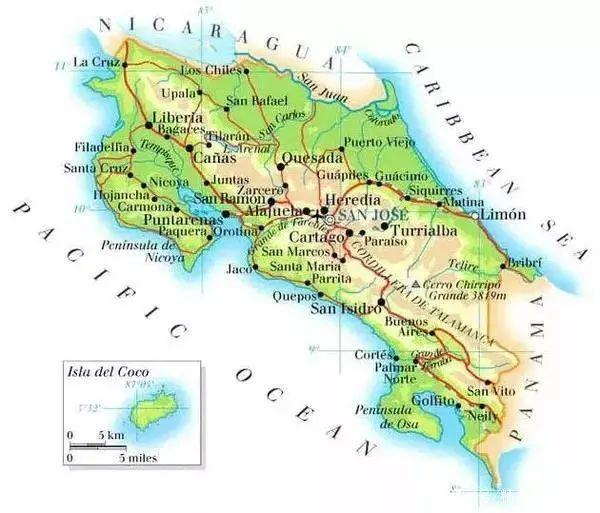
Costa Rica lies on the Central American isthmus, shaped by the climate of Pacific and Atlantic currents and sea breezes. The country has many towering volcanoes reaching 2,000 meters, and their fertile volcanic ash, mild, suitable temperatures, and steady, abundant rainfall all help make coffee one of Costa Rica's main agricultural products.
Estate Introduction
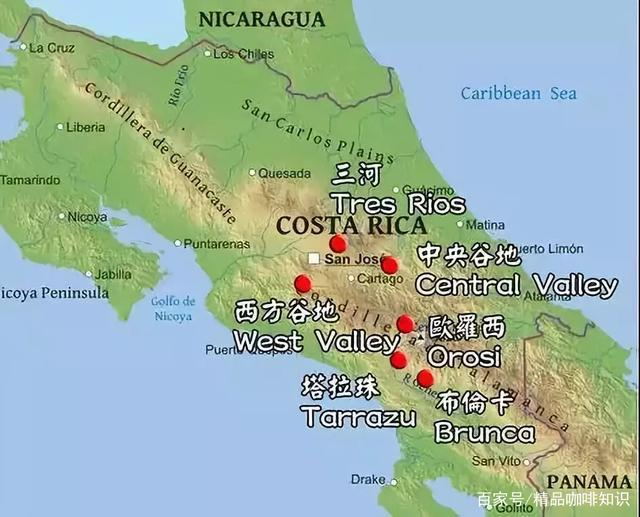
Finca Phoenix Fire Estate sits on the rolling hills of Poas volcano's fertile soil in Costa Rica's Central Valley coffee region. It is one of the earliest producers in Central and South America to make honey-processed and sun-dried coffee, and it is a fully 100% organically farmed estate. The owner believes organic farming is the better choice for the environment and for family health, and despite many technical and organizational challenges, he has held to that philosophy. The high-quality coffee from this estate is very distinctive, and its greatest trait is astonishing sweetness. It came to prominence when it competed in the 2009 specialty coffee competition. During harvest the team borrows methods common to the wine industry and focuses everything on achieving that remarkable sweetness.
Finca Phoenix Fire lies in the Central Valley coffee region, Costa Rica's earliest coffee-growing area. Rainfall is moderate, the average annual temperature is only 19°C, and the altitude is high, so the beans are hard and aromatic, smooth, with high acidity, full body, and rich flavor. The estate occupies the rolling hills of Poas volcano within the Central Valley, and it was one of the first estates in Central and South America to produce honey-processed and sun-dried coffee. Its organic approach protects both the environmental balance and family health, which is the owner's guiding idea.
It rose to fame when it entered the 2009 specialty coffee competition. During harvest, the team uses techniques common in the wine industry: only cherries with more than 20% sugar content are selected for sun-drying. For reference, apples measure a Brix of 14, lemons 12, and passion fruit 18, while Finca Phoenix Fire's coffee cherries can reach 21-22%. The estate takes environmental protection seriously, for instance collecting rainwater to process coffee, and it uses vermicomposting, worm-compost, for fertilizer, so cultivation is entirely free of chemical fertilizers and pesticides.
Natural Processing Method
This Zahiro (Sapphire) coffee bean uses the natural processing method, the oldest and most original way of handling coffee. The harvested cherries are dried directly until they reach 12% moisture content, after which the fruit skin and pulp are removed. Beans processed this way show distinct acidity and sweetness.
Zahiro and Black Rose are two rather special natural-process products. Both use techniques that extend the drying time on raised beds, but with a difference: Zahiro is dried and fermented in a low-temperature environment, while Black Rose is dried and fermented at a high temperature. Fermenting in these different temperature ranges gives Zahiro more delicate, pronounced flavor and sweetness, while Black Rose shows the rich, intense character typical of natural processing.
Zahiro's Unique Processing
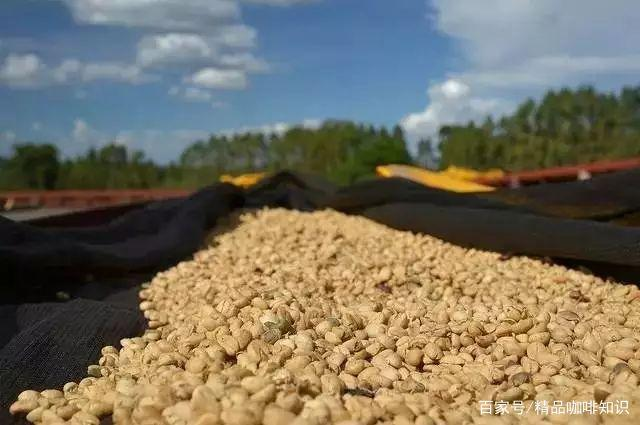
The natural processing of Zahiro is quite labor-intensive. Hand-picked, high-sugar cherries are first laid on African raised beds to sun-dry for about 10 days, then moved into a greenhouse covered with plastic sheeting to create more direct heat and continue drying until they reach 11.5% moisture content.
The slow drying lets the green beans develop more natural sweetness from within, but it also demands close attention and constant turning. In the end the bright red cherries turn black, giving off aromas of fruit cake, brown sugar, and even sherry.
Coffee Details
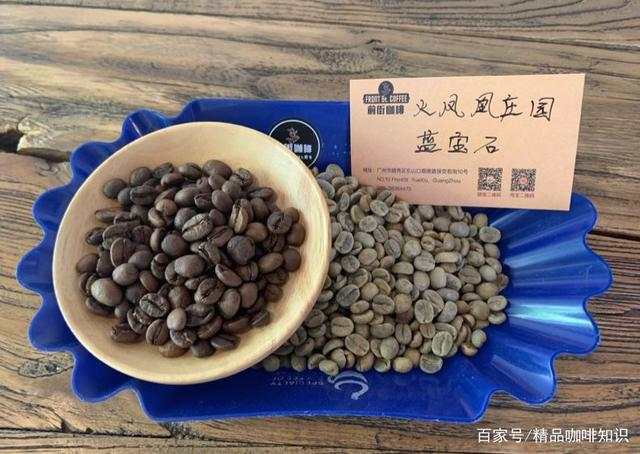
Costa Rica Central Valley Cumbres del Poas
Costa Rica Coffee Beans - Finca Phoenix Fire Estate - Zahiro
Country: Costa Rica
Region: Central Valley Cumbres - Finca Phoenix Fire Estate
Altitude: 1300-1500 meters
Varieties: Catuai / Caturra
Processing: Natural Process

FrontStreet Coffee Roasting Recommendations
To preserve the rich fruit flavor and sweetness of Costa Rica's Finca Phoenix Fire Zahiro, the FrontStreet Coffee roaster uses a medium roast approach.
FrontStreet Coffee's Finca Phoenix Fire Estate Zahiro Coffee Beans
Roasting Machine: Yangjia 800N (batch size 300 grams)
Charge Temperature: 170°C
Yellowing Point: 5'40'' at 151.6°C
First Crack: 9'00'' at 183.9°C
Development after First Crack: 2'05'' to 195°C
FrontStreet Coffee Roasting Curve
Brewing with Different Equipment
Brewing parameters are kept as consistent as possible: 15g coffee, medium-fine grind (BG 6K, 80% pass-through on China standard #20 sieve), water temperature 90°C, coffee-to-water ratio 1:15
For technique, all brews use segmented extraction: 30g water for a 30-second bloom, then a small, circular pour to 125g, then segmented pours. When the water level drops to about the point of exposing the coffee bed, continue pouring to 225g and stop. (Timing starts from the bloom.) Extraction time is 2 minutes.

Diamond Dripper
The Diamond dripper is designed with diamond-cut facets in a conical shape and a large central hole. The diamond-pattern ridges allow more even flow, and the large central hole raises the flow rate, compensating to some extent for uneven extraction. The Diamond dripper also fits its filter paper closely and has multiple exhaust paths, so the water flows faster, which better expresses this coffee's obvious floral aromas and layered character.
Flavor: Overall floral aromas and sweetness are prominent. The entry shows berry, tropical fruits, and honey, with cocoa and brown sugar emerging in the finish. Clean and sweet mouthfeel.
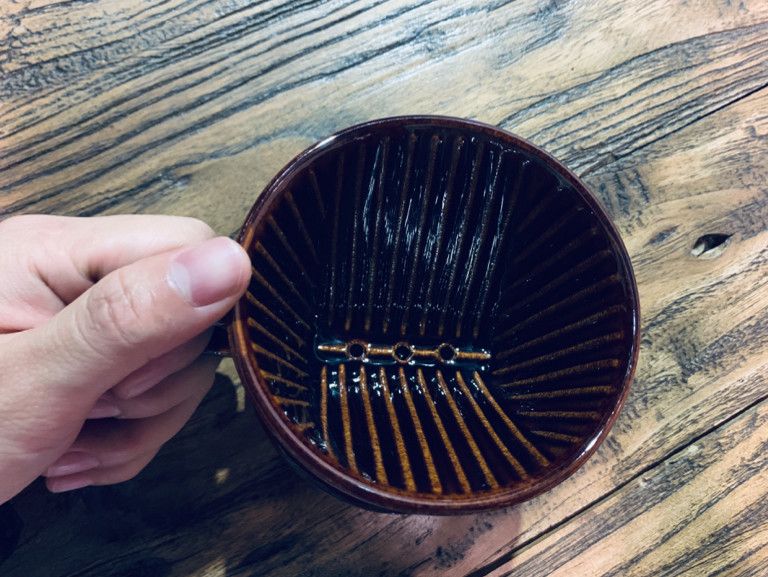
Kalita Wave Dripper
The Kalita Wave dripper is also known as the "fan-shaped dripper" or "trapezoid dripper." Its cup wall has many ribs arranged in straight lines at consistent spacing, which increases the gap between the filter paper and the dripper and improves water flow speed. The Kalita Wave's bottom is flat with small holes, so the flow is slower, creating an immersion effect.
Flavor: Overall floral and fermented-wine aromas are prominent. The entry shows osmanthus fragrance and tropical fruits, with berries in the finish. Smooth, full mouthfeel with a persistent sweet aftertaste.

Hario V60
The Hario V60 has a large outlet hole at the bottom and curved, spiral-structured ribs inside that run from bottom to top. This makes the coffee flow relatively fast, but the curved ribs slow the liquid's flow somewhat, increasing extraction from the grounds and better showcasing the bean's flavor layers and floral aromas.
Flavor: Overall floral aromas and a sweet aftertaste are prominent. The entry shows strawberry, tropical fruits, and fermented-wine aromas, with honey and cocoa in the finish.
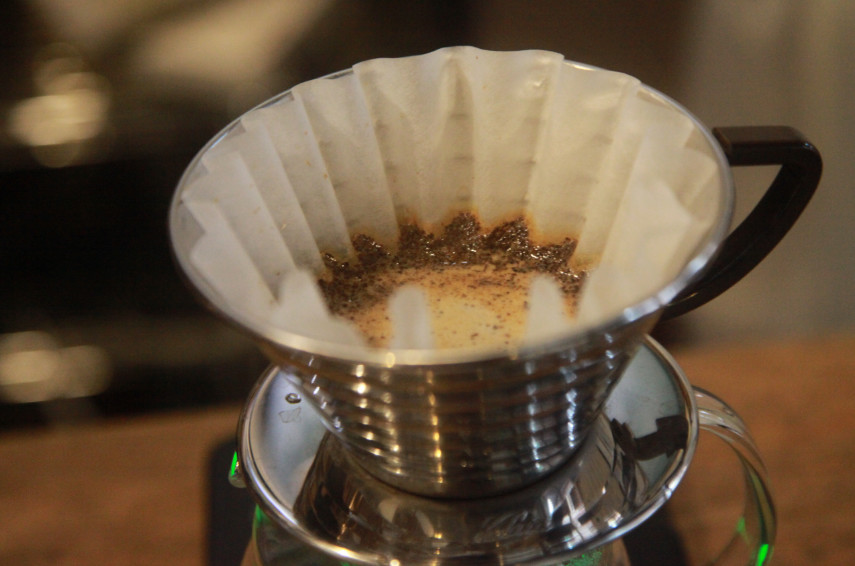
Wave Dripper
The Wave dripper, also called the Wave filter, has three holes at the bottom. Its flat design allows even water flow, though not as fast as conical drippers. The Wave dripper uses the filter paper's creases in place of flow-channel grooves, so the paper does not sit directly against the dripper, reducing the direct contact area and creating maximum extraction area, which helps concentrate the extraction. Hot water drips down evenly and smoothly for a more reliable extraction, and it also slows the cooling rate.
Flavor: Overall mouthfeel is smooth and full. The entry shows strawberry, tropical fruits, and mint, with honey, fermented aromas, and cocoa notes in the finish.
Among all the brewing equipment tested, the Diamond dripper and the Hario V60 best highlight the floral aromas and berry character of the Zahiro beans, while the Wave dripper and the Kalita Wave lean toward a rich, balanced presentation.
FrontStreet Coffee Recommendation
If Costa Rica's honey processing is what draws you in, FrontStreet Coffee's Costa Rica Mozart is a standout example through and through. It uses an innovative raisin-honey method, a refined take on the classic yellow, red, and black honey styles: the cherries are pre-dried on raised beds for at least three days before the skin and pulp are removed, then the honey steps continue. The defining trait of raisin-honey processing is that it keeps 100% of the mucilage, which makes it harder to control than black honey and demands strict timing.
That method gives the coffee a richer, sweeter fruit character. Whether you brew it as a pour-over, a cold brew, or in a moka pot, Mozart shows a distinctive aroma of osmanthus, pineapple, and raisin.
For a bright, layered cup, a pour-over is the clearest choice; a slow cold brew teases out the dried-fruit sweetness, and a moka pot deepens the syrupy body.
Important Notice :
FrontStreet Coffee is a long-established specialty coffee roaster in Guangzhou China, selling freshly roasted beans from its own farm in Yunnan as well as dozens of carefully selected single-origin beans from around the world for both pour-over and espresso. The products deliver consistently excellent quality and great value, with shipping within 24 hours. Guangzhou's FrontStreet Coffee shop is recommended by many coffee lovers, and the beans are now available online at the Tmall 。
FrontStreet Coffee has moved to a new address:
FrontStreet Coffee Address: 315,Donghua East Road,GuangZhou
Tel:020 38364473
 Scan and follow the En Gafei WeChat official account. Please indicate that the reprint comes from "En Gafei".