Costa Rica Western Valley Region | The Growing History of Tarrazú Geisha Coffee Beans
Costa Rican Coffee Growing Regions
Coffee enthusiasts who love beans from the Americas will certainly know FrontStreet Coffee's Costa Rican coffees. This Central American nation, the land bridge between North and South America, produces honey-processed coffees that enchant connoisseurs worldwide - so much so that FrontStreet Coffee's bean menu carries six Costa Rican selections, a testament to their remarkable quality.
First, the geography: Costa Rica sits in Central America and was among the first countries to cultivate coffee, with a long history behind it. The volcanic soil is extremely fertile and free-draining, especially on the Central Plateau. Volcanic ash deposits, mild temperatures, and stable, abundant rainfall are the essential ingredients behind the country's excellent coffee.

The main producing regions number eight: West Valley (Valle Central Occidental), Central Valley (Valle Central), Tarrazu, Tres Rios, Orosi, Brunca, Turrialba, and Guanacaste. Among them, the most famous and highest-altitude region is Tarrazu. FrontStreet Coffee is particularly fascinated by Tarrazu beans - we believe the washed coffees of Tarrazu best represent Costa Rica's regional character, which is why we selected them as our Costa Rican daily beans.
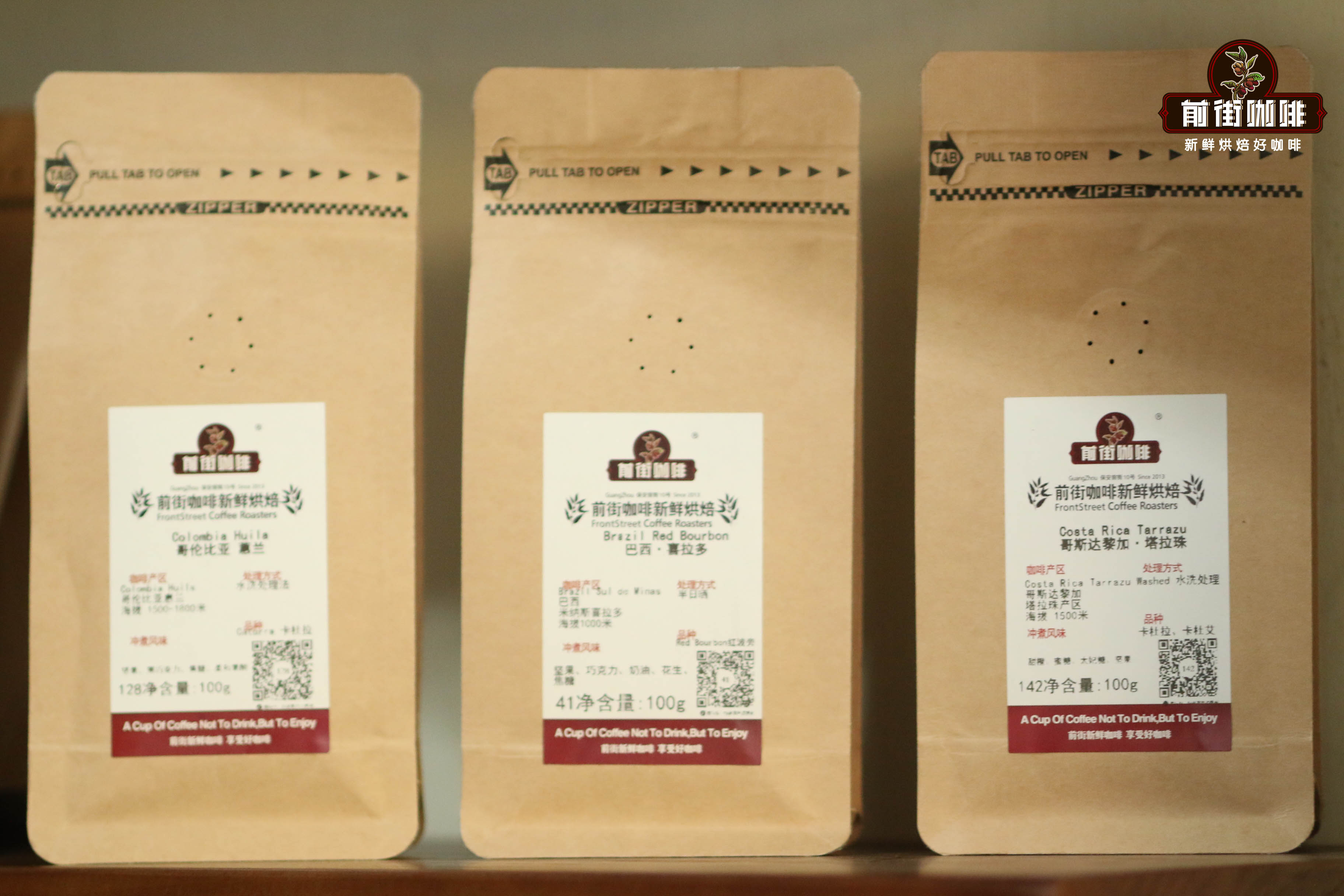
Next, FrontStreet Coffee introduces the flavor characteristics of each of the eight regions.
West Valley (Valle Central Occidental):
West Valley boasts rich volcanic soil, ample sunshine, an average annual relative humidity of up to 81%, abundant rainfall, and an average annual temperature of 21.5°C. Crops here grow vigorously - ideal for high-quality, high-altitude coffee. The region sits at 1,000-1,200 meters with a harvest season from November to March, one of the longer harvest windows. Influenced by Pacific air currents, temperatures often run cooler than other high-altitude areas, and the resulting fruit and seed quality is exceptionally fine.

Central Valley (Valle Central):
The Central Valley is Costa Rica's earliest coffee-growing area. With moderate rainfall of 118 inches annually, an average annual temperature of only 19°C, and an altitude of 1,200-1,600 meters, its harvest runs from November to March of the following year. The high altitude produces hard, aromatic, smooth beans with high acidity, full body, and rich flavor. As the country's oldest coffee zone, it has rich volcanic soil that sometimes lends chocolate notes. FrontStreet Coffee's lots are washed in the early stage and machine-dried at low temperature afterward.
Tarrazu:
Tarrazu is one of the world's major coffee regions. Located south of the capital San Jose, it is among Costa Rica's most prized growing areas. The coffee here is limited in quantity, grown on land known as "La Minita," offering light, pure flavors and pleasant aromas.

Tres Rios:
Tres Rios is a famous sub-region of Tarrazu, near the capital's eastern side, where the Irazú Volcano and surrounding rivers create an outstanding microclimate. At 1,200-1,650 meters with a harvest from December to March, the area's excellent climate yields distinct flavors and superb balance: bright, gentle fruit acidity, nutty notes, charming floral toffee sweetness, smooth high acidity, hard and full beans, and rich aromas.
Orosi:
At 900-1,200 meters with a harvest season from September to February, Orosi lies in a valley 40 kilometers from San Jose. Its coffee tradition stretches back over 100 years, with communities built around the crop. The coffee is smooth, full-bodied, and fragrant, with balanced flavors.

Brunca:
At 800-1,200 meters with a harvest from August to January, Brunca is the newest region, offering moderate acidity, full body, and a modest aroma. It suits a wide range of drinkers and blends well with other regions' coffees.
Turrialba:
At 600-900 meters with a harvest from July to December, Turrialba shows moderate acidity, relatively thinner beans, and fragrant aromas. Its harvest is the earliest of all Costa Rican regions, mainly thanks to abundant rainfall.

Guanacaste:
At 900-1,200 meters, the coffee areas of Guanacaste sit in the volcanic mountains and the Guanacaste range. About 85% of the plantations here border forest, letting coffee trees grow naturally and enabling sustainable cultivation. The region's coffee grows on Andisol volcanic soil of high fertility and excellent structure, mainly planted with Caturra and Catuai varieties of lower acidity.

That concludes FrontStreet Coffee's tour of Costa Rica's regions. Tarrazu is one of our favorite origins, so we have brought many of its beans into the shop - and next, we introduce them.
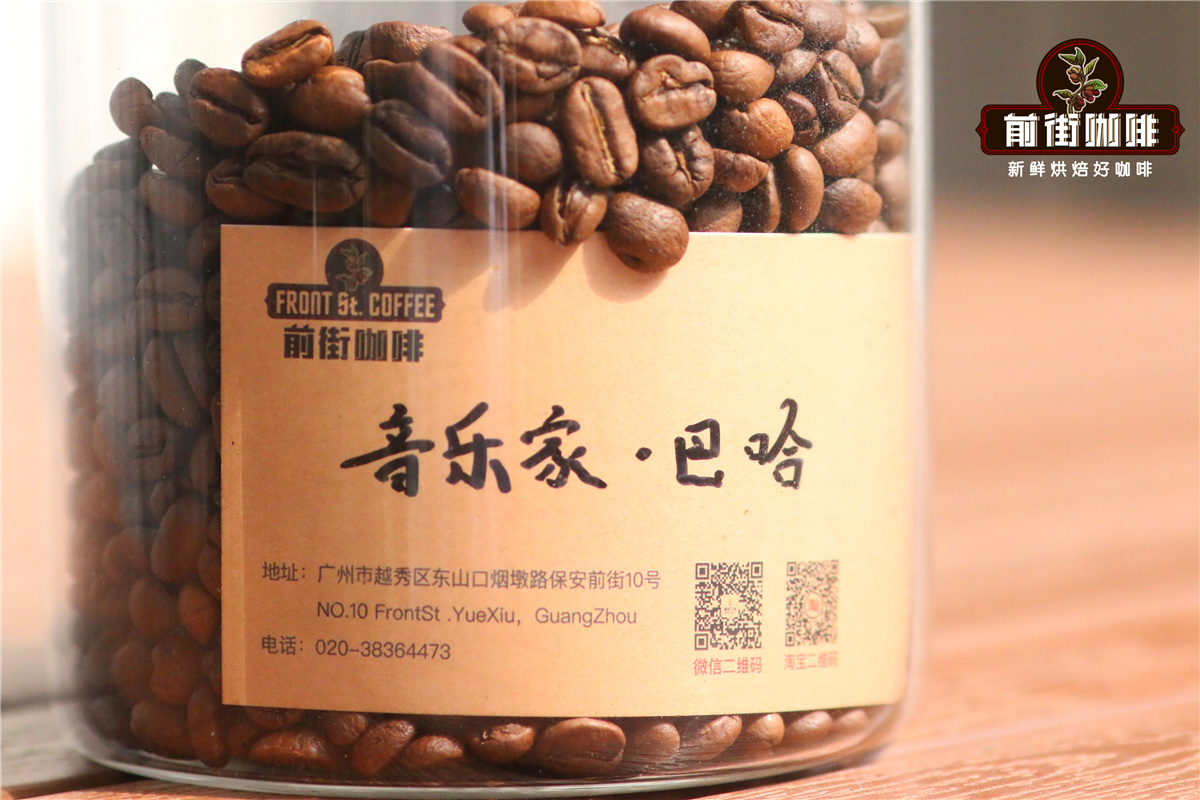
FrontStreet Coffee has introduced three Costa Rican Musician Series beans from Black Gold Company: FrontStreet Bach, FrontStreet Mozart, and FrontStreet Beethoven, all from the Canet Estate in Tarrazu. The Musician Series once turned heads across the coffee world with its astonishing flavors - and whatever the early debates, it has proven a great success.

FrontStreet Bach and FrontStreet Mozart use raisin honey processing, a special take on the honey method: the cherries are first dried, skin and pulp intact, to a raisin-like state; the skin and pulp are then removed and drying is completed. Beans processed this way carry very rich raisin, dark berry, and fermented fruit-wine flavors.
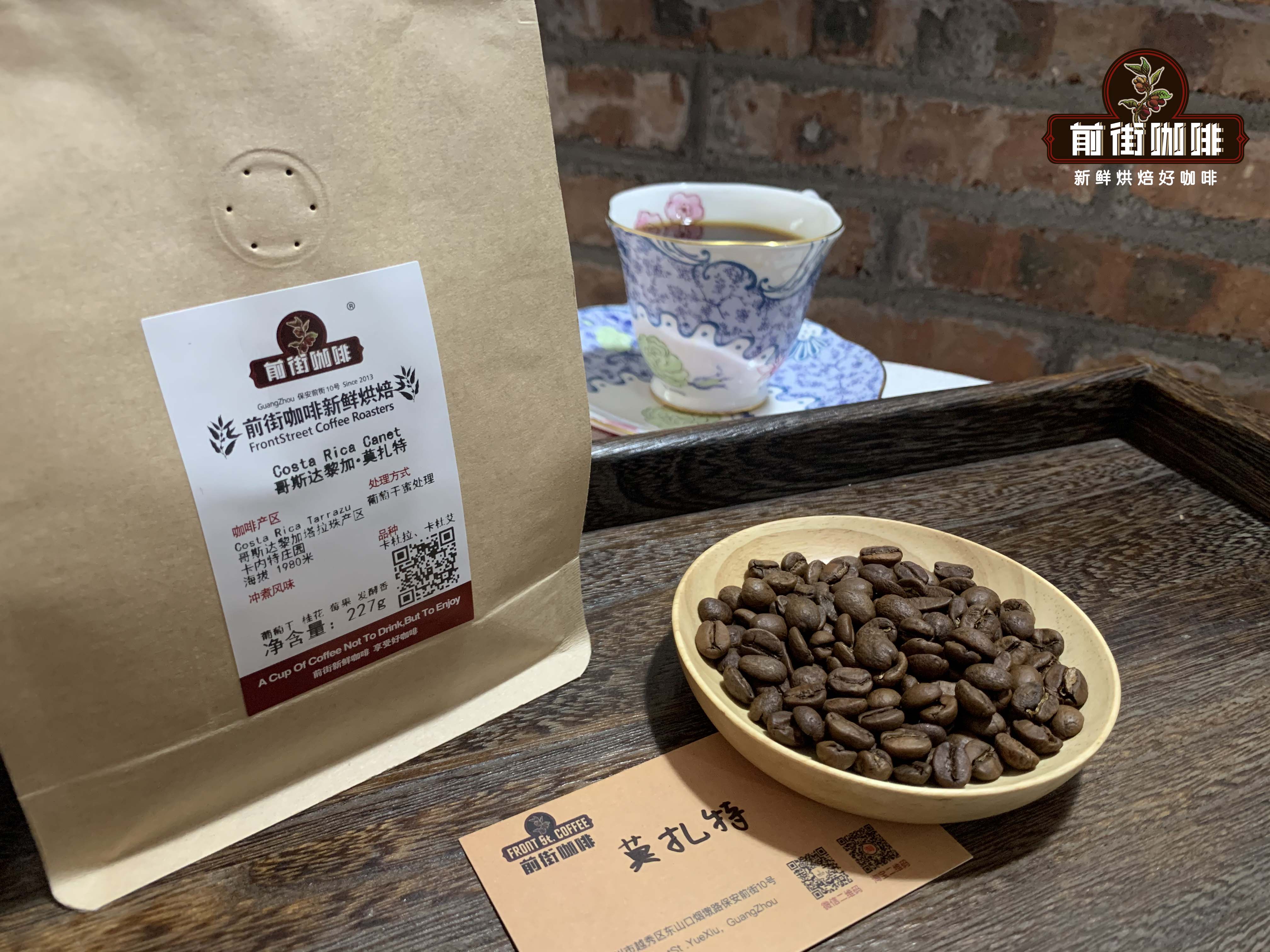
The biggest difference between Bach and Mozart is the degree of fermentation. Bach is fermented more deeply, gaining fermented wine aroma and air-dried beef notes; Mozart's fermentation is slightly lighter, emphasizing dark fruit.
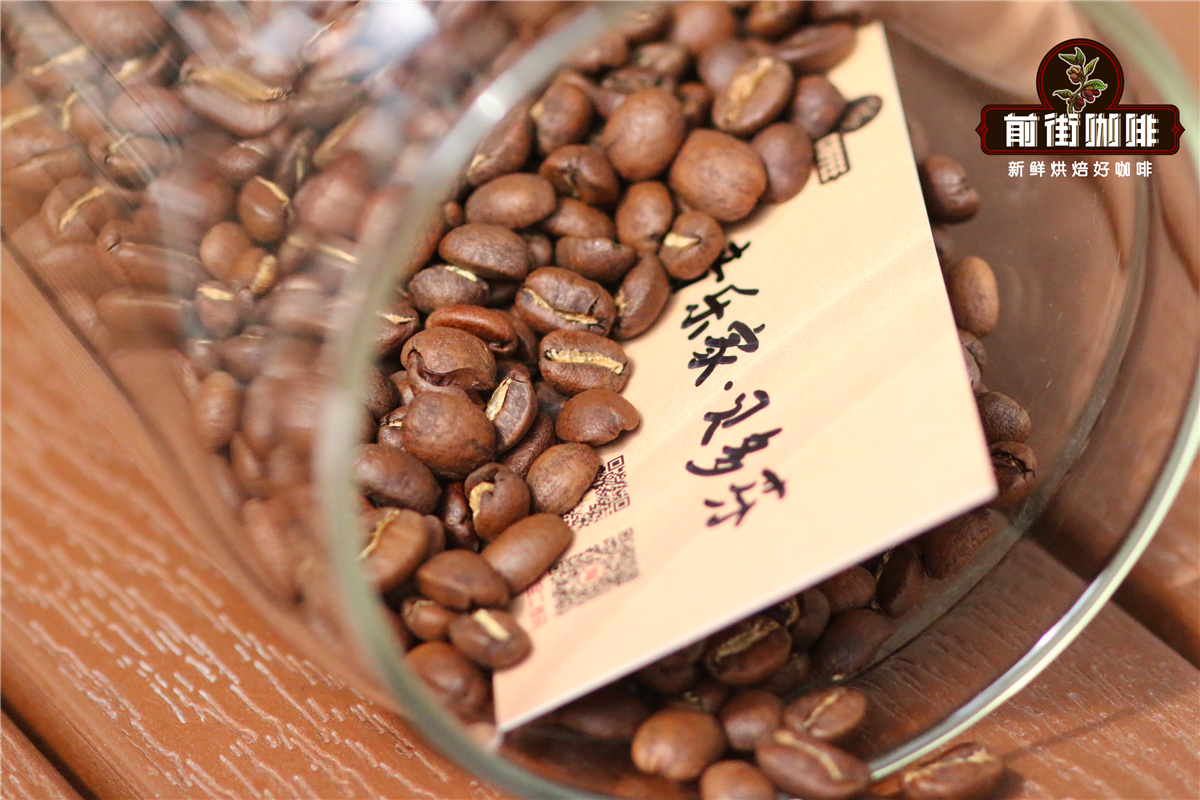
The third is FrontStreet Beethoven, washed-processed, with flavors of yellow-fleshed fruits such as mango, papaya, and wampee.
FrontStreet Coffee also carries another Tarrazu bean: the FrontStreet Geisha Blend Strawberry Candy from the Mirasu Estate. As the name suggests, this blend is built on 50% Geisha, alongside ET47, SL28, and MAICO varieties. The Geisha contributes jasmine aroma while the other varieties enrich the strawberry and berry character, and the raisin honey process amplifies sweetness. Brewing should highlight the floral and berry aromas, with grape and strawberry flavors.

How FrontStreet Coffee Brews Its Costa Rican Coffee Beans
For brewing, FrontStreet Coffee uses 15g of coffee at a relatively fine grind - roughly 78-80% pass rate on a #20 (850 micron) standard sieve - and a 1:16 coffee-to-water ratio, which better suits this coffee's tasting concentration and brings out more aroma. After multiple brewing comparisons, 90-91°C water expresses the aroma and sweetness best. A V60 dripper enriches the cup's layers.
Process: add 15g of coffee to the dripper and pour 30g of water for a 30-second bloom. Raisin honey-processed coffee absorbs water and expands readily, releasing a fresh berry aroma.
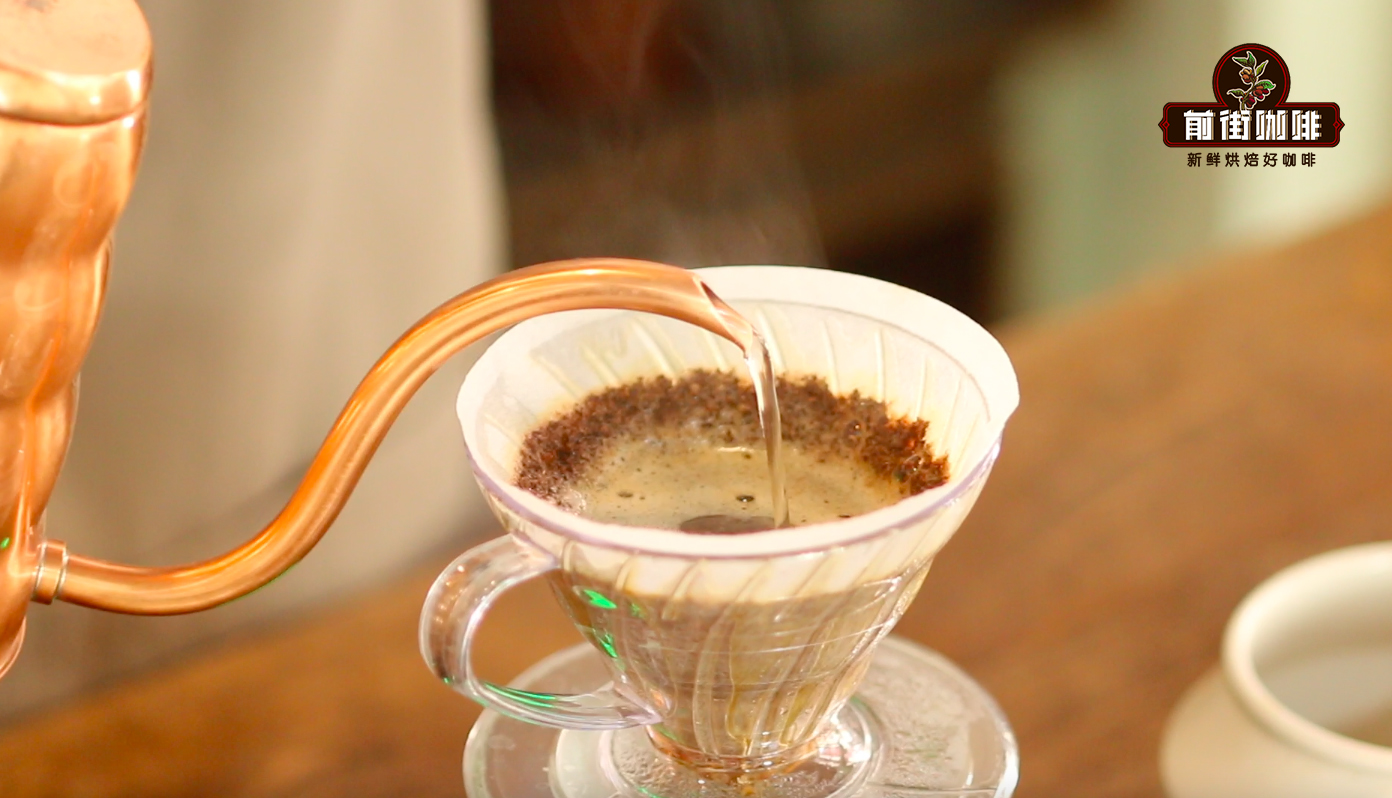
The second segment pours 120g of water in small concentric circles; the grounds layer sits roughly at the bottom of the short ribs. When the bed begins to sink, start the final 90g pour. End extraction once all the coffee has dripped through - total time about 1 minute 50 seconds.
FrontStreet Coffee Recommendation
Geisha lovers should go straight to the source, and FrontStreet Coffee carries Geisha from both its homeland and its famous adopted home. For an approachable entry point, the FrontStreet Boquete Geisha from Panama offers the classic orange-blossom honey character, oolong-tea texture, and delicate fruit acidity at a friendly price, while the FrontStreet Esmeralda Red Label and Green Label Geisha - grown at 1600-1800 meters with cupping scores above 90 - represent the pinnacle. On the Ethiopian side, the FrontStreet Granana Estate Geisha, sun-dried 14-20 days on raised beds and roasted medium-light, shows bright citrus, elegant ginger-flower aroma, and ripe fruit sweetness. For a budget-friendly Geisha experience, the FrontStreet Strawberry Candy blend - Costa Rica honey process plus Panama Geisha - pairs fine florals with sweet fruit across pour-over, moka pot, espresso, and cold brew.
Important Notice :
FrontStreet Coffee is a long-established specialty coffee roaster in Guangzhou China, selling freshly roasted beans from its own farm in Yunnan as well as dozens of carefully selected single-origin beans from around the world for both pour-over and espresso. The products deliver consistently excellent quality and great value, with shipping within 24 hours. Guangzhou's FrontStreet Coffee shop is recommended by many coffee lovers, and the beans are now available online at the Tmall 。
FrontStreet Coffee has moved to a new address:
FrontStreet Coffee Address: 315,Donghua East Road,GuangZhou
Tel:020 38364473
 Scan and follow the En Gafei WeChat official account. Please indicate that the reprint comes from "En Gafei".