What are the Flavor Characteristics of La Flor Brand Washed Coffee Beans from Guatemala's Bella Carmona Estate by the Zelaya Family?
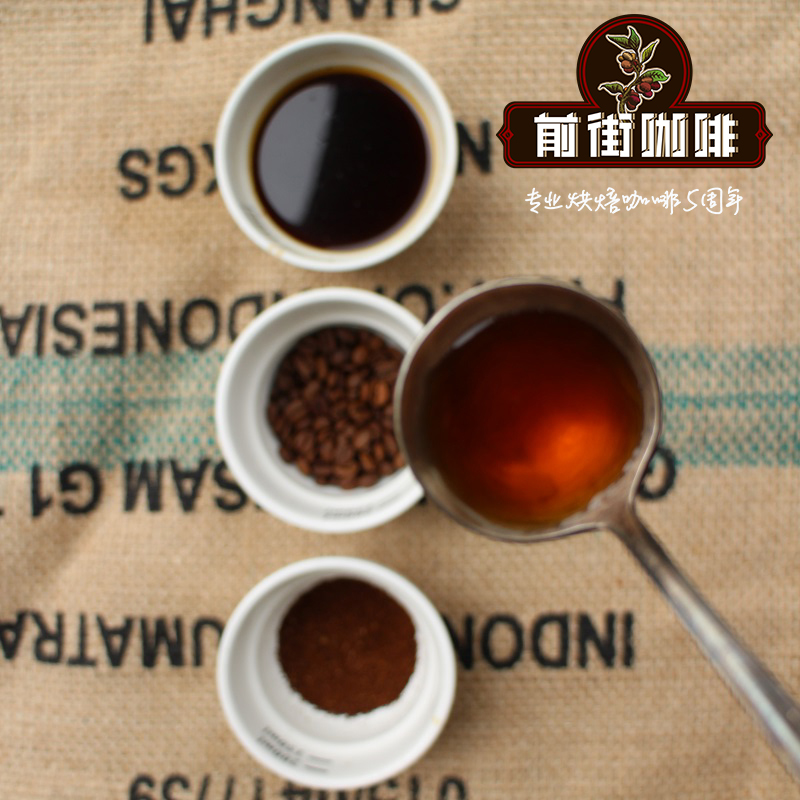
Guatemala La Flor Bella Carmona Estate Zelaya Family Washed Bean Flavor?
The Naming of La Flor Coffee:
@Type 1: Produced with technical support from Costa Rica's Laminita Estate and named in Spanish as La Flor (full name: Antigua La Flor del Café), with an aroma profile featuring floral and caramel notes.
@Type 2: Produced by Pastores Estate and named in French as La Follie (full name: Antigua La Folie Bella Carmona), with an aroma profile featuring floral and fruit notes.
Guatemala Coffee Overview
Guatemala lies on the Central American isthmus, with many high mountains and plateaus formed by volcanoes, producing high-quality, extremely hard high-altitude Central American beans and ranking as the world's ninth-largest coffee producer. Guatemala's main coffee growing regions include seven major areas: Antigua, Huehuetenango, Atitlan, Coban, Fraijanes, San Marcos and Acatenango. All coffee produced in Guatemala's seven major regions is Arabica, grown on highland terrain under subtropical conditions with abundant, stable rainfall and fertile volcanic ash soil—natural conditions extremely well suited to coffee. Each region has its own flavors, with excellent acidity and fruity aromas, smooth and palatable. The Antigua region occupies the whole area centered on the Madre Plateau in the mountains that cross Guatemala, and thanks to its natural conditions Antigua has become Guatemala's most famous growing region.
Personal Experience with La Flor
Two years ago I imported a batch of La Flor, and whether it was light, medium or dark roasted it was extremely acidic. Since that batch, I swore I would never touch La Flor again. But then I heard about the great reputation and reviews of Bella Carmona and couldn't resist getting some to try, to see who would win in the final battle between La Flor and La Follie. La Follie was once Starbucks' 2004 Coffee of the Year, emphasizing aroma; medium-light roasted, its characteristics are fruit tea with elegant floral aromas, a refreshing taste and bright coffee cherry acidity. Important context—batches of La Flor from Guatemala's growing regions vary widely, and different batches not only taste very different but also vary significantly in quality, so only cupping can determine which batch is good. Not everything labeled "La Flor" is delicious; it is full of landmines, depending on who is unlucky enough to step on one.
Zelaya Family Legacy
For four centuries, the Zelaya family, owners of the estate, has been renowned for producing high-quality Guatemalan coffee. Bella Carmona is their brand, which has won many awards since taking first prize at the Guatemala National Expo in 1935. The Zelaya family treats maintaining excellent coffee quality as its most important commitment. Quality control begins with the selection of cultivated varieties and continues with strict supervision throughout raw bean processing, to ensure only the best products are exported. The family is also deeply concerned with ecological sustainability, and coffee is produced with sustainable operations and a healthy ecosystem in mind. Not only is all coffee shade-grown, but they also focus on environmentally friendly washing facilities: wastewater from the washing process is directed to sedimentation tanks, allowing the processing waste to decompose and serve as fertilizer. Ripe red cherries are harvested and transported to washing stations or processing plants. The fruit's outer skin is removed, it ferments in washing tanks, and after cleaning it is sent to rack beds for sun drying. When the parchment beans reach the appropriate moisture ratio, they are carefully bagged and sent to warehouses to continue aging until they reach the optimal flavor balance point, at which time they are hulled and prepared for export. The hulling plant sits within the estate so the entire process can be monitored and the best quality ensured.
Terroir Characteristics
The combination of volcanic soil, balanced rainfall and sun exposure, and traditional farming methods produces coffee with rich flavors, a thick texture, crisp acidity and excellent balance.
Guatemala has preserved more of the traditional Typica and Bourbon Arabica varieties than many other coffee-producing Latin American countries, contributing significantly to the flavor of Guatemalan Antigua coffee.
Flavor Profile
The aroma is full, with floral and sweet fragrances. On entry there is a rich sweet-and-sour sensation with delicate layers. The acidity is fine and varied, with excellent sweetness and a strong aftertaste, featuring chocolate-nut sweetness and fruit acidity. The taste changes delicately and diversely, with a smooth texture and medium richness and thickness.
Dry Aroma:
Floral, alpine fir fragrance, tea aroma, berries, cream, sweet lemon
Wet Aroma:
Caramel, sweet fragrance, floral, hazelnut chocolate, tea aroma, almond, honey
Slurping:
Good cleanliness, cream-like oils, tea aroma, sweet lime, delicate sweet and sour, hazelnut chocolate, fine and varied acidity, obvious floral notes, delicate sweet-and-sour changes, and a pleasant sweet chocolate and berry acidity in the aftertaste. Floral, caramel, vanilla, restrained acidity, nut-cocoa tones.
Brewing Recommendations
Brewing Parameters:
- Dripper: Hario V60
- Water Temperature: 90°C
- Grind Size: Fuji Royal grinder setting 3.5
Brewing Method:
Water-to-coffee ratio 1:15, 15 g of coffee grounds. First infusion with 25 g of water, bloom for 25s. Second infusion to 120 g of water, pause and wait until the water level in the coffee bed drops to halfway, then continue the slow infusion until reaching 225 g total. Extraction time approximately 2:00.
Analysis:
Using a three-stage brewing method clearly distinguishes the front, middle and back flavor profiles of the coffee. Because the V60 has many ribs and drains quickly, pausing during infusion helps extend the extraction time.
FrontStreet Coffee Recommendation
If it is the clean, washed character of a Guatemala La Flor that you enjoy, FrontStreet Coffee's washed Ethiopian coffees offer a similarly bright, transparent cup. FrontStreet Coffee's Gotiti Cooperative coffee—known in Chinese as Guodingding—comes from the Worka area at the southeastern edge of Yirgacheffe and is a standout example of careful processing: because the pulp is removed before drying, its inherent aroma comes through more clearly, with jasmine florals and bright citrus acidity, and after a medium-light roast it takes on green tea and honey notes. It suits pour-over, cold brew and espresso alike.
When it comes to washed processing, FrontStreet Coffee's Kenya Small Tomato is one of the best-known examples, since Kenya excels at double washing. The beans undergo an extra washing step—flotation, soaking, scrubbing away the mucilage, soaking again, drying and finally hulling—so that repeated rinsing and soaking bring the juice character to the fore. In the cup you'll find rich notes of cherry tomato, dark plum, pear and black plum with yellow sugar, juicy and sweet-and-sour—a favorite of many coffee enthusiasts.
And for a classic washed coffee at the top of its category, FrontStreet Coffee's Jamaica Blue Mountain No. 1 comes from the historic Clifton Mount Estate. Washed processing guarantees the intense aroma of Blue Mountain, showing pure notes of hazelnut, cream, chocolate and caramel with a balanced body in which no single flavor dominates or is missing.
Important Notice :
FrontStreet Coffee is a long-established specialty coffee roaster in Guangzhou China, selling freshly roasted beans from its own farm in Yunnan as well as dozens of carefully selected single-origin beans from around the world for both pour-over and espresso. The products deliver consistently excellent quality and great value, with shipping within 24 hours. Guangzhou's FrontStreet Coffee shop is recommended by many coffee lovers, and the beans are now available online at the Tmall 。
FrontStreet Coffee has moved to a new address:
FrontStreet Coffee Address: 315,Donghua East Road,GuangZhou
Tel:020 38364473
 Scan and follow the En Gafei WeChat official account. Please indicate that the reprint comes from "En Gafei".