How to Cup Kaffa Forest Geisha Village Geisha at Home? COE Scoring for Dry Aroma, Wet Aroma, Aftertaste, and Body
Professional Coffee Knowledge Exchange
For more coffee bean information, please follow Coffee Workshop (WeChat public account: cafe_style).
How to Cup Kaffa Forest Geisha Village Geisha at Home? How to Evaluate COE Scores for Dry Aroma, Wet Aroma, Aftertaste, and Body?
Cupping, much like wine tasting, is a way to objectively and comprehensively judge a coffee's sweetness, acidity, bitterness, aftertaste, aroma, and overall quality.
Cupping is practiced throughout coffee-producing regions as the most direct way to convey a coffee's distinctive character. Whenever green coffee is being considered for purchase at origin, it should be cupped first — the cupping table is where the buy-or-pass decision gets made.
Cupping Method
Here we'll walk through the 'DISCOVERY cupping method'.
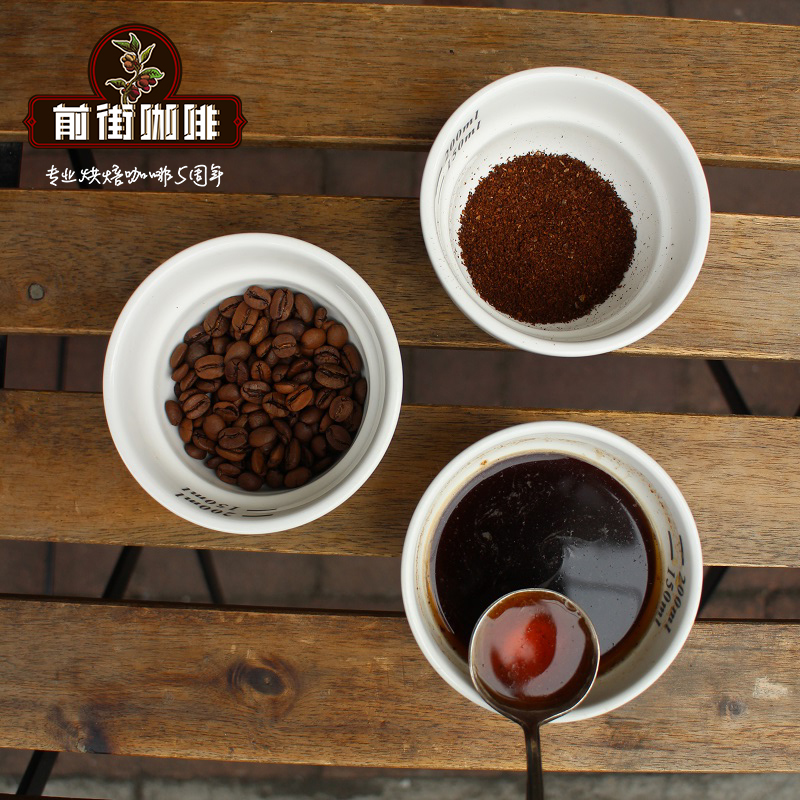
1. Prepare Equipment
- 10g coffee beans × 3 cups
(Use beans roasted just up to the beginning of second crack. Grind with a FUJIROYAL R-202 coffee grinder at setting ⑥.)
- Three identical glasses or containers
- Hot water (100cc) × 3
- Cupping spoon
(No cupping spoon? A tablespoon or any regular spoon works fine — some people find tablespoons actually work brilliantly.)
- Timer
- A glass of water for rinsing the cupping spoon
(The same spoon is used across all three cups, so rinse it between cups to keep the flavors from bleeding into each other.)
- A cup for the removed crust and for spitting
(During cupping, you hold the coffee in your mouth to read its flavor and aroma, then spit it into this cup.)
*Why prepare three cups of the same coffee?
If you cup only one cup and a single defective bean turns up in the sample, that coffee fails outright. Three cups per coffee gives you a far more reliable read.
Let's Start Cupping!
2. First, smell the aroma of the coffee grounds in the cup.
(At this stage the coffee is in ground form — this is called the "DRY" state. Once hot water is added, it becomes the "CRUST" state. These are two distinct readings.)
Start by experiencing the "DRY" aroma.
Cover the cup with your hand, give it a gentle shake, and smell the coffee aroma.
3. Add 100cc of hot water to each cup and set a timer for 3 minutes.
While the timer runs, smell the "CRUST" aroma. Bring your nose as close to the coffee as you can and inhale slowly.
4. After 3 minutes, break the crust on the surface with a cupping spoon.
Keep your nose close to the coffee to catch the released aroma, push the spoon down to the bottom of the cup, and stir slowly and widely three times to break the surface layer.
5. Use the cupping spoon to skim the crust and floating grounds off the surface.
(Too many floating grounds and you'll risk a mouthful of grit when you slurp, so clear them away as thoroughly as you can.)
6. Gently scoop liquid with the cupping spoon, put it in your mouth, and inhale forcefully to atomize it across your palate, then evaluate sweetness, acidity, bitterness, aftertaste, body and mouthfeel, uniformity, and flavor balance.
Atomizing the coffee across your mouth makes the flavors much easier to read.
Rest the cupping spoon against your lower front teeth, tilt it slightly downward, and inhale sharply.
Because of the forceful inhalation, don't be surprised if you make whistling sounds — a "beee—" or "shoo—" is perfectly normal.
7. Also observe how the flavor changes as the coffee cools.
Each degree of cooling reveals another layer of the coffee's character.
To understand coffee flavors,
To become skilled at slurping,
What matters most is cupping daily, committing flavors to memory, and turning it into a habit.
Coffee Expression
Below are expressions commonly used to describe coffee.
It's a world strikingly similar to wine's.
■ Aroma
Spicy, herbal, nutty, floral, caramel-like, vanilla-like, wine-like, fruity, grass-like, dry, astringent, earthy, over-fermented, burnt, smoky...
■ Acidity
Smooth, balanced, bright, refreshing, gentle, sweet, fruit-like, apple-like, lemon-like, citrus-like, peach-like, mango-like, yogurt-like, intense, stimulating, vinegar-like...
■ Body
Buttery, creamy, oily, delicate, silky, full-bodied, velvety, watery, light...
■ Aftertaste
Persistent, resonant, mild, distinct, sweet, disappearing instantly, astringent residue...
■ Clean
Clean, impurity-free, transparent, cloudy...
By cupping repeatedly,
You gradually learn how to name the individual flavors and aromas each coffee carries.
While you cup,
Enjoy the coffee and keep trying to express and interpret what you taste.
That's how you'll start noticing flavors and aromas you never caught before.
(Cup of Excellence = COE)
The international competition known as the Cup of Excellence (COE) also relies on 'cupping' to judge specialty coffees, with verdicts reached by panels of both domestic and international judges.
Plenty of people dislike coffee's acidity, yet acidity plays a central role in evaluation: the kind of sweetness that rides along with well-managed acidity is one of the strongest drivers of high scores.
FrontStreet Coffee's Geisha Village Cupping Results:
Dry aroma: wine-like, apricot. Wet aroma: sweet orange juice sensation, jasmine flower, sweet peach, wine-like, pineapple — bright and rich. Slurping reveals citrus, tropical fruit, ripe fruit, berry notes, citrus, and a light fermented wine aroma. The acidity is clear and luminous, the texture smooth, with grape, maple syrup, and wild ginger flower notes, delicate fruit acidity, and a clean, balanced mouthfeel that finishes on a lingering, lively fruity sweetness.
FrontStreet Coffee Recommendation
Geisha Village is one of Ethiopia's most rigorously graded estates, growing three Geisha varieties — Gori Gesha, Geisha 1931, and Illubabor Forest — across four tiers: Gold Label RARITIES, Red Label GROWERS RESERVE, Green Label SINGLE-TERROIR, and the CHAKA lots. The FrontStreet Geisha Village Gold Label is the estate's top non-auction coffee, drawn from the Geisha 1931 variety (just 10% of total production) and refined through an exquisite natural process; the cup shows complex, layered flavor from dry fragrance through finish. The FrontStreet Geisha Village Red Label, from the Gori Gesha variety (15% of production), scores 88 or above on the SCA 100-point scale and comes as a single-terroir series with full traceability for every lot — farm block, variety, and processing date.
For an approachable first taste of Ethiopian Geisha, the FrontStreet Genji Chelbesa "Granlana Estate" Gesha is a great entry point: medium-light roasted, it keeps a pleasant white floral character while highlighting the bright sweetness of orange, guava, and citrus, with a remarkably clean finish. And if you'd like to experience the variety that made history, the FrontStreet Panama Esmeralda Red Label Gesha (Esmeralda Special) grows at 1,600-1,800 meters, must cup above 90 points, and is famous for its orange-blossom honey sweetness, oolong tea texture, and delicate fruit acidity.
Important Notice :
FrontStreet Coffee is a long-established specialty coffee roaster in Guangzhou China, selling freshly roasted beans from its own farm in Yunnan as well as dozens of carefully selected single-origin beans from around the world for both pour-over and espresso. The products deliver consistently excellent quality and great value, with shipping within 24 hours. Guangzhou's FrontStreet Coffee shop is recommended by many coffee lovers, and the beans are now available online at the Tmall 。
FrontStreet Coffee has moved to a new address:
FrontStreet Coffee Address: 315,Donghua East Road,GuangZhou
Tel:020 38364473
 Scan and follow the En Gafei WeChat official account. Please indicate that the reprint comes from "En Gafei".