Introduction to Congo Kahondo Processing Plant: How Should Congolese Coffee Be Enjoyed?
African Coffee Excellence
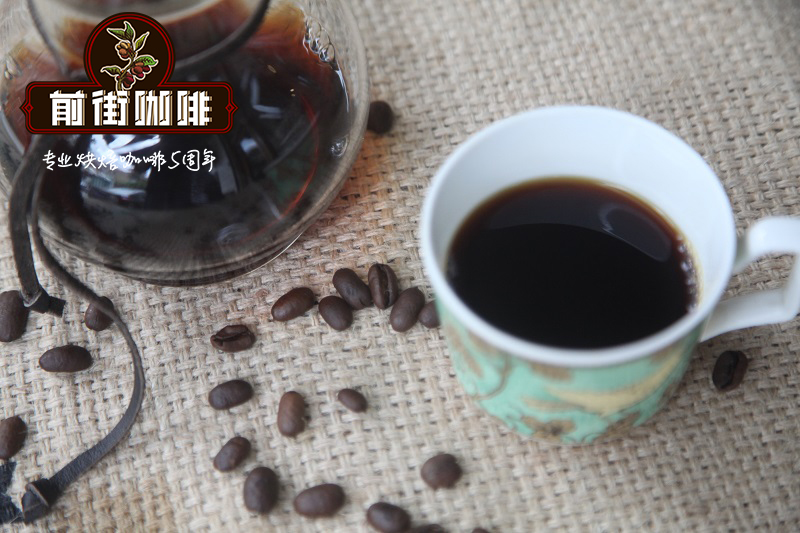
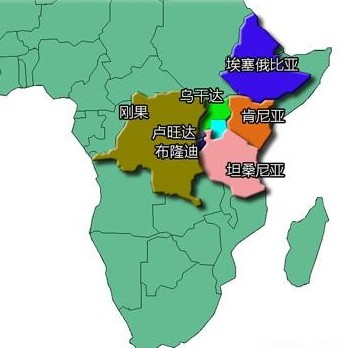
As the birthplace of coffee, Africa is a land blessed with wildly expressive beans, and it is well deserved that the continent produces some of the world's finest coffees. African beans carry unique, fragrant aromas with wild notes, and most show hints of red-wine acidity. Ethiopia's "Mocha" stands out in particular—the Harrar and Sidamo regions produce high-quality Mocha beans through dry processing, with fruit or wine aromas unmatched by other coffees—and Yirgacheffe beans are exceptional as well. Kenya's varieties are exquisitely delicious, showing brighter, livelier acidity than Arabica from other regions. Kenya AA is a highly renowned premium coffee bean.
Congo's North Kivu Region
Congo's North Kivu region enjoys abundant rainfall, high altitude, and fertile volcanic soil, making it ideal for cultivating Arabica coffee (Coffea Arabica). Yet the area suffers from a lack of basic infrastructure—roads, vehicles, clean water sources, and reliable electricity are all scarce, which makes specialty coffee production difficult. Colonial-era large plantations have dwindled into smallholders, averaging only about 100 coffee trees each. The cherries these farmers produce can only be resold to intermediaries at very low prices, and Congolese coffee is often smuggled to neighboring countries such as Rwanda or Burundi and exported under other countries' names, further squeezing farmers' income.
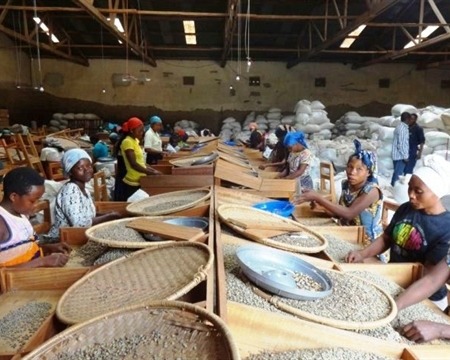
Kahondo Washing Station's Efforts
Despite these challenges, the Kahondo washing station overcomes production difficulties by personally helping farmers improve cultivation and by investing in local infrastructure. Through such efforts, coffee quality improved significantly this season, and farmers consequently receive better compensation than before.
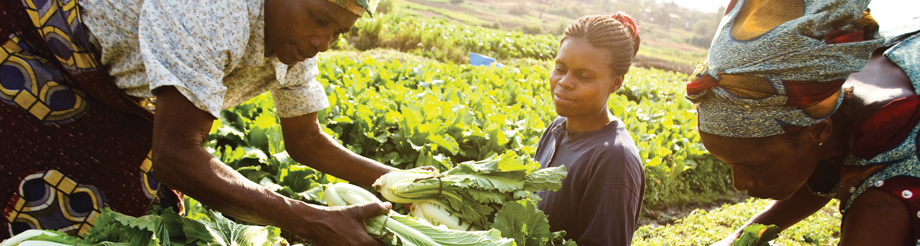
Processing Method
Harvested cherries are placed in water tanks for washing and sorting, removing the unripe cherries that float on the surface because of their low density; these floaters are processed separately into lower-grade coffee. Mature cherries are laid on African raised beds to sun-dry for 12 to 15 days until they reach optimal moisture content. The cherries must be turned regularly and consistently to ensure even drying and to prevent mold or rot. Once drying is complete, the cherries are transported to Butembo for dry milling, grading, and finally bagging for export.
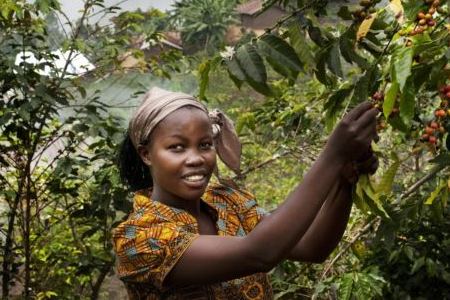
Global Recognition
World-renowned brands recognize Congo's exceptional coffee quality. Starbucks has launched a Congo single-origin coffee, and Blue Bottle has also worked Congo into its blends.
Coffee Details
Origin Country: D.R. Congo
Variety: Bourbon
Region: North Kivu
Supervision: Virunga Coffee Company
Washing Station: Kahondo washing station
Producer: Local small farmers
Altitude: 1550-1900 meters
Processing Method: Natural
FrontStreet Coffee recommends brewing Congo coffee at 86-88°C to preserve its rich, full-bodied taste and wild characteristics.
FrontStreet Coffee Recommendation
Congo's natural processing and wild, fruit-forward character call for a bean that shares that same unabashed sweetness. FrontStreet Coffee's Sun-Dried Red Cherry, a Yirgacheffe natural lot, is an excellent companion cup. It is picked from fully ripe red cherries, raised on drying beds, and turned every two to three hours during the first few days to keep fermentation even; after three to five weeks in the sun, the fruit is hulled and rested. Because the beans dry with the fruit still on them, the cup keeps the classic Yirgacheffe identity while adding tropical fruit depth—citrus-like acidity, berry juiciness, honeyed sweetness, and a creamy, smooth body.
Brew it as a pour-over: use a V60 with 15g of coffee at a 1:15 ratio and water at 90-91°C, grinding to about the size of fine sugar (roughly EK43s setting 10). Bloom with 30g of water for 30 seconds, then pour in stages until the scale reads about 225g, finishing the brew in 2:00 to 2:10. Served this way, the wild fruit and honeyed depth line up beautifully with the naturally processed, full-bodied spirit of a good Congolese coffee.
Important Notice :
FrontStreet Coffee is a long-established specialty coffee roaster in Guangzhou China, selling freshly roasted beans from its own farm in Yunnan as well as dozens of carefully selected single-origin beans from around the world for both pour-over and espresso. The products deliver consistently excellent quality and great value, with shipping within 24 hours. Guangzhou's FrontStreet Coffee shop is recommended by many coffee lovers, and the beans are now available online at the Tmall 。
FrontStreet Coffee has moved to a new address:
FrontStreet Coffee Address: 315,Donghua East Road,GuangZhou
Tel:020 38364473
 Scan and follow the En Gafei WeChat official account. Please indicate that the reprint comes from "En Gafei".