Introduction to Guatemala Einheit Manor Ruby Geisha Coffee_The Historical Origins of Guatemala Geisha

FrontStreet Coffee: Guatemala Ruby Geisha Coffee EI02-02 Batch
Name: Ruby Geisha Coffee - Natural Process EI02-02 Batch GESHA RUBY DRY PROCESS EI02-02
Estate: El Injerto Estate
Certification: Rain Forest Alliance and CARBON NEUTRAL
Award Record: 2017 COE 3rd Place
Batch: EI02-02
Harvest Date: January to March 2018
Variety: MALAWI GESHA
Growing Altitude: 1710 masl
Average Temperature: 13ºC to 26ºC
Rainfall: Average approximately 1500 mm
Origin: Huehuetenango, Guatemala
Historical Origin
This luxurious exotic seed was handed to us personally by an excellent friend from Malawi, using the traditional method of preserving seeds in local soil ash to extend their storage time. The seed is smaller than traditional Geisha beans, but when the fruit ripens and is ready for picking, it presents a dark ruby-like red color, which is the origin of its name. The plant is also slightly smaller than traditional Geisha varieties.

Cupping Notes
This is a bean with excellent flavor and complexity. The dry and wet aroma is rich with blueberry, raspberry, cherry, and floral notes, and subtle spice notes mixed with the characteristic fermented wine aroma of natural processed beans. When tasting, the flavors of jasmine, melon, and fermented sweet wine are quite prominent, followed by a chocolate-like sensation in the mouth with a light minty finish enriching the entire cup. After cooling, citrus chocolate flavors emerge and connect.
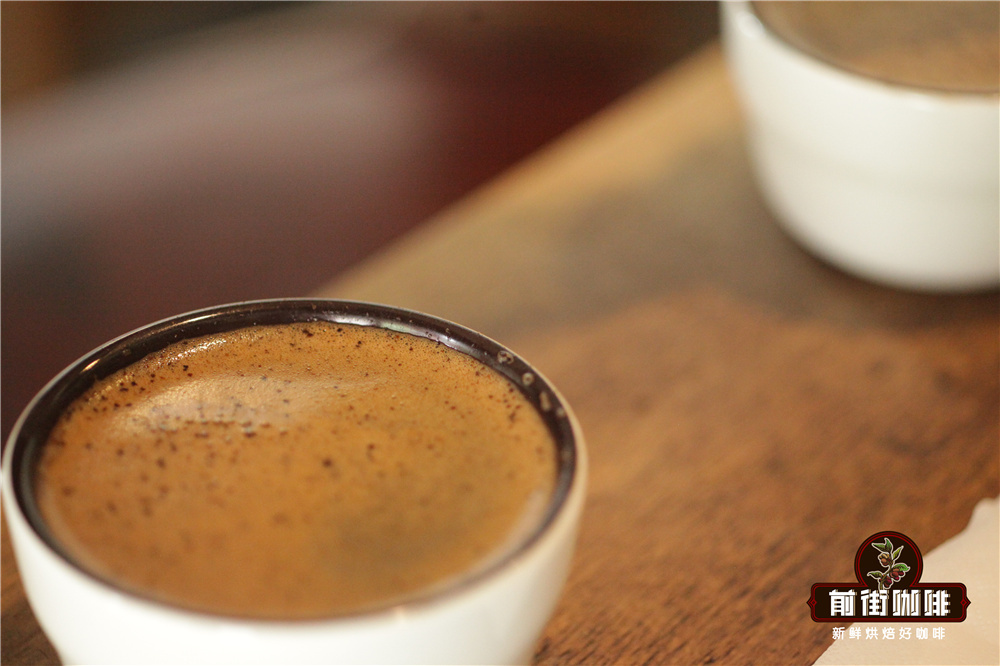
Geisha Coffee
Geisha (also written "Gesha") is a rare coffee variety that only performs exceptionally well under very special conditions. It was discovered in a Kaffa forest in Ethiopia, first found growing wild near the town of Geisha. Geisha coffee grows in Ethiopia, the birthplace of coffee and its genetic kingdom, home to numerous varieties, which is why many Ethiopian coffees are simply labeled "heirloom" in terms of variety.
The Geisha variety was discovered in 1931 in the Geisha forest of Ethiopia. It received little local attention and was used directly as a windbreak until Panama's Hacienda La Esmeralda took an interest. Geisha was later sent to the Coffee Research Institute in Kenya, introduced to Uganda and Tanzania in 1936, to Costa Rica in 1953, and to Panama in 1970. Finally, Panama's Hacienda La Esmeralda separated it from other varieties and entered it in competitions, becoming the BOP champion in 2004. It became famous overnight, and thus Geisha entered everyone's view, becoming a leader among specialty coffees.
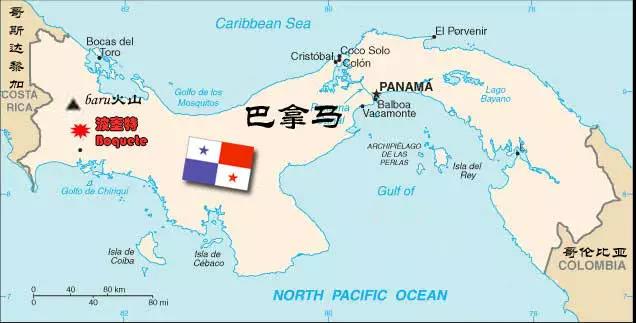
Geisha coffee originated in Ethiopia but became famous through Panama's Hacienda La Esmeralda. Panama Geisha has citrus, fruity sweetness without sharp acidity, honey, and a rich texture, a coffee that almost everyone loves. Compared to Ethiopian coffee, Geisha has more of a juice-like quality, like a glass of fruit tea, very delicious and leaving an endless aftertaste. Besides Panama Geisha, FrontStreet Coffee also offers Costa Rica Mirasu Geisha blend coffee, Colombia Hanami Geisha coffee, and more. Geisha's flavor varies by producing region. Although Panamanian Geisha is considered the best tasting, Geisha from other regions is also excellent, because each producing region has its own terroir characteristics and its own merits.
Geographical Environment
Guatemala has volcanic soil, and its coffee beans naturally carry this characteristic, a signature feature of Guatemalan coffee. Guatemala has eight coffee-producing regions, with tropical rainforests, volcanic geology, and highland valleys creating diverse coffee flavors. Among them, Antigua and Huehuetenango are the two most famous regions. El Injerto Estate has always played a pioneering role in Central American specialty coffee. About 50 years ago, it was one of the first estates to focus on single varieties and vertically integrated production of high-quality coffee.
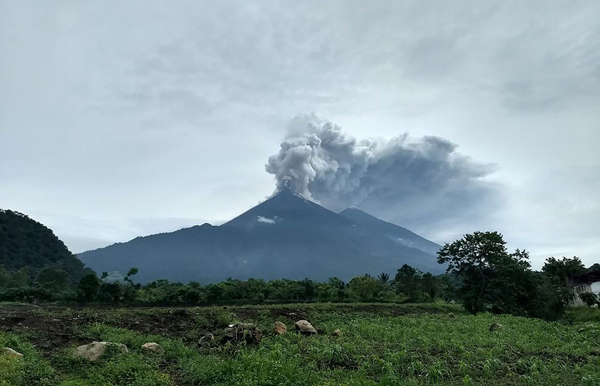
El Injerto Estate has long been a pioneer in Central American specialty coffee. It has won 16 awards over 11 years in COE competitions. El Injerto Estate covers a total area of 447 hectares, mostly located between 1,500 and 2,000 meters above sea level, growing coffee, fruits, basic food crops, and ornamental plants. The remaining hectares are preserved as millennium-old primary forest. The estate has a special temperature curve and enjoys clean water sources from mountain springs.
This also creates a perfect habitat for wildlife, allowing coffee trees to grow within a natural ecosystem. The estate's annual rainfall is approximately 1,800-2,000 mm, with relative humidity of 75%. The soil is deep volcanic soil with good drainage and rich organic matter, producing excellent coffee cherries.

Jesus Aguirre acquired the estate in 1874. He initially planted sugarcane to make panela (brown sugar), while also growing corn, beans, and tobacco. During the 1900s he began planting coffee and called the growing area "El Injerto," a name derived from a local fruit. Since then, El Injerto Estate has been a leader in quality and innovation in Guatemala's coffee industry.
Huehuetenango / El Injerto Estate
Among Guatemala's three non-volcanic coffee-producing regions, Huehuetenango is the highest and driest. El Injerto Estate is located on the famous Huehuetenango plateau, and the Aguirre family has been growing coffee since 1900. The estate name "Injerto" is taken from a local fruit name.
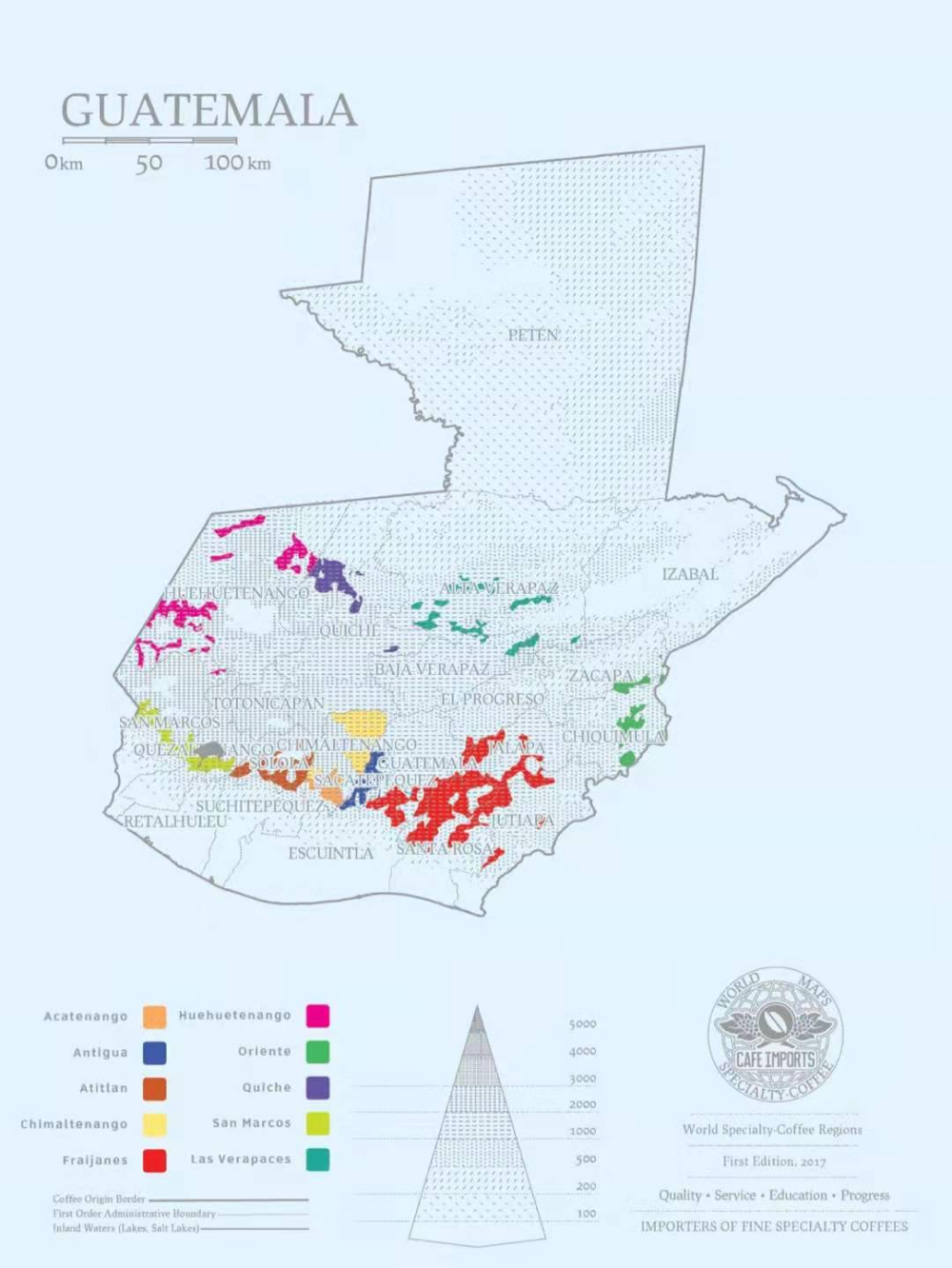
El Injerto Estate places special emphasis on ecological protection and organic cultivation techniques, implementing strict quality control to ensure green coffee quality. Through the Aguirre family's efforts, El Injerto Estate has also received Rainforest Alliance certification and has been a frequent winner in international coffee competitions since 2002.
El Injerto Estate, which has won multiple COE championships, is located on the Huehuetenango plateau. The estate began growing coffee in 1900 and is operated by the Aguirre family. Large areas of primary rainforest are preserved within the estate, with extensive plant shade coverage. The average temperature is around 18 to 22 degrees Celsius. Extensive shade coverage, high-altitude cultivation, abundant sunlight, and pleasant temperatures provide a unique environment for coffee trees.
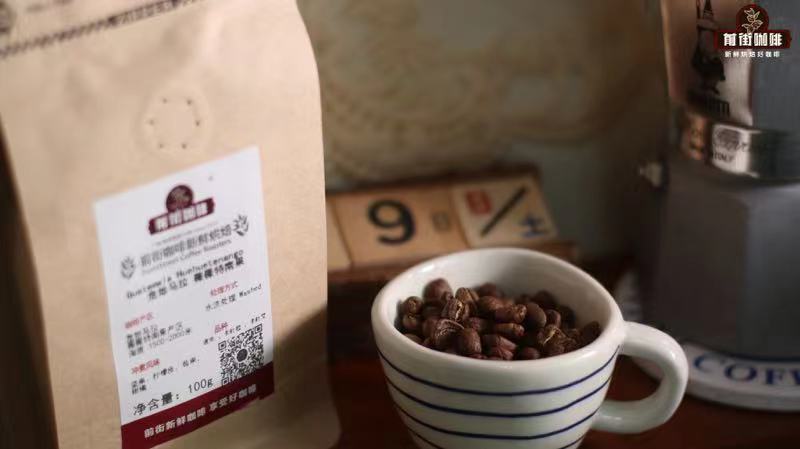
As one of the most famous coffee-producing regions, the coffee here has flavors of berries, lemon peel, and fruit acidity. Compared to Ethiopian coffee, the texture is relatively thicker.
About the Pacamara Variety
Pacamara became world-famous through the Cup of Excellence (COE) in 2004, frequently winning championships within two to three years. The Pacamara produced by Guatemala's El Injerto Estate set a record price of $80.2 per pound of green beans in 2008. The variety's origin and name: it is a derived variety from Maragogype (Elephant Bean) and Pacas, taking the first four letters of each to form Pacamara. It is an excellent coffee variety developed in El Salvador. The beans are very large, similar to elephant beans at about 21-22 mesh, making it an outstanding coffee variety in Central and South America in recent years.

Although the Pacamara variety looks quite similar to its cousin, the elephant bean, since 2006 COE has cupped Pacamara from 30 estates, with some flavors truly superstar-caliber, such as 2006 Honduras champion Santa Martha, 2007 El Salvador third-place Cerro Negro, Guatemala's regular COE champion estate El Injerto, and 2008 El Salvador runner-up Pacamaral Estate. These are all excellent Pacamara representatives, but they are all award-winning lots, so the prices are very high.
Self-Organized Auction
El Injerto is also one of the few estates that organizes its own online auction, renowned alongside Panama's Hacienda La Esmeralda auctions, making it a must-attend event for global green coffee buyers. Starting in 2011, El Injerto has offered its best-quality coffee lots for auction, called the "El Injerto Estate Auction." These lots are meticulously handled from variety cultivation, planting, and harvesting through to post-processing.
Unique Coffee Processing Methods
El Injerto employs workers paid double the local wages to manually select fully ripe coffee cherries. They have an independent water processing facility where, after pulping, they perform two bean-size gradings, then wash the beans with clean mountain spring water. Next, the beans enter clean water tanks, ferment for 2 days, and sun-dry for 7 days. Finally, they are stored in warehouses for at least 45 days before being sent for professional cupping.

FrontStreet Coffee Roasting Recommendations
FrontStreet Coffee has two Guatemala coffees: one is a daily-drinker Huehuetenango coffee with varieties of Bourbon, Caturra, and Catuai; the other is a single-origin Guatemala Flora God coffee with varieties of Caturra and Bourbon. Guatemalan beans naturally have the Latin American characteristic nut and cocoa notes, with light floral aromas and soft fruit acidity. FrontStreet Coffee uses a medium-light roast to preserve more floral and fruit aromas, with clean and bright acidity.
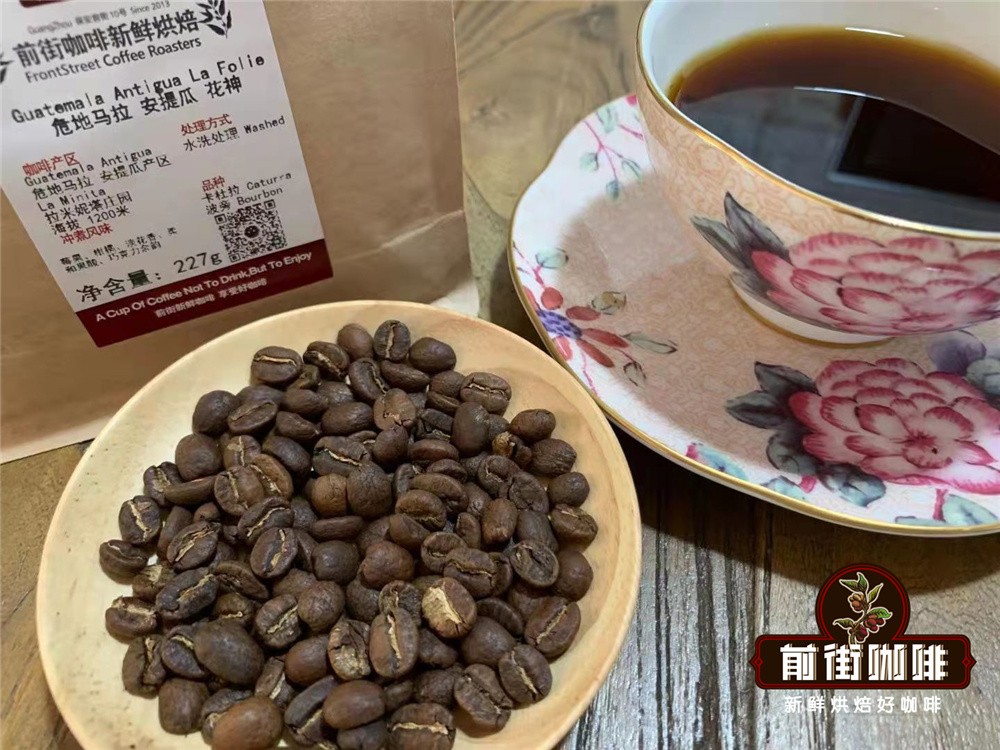
FrontStreet Coffee Guatemala Coffee Brewing Parameters:
Guatemalan coffee beans are medium-light roasted, and the dissolution rate of coffee substances in lightly roasted beans is lower than in dark roasted beans. FrontStreet Coffee suggests using a V60 dripper with a faster flow rate, higher water temperature, and finer grind size.
FrontStreet Coffee uses a medium-fine grind, fine-sugar consistency (80% pass-through on a China #20 standard sieve), with 15g of coffee grounds, a V60 dripper, 91°C water, a 1:15 coffee-to-water ratio, and a three-pour technique.
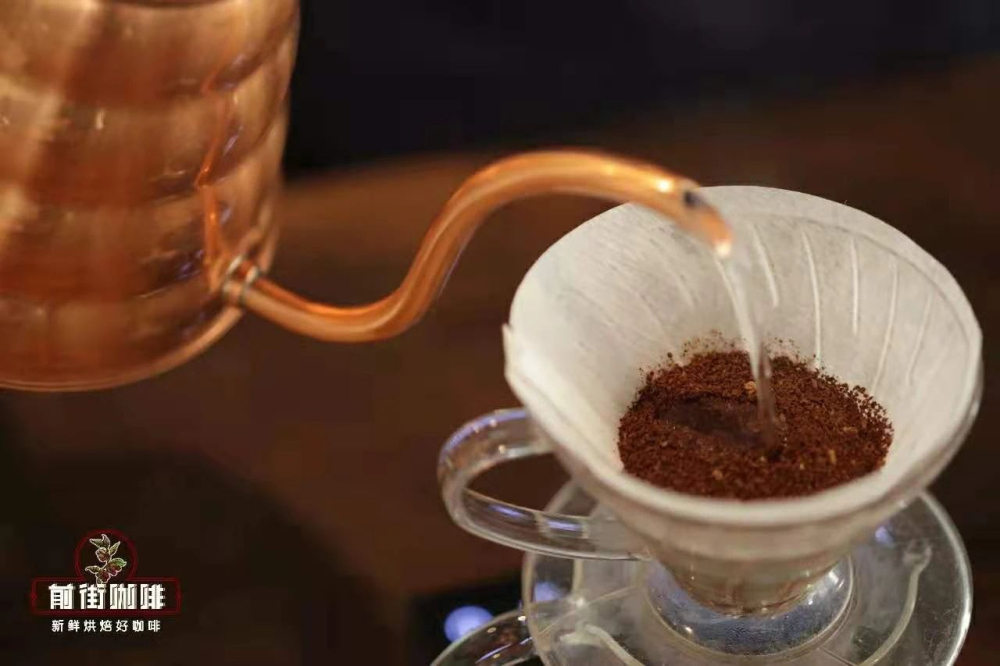
Using three-stage extraction, bloom with twice the water to coffee grounds, i.e. 30g of water for 30 seconds. Blooming lets the grounds release internal carbon dioxide, making the later extraction more stable. With a small water flow, pour in circles until reaching 125g, then continue pouring to 225g and stop. Wait until all the water has dripped through the filter, then remove the filter cup. Timing starts from the beginning of pouring, with an extraction time of 2'00". Next, lift the whole cup, swirl it evenly, and pour it into a cup for tasting.
Guatemala Huehuetenango Coffee Flavor Characteristics: Citrus and berry acidity, lemon peel, nutty aroma in the middle, tea-like finish.
Guatemala Flora God Coffee Flavor Characteristics: Berry acidity, citrus, light chocolate, rich layers, smooth texture.
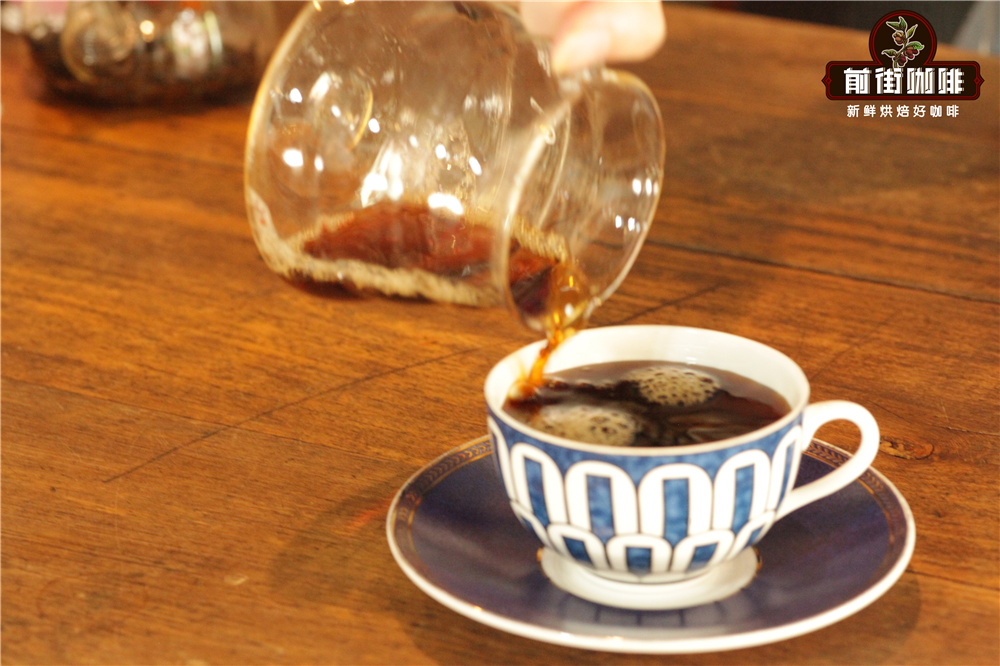
FrontStreet Coffee Brewing Recommendations:
Regarding coffee brewing, FrontStreet Coffee has always believed that bean freshness greatly affects flavor. Therefore, FrontStreet Coffee ships coffee beans roasted within 5 days. FrontStreet Coffee's roasting philosophy is "Freshly Roasted Good Coffee," ensuring that every customer who places an order receives the freshest coffee on arrival. The coffee resting period is about 4-7 days, so when customers receive it, it is at the peak of flavor.
For those who need ground coffee, FrontStreet Coffee gently reminds you: if the beans are ground in advance, there is no need for a resting period, because during transport the pressure from carbon dioxide in the packaging can also round out the flavor, so you can brew a cup immediately upon receiving the ground coffee. However, ground coffee needs to be brewed promptly, because once it contacts air it oxidizes relatively quickly, meaning the flavor dissipates faster and won't be as good. So FrontStreet Coffee suggests buying whole beans and grinding fresh before brewing, to better taste the coffee.
FrontStreet Coffee Recommendation
Geisha's price varies widely by grade, so it helps to understand the categories before buying. Panama's Hacienda La Esmeralda splits its Geisha into two lines: the Red Label, formally "Esmeralda Special," grown at 1,600-1,800 meters, with each lot cupping above 90 points and drawn from a single plot, such as the Jaramillo plot; and the Green Label, formally "Private Collection," which blends lots from multiple plots to express the estate's signature high-altitude Geisha profile at a more affordable price.
At the entry level, FrontStreet Coffee's Boquete Geisha is a good first taste of "Geisha flavor," offering the classic orange-blossom honey character, oolong-tea notes, and delicate fruit sweetness at an accessible price. For a single-variety estate Geisha from the origin itself, FrontStreet Coffee's Genlana Geisha comes from a processing station in Ethiopia's Kochere and Genlana Abaya area, established in 2014 and spanning 700 hectares; hand-picked cherries are dried on raised beds for 14-20 days, and the coffee is medium-light roasted to show bright citrus acidity, elegant ginger-flower aroma, and ripe-fruit sweetness.
Important Notice :
FrontStreet Coffee is a long-established specialty coffee roaster in Guangzhou China, selling freshly roasted beans from its own farm in Yunnan as well as dozens of carefully selected single-origin beans from around the world for both pour-over and espresso. The products deliver consistently excellent quality and great value, with shipping within 24 hours. Guangzhou's FrontStreet Coffee shop is recommended by many coffee lovers, and the beans are now available online at the Tmall 。
FrontStreet Coffee has moved to a new address:
FrontStreet Coffee Address: 315,Donghua East Road,GuangZhou
Tel:020 38364473
 Scan and follow the En Gafei WeChat official account. Please indicate that the reprint comes from "En Gafei".