Sidamo Washed Coffee Flavor Sidamo Guji Growing Area Introduction Sidamo Shakisso Coffee
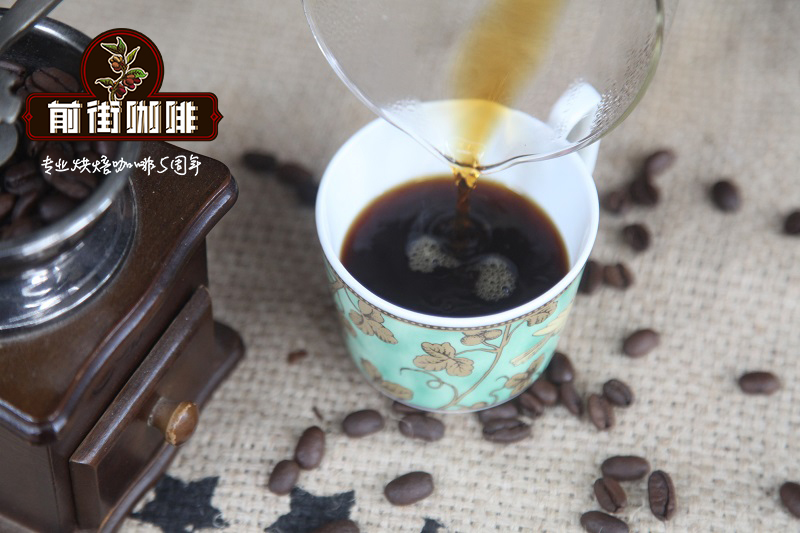
The Rich Flavors of Ethiopian Coffee
Anyone serious about coffee has almost certainly tasted Ethiopian beans. Ethiopia's main growing regions include Yirgacheffe, Sidamo, Kochere, Harar, and Guji - and among them, Sidamo is celebrated for its elegant, delicate, and remarkably diverse floral and fruity aromas.
Sidamo: Ethiopia's Southern Coffee Region
Sidamo is a coffee-growing region in southern Ethiopia, with elevations ranging from 4,600 to 7,200 feet (1,400-2,194 meters). It sits at the southern end of the Ethiopian Highlands, bordering Kenya. You might assume the African highlands would be water-scarce, pushing farmers toward natural processing - yet local washing stations actually offer both washed and natural-processed beans.
The Diversity of Sidamo Coffee
Sidamo's coffee is astonishingly diverse. The region spans towering mountains, plateaus, valleys, and plains with highly varied topography, and the abundant rainfall and fertile soil nurture outstanding beans. Among them, the washed coffees stand out for their clean, pure character, high fruit acidity, and rich body.
Guji: Ethiopia's Premier Coffee Region
Guji is part of Oromia, Ethiopia's largest coffee-growing region, named after the Oromo people.
The Guji zone borders the Southern Nations, Nationalities, and Peoples' Region (SNNP), which contains the Gedeo zone (home to Yirgacheffe) and the Sidama zone.
Ethiopia is the country with the richest coffee genetic diversity on Earth, with wild native varieties still growing in its forests. The cherries here develop at impressive altitudes, reaching as high as 1,900-2,380 meters. Abundant rainfall, fertile soil, and Ethiopia's complex ancient native varieties create perfect conditions. The result is dense fruit with concentrated flavors, and with controlled, slow, careful processing, cupping scores as high as 88 points.
Guji: A Rising Star in Coffee Production
Guji has attracted significant attention in recent years, delivering remarkable results in both flavor expression and overall quality - so much so that it has gradually emerged as an independent region, separate from Sidamo. Besides its well-known natural and washed lots such as Hambela and Shakisso, the zone has also established its own washing stations and even estates.
Shakisso: The Unique Coffee Region
Shakisso, located in Guji in southern Oromia, borders both Sidamo and Gedeo. The area is dotted with mining pits - originally dug for gold - which have left holes scattered across the coffee-growing land, making a walk through the plantations genuinely hazardous.
Shakisso is a distinctive corner of Guji/Sidamo. Even within Sidamo it remains a remote area far from most coffee-producing districts, and gold mining is another of its famous trades. Miners, land disputes, and ethnic tensions made the region unstable in 2006, so the greatest challenge it faces today is finding enough manpower to maintain the plantations and harvest the coffee.
Local smallholder farmers began growing organic coffee here in 2001, working closely with mid-sized producers who understand how to cultivate forest coffee in highland terrain.
Traditional Processing Methods
Coffee here is processed using the two traditional local methods: washed and natural. Most of the growing areas easily exceed 2,000 meters in altitude, producing coffee with exceptionally rich flavor profiles.
The region is dominated by smallholder farmers with only one to two hectares of land. They cultivate coffee without chemical fertilizers or pesticides, carefully handpicking fully ripe, bright red cherries.
Flavor Profile and Brewing Recommendations
The washed Sidamo from this region offers distinct notes of peach, blueberry, and jasmine, accompanied by lemon peel, citrus, and bergamot, with a finish that is rich, delicate, and lingering. FrontStreet Coffee recommends brewing with water at 90-92°C for a total extraction time of about two minutes and ten seconds.
FrontStreet Coffee Recommendation
If you want to explore Ethiopia's washed classics, start with FrontStreet Coffee's Washed Yirgacheffe. Grown around a town that sits at roughly 1,700-2,100 meters - with its coffee planted above 1,800 meters - it is beloved for its white jasmine florals, bright citrus and lemon acidity, and gentle tea-like finish. At an accessible price, it is the ideal first bean for anyone entering specialty coffee.
Important Notice :
FrontStreet Coffee is a long-established specialty coffee roaster in Guangzhou China, selling freshly roasted beans from its own farm in Yunnan as well as dozens of carefully selected single-origin beans from around the world for both pour-over and espresso. The products deliver consistently excellent quality and great value, with shipping within 24 hours. Guangzhou's FrontStreet Coffee shop is recommended by many coffee lovers, and the beans are now available online at the Tmall 。
FrontStreet Coffee has moved to a new address:
FrontStreet Coffee Address: 315,Donghua East Road,GuangZhou
Tel:020 38364473
 Scan and follow the En Gafei WeChat official account. Please indicate that the reprint comes from "En Gafei".