Brazilian Coffee | History of Brazilian Coffee | Brazilian Coffee Regions | Brazilian Coffee Varieties
World Coffee Tour - The Coffee Giant Brazil
Everyone knows Brazil is the world's largest coffee producer, and the world's second-largest coffee consumer (the first is the United States). But where does Brazilian coffee come from? What are the production regions and famous estates? Which varieties are grown, and how are they classified? Here is a world coffee tour of the coffee giant, Brazil.
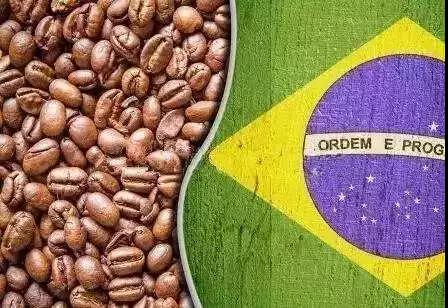
Geographical Conditions
Brazilian coffee is generally grown on relatively flat land. To suit those conditions, Brazilian estate operators decades ago cultivated improved Arabica trees that need neither high altitude nor shade, trees that can be planted on plains and grasslands, directly under the hot sun, unlike the traditional high-altitude shade model.
Most Brazilian plantations sit only a few hundred meters above sea level, and even flat land is put to use. This sun-exposed cultivation makes the cherries grow faster, with less complete flavor development; bean density, the so-called hardness, does not match high-altitude beans, fruit acidity is markedly lower, and the flavor can be monotonous. Coastal Rio coffee even shows iodine and salty notes, attributed to certain microbial activity, though even on the same soil, that flavor does not appear every year. Most coffee lovers dislike it; only a few Middle Eastern countries, with their sugar-heavy boiled-coffee traditions, particularly suit the Rio flavor.
Production Regions
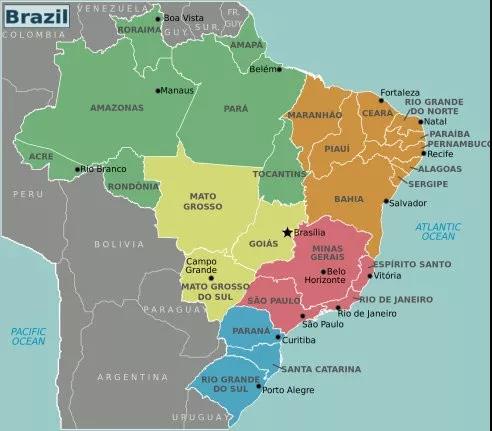
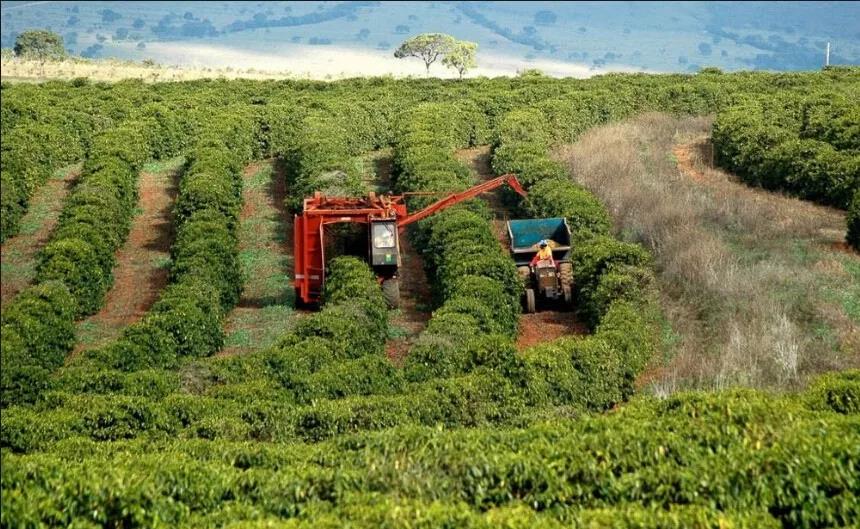
Brazil's main production regions are Minas Gerais, São Paulo, Bahia, and Espírito Santo, together accounting for 90% of the country's total exports. The familiar Santos and Mogiana names come from São Paulo. Cerrado and Sul de Minas in Minas Gerais, at higher altitudes, produce most of Brazil's fine coffee beans. Cerrado lies in western Minas Gerais as a flat plateau at 750m-1200m; Sul de Minas is a hilly, forested area at 700m-1200m and Brazil's earliest coffee region. With rising labor costs, harvesting there is now mostly mechanical, and it was also the first area where coffee was commercialized, which is why so many large exporters are based there. The Bahia region in northern Brazil mainly produces washed Brazilian coffee, while coastal Espírito Santo is the main export area for Brazilian Robusta.
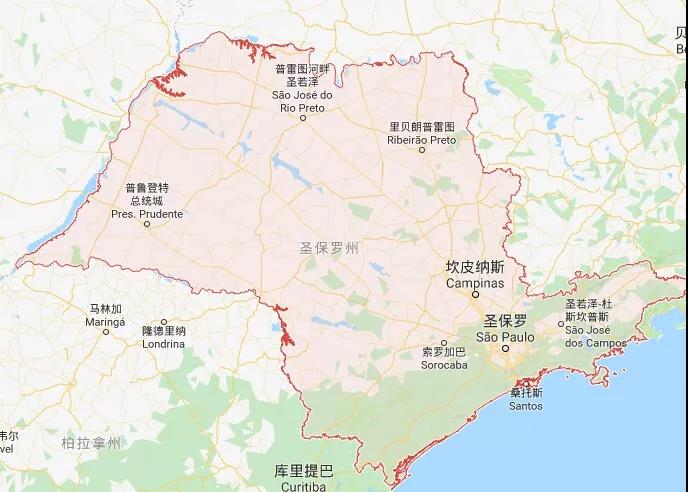
São Paulo State
Mogiana
This area sits very close to southern Minas. Coffee is planted among bushes, grasslands, and other vegetation. Many farming families work here, some running traditional large-scale farms, others small modern operations. That mix of modern technology and mountain coffee culture produces some of Brazil's highest-quality green beans.
Centro-Oeste / Central West
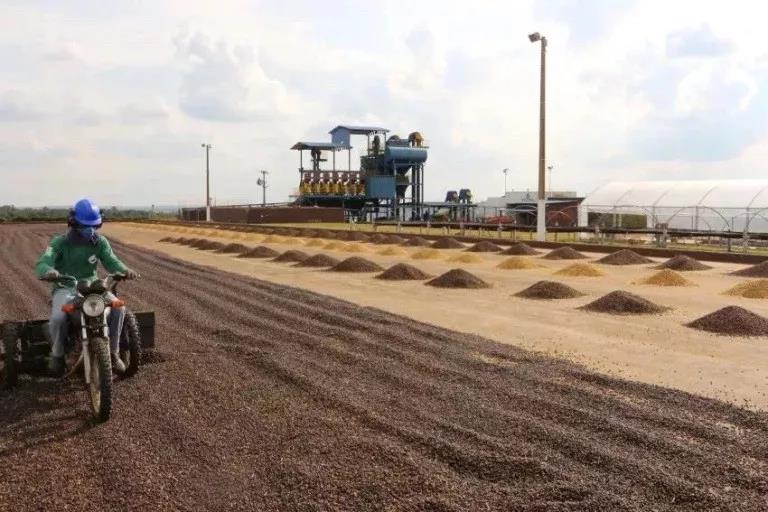
Coffee cultivation here generally combines large estates with traditional production lines. Production appears to be declining, but the focus has shifted to higher-quality green beans.
Paraná State
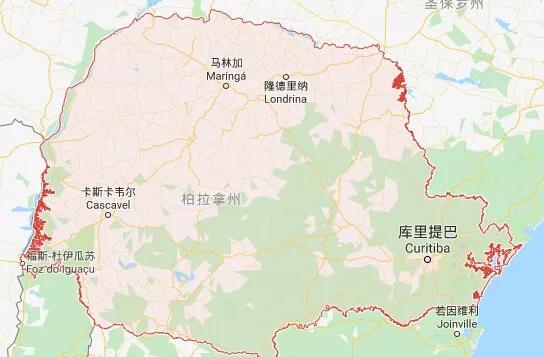
Norte Pionerio do Paraná
This state was once Brazil's largest production area and retains its own production techniques.
After noticing that unit yields from coffee forests were falling, producers in Paraná created a new "closed cultivation system", dense plantings of large numbers of trees per hectare that better resist cold winds while keeping yields more regular.
Bahia State
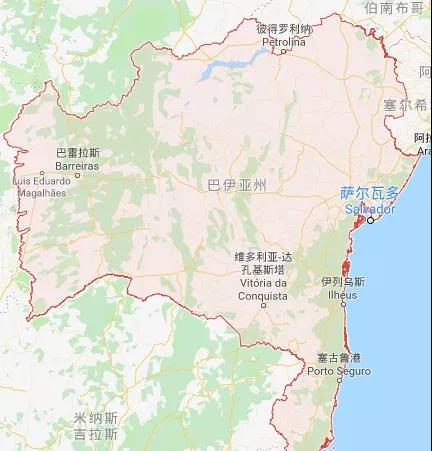
Bahia / Atlantico Baiano
Mainly produces Robusta beans on large farms.
Chapada / Planalto da Bahia
Located in central Bahia, this area mainly produces hand-selected Arabica coffee, mostly washed.
Cerrado da Bahia
Located in western Bahia and widely considered Brazil's newest coffee cultivation area; modern irrigation and harvesting technologies are in widespread use here.
Espírito Santo State
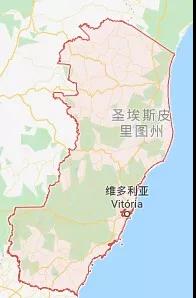
The state divides into two areas. In the north, both large and small estates grow Robusta; in the south, typical mountain-grown coffee is produced in generally smaller quantities. Both washed and natural processing are used here.
Minas Gerais
Sul de Minas
A small-estate area producing about 8-10 million bags of mountain-grown coffee. The altitude is suitable, the terrain undulating, and the climate favorable: rainfall concentrates in the months when the fruit needs to grow, while the harvesting months stay dry.
Cerrado Mineiro
Growing coffee in the Cerrado (savannah) is a triumph of Brazilian coffee technology. More and more of its large plantations use high-tech production, few areas anywhere can match it. The plateau climate has four distinct seasons; the fruit matures very steadily and the harvest season is rain-free. Savannah coffee generally uses the natural method, which is also the current trend.
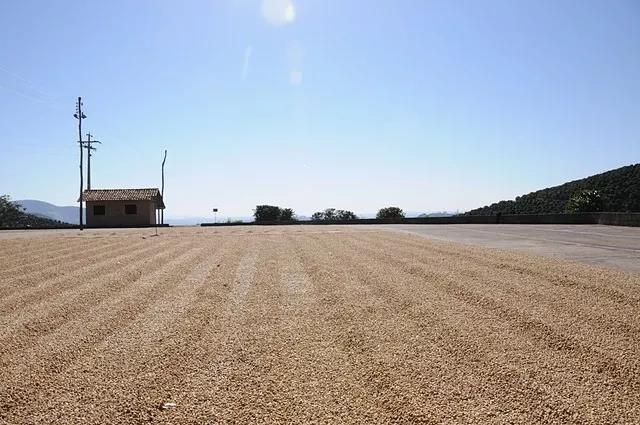
Chapada de Minas
In the northern part of Minas Gerais, this area is very small, but its green bean quality is world-class.
Matas de Minas
A very large area with a highly diverse ecosystem and also Brazil's oldest coffee region. Its highest-altitude zones are the best for processing coffee.
Rondônia State
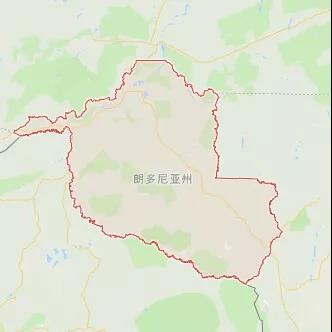
Located in the western Amazon forest region, bordering Bolivia, this area mainly produces Robusta.
Rio de Janeiro State
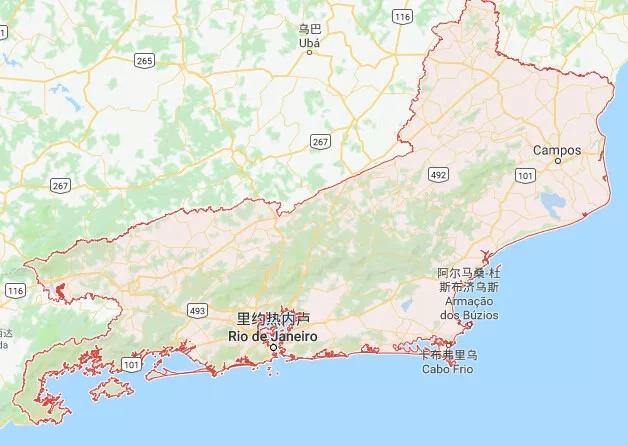
Mainly grows Arabica varieties, and compared with other regions enjoys an excellent port-transport advantage.
Cultivated Varieties
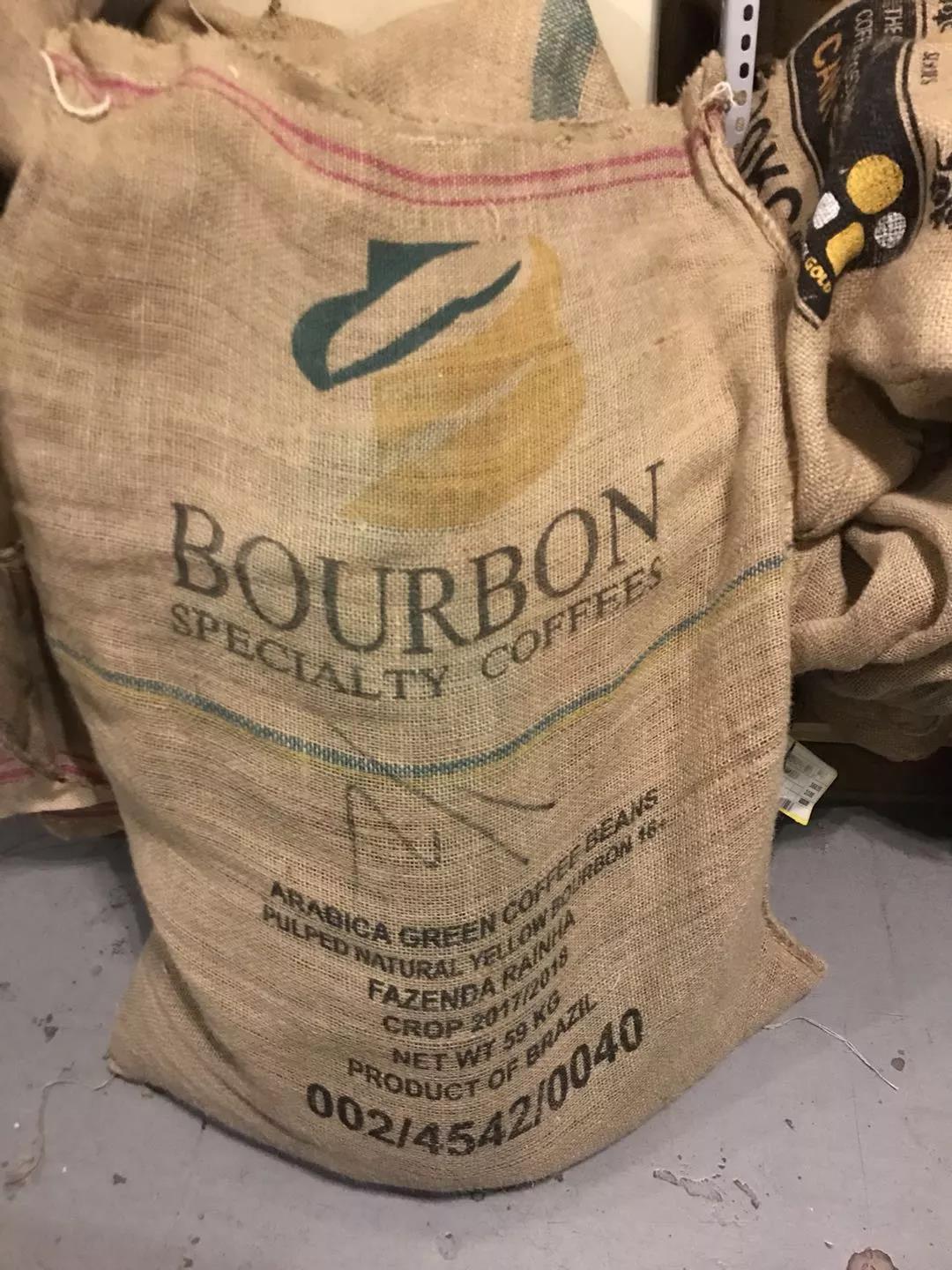
Brazil grows a wide range of varieties, both Arabica and Robusta. Smooth, low acidity, slight sweetness, and balance are the hallmarks of Brazilian Arabica. Brazilian coffee is often said to lack standout flavor, which is exactly why Brazilian beans are the most suitable choice for blends. If you want an elegant yet affordable blend, Brazil is the perfect supporting player: it steadies stronger-flavored components, as in the well-known Mamba and Goba blends. Brazil also appears in many of the most widely used espresso recipes.
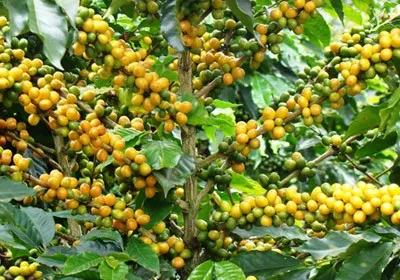
Brazil currently relies mainly on Red Bourbon, Yellow Bourbon, Mundo Novo, and Catuai as its principal varieties, while Catuai, Acaia, Obata, Aramosa, Pointed Bourbon, and others are also cultivated and studied. The Campinas Agricultural Research Institute in São Paulo is Brazil's famous coffee variety improvement arsenal, and Catimor, the most widely grown variety of its kind worldwide, is the joint work of Portuguese and Brazilian scientists.
Processing Methods
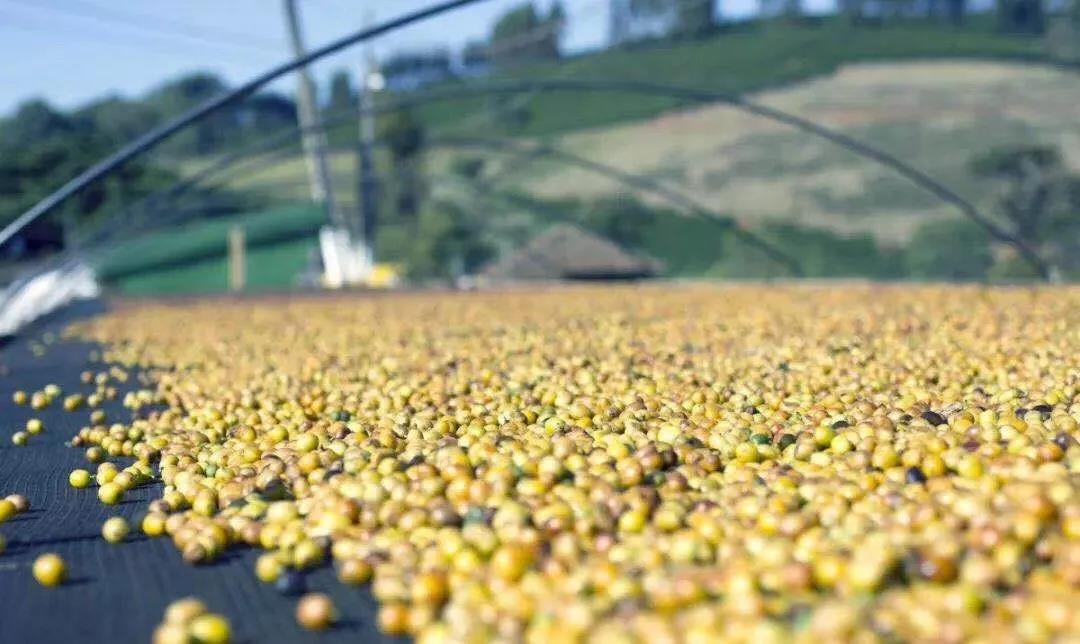
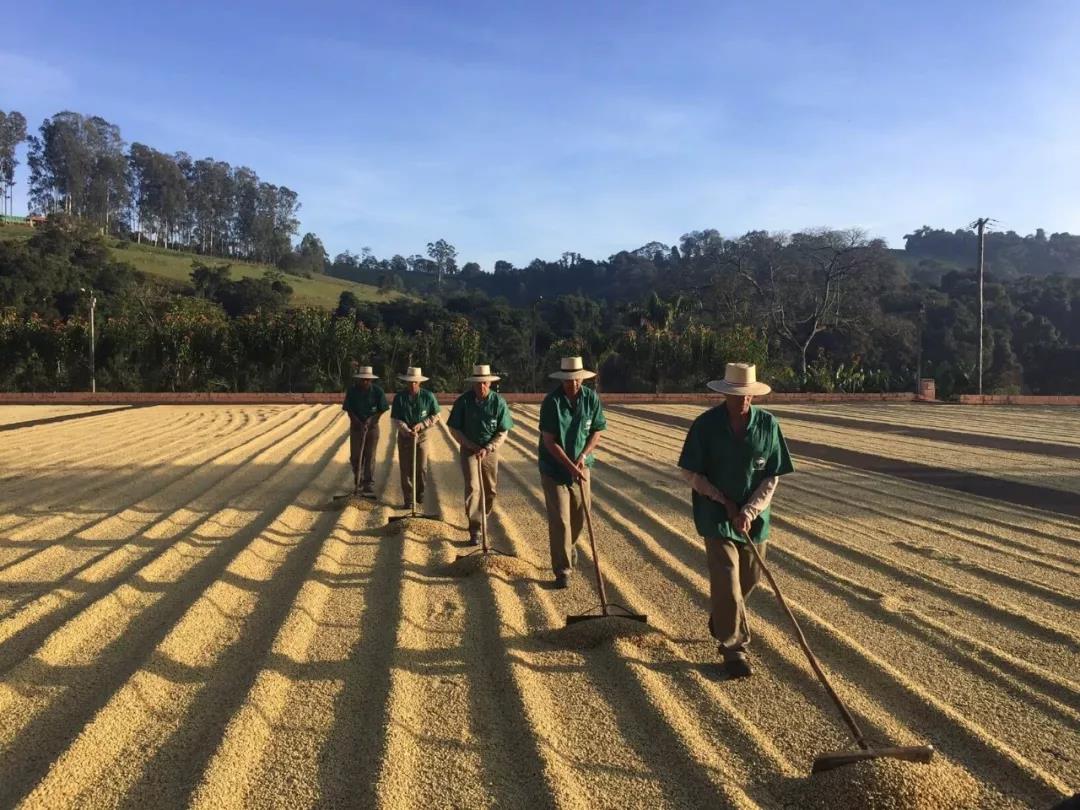
Given its vast territory and enormous output, Brazil has long used natural processing as its main method; the washed method simply cannot support such volume. That history fed the industry's assumption that Brazilian coffee was crudely made (though not all Brazilian coffee is cheap, famous estates produce quite good coffee). After 1990, Brazil promoted the pulped natural method (also called semi-washed): defective floating beans are removed through water channels, machines peel off the skin and pulp and part of the mucilage, the beans are washed, and finally dried in the sun or in drying rooms. Compared with washing, the pulped natural method saves water and labor, significantly improved Brazilian coffee quality, and reversed years of bad reputation for crudely processed natural Brazil.
Harvest Season
Most Brazilian plantations are harvested during the dry season from June to September.
History
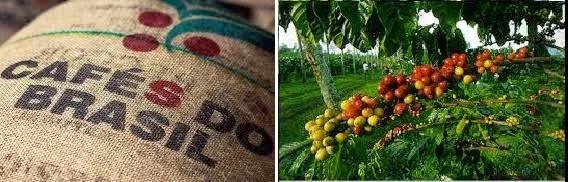
Coffee reached Brazil from French Guiana in the 1720s. Francisco de Mello Palheta, a Portuguese captain from Brazil, won the favor of the governor's wife in Cayenne, then the capital of French Guiana, and successfully smuggled coffee seeds into Brazil. Coffee adapted quickly, spreading from the north to São Paulo state in the southeast. By 1845, Brazilian beans already made up 45% of the world's total, and coffee had become the economic mainstay of São Paulo state.
Crisis
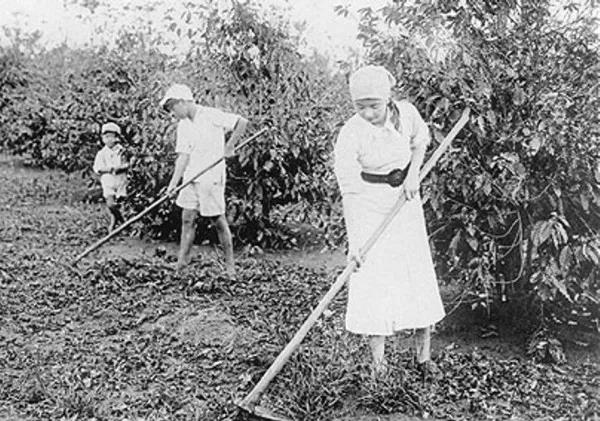
Before 1990, the Brazilian government kept the coffee industry under strict control, harsh interference on one hand, price protection on the other. The country's long-running minimum price policy for farmers encouraged overproduction. By the early 21st century, with no global regulation, world production far outstripped consumption, and no country was hit harder than the giant Brazil. The 1940 European coffee market collapse nearly destroyed the Brazilian coffee industry. The United States, fearing that a Brazilian economic collapse would topple the pro-American government and open the door to fascism, decisively bought all the unsold coffee of 1941-1943 to resolve the crisis. Brazil survived.
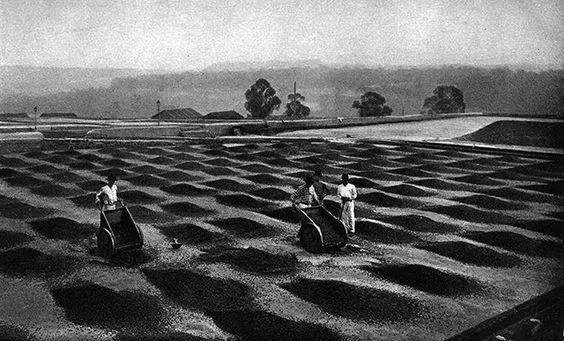
By the 1964 Cold War period, however, coffee production was again severely oversupplied. Even though the Pan-American Agency proposed consumption-stimulating policies like the "coffee break," the boost was a drop in the bucket, selling prices fell below cost, which meant economic war for Brazil and Latin America. Under the pressure of the global coffee crisis, the International Coffee Agreement was born: jointly signed by more than 60 producing and consuming countries, it used quotas to limit imports and exports and stabilize prices, giving Brazil and dozens of other producers their longest stretch of stability. But good times did not last, Brazil and others announced their withdrawal from the agreement in 1989, at the end of the Cold War. The coffee crisis remains a principal culprit in the poverty of many coffee-producing countries.
Important Position
Brazil currently has about 39.7 billion coffee trees, and small farmers now grow 75% of national production. Unlike the past, Brazil's economy now depends less on coffee, which contributes only 8%-10% of GDP. Before World War II, Brazil produced 50% or more of the world's coffee; today it is close to 30%, yet the country's influence on world coffee, especially on price, remains significant. The climate disasters of 1950 and 1954 and the two frosts of 1975 and 1994 sent Brazilian and even global prices sharply upward, at one point forcing the US government to hold hearings on solutions. That is how much Brazilian coffee matters to the world.

Brazil Cup of Excellence (COE)
As noted above, coffee prices once hit historic lows, and Brazilian farmers and green bean merchants fought hard against it. Because Brazilian production is industrialized, it turned out huge volumes of cheap, low-quality beans. To raise the incomes of working growers and push prices up for roasters, the Cup of Excellence was born.
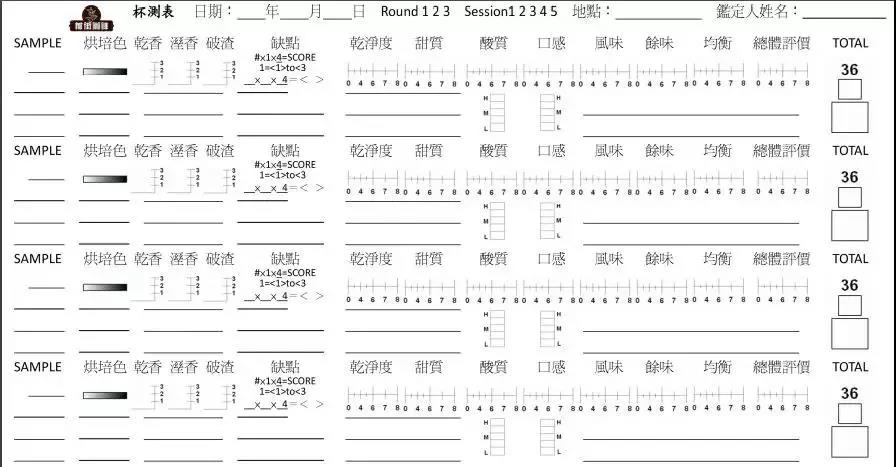
COE originated with a United Nations organization aimed at helping farmers improve coffee quality and income, and at building closer connections between producers and consumers so growers could enjoy the fruits of their labor. Many estates then facing closure because of low prices hoped to win COE to raise their value, and so worked hard to improve bean quality. COE was created to rescue Brazil's depressed coffee industry, and it ended up as a guarantee of quality in our cups.
Brazilian Specialty Coffee Association (BSCA)
The founding of the Brazilian Specialty Coffee Association in 1991 raised quality to levels comparable with high-altitude extremely hard beans. With the assistance of the American Specialty Coffee Association, the first Brazil Cup of Excellence competition was held in 1999. Year after year, under the eyes and guidance of international cuppers, Brazilian flavors have climbed steadily, hence the country's title, the coffee kingdom. Brazilian coffee may lack the bold expressiveness of Brazilians themselves, but its mild, lively acidity and refreshing, harmonious flavor make it something like the hermit master of the coffee kingdom.
Green Bean Classification System
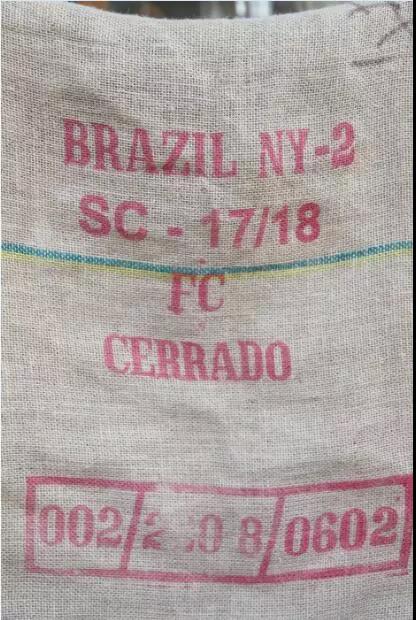
On the sacks of Brazilian coffee you will often see something like: Brazil NY.2 SC - 17/18 FC
This is Brazil's unique 3-stage classification, used by no other country, the production area is simply too large and the output too great. Beans destined for specific export flavors are often mixed, producing inconsistent quality that must be sorted by "cupping," so consumers can read the quality straight from the green bean information.
1. Classification by Defect Rate
Brazil evaluates by a "deduction method", counting defective beans per 300 grams, across seven levels from No.2 to No.8. A deduction below 4 qualifies as No.2. In theory defect-free beans could be called No.1, but such lots are rare and cannot sustain steady supply, so Brazil sets No.2 as its highest grade, not No.1.
2. Classification by Bean Size

Screen size is measured with sieves based on 1/64 inch as the unit, usually between 14-20. Note that the screen size corresponds to the short side of the bean, its "width." The largest screen size for Brazilian beans is 19, but production is low, so 17/18 is considered the top grade.
NY.2 SC-17/18
NY.2/3 SC-14/16
NY.3/4 DD Quality
NY.4/5 SC-14/16
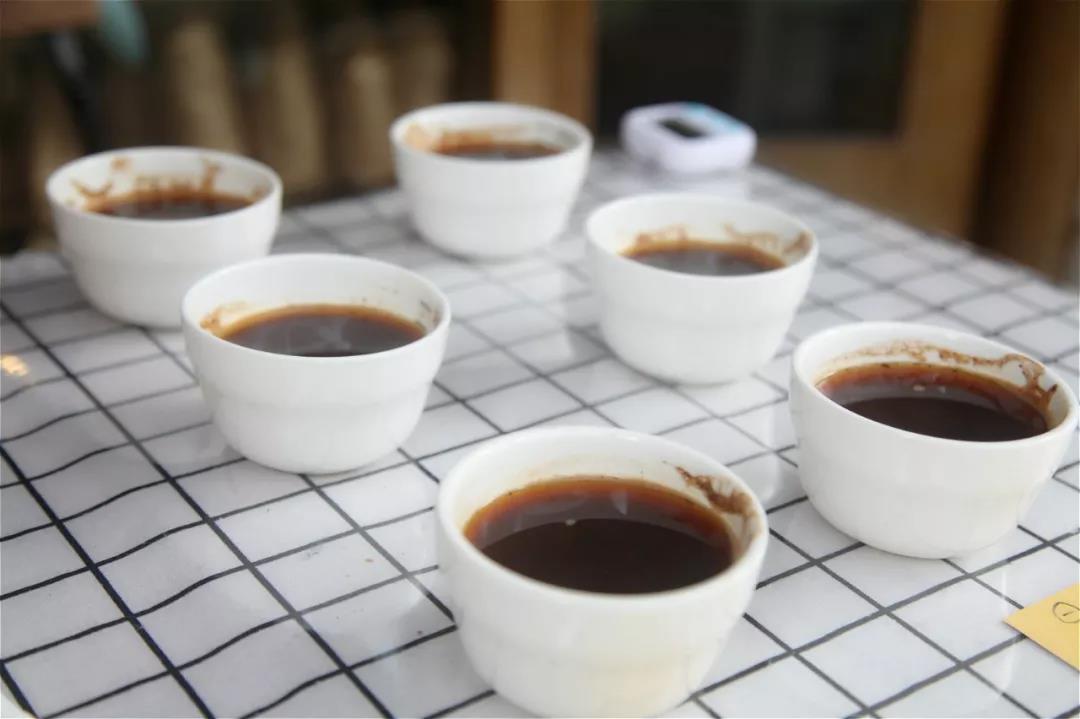
3. Cupping Quality
Fine Cup
Fine
Good Cup
Fair Cup
Poor Cup
Bad Cup
FC (Fine Cup) and GC (Good Cup) are the most common. Many companies and platforms also add the processing method (natural/washed/honey) and estate information.
4. Flavor Grade
Brazilian beans fall into five flavor grades: Strictly Soft (very smooth), Soft (smooth), Softish (slightly smooth), Hardish (not smooth), and Rioy (iodine flavor). Cerrado beans cupped by the local coffee association as Strictly Soft Fine Cup, very smooth, hold the best grade.
So "Brazil NY.2 SC - 17/18 FC Cerrado" reads as: country Brazil, defect grade 2, bean size 17-18 screen, excellent cup quality, from Cerrado, exactly the formula bean behind many blended coffees.
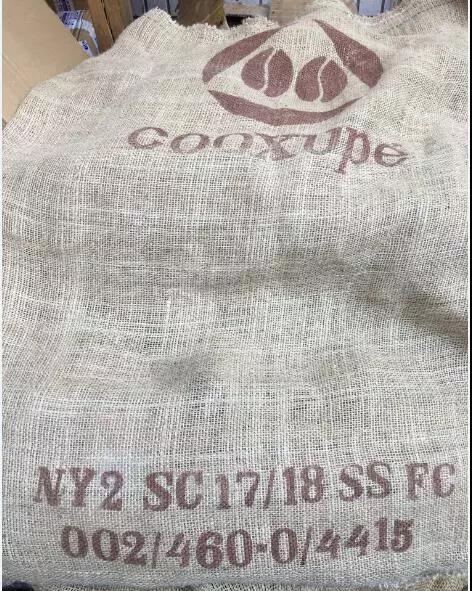
The label above means: defect grade 2, bean size 17-18 screen, very smooth premium coffee.
Culture
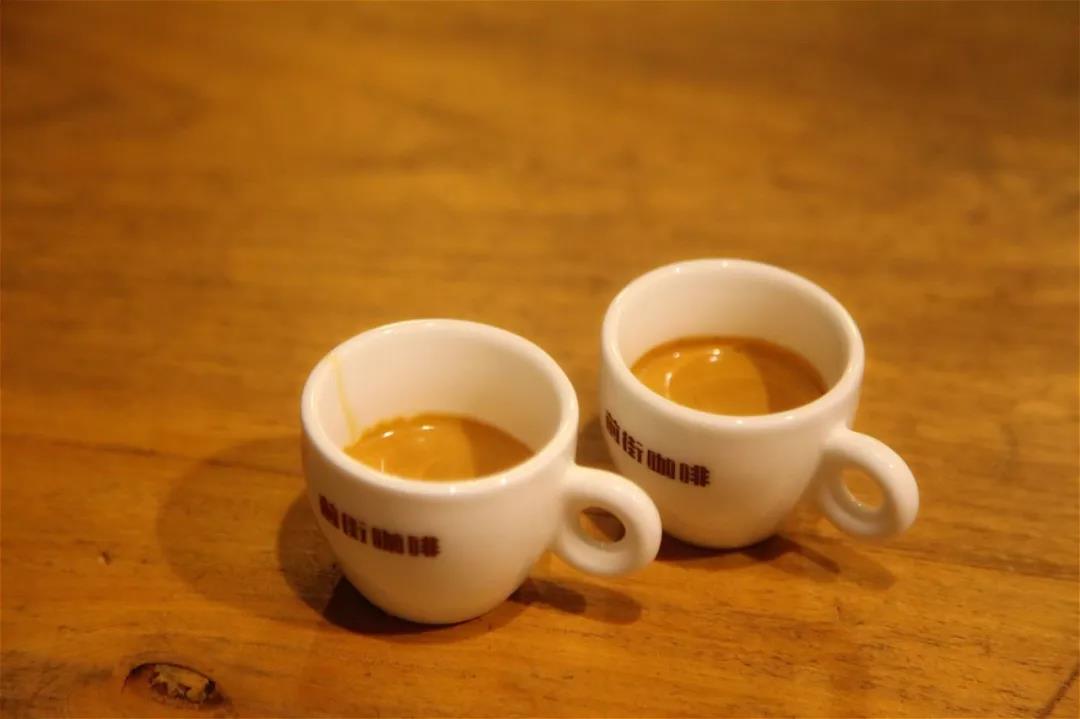
Brazilians are devoted to coffee: an exquisite small porcelain cup filled with very strong coffee, sweetened with Brazilian-made refined sugar cubes, sweet, delicious, refreshing. Coffee poured into hot milk is the traditional breakfast drink across Brazil; Brazilians call breakfast "cafe da manha", morning coffee. Coffee is seen as a source of energy: the color should be dark, the taste strong and mellow, preferably with plenty of sugar, as the Brazilian folk song goes: "Coffee must be as black as the devil, as hot as hell, as pure as an angel, and as sweet as love." While in Brazil, do not miss the rich little "cafezinho"! For most Brazilians, drinking coffee is a habit, a pleasure, and a lifelong love affair.
Famous Estates
Brazil has about 220,000 coffee plantations covering roughly 27,000 square kilometers, mainly across the southeastern states of Minas Gerais, São Paulo, and Paraná. Below is just the tip of the iceberg:
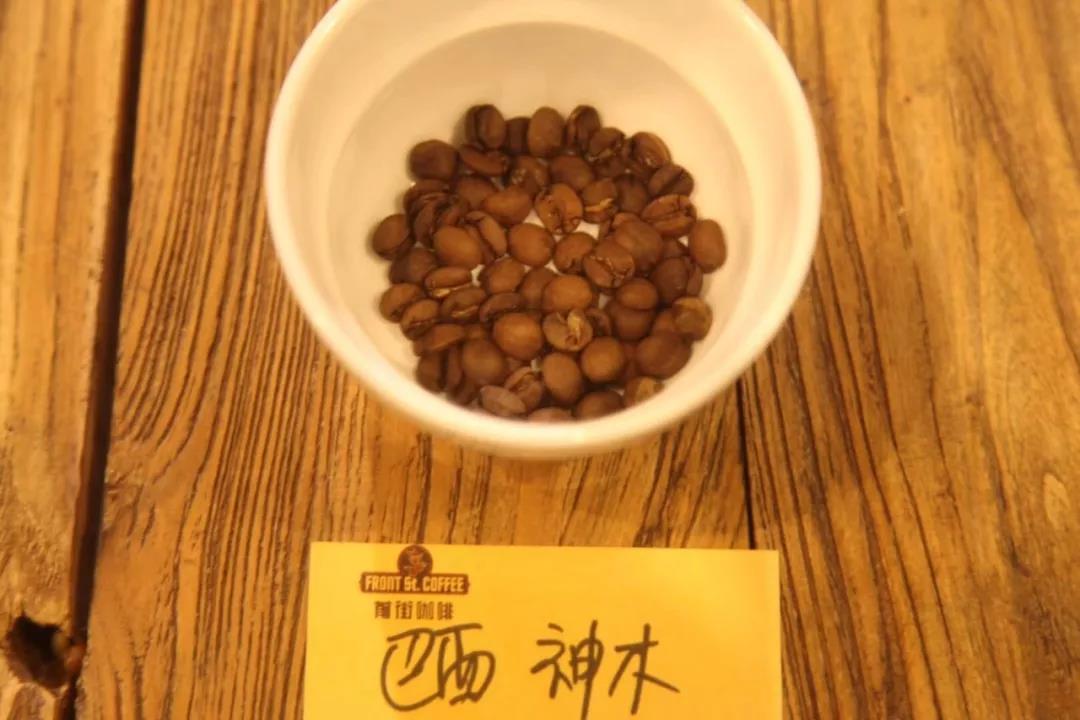
Fazenda Esperanca - Sul de Minas
Fazenda Ipanema - Sul de Minas
Fazenda Santa Ines - Sul de Minas
Fazenda Rainha - Mogiana
Fazenda Passeio - Sul de Minas
Fazenda Daterra - Cerrado
Fazenda Ouro Verde - Bahia
Fazenda Bau - Cerrado
Fazenda Sao Judas Tadeu - Bahia
Fazenda Santa Isabel - Sul de Minas
Fazenda Irarema - Mogiana
...and more
Finally, let's look at the brewing of our Brazilian Queen Estate Yellow Bourbon:
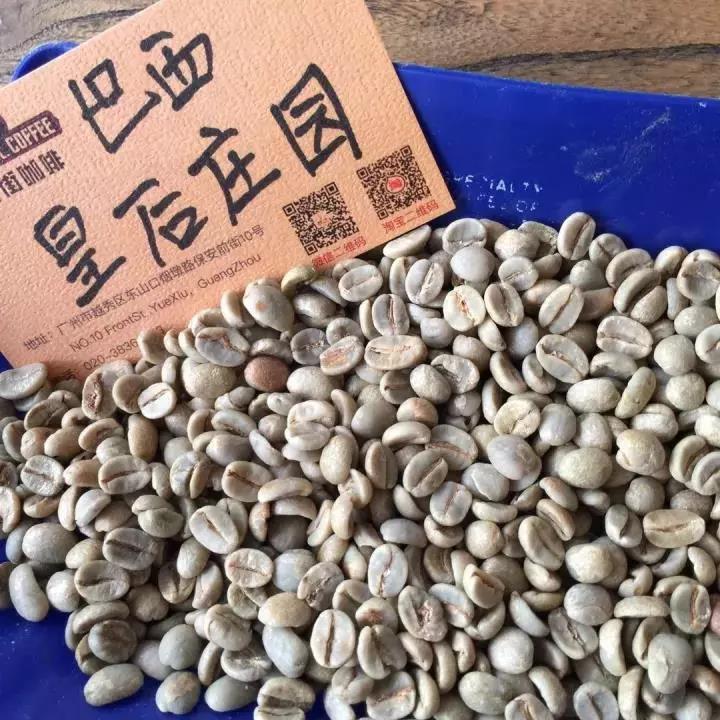
Brazil Production Region: São Paulo state, near São Sebastião da Grama
[Owner] Regina Helena Mello de Carvalho Dias, of the Carvalho Dias family
[Variety] Yellow Bourbon
[Processing] Hand-picked, then pulped natural processing
[Region] Mogiana
[Altitude] 1400-1950m
[Processing Method] Natural
[Roast Level] Medium
[Flavor] Sweet, clean cup; black tea; smooth fruit sweetness; nutty flavor; balanced, smooth acidity; weak and clean bitterness; rich chocolate and nut aromas; bright, refreshing taste; smooth, delicate texture.
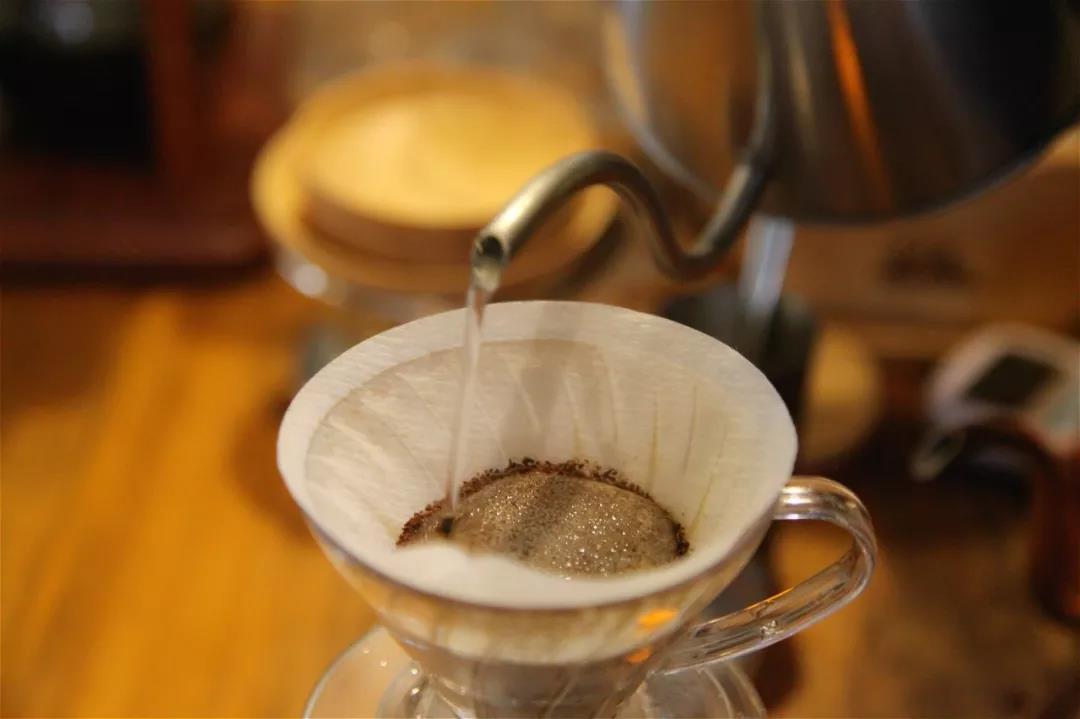
[Pour Over Reference Parameters]
Brazil Queen Estate: 15g of coffee, medium grind (Fuji Royal ghost-tooth grinder, setting #4)
V60 dripper, 88-89°C water; first pour 30g of water, 30-second bloom,
pour to 105g and stop; when the water level drops to half the bed, pour again slowly up to 225g, discarding the tail end. Water-to-coffee ratio 1:15, extraction time 2:00.
That is this installment. Thank you for reading this far, there was a lot to cover. Coffee has passed through countless stories on its way from seed to cup. It is not merely a drink or a commodity but the lifeline of millions of coffee farmers. Learning its history, production, and culture is the best way for practitioners and lovers of coffee alike to understand it, so cherish every cup in front of you, and be grateful for everyone behind it.
FrontStreet Coffee Recommendation
Brazilian beans, with their moderate acidity and excellent balance of sweet, bitter, and body, suit a medium roast beautifully, toasted nut aromas, mellow flavor, and a faint acidity that works as a single origin or in blends. Two FrontStreet Coffee Brazil lots are worth seeking out:
Brazil Cerrado Red Bourbon: The classic choice for a first taste of Brazil. A medium roast brings dense aromas of cream peanut, toasted bread, caramel, and hazelnut; the cup is round, not sour, with only a light bitter note, good for pour-over, moka pot, espresso SOE, siphon, or French press.
Brazil Queen Estate Yellow Bourbon: From Mogiana, near southern Minas, where fertile red volcanic soil feeds full aroma development, part of the estate still runs on traditional farming while the rest has adopted modern standardized management, lifting quality across the board. Yellow Bourbon, a mutation of Red Bourbon, gives a cleaner fruit character; brewed by pour-over, moka pot, or home espresso machine, it shows a sugarcane sweetness you will not find elsewhere, alongside fruit and chocolate notes, matching the brewing parameters above.
Brazil also anchors FrontStreet Coffee's espresso blends: the crema-rich Classic Blend, the nutty Premium Blend, the balanced Dark Cocoa Blend, and the cafe-focused Commercial Blend all contain Brazilian components, adding chocolate and cream aromas, gentle sweet-sour-bitter balance, and a stability that makes extraction more forgiving.
Important Notice :
FrontStreet Coffee is a long-established specialty coffee roaster in Guangzhou China, selling freshly roasted beans from its own farm in Yunnan as well as dozens of carefully selected single-origin beans from around the world for both pour-over and espresso. The products deliver consistently excellent quality and great value, with shipping within 24 hours. Guangzhou's FrontStreet Coffee shop is recommended by many coffee lovers, and the beans are now available online at the Tmall 。
FrontStreet Coffee has moved to a new address:
FrontStreet Coffee Address: 315,Donghua East Road,GuangZhou
Tel:020 38364473
 Scan and follow the En Gafei WeChat official account. Please indicate that the reprint comes from "En Gafei".