Limu Coffee | Ethiopia | Red Cherry Project | Kebana Forest G3 Natural Beans
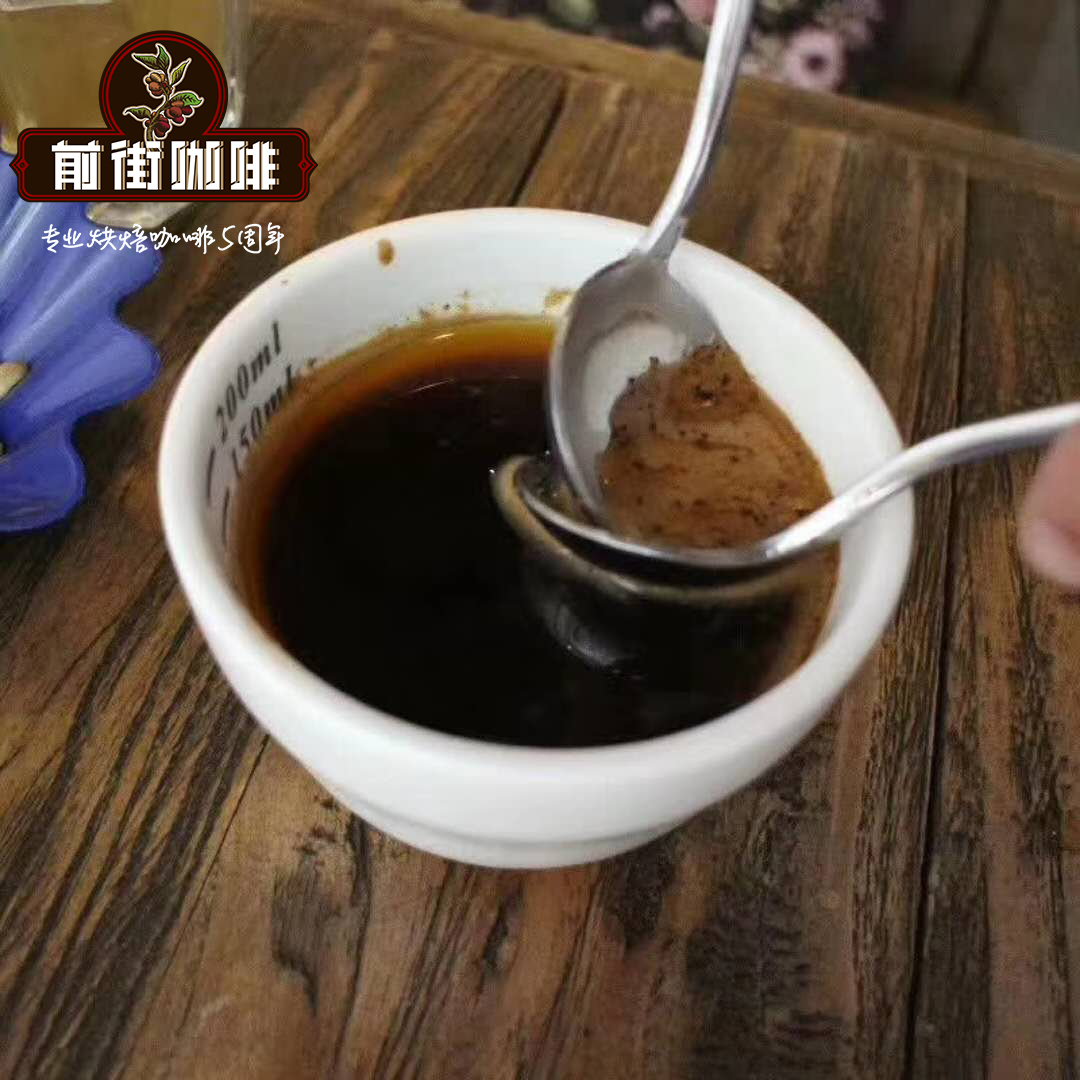
Limu Coffee | Ethiopia | Red Cherry Project | Kebana Forest G3 Natural Process Beans
Ethiopia is the country where coffee was first discovered, and it remains one of the most important and finest producers in both quality and quantity. Most of its coffee is traditionally Arabica, with annual production of about 350,000 tons, over 70% of which is exported worldwide. Roughly 15 million people nationwide work in coffee-related industries, and over 90% of farms or cooperatives are smallholders.
After 2008, Ethiopia's agricultural commodities—wheat, corn, sesame, and coffee among them—were fully folded into the ECX (Ethiopian Commodity Exchange) trading system, replacing the existing auction and export arrangements. Farmers or cooperatives deliver their coffee to centralized ECX warehouses, where beans of the same grade from the same growing region are commingled before auction. You no longer know which specific farms, cooperatives, or sub-regions the coffee came from. In fairness, this has no impact on production volume or quality—it makes it easier to separate good coffee from bad by price ("you get what you pay for"). What it hurts is the intermediate traders who can no longer chase easy margins ("buy low, sell high"), and it makes things clearer and more transparent for consumers. Because trading outside the ECX incurs heavy taxes, over 90% of transactions flow through the system. For specialty coffee buyers, however, ECX is not a good thing—which is why, starting in 2010, Ethiopia introduced the DST (Direct Specialty Trade) system. DST holds periodic Ethiopian auctions where only specialty coffees scoring above 80 points on SCAA cupping standards may be traded under their own farm or cooperative names with foreign green buyers.
Kebana Forest Natural Process Beans
This coffee comes from the Red Cherry Project in Limu Kossa, in Ethiopia's western highlands. The farm covers about 400 hectares and employs 300 to 500 local workers.
The Red Cherry Project is arguably Ethiopia's most successful farmer-support initiative: farmers earn fair prices by producing good coffee, while the Dutch coffee trader Trabocca reinvests profits in drying equipment, production tools, and other machinery. It is a superb model of cooperation between trade and production, well worth emulating.
Property Characteristics
Name: Kebena Forest
Region: Limu Kossa
Country: Ethiopia
Grade: G3
Altitude: 1,700-2,200 meters above sea level
Harvest Period: October to January of the following year
Certification: None. All coffee is grown without agrochemicals.
Soil Type: pH 5.2-6.2 red-brown soil
Coffee Characteristics
Variety: Heirloom cultivars—traditional local Yirgacheffe native varieties
Processing System: Dry-Processed (Natural)
Appearance: Longberry shape, 16-18 screen
Roast Level for Cupping: Cinnamon roast (60 seconds after first crack begins)
Aroma/Flavor: Almond jam, licorice, black tea, guava, vanilla, brown sugar, honey
Acidity: Lemon, passion fruit, orange, tartaric
Complexity & Other: Wild grassland aroma, full sweetness, a fermented winey mellowness; the aftertaste turns from a slight natural-process astringency into sweetness
Overall Style: Jasmine florals, clean, silky smooth
FrontStreet Coffee: A roastery in Guangzhou with a small shop but a diverse bean lineup, offering both famous and lesser-known beans, plus online services. https://shop104210103.taobao.com
FrontStreet Coffee Recommendation
If this natural Ethiopian appeals to you, FrontStreet Coffee recommends two from the same tradition:
FrontStreet Coffee Yirgacheffe Red Cherry Project Natural — Our lot from the celebrated Red Cherry Project: cherries are sorted, dried whole in the sun for two weeks until the sugars and essence of the fruit infuse the bean and moisture drops to 12%, then hulled, density- and color-tested, and hand-sorted again. The result: peach, cocoa, honey, and lemon in a pristine, fragrant cup.
FrontStreet Coffee Natural Huakui (Hambella, Guji) — From the Hambella region of West Guji, Sidamo, this 200-hectare farm dries ripe cherries on raised beds for 21 days, turning constantly and hand-removing defective beans every three to five days. Roasted medium-light, it shows a light fermented winey aroma, florals, citrus, and mango—richer and more complex, with honeyed sweetness, cocoa undertones, a touch of spice, thick body, and a long finish.
Important Notice :
FrontStreet Coffee is a long-established specialty coffee roaster in Guangzhou China, selling freshly roasted beans from its own farm in Yunnan as well as dozens of carefully selected single-origin beans from around the world for both pour-over and espresso. The products deliver consistently excellent quality and great value, with shipping within 24 hours. Guangzhou's FrontStreet Coffee shop is recommended by many coffee lovers, and the beans are now available online at the Tmall 。
FrontStreet Coffee has moved to a new address:
FrontStreet Coffee Address: 315,Donghua East Road,GuangZhou
Tel:020 38364473
 Scan and follow the En Gafei WeChat official account. Please indicate that the reprint comes from "En Gafei".