Single Origin Coffee Bean Recommendations: Brazil Single Origin Coffee Beans & Brazilian Semi-Washed Processing Method Flavor Characteristics
Brazilian Single-Origin Coffee Beans: An Introduction to Pulped Natural Processing
Most single-origin coffee beans in the specialty market come from Latin America, and Brazil is the world's largest coffee-producing region. Even so, not many famous single origins come from there. The main reason is that Brazilian estates typically sit at only a few hundred meters of elevation, with coffee even grown on flat plains. That sun-exposed cultivation lets the cherries grow quickly but leaves the flavors underdeveloped. Bean density, or hardness, is also inferior to high-altitude beans: fruit acidity is noticeably lower and the flavor profile rather monotonous, which makes them rarely suited to high-quality single-origin coffee. So which Brazilian single origins does FrontStreet Coffee offer, and what exactly is this sun-exposed processing method? FrontStreet Coffee explains it all below.
Brazilian Coffee Growing Conditions
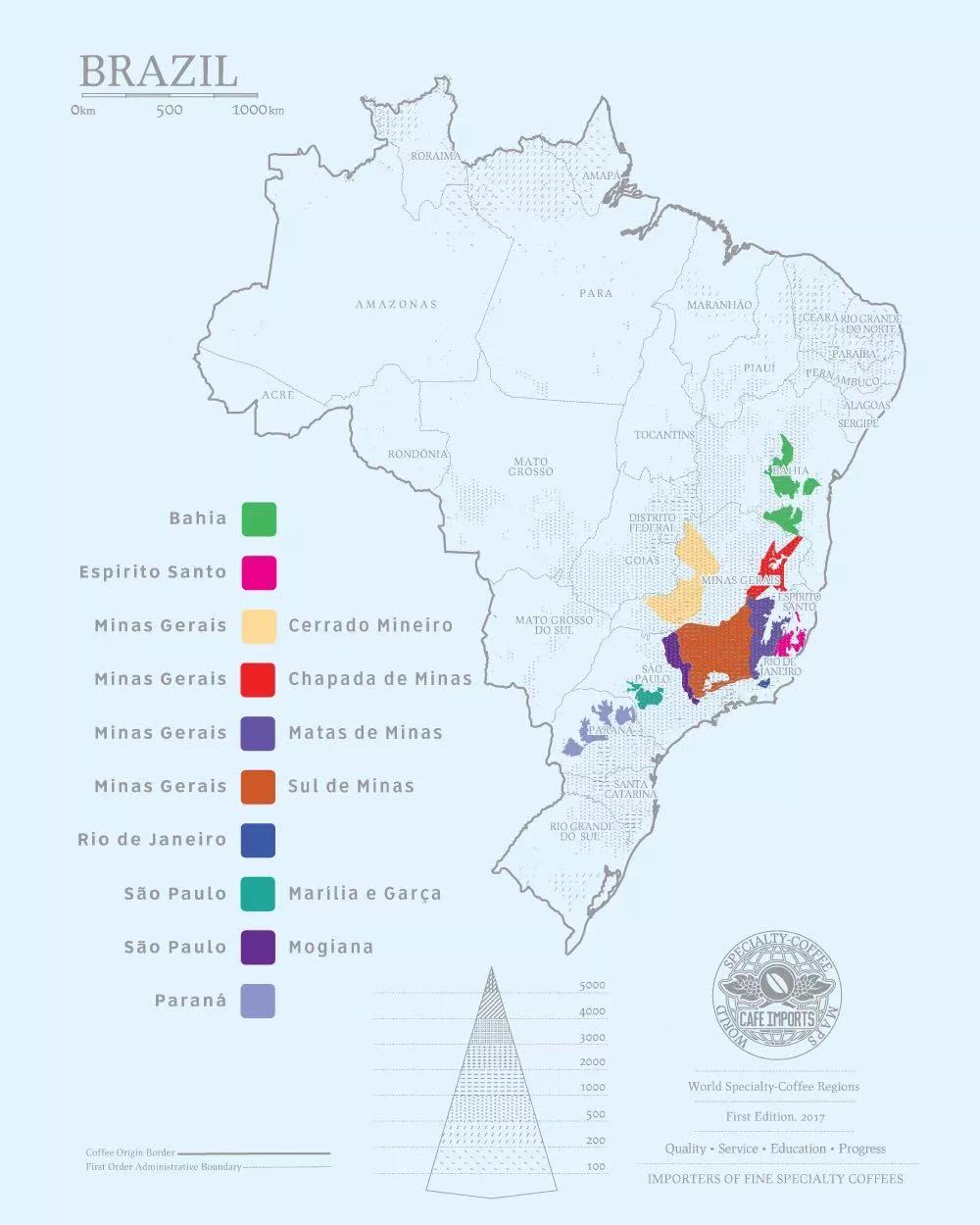
Brazil lies in the Western Hemisphere's Latin American region, in eastern South America on the western coast of the Atlantic Ocean. On land it borders every country on the South American continent except Ecuador and Chile. The vast majority of its territory sits between the equator and the Tropic of Capricorn, giving it the most extensive tropical range in the world. One-third of its territory has a tropical rainforest climate and two-thirds a tropical savanna climate. These superior tropical conditions suit the growth and production of coffee, a tropical cash crop.
As FrontStreet Coffee noted above, Brazilian coffee is generally grown on relatively flat land. To adapt, Brazilian estate owners cultivated improved Arabica trees decades ago that need neither high altitude nor shade. They can be planted on plains or grassland in direct, intense sun, unlike traditional shade cultivation at higher elevations.
FrontStreet Coffee's Brazilian Coffee Bean Processing Methods
According to FrontStreet Coffee's research, Brazil uses natural, pulped natural, and washed methods side by side. The choice is determined mainly by the dry and humid conditions of each farm, allowing every region to show its best flavors in a very diverse way.
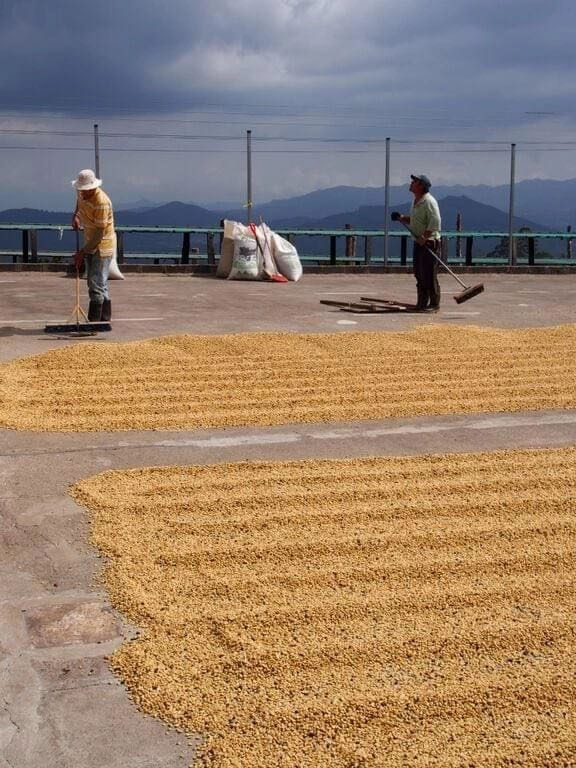
Among these, PN (Pulped Natural) processing is unique to Brazil. Brazil developed its distinctive pulped natural method to process green coffee based on the local dry climate. Pulped natural processing controls the fermentation of the parchment with mucilage still attached after depulping. Similar to honey processing, this method gives a rounder coffee flavor, with results falling between washed and full natural processing. During the process, a small amount of water first removes the pulp and skin, after which the coffee is placed directly on drying racks in the sun. It is turned constantly to ensure every bean is exposed to sunlight. After several days of drying, mechanical drying brings it to the proper moisture content.
Pulped Natural Processing Flow:
1. First, coffee cherries are placed in large water tanks and the floating fruit is removed. The sinking cherries then go into a depulper to remove the pulp. This better removes unripe cherries and, more importantly, allows the beans to sun-dry without pulp and with only a layer of mucilage remaining, which makes the later fermentation easier to control.
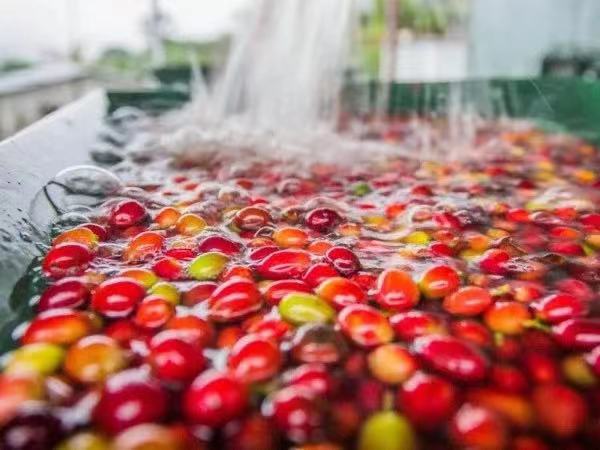
2. After the skin and pulp are removed from the cherries, the yellow mucilage becomes visible. The cherries with mucilage are then sun-dried. (After depulping, coffee beans carry a layer of viscous, gelatinous substance called mucilage.)
3. When the beans' moisture content reaches 10.5%-12%, they are hulled.
4. Finally, before bagging for export, the beans undergo polishing and grinding.
Characteristics of Pulped Natural Processing:
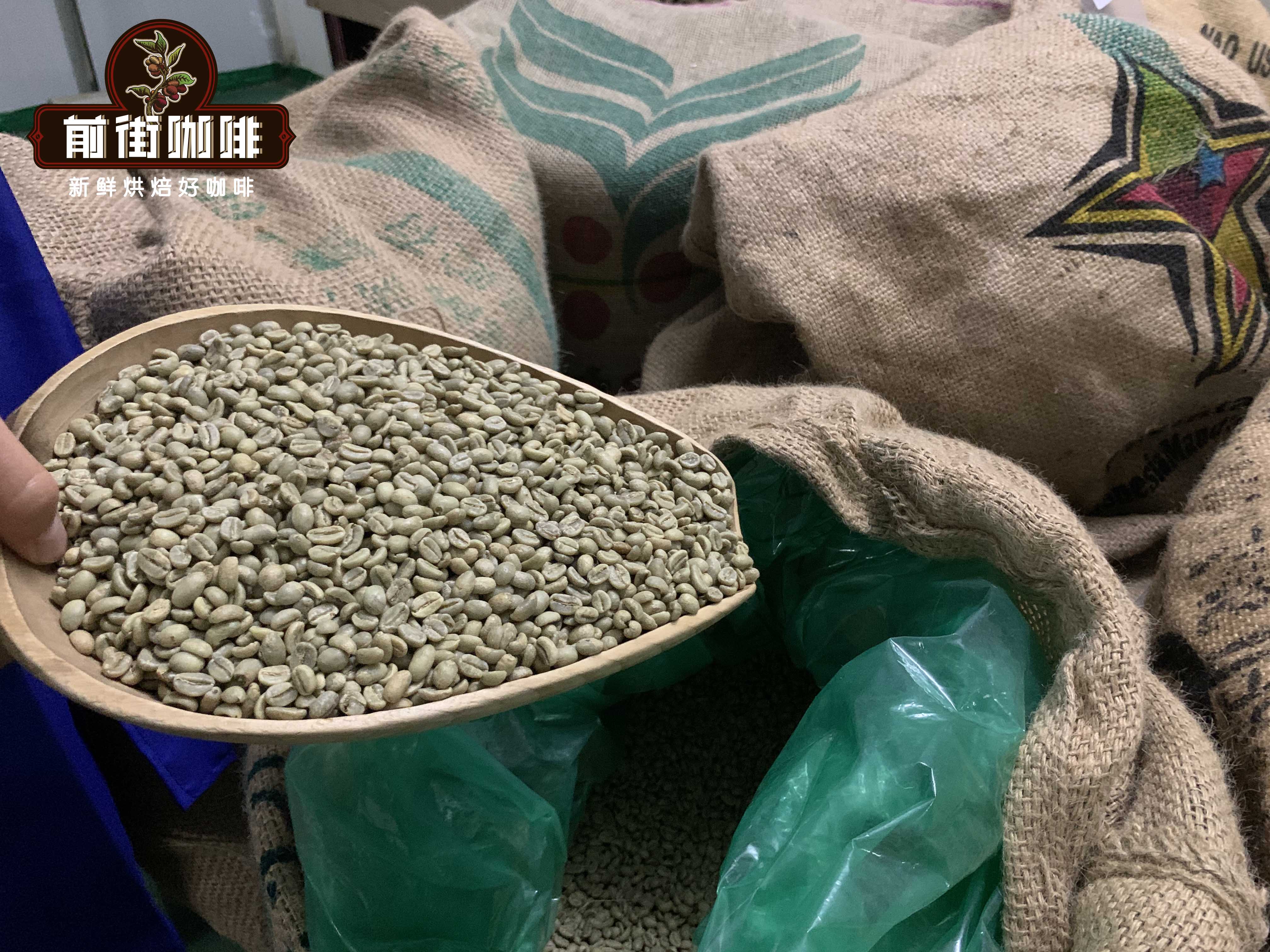
1. Suited to commercial, large-scale operations (commonly used in Brazil), pulped natural processing is relatively simple and easy to manage, saving water while protecting the environment. Its time and labor efficiency make it ideal for selecting relatively refined commercial green coffee.
2. During depulping, ripe pulp comes off easily while unripe green cherry skin is difficult to process, allowing a second screening to filter out unripe fruit and standardize cherry maturity. Compared with natural processing, the selected cherries have better cleanliness and maturity, giving a more uniform coffee flavor.
3. Drying time is shortened, saving time costs and adding more value.
4. Relatively consistent maturity is better for storage and for standardizing green coffee bean quality.
Disadvantages of Pulped Natural Method:
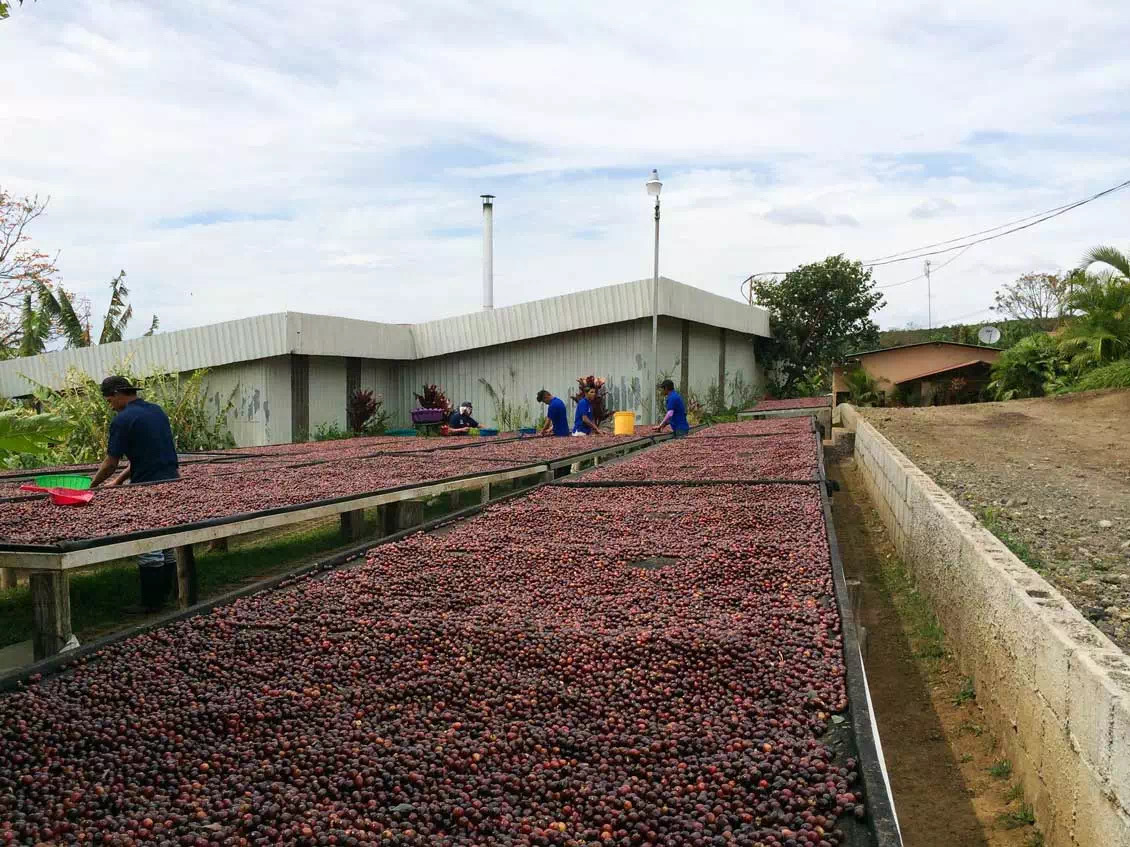
1. The drying process is susceptible to contamination and mold damage.
2. Requires constant close supervision and continuous turning.
3. Accelerated drying is necessary to avoid undesirable fermentation flavors.
The above is FrontStreet Coffee's overview of Brazilian pulped natural processing. FrontStreet Coffee has also introduced two excellent Brazilian single-origin coffees, described below.
FrontStreet Coffee's Brazilian Cerrado Red Bourbon Coffee Beans
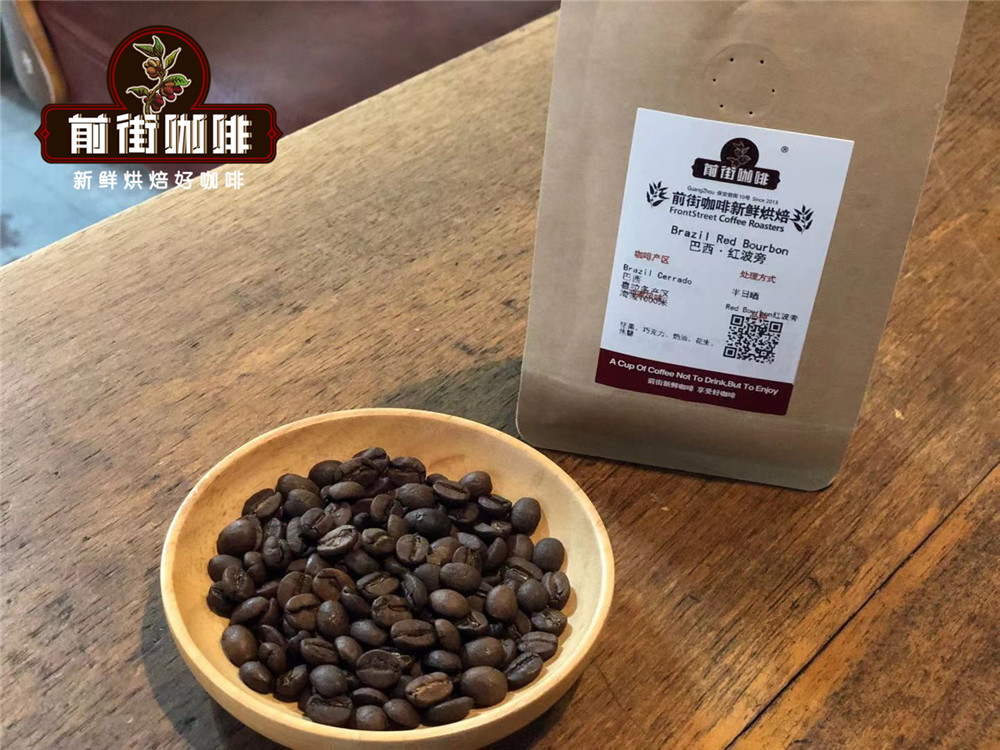
Country: Brazil
Region: Southern Minas
Altitude: 1000m
Variety: Red Bourbon
Processing: Pulped Natural
Flavor: Nuts, chocolate, cream, peanut, caramel.
The Brazilian Red Bourbon coffee beans FrontStreet Coffee introduces come from Cerrado, a savanna that occupies 22% of Brazil's total area, deep in the Brazilian interior. "Cerrado" in Portuguese means "closed land." The Cerrado savanna originally extends from Mato Grosso province in southwestern Brazil, through the central-west of Minas, to the west of Bahia province. The Cerrado coffee region FrontStreet Coffee refers to is not the entire savanna, but limited to coffee-growing areas above 1000 meters in the central-west of Minas province.
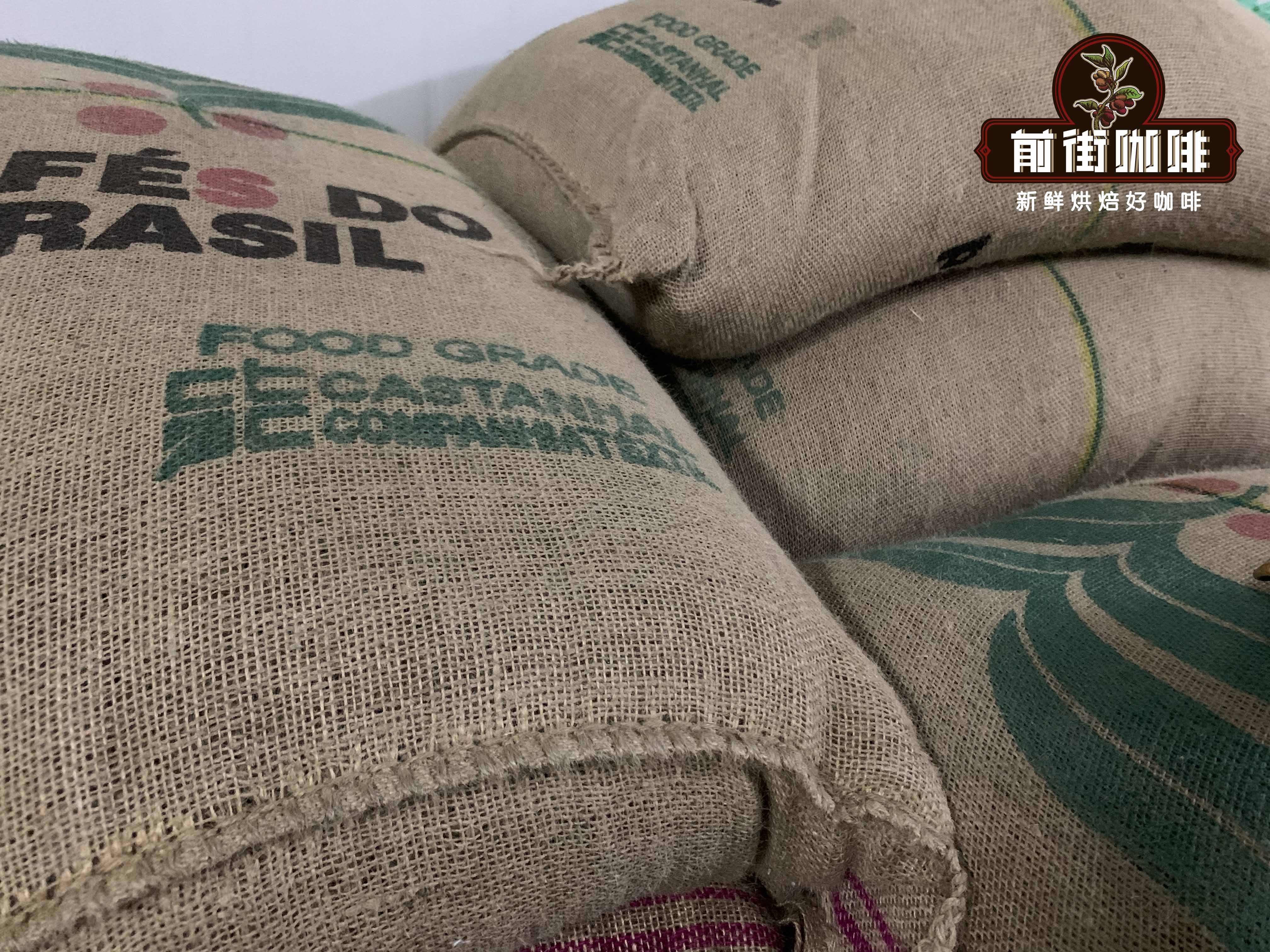
This area is also the premium section of the Cerrado savanna, with high altitude and fertile soil, making it possible to grow specialty coffee that is clear, sweet, full-bodied, and very clean. FrontStreet Coffee therefore uses coffee from this region as a representative Brazilian flavor for everyone to taste.
FrontStreet Coffee's Brazilian Queen's Estate Coffee Beans
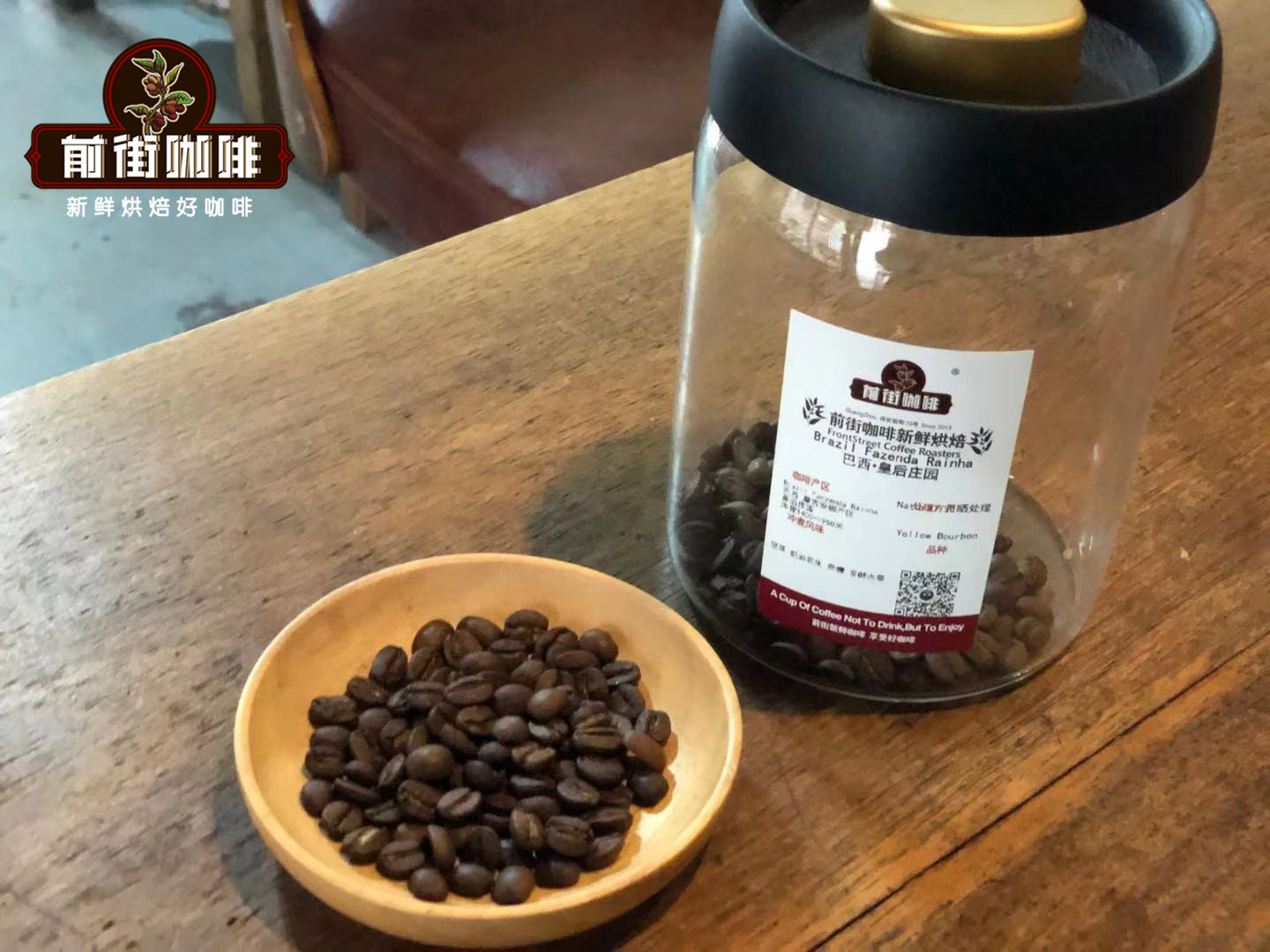
Country: Brazil
Region: São Paulo State (Queen's Estate)
Altitude: 1400-1950m
Variety: Yellow Bourbon
Processing Method: Pulped Natural/Natural
Flavor: Nuts, cream, peanut, fermented fruit, cane sugar.
FrontStreet Coffee's Brazilian Queen's Estate beans should be familiar by now. The estate lies in the Alta Mogiana area of São Paulo State, north of São Paulo city. It is highly renowned in Brazil and owned by the Carvalho Dias family. Under Carvalho Dias, four major estates have won awards every year since Brazil's first Cup of Excellence competition in 1999, taking more than 12 awards in 7 years. In 2004 they even swept the championship along with 9th and 11th places, clear proof of the estate's strength.
These are the Brazilian coffees FrontStreet Coffee offers. Before introducing any new bean, FrontStreet Coffee runs extensive pour-over testing to draw out its original flavors. Below, FrontStreet Coffee shares the pour-over parameters for these two Brazilian beans.
FrontStreet Coffee's Brazilian Coffee Bean Pour-Over Parameters
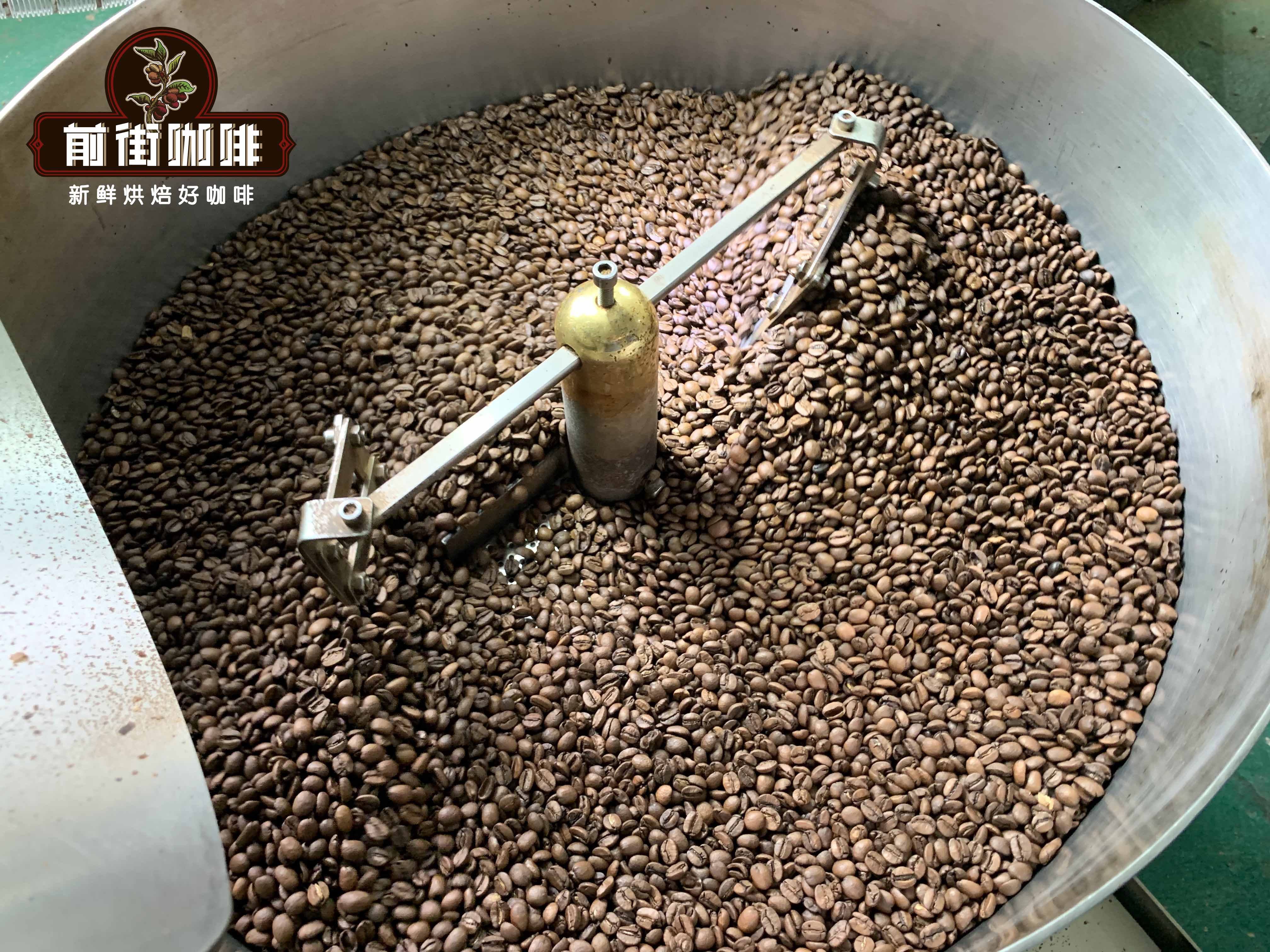
Both Brazilian beans are medium roasted and come from the same producing region, so the flavor differences are not particularly large. FrontStreet Coffee therefore uses the same pour-over parameters for both.
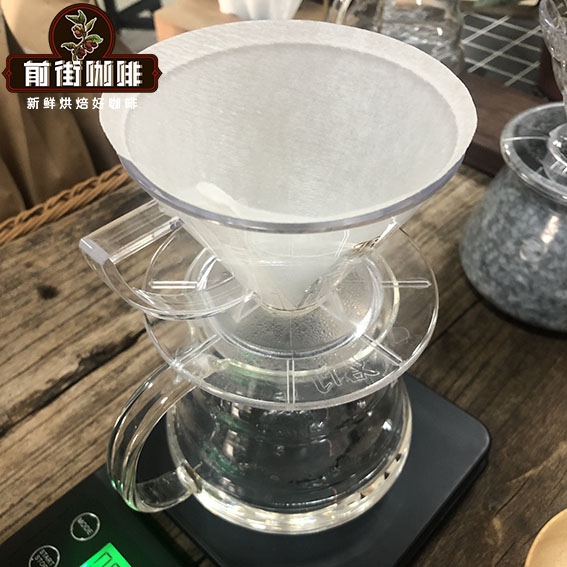
Filter: KONO
Dose: 15g
Water Temperature: 90°C
Grind Size: Medium grind, 75% pass-through rate with #20 standard sieve
Water-to-Coffee Ratio: 1:15
Brewing Method: Segmented extraction.
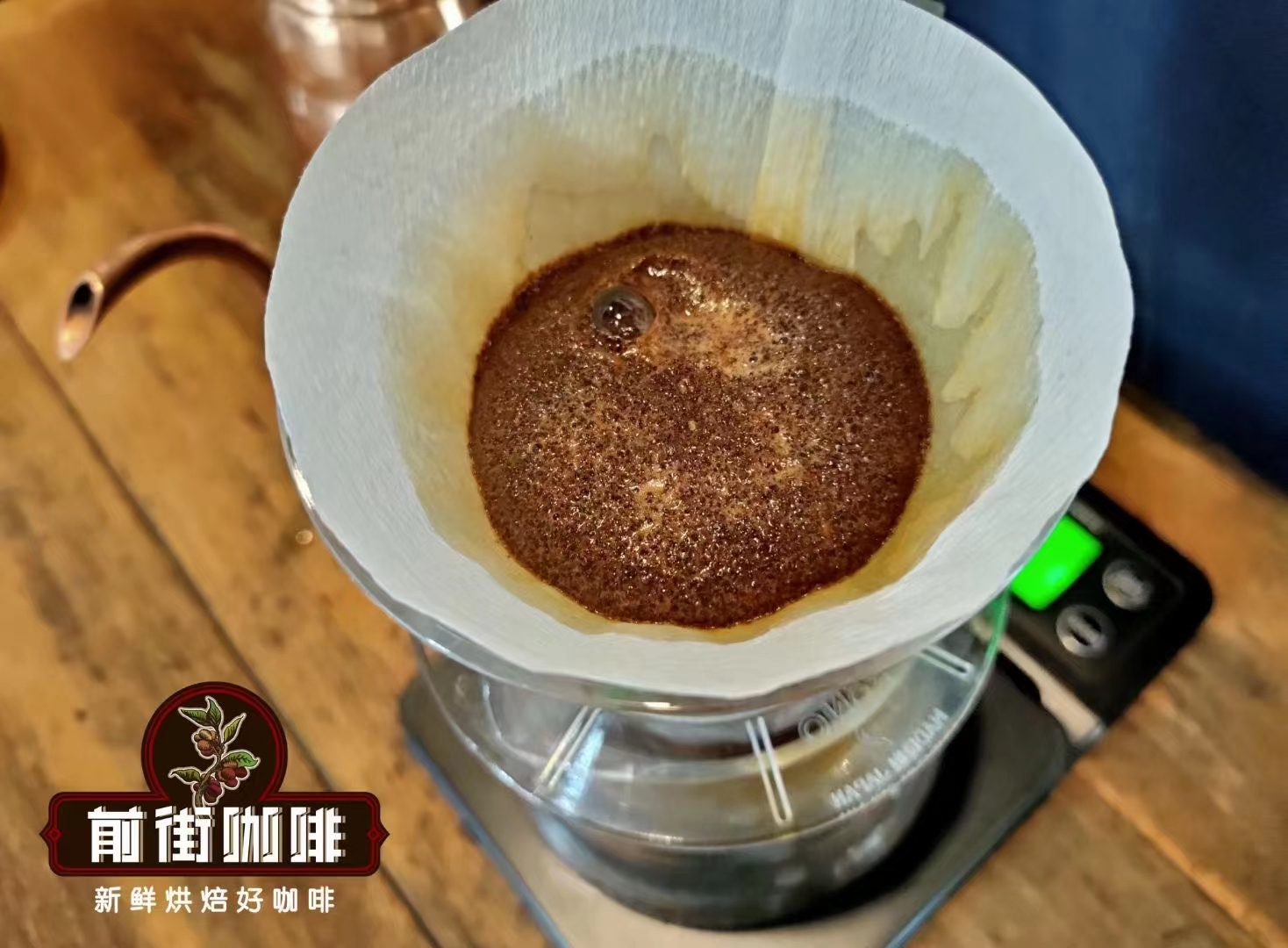
Use 30g of water for a 30-second bloom, then keep pouring in small circles to 125g for the first segment. When the water level drops and is about to expose the coffee bed, continue pouring to 225g and stop. Wait for the water level to drop to just above the bed, then remove the dripper. Timing starts from the bloom. V60 extraction time is 2'00", while KONO extraction is slightly longer at 2'10".
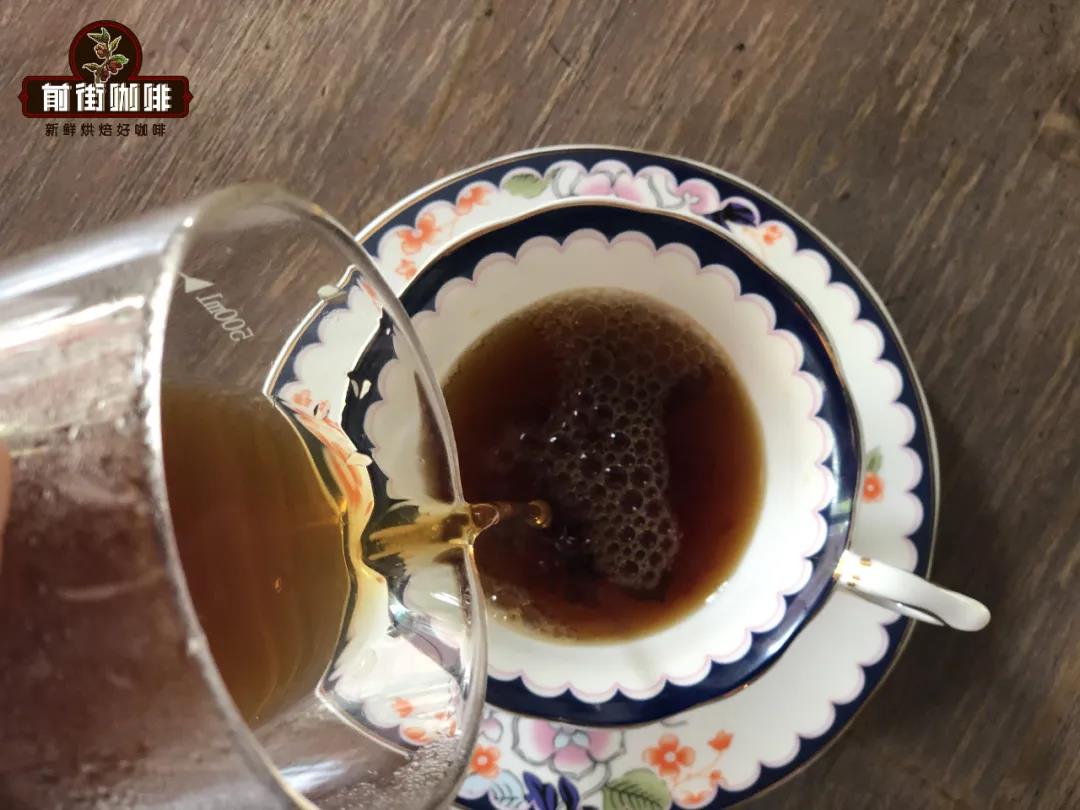
FrontStreet Coffee's Brazilian Cerrado coffee bean flavor: obvious sweetness on entry, with a faint lemon aroma, rich nutty flavors, and distinct dark chocolate on the finish, overall rather round.
FrontStreet Coffee's Brazilian Queen's Estate coffee bean flavor: a balanced palate, with almond and cocoa as the main notes, highlighting cane-sugar sweetness; this is a coffee with good body and full sweetness.
FrontStreet Coffee Recommendation
These two beans are FrontStreet's core Brazilian single origins, and they show how far pulped natural processing can take a low-grown coffee. The Cerrado Red Bourbon is the everyday choice: from the central-west of Minas above 1,000 meters, medium roasted, and full of creamy peanut, toast, caramel, and hazelnut, with a rounded body, low acidity, and a gentle bitterness that suits pour-over, moka pot, espresso SOE, siphon, or French press.
The Queen Estate Yellow Bourbon is the sweeter, more distinctive option. Grown in Mogiana on fertile red volcanic soil at 1,400-1,950 meters, this rare yellow mutant of Red Bourbon brings cleaner fruit, and at medium roast it layers cane-sugar sweetness with fruit and chocolate notes. Both brew on a KONO or V60 with 15 g of coffee, a 1:15 ratio, water at 90°C, and a medium grind sized to a 75% pass-through on a #20 standard sieve; bloom with 30 g for 30 seconds, pour to 125 g, then finish to 225 g.
Important Notice :
FrontStreet Coffee is a long-established specialty coffee roaster in Guangzhou China, selling freshly roasted beans from its own farm in Yunnan as well as dozens of carefully selected single-origin beans from around the world for both pour-over and espresso. The products deliver consistently excellent quality and great value, with shipping within 24 hours. Guangzhou's FrontStreet Coffee shop is recommended by many coffee lovers, and the beans are now available online at the Tmall 。
FrontStreet Coffee has moved to a new address:
FrontStreet Coffee Address: 315,Donghua East Road,GuangZhou
Tel:020 38364473
 Scan and follow the En Gafei WeChat official account. Please indicate that the reprint comes from "En Gafei".