How to Make Moka Pot Coffee, What Coffee is Suitable for Moka Pot, and How to Choose Moka Pot Coffee Beans
How can you extract espresso at home without an espresso machine? Plenty of friends have asked FrontStreet Coffee exactly that. The answer is yes — and the handsome-looking Moka pot is made for it. A Moka pot builds pressure through high-temperature brewing, using the siphon principle to drive water from the lower chamber up to the upper chamber. Because of its design, the Moka pot brews only a small amount of coffee each time, and the siphoning means the water cannot pass all the way through the grounds, so the resulting coffee is quite concentrated.
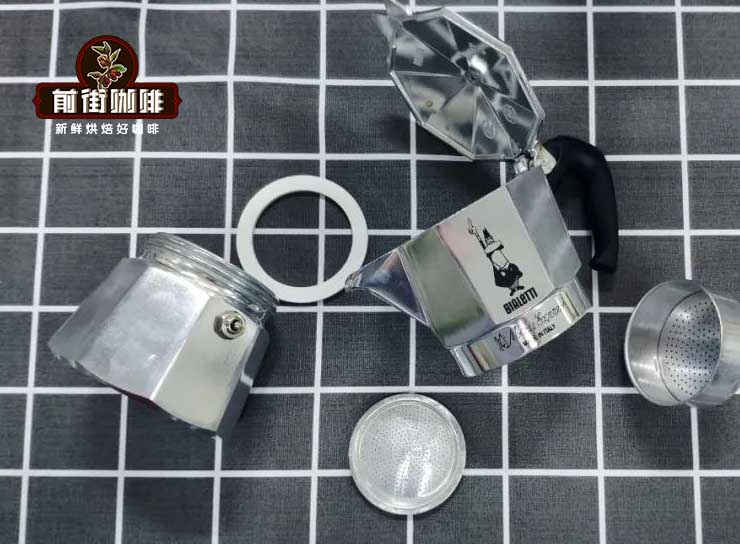
Components of the Moka Pot
A Moka pot has three parts: the upper chamber, the coffee filter basket, and the lower chamber. The lower chamber is the water reservoir, the filter basket holds the finely ground coffee, and the upper chamber collects the extracted coffee.
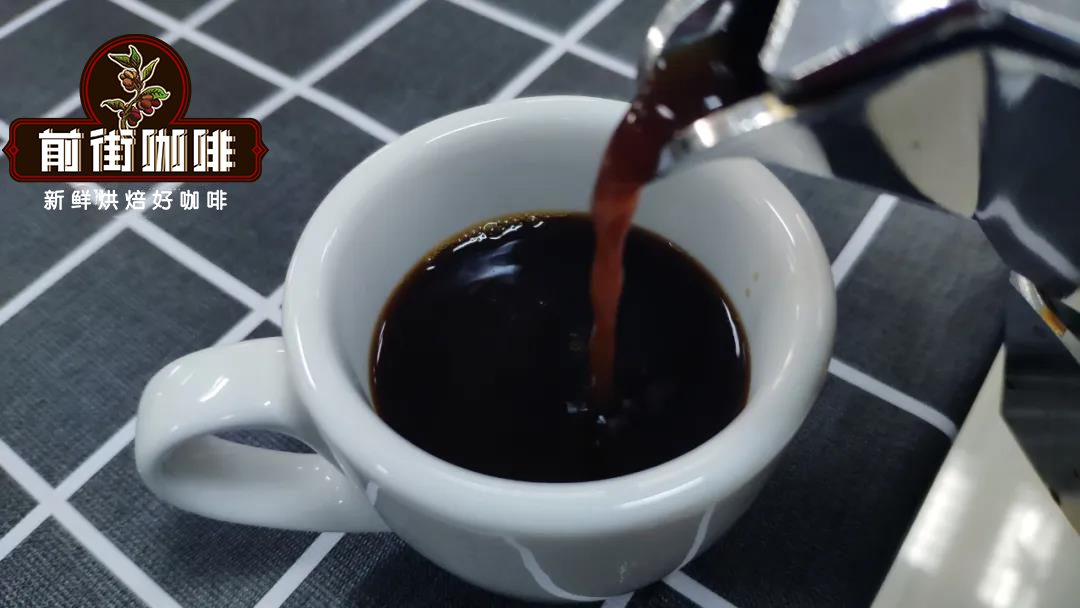
Moka Pot Extraction Principle
The extraction principle is simple: it relies on the steam pressure generated in the lower chamber. When that pressure grows strong enough to push through the coffee grounds, it forces hot water up into the upper chamber, brewing rich, aromatic coffee. Using the vapor pressure of boiling hot water to extract coffee with flavors close to espresso is, to FrontStreet Coffee, the charm of the Moka pot.
So how should a Moka pot be used to extract a perfect espresso for milk-based drinks? FrontStreet Coffee's approach is:
1. First, determine the amount of grounds. Grind to a fine espresso setting, level it after tamping, and see how many grams it weighs.
2. Determine the water amount. The water volume in the lower chamber is hard to judge at first, so you can only estimate the yield through trial and error. For example, FrontStreet Coffee uses 20g of grounds and wants an espresso at a 1:1.8 coffee-to-water ratio, which means 36g of water. On the first test, use the Moka pot's recommended water amount to brew a pot and see how much coffee you actually get. If 100g of water yields 60g of coffee but you only want 36g, then next time use only 100-(60-36)=76g of water.
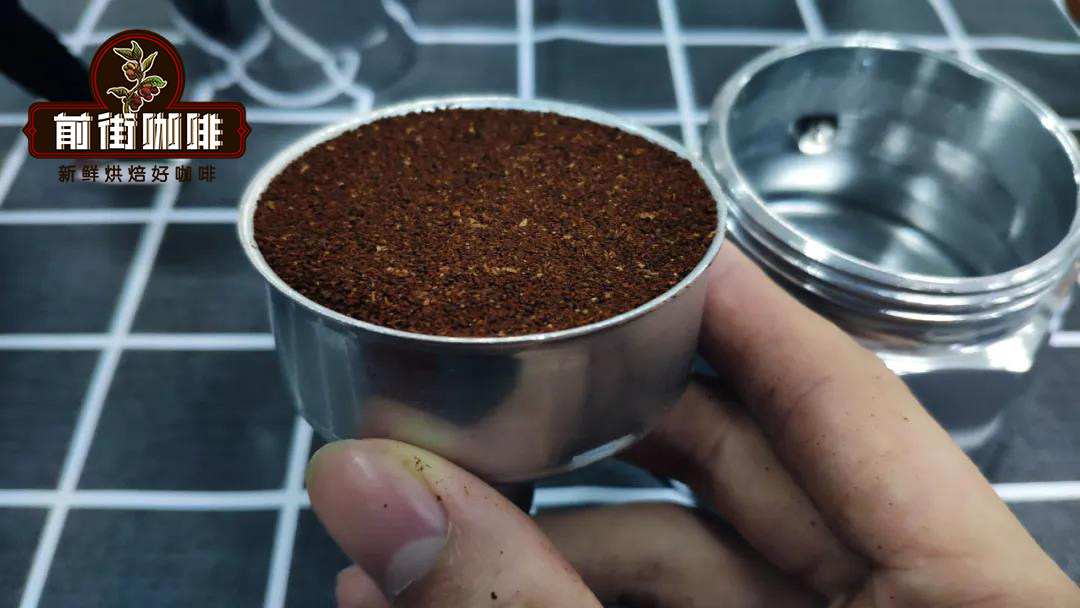
3. Fine-tune the grind size. The ideal extraction is when the coffee flows slowly and the pressure relief valve releases steam slightly but without a whistling sound. If the coffee flows too quickly and the valve releases no steam, the grind is too coarse. If the coffee flows slowly and the valve whistles as it releases steam, the grind is too fine.
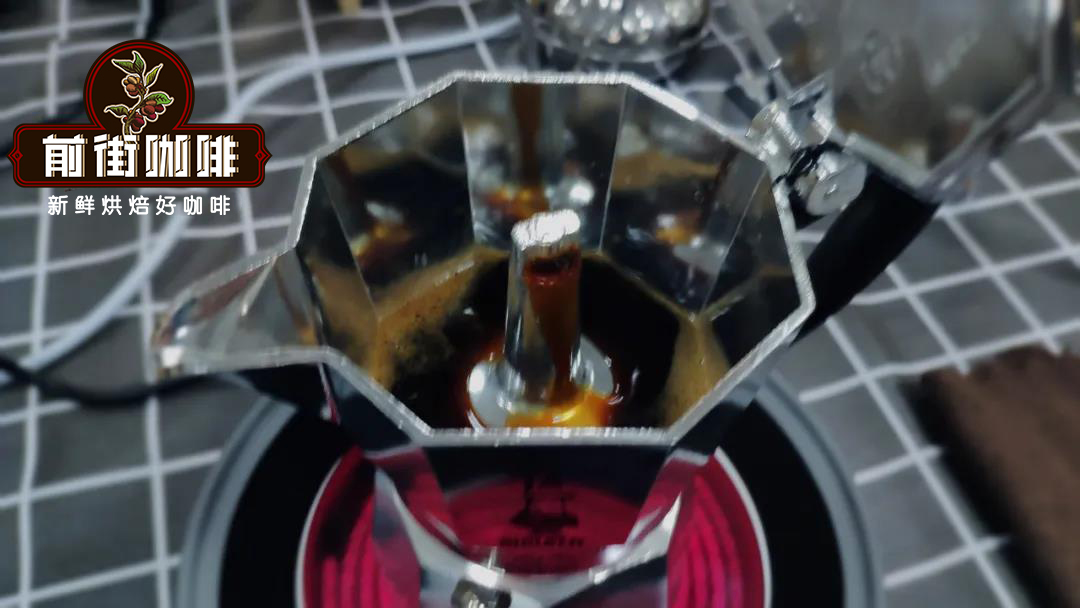
4. Timing for removing from the heat. Turn off the heat when the extraction is stable (when the liquid from both sides has formed a circle at the bottom). Pour it out promptly, before the small bubbles turn into large ones. The longer you wait, the stronger the burnt taste becomes, and the crema will dissipate.
How FrontStreet Coffee Uses a Moka Pot to Extract Espresso
For this demonstration, FrontStreet Coffee uses Brazil Queen Estate beans, which have rich nutty and cocoa aromas.
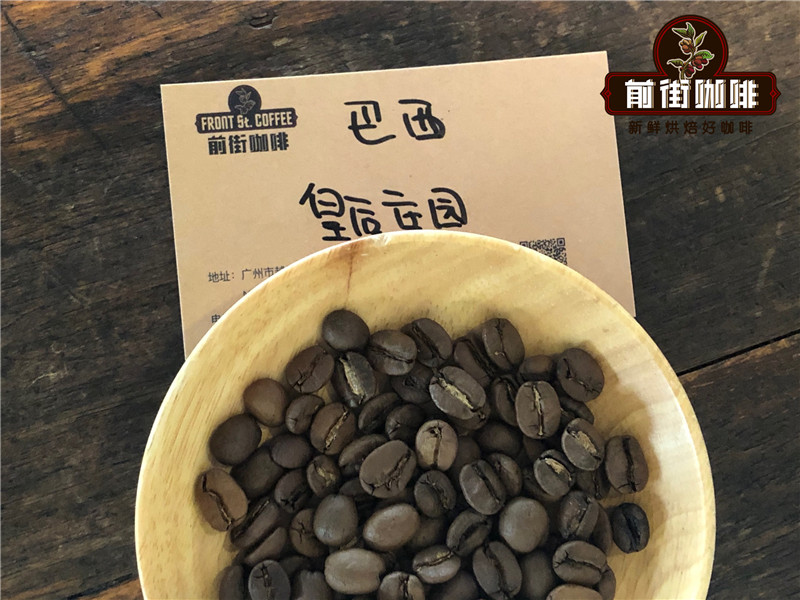
FrontStreet Coffee - Brazil Queen Estate Coffee Beans
Region: São Paulo State, Brazil
Estate: Queen Estate
Altitude: 1400-1950m
Variety: Yellow Bourbon
Processing Method: Pulped Natural/Natural
1. Pour purified water into the lower chamber of the Moka pot, keeping the water level about 0.5cm below the pressure relief valve.
2. Choose a grind slightly coarser than espresso. Gently tap to distribute the grounds evenly, and level the coffee surface when the grounds form a small mound.
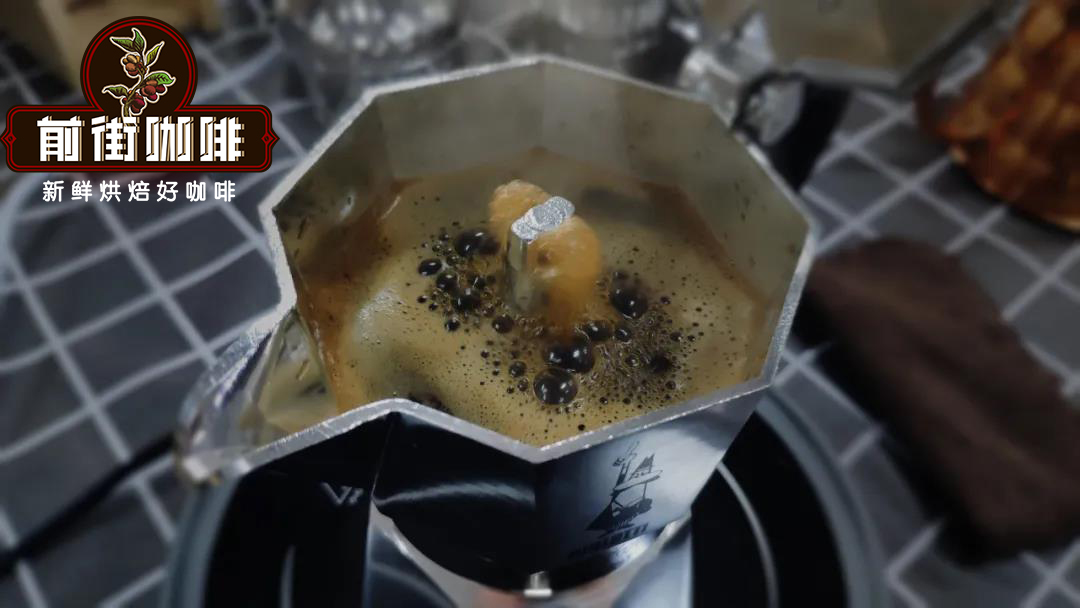
3. Place the filter basket in the lower chamber, tighten the upper and lower parts together, and set it on an electric ceramic stove or stovetop over high heat. When the coffee in the upper chamber reaches halfway, turn off the heat; the residual heat and pressure of the Moka pot will "push" the remaining coffee up into the upper chamber.
4. When all the coffee has been extracted into the upper chamber, pour it into a cup and enjoy. Moka pot coffee is very concentrated and can even produce crema. You can also mix it with a suitable amount of water or milk for an even better flavor.
Flavor Description of Brazil Queen Estate Coffee Beans Brewed with Moka Pot
Rich nutty aroma, chocolate flavor, brown sugar sweetness, rich and full-bodied. Paired with milk, it is absolutely comparable to what a coffee shop serves.
FrontStreet Coffee Recommendation
For the Moka pot, FrontStreet generally suggests starting with a blend. The FrontStreet Classic Blend is designed for both espresso and the Moka pot, and its greatest strength is outstanding crema — even a beginner, on a non-professional home machine, can pull thick, fine crema with it. It follows the traditional Mamba blend recipe, full-bodied and mellow, and is easy for veterans and newcomers alike. The FrontStreet Black Cocoa Blend is 100% Arabica, with plenty of crema and a mellow body at a friendly price. FrontStreet Coffee's Commercial Blend costs less than the Fine Blend and is optimized to keep flavor while controlling cost, making it a long-time café favorite, while the Fine Blend has carried FrontStreet's cafés for nearly ten years, pairing Brazil Cerrado with Colombia Huila for the classic espresso taste you remember.
Single origins work just as well, and the Brazil Queen Estate used above is a case in point: a Yellow Bourbon from São Paulo State grown at 1,400–1,950 meters and processed pulped natural or natural, it is low in acidity, balanced, and rich in nut and cocoa aroma with clear caramel sweetness — smooth, not astringent, and suited to pour-over, espresso, and the Moka pot. For a bolder, low-acid cup, the FrontStreet PWN Indonesia Golden Mandheling is a dark roast, full of herbal and dark chocolate notes with a faint earthy edge. And if you want fruit, the FrontStreet Colombia Sidra from La Divisa, grown at 1,650–1,800 meters and double anaerobic natural, shows jasmine and citrus in the dry aroma and a juicy blend of passionfruit, blueberry, grape, and apricot in the cup.
Important Notice :
FrontStreet Coffee is a long-established specialty coffee roaster in Guangzhou China, selling freshly roasted beans from its own farm in Yunnan as well as dozens of carefully selected single-origin beans from around the world for both pour-over and espresso. The products deliver consistently excellent quality and great value, with shipping within 24 hours. Guangzhou's FrontStreet Coffee shop is recommended by many coffee lovers, and the beans are now available online at the Tmall 。
FrontStreet Coffee has moved to a new address:
FrontStreet Coffee Address: 315,Donghua East Road,GuangZhou
Tel:020 38364473
 Scan and follow the En Gafei WeChat official account. Please indicate that the reprint comes from "En Gafei".