What is Decaf Coffee? Benefits, Drawbacks, and Fat-Burning Effects | Can Decaf Coffee Help with Weight Loss?
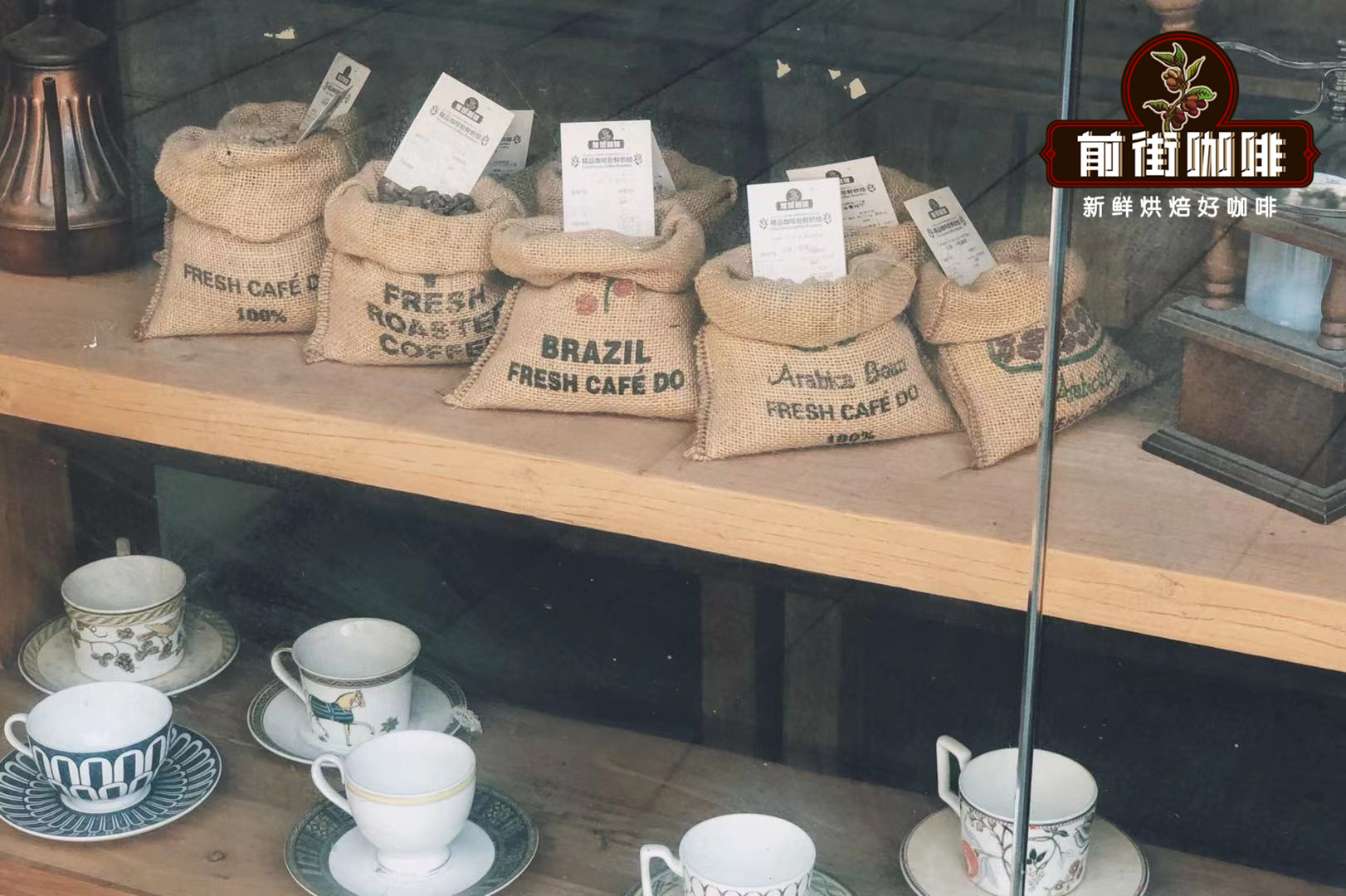
Experienced coffee enthusiasts know that specialty coffee uses Arabica beans, which have lower caffeine content than Robusta varieties and score better in flavor cupping. Robusta beans, with their high caffeine content and less desirable flavor, are not used in specialty coffee and may even have negative health effects when consumed excessively. There is also a growing trend of decaffeinated coffee beans with even lower caffeine content than Arabica. So is decaf coffee healthy? What are its advantages and disadvantages? In this article, FrontStreet Coffee will explain everything to our fellow coffee enthusiasts.
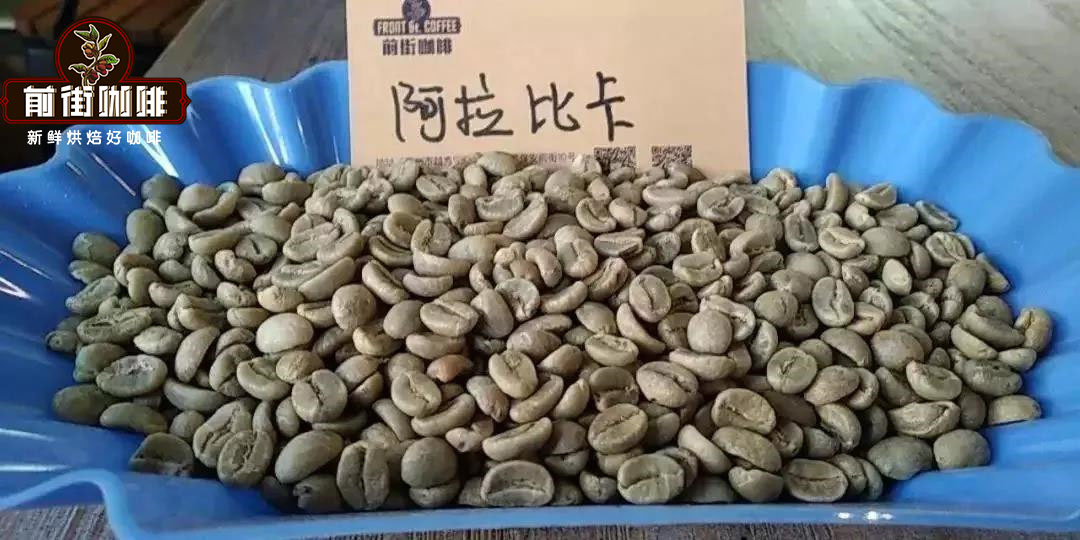
What is Decaf Coffee?
Caffeine content in coffee beans is measured as a percentage by weight. Arabica beans contain 0.9%-1.4% caffeine (averaging 1.2%), while Robusta contains 1.8%-4% (averaging 2.2%). Decaf coffee is divided into naturally low-caffeine coffee and artificially processed decaffeinated coffee. The EU standard for artificially processed decaf is that the caffeine content after processing should not exceed 0.1% of the raw bean, while the US FDA standard is a reduction to less than 3% of the original caffeine content.
For example, FrontStreet Coffee currently offers a decaf coffee bean from the Huila region of Colombia that boasts excellent flavor.
FrontStreet Coffee Colombia Decaf Coffee Beans
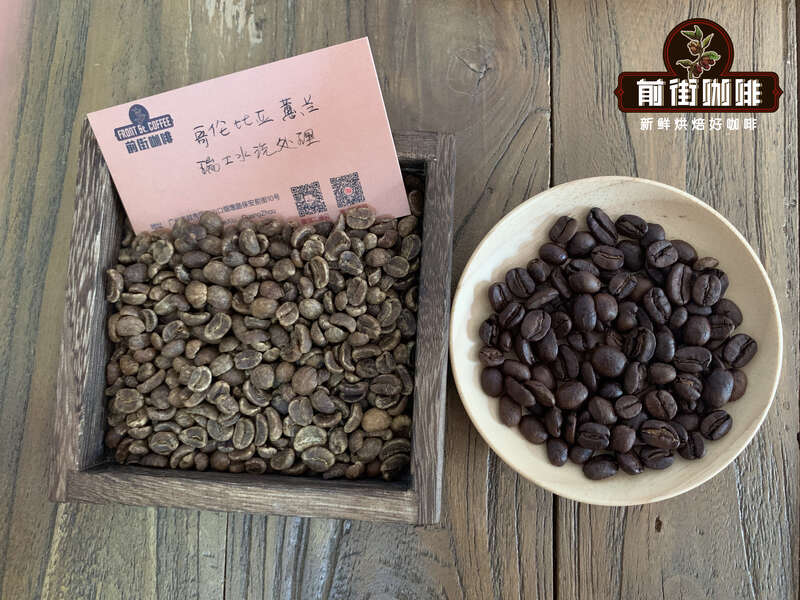
Region: Colombia, Huila
Altitude: 1750 meters
Variety: Typica
Processing Method: Swiss Water Process
Flavor Notes: Berries, citrus, cocoa, nuts
Does Decaf Coffee Taste Good?
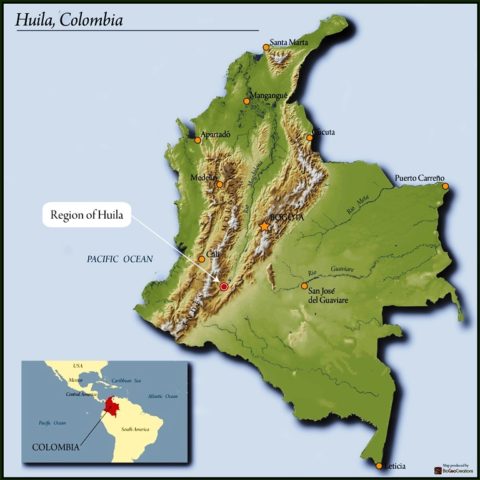
This batch of Colombia decaf coffee beans comes from Colombia's most famous and highest-altitude coffee region, Huila. The beans produced here are selected high-mountain beans from Colombia's national coffee company, considered a national treasure of Colombia. This decaf from Huila is therefore destined to have good flavor. After all, the quality of a coffee bean's flavor depends on its region, variety and processing method. Even beans from the same region require further grading. As long as they are high-quality beans that have passed multiple screenings, the flavor will not disappoint. If you encounter a bad-tasting one, it is due to that bean's inherent poor quality, not the entire category. If you taste bad decaf, you simply haven't found the right one.
Therefore, FrontStreet Coffee believes that poor-tasting decaf is not caused by the decaffeination process itself. Most decafs start with inexpensive, commercial-grade coffee beans as raw material. Modern decaffeination technology is quite complex, but in most cases companies producing decaf tend to choose high-caffeine varieties (like Robusta) as raw material. Those beans were already unpleasant before decaffeination. Like other coffee beans sold in coffee shops, if decaf starts with high-quality Arabica beans, it can still perform very well even after decaffeination.
Furthermore, FrontStreet Coffee selected Colombia decaf coffee beans with a Supremo grade. In Colombia's coffee grading system, Supremo is the highest grade, naturally ensuring excellent quality.
Colombia Decaf Coffee Processing Methods
There are four main decaffeination methods: direct/indirect solvent processing, supercritical carbon dioxide processing, the Swiss Water Process and mountain spring water processing. The most common methods are direct solvent processing and the Swiss Water Process. As mentioned above, this Colombia Huila decaf uses the Swiss Water Process.
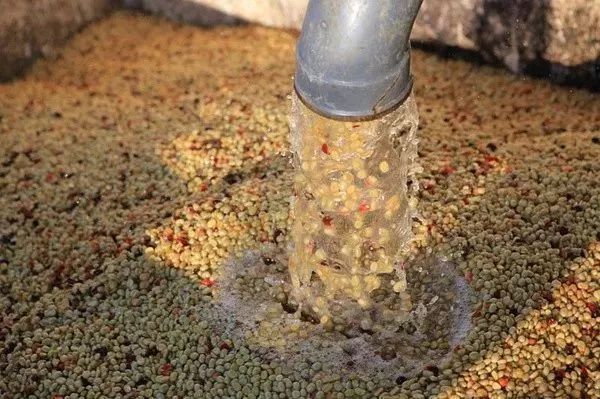
Swiss Water Process
This process begins by soaking raw coffee beans in hot water, during which some caffeine is already removed. The soaked solution is then filtered through activated carbon, and finally the solution is returned to the coffee beans. This series of steps removes caffeine more effectively. Besides not requiring chemical solvents, the soaked solution can be reused in different batch processing procedures. The downside is that coffee loses some flavor during the filtration process.
However, this method can achieve a caffeine removal rate of up to 99.9%, making it the most effective decaffeination method. Although the Swiss Water Process may cause some loss of coffee flavor, it is popular due to its low cost, ease of operation and high efficiency. Therefore, most decaf coffee beans we see today primarily use the Swiss Water Process.
Is Drinking Decaf Coffee Healthy?
Many people believe that drinking decaf coffee is unhealthy. What are the facts?
As FrontStreet Coffee mentioned above, decaf coffee is short for decaffeinated coffee. There are many methods to remove caffeine from coffee beans. Except for the caffeine content, the nutritional value of decaf coffee should be nearly identical to regular coffee. However, depending on the method used, the taste and aroma may become slightly milder, and the color might change. This can make decaf coffee more enjoyable for those sensitive to the bitterness and aroma of regular coffee.
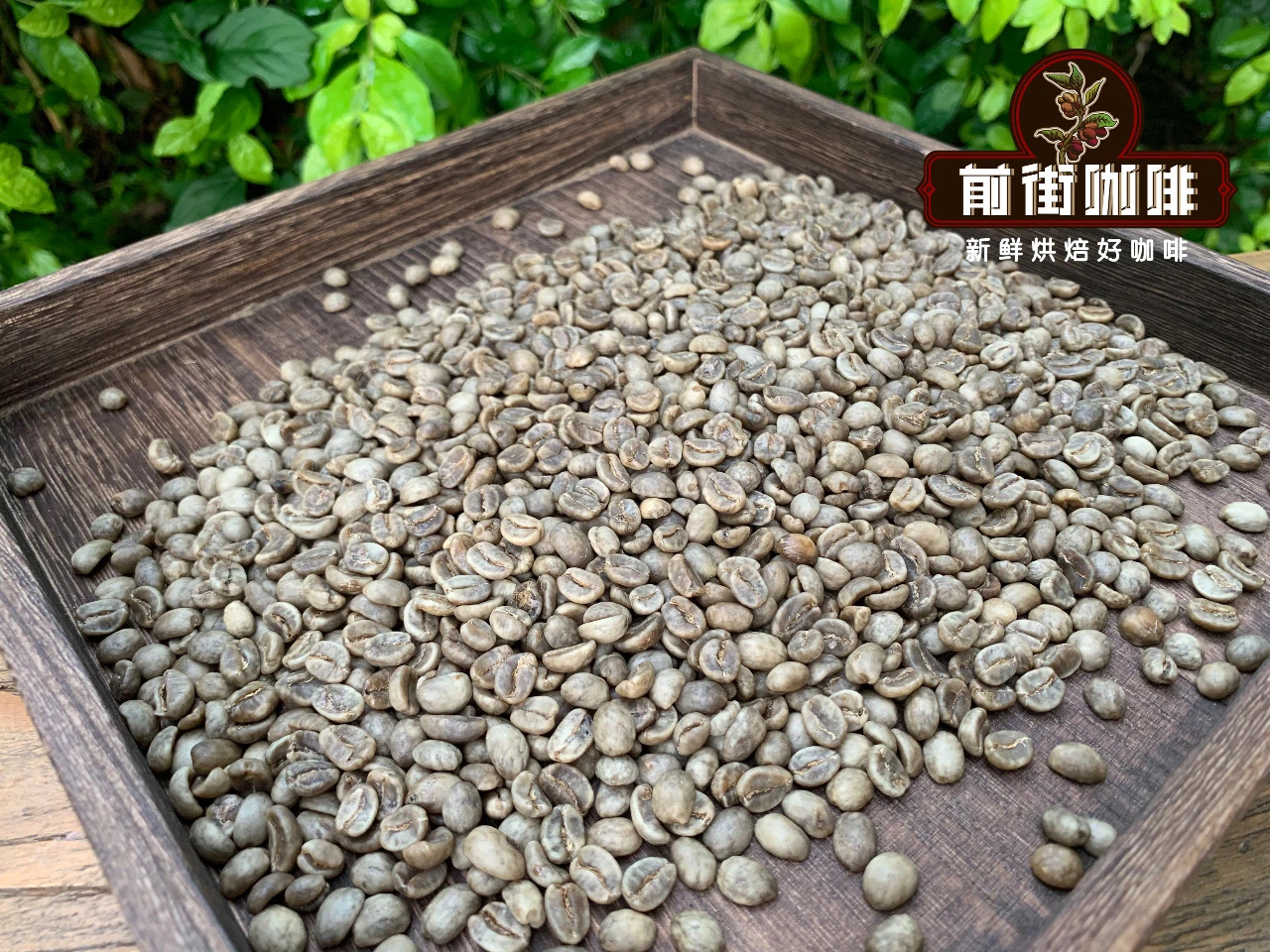
Does decaf coffee mean completely caffeine-free? Not exactly. Decaf coffee actually eliminates about 97% of caffeine, not entirely. While some caffeine remains, compared with regular espresso the caffeine in decaf coffee won't affect most people.
Therefore, drinking normal amounts within your body's daily acceptable limit won't cause harm. However, drinking without restraint, so that your daily caffeine intake exceeds what your body can handle, will naturally cause harm.
The above is the information about decaf coffee compiled by FrontStreet Coffee, in the hope of helping fellow coffee enthusiasts better understand decaf coffee. Next, FrontStreet Coffee will share how to brew decaf coffee.
How FrontStreet Coffee Brews Decaf Coffee Beans
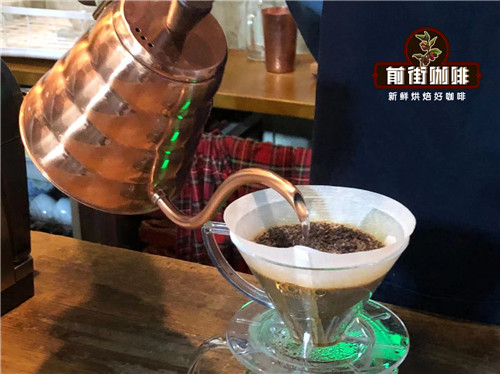
After decaf coffee beans release caffeine through soaking, their fiber structure differs from regular coffee beans. Their strong water absorption leads to slower extraction, requiring adjustments to the brewing parameters.
Dripper: Kono dripper
Water Temperature: 88.8°C
Coffee Amount: 15g
Coffee-to-Water Ratio: 1:15
Grind Size: Coarse grind / raw sugar consistency (62% pass-through rate on China standard #20 sieve)
FrontStreet Coffee's segmented brewing: Pour in the coffee grounds, add 2x water (30ml) for a bloom of 30 seconds. Then proceed with the second pour, gently circling to add 150ml of hot water and pushing up the coffee bed to create a golden foam surface. Wait for the water level to drop slightly, then add the final 45ml. Once all the coffee liquid flows into the lower pot, remove the dripper to finish extraction. Total extraction time is 2 minutes and 10 seconds.
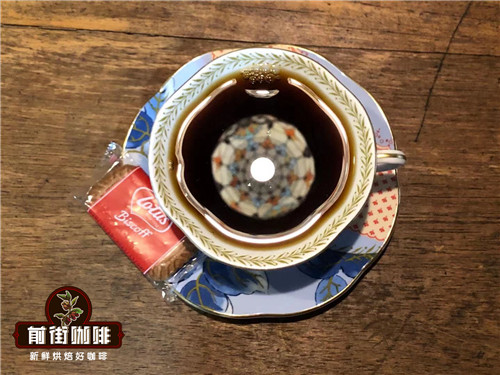
Colombia Decaf Coffee Beans Brewing Flavor: Dark chocolate, caramel and nuts, with a rich, full-bodied texture.
FrontStreet Coffee Recommendation
This Huila decaf shares its home with FrontStreet Colombia Huila Coffee, a washed single origin from the same province in Colombia's southern Central Cordillera. Huila is the country's best-known specialty region, with growing altitudes above 1,500 meters, and the beans are medium-dark roasted, so the cup highlights black chocolate, nutty sweetness, moderate oil and a full body. It suits pour-over and French press as well as moka pot and espresso, so the same flavors you enjoy in the decaf carry straight over.
If you want a fruitier take on Colombia, FrontStreet Colombia Sidra comes from Finca La Divisa in the Huila region, a champion-lot bean grown at 1,650-1,800 meters. It is anaerobically natural processed and medium-light roasted to preserve the original fruit, with jasmine and citrus in the dry aroma and passion fruit, blueberry, grape and apricot in the cup, finishing on a lasting cocoa sweetness.
For an everyday espresso that leans on Colombia's darker, cocoa-forward side, FrontStreet Premium Blend combines Brazilian cream-and-nut aromas with Colombian dark-chocolate bittersweetness. It extracts with a fine, golden crema and works beautifully with milk for a rich, smooth latte, and it is equally at home as an Americano, cappuccino or mocha base.
Important Notice :
FrontStreet Coffee is a long-established specialty coffee roaster in Guangzhou China, selling freshly roasted beans from its own farm in Yunnan as well as dozens of carefully selected single-origin beans from around the world for both pour-over and espresso. The products deliver consistently excellent quality and great value, with shipping within 24 hours. Guangzhou's FrontStreet Coffee shop is recommended by many coffee lovers, and the beans are now available online at the Tmall 。
FrontStreet Coffee has moved to a new address:
FrontStreet Coffee Address: 315,Donghua East Road,GuangZhou
Tel:020 38364473
 Scan and follow the En Gafei WeChat official account. Please indicate that the reprint comes from "En Gafei".