Geisha Mariposa Coffee Flavor Profile Characteristics V60 Pour-over Brewing Recommendations
Panamanian Coffee Excellence
Historical records trace Panamanian coffee cultivation back to around 1780, when European immigrants introduced the first Typica trees. Blessed with abundant sunshine, fertile land, highland ecosystems, and a sufficient labor force, Panama has grown into a representative producer of high-quality specialty coffee. In particular, after the successful introduction and runaway success of Hacienda La Esmeralda's Geisha variety, Panamanian coffee has become the center of attention in the international coffee market.
Boquete: Panama's Premier Coffee Region
Boquete is Panama's oldest and most celebrated coffee-growing area, on the eastern flank of Baru Volcano at highland elevations of roughly 1,200-2,000 meters. The Baru Volcano National Park, a national ecological conservation zone, shelters diverse and abundant biological species and spans 7 microclimates. Add year-round mist cover and plentiful rainfall, and you have superb natural conditions for coffee — making Boquete the region with both the highest production and the best quality in Panama.
The Butterfly Blend: A Unique Coffee Offering
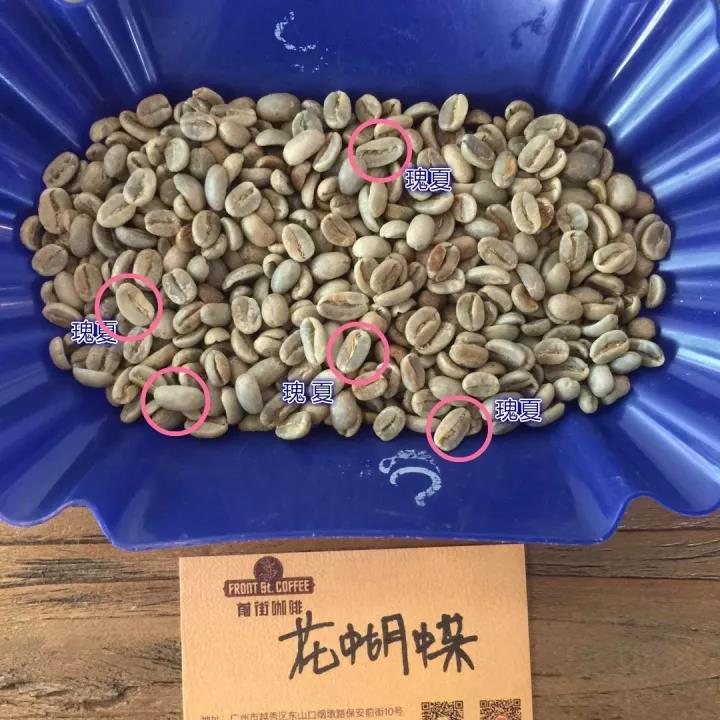
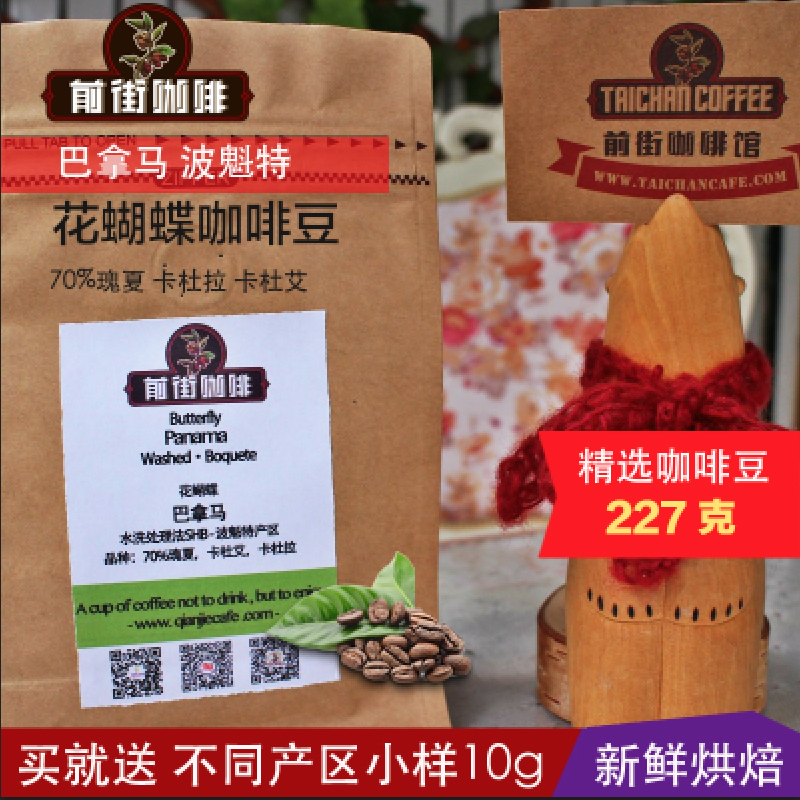
'Butterfly' is an exclusive brand item created through collaboration between Black Gold Specialty Coffee and Panama's Boquete growing region, sold exclusively. Because it contains a certain proportion of Geisha from the Boquete region (the same growing area as the renowned Hacienda La Esmeralda), it has been extremely popular since launch, with demand consistently outstripping supply. (Rumor has it that counterfeit versions of Butterfly have surfaced on the market, prompting coffee merchants to issue clarifying statements.) The '2017 Butterfly' is still blended from three varieties: Geisha + Caturra + Catuai. Notably, this year the merchant raised the Geisha proportion to 70% — the highest Geisha content since Butterfly was first launched. According to the merchant, these beans grow in volcanic terrain at around 1,600 meters, cultivated and harvested by smallholder members of cooperatives using Boquete's traditional, meticulous methods. Post-processing is handled nearby by Café de Eleta SA. Production is modest, but quality is stable, all while maintaining the ecological environment and soil health.
Given the special character of the 'Butterfly' varieties, it is strongly recommended to roast it no darker than medium-light, preserving the floral aromas and the sweetness of fruit notes with elegant acidity...
Boquete sits in the high-altitude zone of Panama's Baru Volcano. The local fertile soil, cool and humid air, wide day-night temperature swings, abundant rainfall, and converging rivers together create the conditions for high-quality Panamanian specialty coffee.
The Boquete Butterfly shares the same block as the famous Hacienda La Esmeralda, in an area of continuous valleys and ridges that generates multiple microclimates. Coffee from different plots often carries distinctly different flavor characteristics.
Baru Volcano is not only Panama's highest mountain range; early volcanic activity and eruptions deposited vast amounts of sediment, leaving extremely fertile soil rich in nutrients — volcanic ash here is particularly abundant in phosphorus and sulfur. Mixed with clay and combined with the region's unique climate patterns, it forms an environment ideal for high-quality coffee. Dense forests and numerous species add up to a rich overall biodiversity.
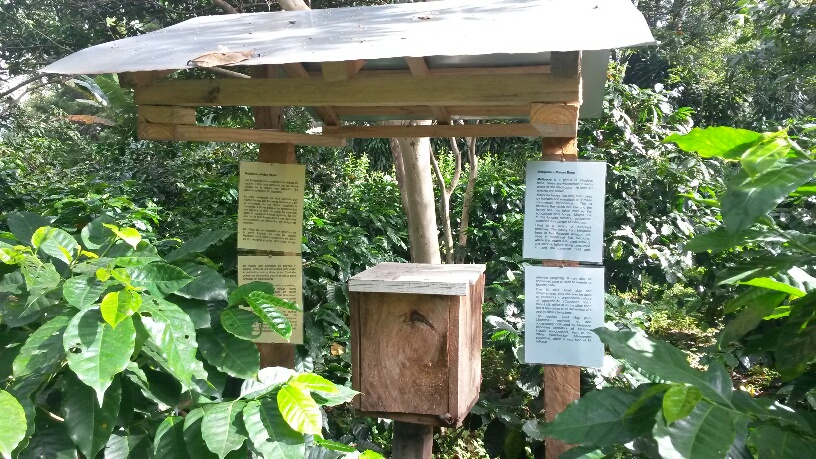
Sustainable Farming Practices
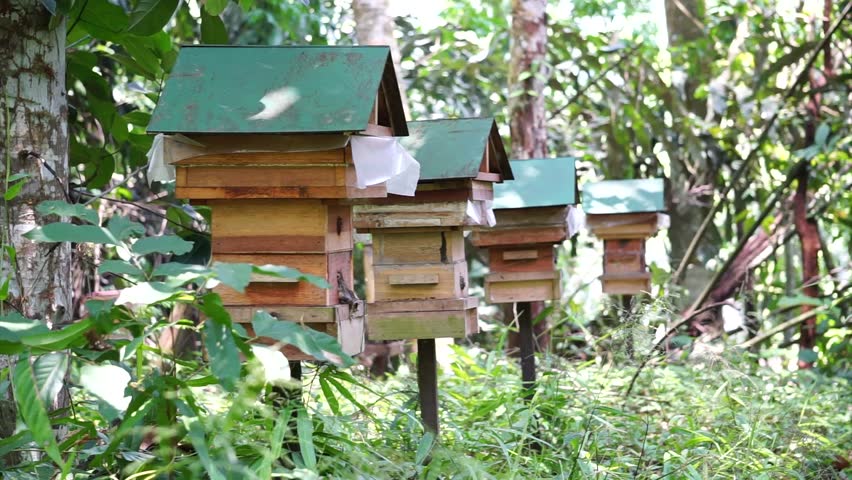
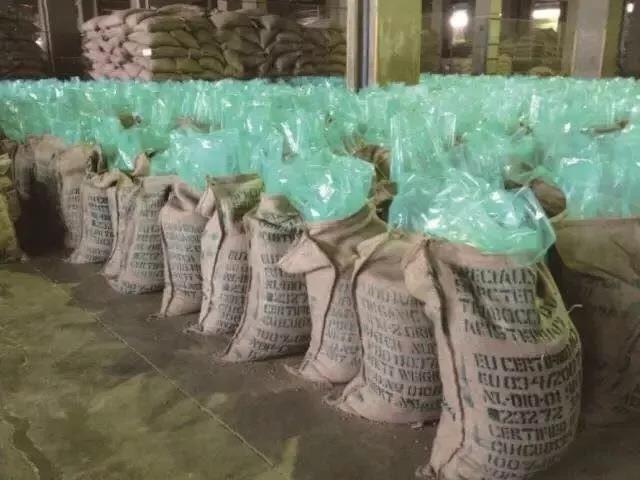
About 50 coffee farmers here form a small cooperative, all using traditional Boquete methods to grow coffee in a near-natural environment. Production is not high, but the rich ecosystem is preserved and soil quality can be maintained or even improved. Natural cultivation not only benefits the environment; because the coffee fruit grows slowly, it also makes it easier to produce high-quality beans with outstanding flavors. Farmers hand-harvest only complete coffee cherries and send them to nearby Café de Eleta S.A. for post-processing. The mill is about 4 kilometers from the farm and includes a modern laboratory for cupping-based quality control and manual selection.
Brewing Recommendations
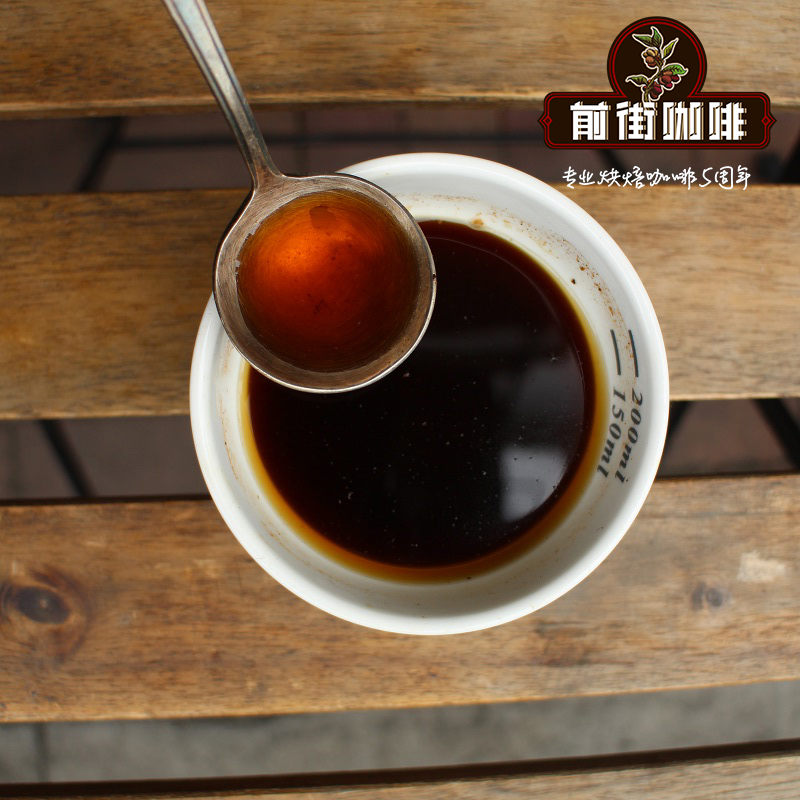
FrontStreet Coffee suggests brewing 'Butterfly' with 90-92°C water, which yields nice citrus acidity and some nutty sensations, along with jasmine floral notes.
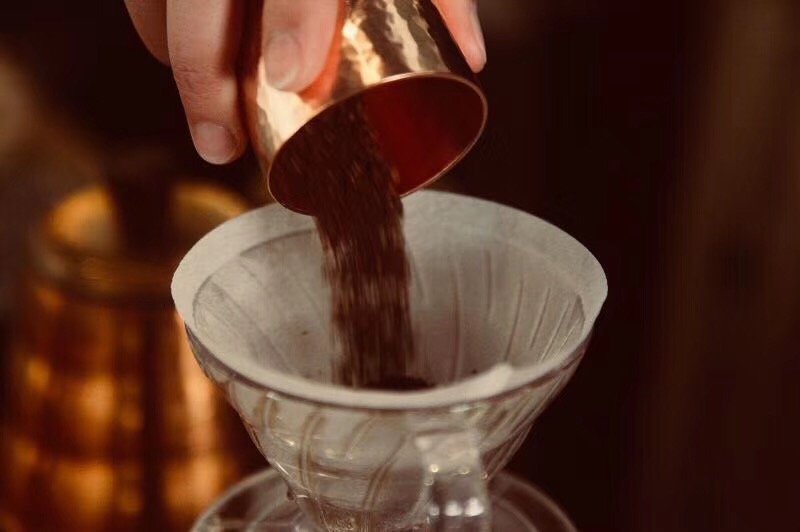
For pour-over Panama Butterfly, using V60, recommend 15g of coffee grounds, water temperature 89-90°C.
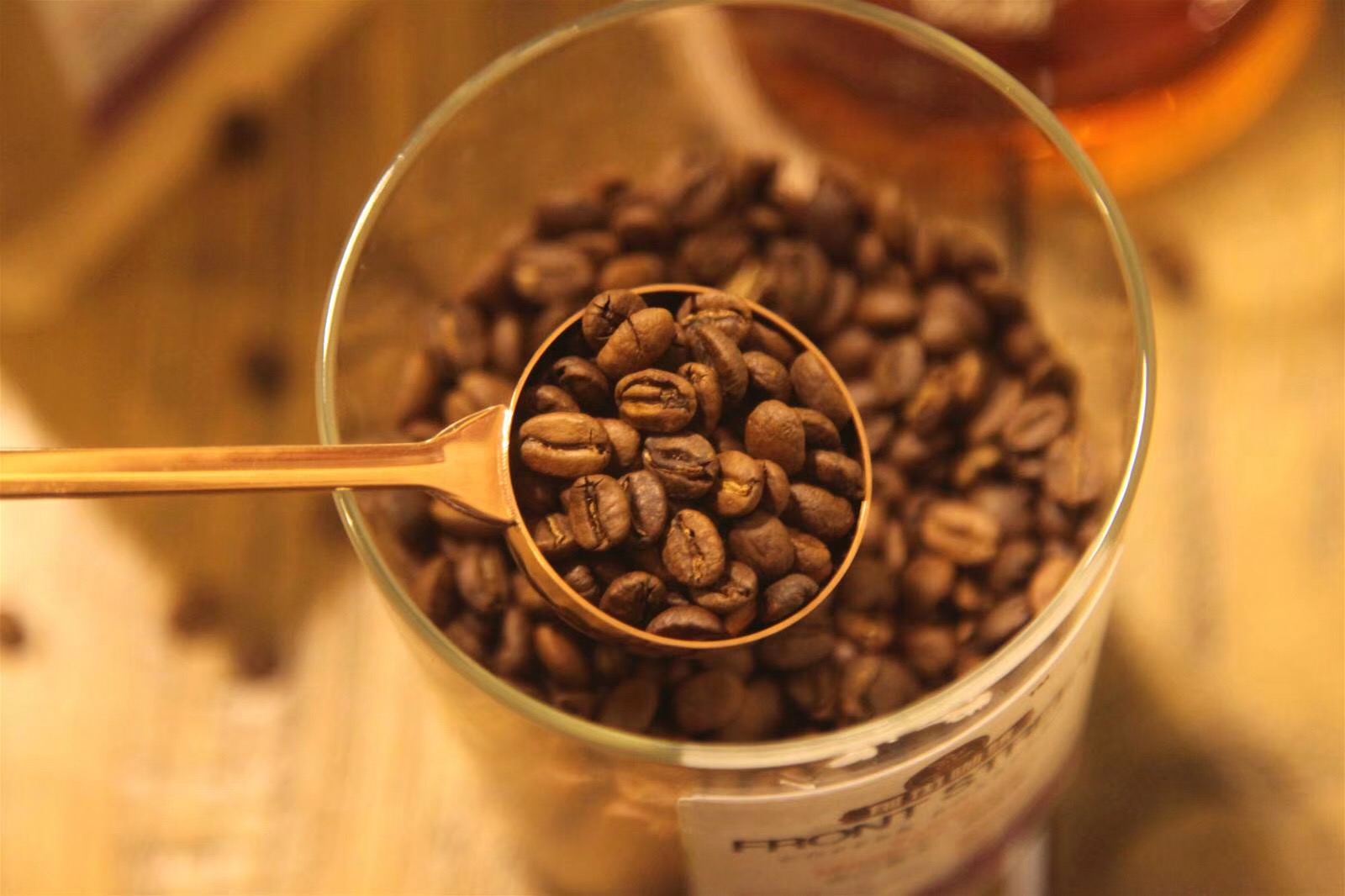
Water-to-coffee ratio 1:15, Fuji grinder setting 3.5, V60 dripper, first pour with 30g water for 28-30s bloom.
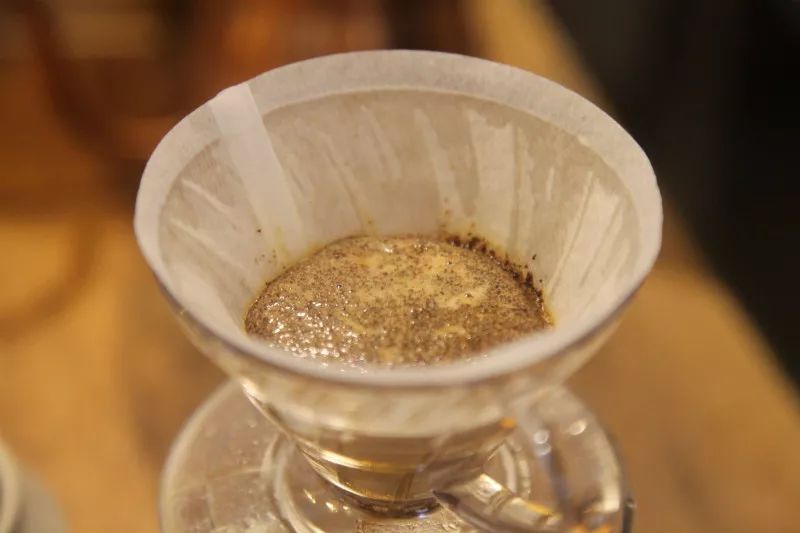
Depending on the bloom condition and how far the bed expands, you can judge how long to keep the fine stream going. After blooming, the grounds still hold some trapped air.
During the second pour, foam will form. The fineness of that foam reflects how much air remains inside the grounds — and that in turn determines whether the grounds float on the water surface or sink to the bottom of the filter. When air content is high, the grounds float, so use a fine, gentle stream to agitate them and release the trapped air.
Pour to 110g water volume, stop at 140g, wait until the water level in the coffee bed drops to half before pouring again. Slowly pour until reaching 225g water volume, discarding the last 5g. Total extraction time: 2:00 minutes.
This pour-over approach produces higher sweetness and gentle sweet flavors. Take it as a reference only — fine-tune to your own taste.
FrontStreet Coffee Recommendation
Geisha is one of the most beloved varieties in Arabica coffee. Its one-of-a-kind florals and superb sweet-sour balance have won over countless coffee lovers, while low yields, weak disease resistance, and demanding cultivation keep its price high. Knowing the different types — and their value for money — is the key to buying a Geisha that tastes great without the extravagant price.
Panama is where Geisha made its name, Ethiopia where it was born — two origins every coffee lover should taste at least once. Panama's high altitude, microclimates, and soils shaped the variety's dazzling flavor, and in 2003 the owner of Hacienda La Esmeralda entered his Geisha in the Best of Panama competition. The judges were stunned; an average cupping score of 94.6 broke the BOP record and claimed the title, and overnight Geisha became the champion bean the whole world coveted.
For newcomers, FrontStreet recommends starting with the entry-level Boquete Geisha: at an accessible price you can taste the classic Panamanian character — orange blossom and honeyed sweetness, an oolong-tea texture, delicate fruit acidity, and cleanly layered structure.
Geisha is usually roasted medium-light, with a dense bean that tends to sink and clog the dripper. FrontStreet therefore suggests grinding to a 78% pass rate on the #20 standard sieve (roughly fine-granulated-sugar size) and brewing at 91°C: 15g of coffee in a small Hario V60 at a 1:16 ratio, three pours — 30g to bloom for 30 seconds, then gently to 125g, wait for the bed to drain halfway, then continue to 225g. Total extraction should land around 2:10-2:20.
Geisha also makes a wonderful SOE. A medium-roast Geisha SOE keeps the variety's floral-fruity character and mature dried-fruit sweetness, adding the white florals and lemon-bright acidity typical of Ethiopian coffee, while the espresso cup turns to dried apricot, caramel, and nuts.
Important Notice :
FrontStreet Coffee is a long-established specialty coffee roaster in Guangzhou China, selling freshly roasted beans from its own farm in Yunnan as well as dozens of carefully selected single-origin beans from around the world for both pour-over and espresso. The products deliver consistently excellent quality and great value, with shipping within 24 hours. Guangzhou's FrontStreet Coffee shop is recommended by many coffee lovers, and the beans are now available online at the Tmall 。
FrontStreet Coffee has moved to a new address:
FrontStreet Coffee Address: 315,Donghua East Road,GuangZhou
Tel:020 38364473
 Scan and follow the En Gafei WeChat official account. Please indicate that the reprint comes from "En Gafei".