American Coffee Bean Espresso Brewing Techniques_What Coffee Beans Make American Coffee_How to Make Delicious American Coffee
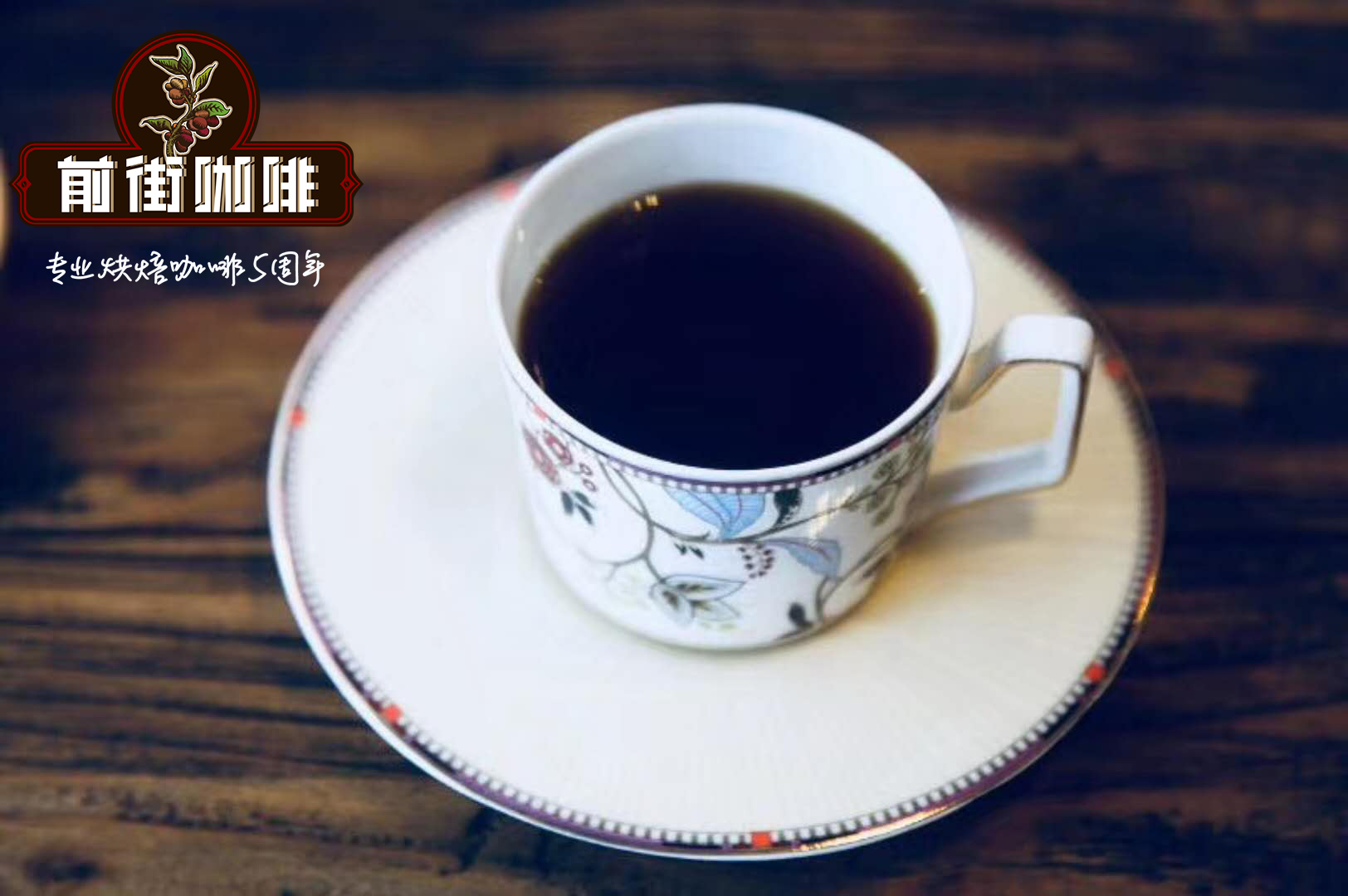
Espresso is what most people simply call concentrated Italian coffee. It is produced by forcing hot water through finely ground, roasted coffee under high pressure and high temperature, extracting a small volume of beverage in a short time.
Espresso is a genuinely multi-phase beverage: it contains solids, liquids, and gases at the same time. Its components include water-soluble solids, emulsified oils, suspended fine particles, and foam.
Crema
Crema is, in essence, a layer of foam. Building that foam layer requires bubbles, plus compounds or particles that can surround and stabilize them.
The bubbles come from the carbon dioxide held inside freshly roasted coffee. Under the pressure of an espresso machine, water's solubility for CO2 rises far above what it would be at normal atmospheric pressure, so much more CO2 dissolves into the beverage than it could otherwise hold.
Bubbles on their own dissipate quickly — just like the rising foam in a freshly opened bottle of cola or beer, which vanishes after a short while. The foam on a properly extracted espresso, however, lasts much longer. Crema contains not only bubbles but also compounds such as melanoidins and proteins. Many of these are hydrophobic — they repel water — so they migrate toward the gas phase and adsorb onto the bubble surfaces, forming a stable foam layer.
Melanoidins are complex, brown, high-molecular-weight compounds formed during roasting, when the Maillard reaction links nitrogen-containing compounds with free amino groups (amino acids, proteins) to carbohydrates such as sugars.
Coffee also contains other water-repelling, non-polar substances, notably oils and fats. Fat is the solid form of oil, and fat tends to destabilize the foam. Arabica beans carry more fat than Robusta beans, which is why espresso pulled from pure Arabica produces a thinner crema than blends that include Robusta.
Extraction Process
No matter the brewing method, the resulting coffee contains both water-soluble and water-insoluble substances: solids, gases, and oils. Oils do not dissolve in water.
During espresso extraction, the 9-bar pump pressure emulsifies those insoluble oils. Emulsification is the process by which two immiscible liquids — water and oil, in this case — are dispersed into one another through vigorous agitation, aided by suitable surfactants, forming an emulsion.
In the course of extraction, some extremely fine coffee particles are pushed out of the coffee puck. Together with the emulsified oils they form a colloidal suspension that gives espresso its body while locking in a host of aromatic compounds — aromas that only release themselves on the palate as you drink.
To sum up: a freshly pulled espresso is a dark liquid covered in gas, fine particles, and emulsified oils.
The Tip
So what is the practical takeaway here? When making an Americano, skim the crema off the espresso before pouring it over water. Try it yourself and see — the difference is especially noticeable when the espresso is pulled from very fresh beans, which produce a thick, abundant crema.
Americano Coffee Bean Brand Recommendations
FrontStreet Coffee's best-selling Americano beans include Yirgacheffe, Golden Mandheling, and Brazil — all backed by solid brand reputation and consistent quality, and all remarkably good value. A half-pound, 227-gram bag costs only about 70-90 yuan. At 15 grams of coffee per pour-over cup, one bag brews roughly 15 cups, so each Americano works out to about 5-6 yuan — a fraction of the dozens of yuan a cafe charges per cup.
FrontStreet Coffee Recommendation
If you are pulling espresso shots for Americanos at home, the FrontStreet Classic Blend is the safest first choice. It was designed specifically for espresso machines and moka pots, and its standout quality is crema — even a beginner with a non-professional home machine can pull dense, silky crema from it. Built on the traditional Mandheling-Brazil formula, it delivers a mellow, rounded body that both newcomers and seasoned drinkers can appreciate, and it powers lattes, cappuccinos, and Dirties just as well as it does straight shots.
For traditional-style Americanos and lattes, FrontStreet's Classic Blend and Commercial Blend both add a small proportion of Robusta to an old-school Italian recipe. That combination yields buttery, nutty, spicy, dark-chocolate, and toast aromas, a wild yet thick body, and a rich golden crema that makes latte art effortless.
For drinkers who love nutty espresso notes — almond, walnut, cashew — the FrontStreet Premium Blend and Black Cocoa Blend are the ones to reach for. Both are built on a large proportion of Brazil beans, giving a comfortable bittersweetness and creamy peanut aroma with an extremely smooth entry. FrontStreet Coffee's Premium Blend adds the nut, chocolate, and caramel notes and balanced acidity of Colombian coffee, while FrontStreet Coffee's Black Cocoa Blend brings the ripe-plum acidity of Yunnan arabica and a creamy chocolate fragrance when ground. Beyond Americanos and lattes, both work beautifully in signature coffee drinks.
Prefer single-origin espresso? The FrontStreet Natural Huakui SOE from Guji Hambela, Ethiopia — grown at elevations up to 2300 meters and processed as a natural — offers cream, cocoa, berries, delicate florals, and black tea after a medium roast, while the FrontStreet Brazil Queen Estate SOE, a Yellow Bourbon roasted medium-dark, expresses butter cookie, macadamia, and toasted bread aromas through the espresso machine.
Important Notice :
FrontStreet Coffee is a long-established specialty coffee roaster in Guangzhou China, selling freshly roasted beans from its own farm in Yunnan as well as dozens of carefully selected single-origin beans from around the world for both pour-over and espresso. The products deliver consistently excellent quality and great value, with shipping within 24 hours. Guangzhou's FrontStreet Coffee shop is recommended by many coffee lovers, and the beans are now available online at the Tmall 。
FrontStreet Coffee has moved to a new address:
FrontStreet Coffee Address: 315,Donghua East Road,GuangZhou
Tel:020 38364473
 Scan and follow the En Gafei WeChat official account. Please indicate that the reprint comes from "En Gafei".