Yemen's Famous Coffee Growing Regions, Yemen Coffee Flavors, Yemen Coffee Characteristics, Yemen Specialty Coffee
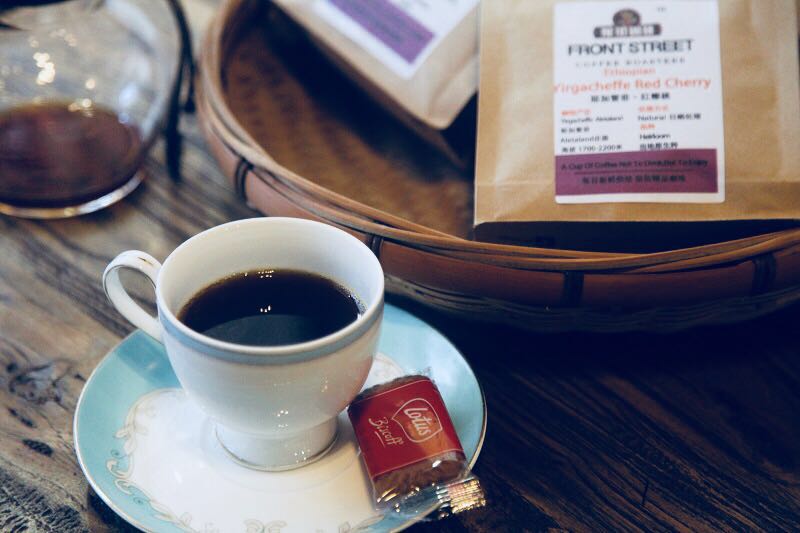
Yemen Coffee: The Mysterious Mocha
When people mention Yemen coffee, they immediately think of the magical natural-processed beans with their rich, satisfying mouthfeel. The aftertaste presents layered, fantastical wild aromas reminiscent of fermented tea—mysterious and unpredictable like the country of Yemen itself, inspiring endless fascination.
Geographical and Historical Context
Yemen is located in Asia, facing Ethiopia across the Red Sea. It is the highest-quality natural coffee-producing country using the dry processing method. Coffee produced in Yemen is called Mocha beans. In fact, Mocha is a coffee export port. Early natural-processed beans from nearby East Africa were all exported from Mocha Port to various parts of the world, so the natural-processed beans from this region, including Yemen and Ethiopia, are collectively called Mocha beans.
Natural Processing Method
Yemen's natural processing method involves manually harvesting fully ripe coffee beans and then placing them directly on specialized coffee drying fields or in their own compacted dirt front yards to sun-dry. During the sun-drying period, similar to drying rice, wooden rakes are used to turn the beans to ensure each bean dries evenly. After about twenty days of drying, the outer pulp and skin are removed to extract the coffee beans. Yemen coffee is characterized by rich, complex, wild, mellow and strong fermentation flavors with lower acidity. In addition, Yemen coffee often contains an uncertain factor—the timing of seasonal rainfall—that makes it unpredictable, so it is no exaggeration to call it one of the world's most special coffees.
Growing Conditions
Yemen coffee grows on steep terrain with little rainfall, poor soil and insufficient sunlight. These unique and difficult conditions, so unfavorable for coffee cultivation, have nurtured the irreplaceable Yemen Mocha of the coffee world. The main coffee-producing regions include Sanani, Matari and Ismaili.
Bean Characteristics
Yemen Mocha green beans contain many empty shells, and the beans vary in size and color. This is a characteristic of Yemen Mocha and also the reason for its variable aromatic qualities.
Cultural Significance and Regional Varieties
Yemen is located on the Arabian Peninsula of the Asian continent, facing Africa across the Red Sea, and is generally classified as African beans. When mentioning Yemen, most people directly associate it with Mocha. In fact, Mocha is a port in Yemen. Previously, almost all nearby coffee was exported from Mocha Port, so Mocha became synonymous with coffee and continues to be used today. Mocha Port itself disappeared long ago due to sedimentation, yet due to tradition, many other countries' coffee beans (such as natural-processed Ethiopian beans) are still labeled as Mocha. There are many spellings of the word Mocha: Moka, Mocha, Mocca and so on, but Mokha is closest to the original Arabic.
Yemen has several famous producing regions, such as San'ani, Mattari, Hirazi, Rimy and Dhamari, alongside Ismaili. These regions produce many high-quality natural-processed beans. Because they are natural-processed, the coffee beans often vary in size, and sometimes grains like corn are mixed in. Because they are natural-processed, they also carry the wild flavors typical of the method. Overall, Yemen coffee has a unique character: wild, complex and stimulating, especially with its fascinating wine-like acidity and deep dark chocolate flavor that many people love. Some people, however, find Yemen coffee beans somewhat bitter. Either way, this is what makes Yemen coffee beans unique.
FrontStreet Coffee's Yemen Mocha Mattari
FrontStreet Coffee also carries such a unique Yemen coffee—Yemen Mocha Mattari. Brewed with 89°C water, it presents a rich dark chocolate flavor on entry, slowly revealing a rounded grape acidity with surprisingly rich layers.
FrontStreet Coffee Recommendation
If you want to taste the wild, wine-like character of Yemen Mocha for yourself, FrontStreet Yemen Mocha Mattari is the place to start. Natural processed and brewed at 89°C, it opens with deep dark chocolate before unfolding a rounded grape acidity and a strikingly layered finish—exactly the mellow, fermentation-driven profile that made Mocha famous.
Yemen Mocha's deep, low-acid weight has a cousin in FrontStreet PWN Gold Mandheling. Sourced from PWN and meeting G1 grade with beans of size 18 or larger and fewer than 3 defects per 300-gram sample, it is hand-sorted three times and medium-dark roasted. The cup is low in acidity and full-bodied, with herbal, black chocolate and earthy notes over spice, licorice and caramel sweetness.
For drinkers who want the wild fruit that natural processing can bring without the heaviness, FrontStreet Ethiopia Huakui is a vivid alternative. This naturally processed Ethiopian bean is full of tropical fruit—strawberry, passion fruit, jackfruit and lychee—with pronounced sweetness, very low bitterness and a smooth, juice-like body.
Important Notice :
FrontStreet Coffee is a long-established specialty coffee roaster in Guangzhou China, selling freshly roasted beans from its own farm in Yunnan as well as dozens of carefully selected single-origin beans from around the world for both pour-over and espresso. The products deliver consistently excellent quality and great value, with shipping within 24 hours. Guangzhou's FrontStreet Coffee shop is recommended by many coffee lovers, and the beans are now available online at the Tmall 。
FrontStreet Coffee has moved to a new address:
FrontStreet Coffee Address: 315,Donghua East Road,GuangZhou
Tel:020 38364473
 Scan and follow the En Gafei WeChat official account. Please indicate that the reprint comes from "En Gafei".