How Much is Authentic Blue Mountain Coffee? Introduction to Jamaica Blue Mountain Coffee and Its Flavor Profile
Professional Coffee Knowledge Exchange
Blue Mountain Coffee
Blue Mountain coffee is precious because it combines excellent genetic heritage with superior growing conditions. From seed selection, cultivation, and harvesting to processing, grading, packaging, and export, Blue Mountain is the model student among coffees.
Blue Mountain is often called the finest coffee in the world. The Blue Mountains lie in eastern Jamaica; on clear days the sea reflects brilliant blue light onto the peaks, giving the range its name.
The highest peak reaches 2,256 meters - the tallest in the Caribbean and a famous tourist destination. Sitting in the coffee belt with fertile volcanic soil, fresh unpolluted air, a humid climate, and year-round fog and rain, these conditions created the world-renowned Jamaican Blue Mountain - and the world's most expensive coffee.
Blue Mountain has every characteristic of fine coffee: rich and mellow, with sweetness, acidity, and bitterness in such perfect balance that there is no harsh bitterness, only moderate, beautiful acidity. It is best enjoyed as single origin, but because production is extremely limited and prices are extraordinarily high, lookalike coffees are often sold as substitutes.
The Secret of Blue Mountain Coffee
The "secret" behind Blue Mountain's pure flavor: all the trees grow on rugged mountain slopes, making harvesting extremely difficult - only skilled local workers, many of them women, can handle the task. Picking perfectly ripe cherries is crucial, since underripe or overripe beans compromise quality. Harvested cherries must be hulled the same day, then fermented for 12-18 hours, after which the beans are washed and sorted. Next comes drying on concrete floors or thick blankets until moisture drops to 12%-14%, followed by storage in dedicated warehouses. When needed, the beans are brought out, roasted, and ground. Every step must be strictly controlled, or quality suffers.
Shade trees are another hallmark of Blue Mountain farming - typically banana trees or Jamaica's native ackee - which shield the coffee from harsh sun and help conserve soil and water. Caring for the trees takes patience: regular pruning removes old trunks to encourage new growth, and fruit is monitored constantly, with poorly developed cherries removed so they don't waste the tree's energy.
All Blue Mountain harvesting is done by hand. Workers move between the bushes on steep slopes, picking ripe cherries one by one. Because cherries on the same tree ripen at different rates, a single harvest takes dozens of passes - an enormously laborious process.
After picking, cherries first go through floating water selection, then washed processing removes the skin and mucilage to reveal the beans, which are sent to processing plants. During harvest season, the washed beans (called wet parchment) are spread across the squares beside the plants like grain, drying in the sun.
Once dried, the beans undergo strict manual selection and machine grading before being packed for export. Blue Mountain's use of wooden barrels rather than ordinary burlap bags is another distinctive feature.
All exported Blue Mountain must pass detailed inspection by the Jamaica Coffee Industry Board - only coffee that clears the professional quality-control cupping test may enter the world market.
Jamaica Blue Mountain Coffee Grades
Coffee from Jamaica's Blue Mountain region comes in three grades:
Blue Mountain Coffee
Jamaica High Mountain Supreme Coffee Beans
Jamaica Prime Coffee Beans
Blue Mountain and High Mountain each have two sub-grades. In descending order of quality: Blue Mountain No. 1, Blue Mountain No. 2, High Mountain No. 1, High Mountain No. 2, and Jamaica Prime.
Typically, only coffee grown between 457 and 1,524 meters may be called Blue Mountain Coffee.
Coffee grown between 274 and 457 meters is usually sold as Jamaica Prime. Price-wise, Blue Mountain runs several times higher than High Mountain.
FrontStreet Coffee's Blue Mountain comes from Jamaica's Clifton Farm, which has a very long history. The Blue Mountain growing region is small - just 6,000 hectares - so not all coffee labeled "Blue Mountain" could possibly come from there. Today's Clifton Farm is the largest estate in the region, yet by international standards it still counts as small-scale cultivation, with many estate owners being small landholders whose families have worked this land for two centuries.
Clifton Farm's cultivation and processing area sits at an average elevation of 4,300 feet (1,310.64 meters). The altitude, gentle afternoon clouds shading the mountains, ample sunlight, and mineral-rich soil give the trees excellent growing conditions and extend the cherries' maturation period.
Clifton's high altitude, long history, and distinctive processing give its coffee not only the characteristic roundness and smoothness of Blue Mountain No. 1, but also subtle floral notes and other rich layers of flavor.
That is why Blue Mountain produced here commands over ten thousand yuan per barrel! At FrontStreet Coffee, however, you can buy authentic Blue Mountain coffee for just 158 yuan - remarkable value.
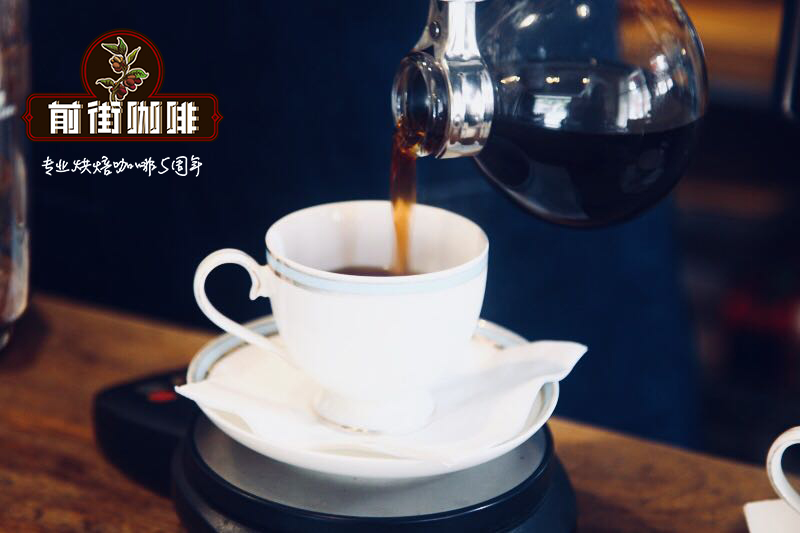
To showcase its flavor, FrontStreet Coffee roasts this coffee dark. Recommended brewing parameters: KONO dripper / 88°C / 1:14 ratio / total time 1 minute 50 seconds. The cup is rich and well balanced, with chocolate perfectly blended into gentle fruit acidity and a persistent caramel sweetness in the finish.
FrontStreet Coffee Recommendation
For the full Blue Mountain experience, FrontStreet Coffee's Jamaica Blue Mountain No. 1 is the definitive choice: the highest grade, from Clifton Manor Estate, backed by complete origin certificates and the traditional 15/45/70 kg wooden barrels that mark genuine Blue Mountain. If you love its balance but want a bolder, low-acid cup for a change, the FrontStreet PWN Golden Mandheling brings Sumatra's wet-hulled richness - herbal, dark chocolate, and caramel - at a fraction of the price.
Important Notice :
FrontStreet Coffee is a long-established specialty coffee roaster in Guangzhou China, selling freshly roasted beans from its own farm in Yunnan as well as dozens of carefully selected single-origin beans from around the world for both pour-over and espresso. The products deliver consistently excellent quality and great value, with shipping within 24 hours. Guangzhou's FrontStreet Coffee shop is recommended by many coffee lovers, and the beans are now available online at the Tmall 。
FrontStreet Coffee has moved to a new address:
FrontStreet Coffee Address: 315,Donghua East Road,GuangZhou
Tel:020 38364473
 Scan and follow the En Gafei WeChat official account. Please indicate that the reprint comes from "En Gafei".