Ninety Plus Candia | Premium Coffee Brand Ninety Plus Selection, Ninety Plus Company Introduction
ETHIOPIA, SIDAMO, Drima Zede
FrontStreet Coffee · Natural Sidamo · Ninety Plus Zhu Mang
Country: Ethiopia
Region: 90+ SNNP, Sidama
Altitude: 1750-2000 meters
Processing Method: Natural Process
Variety: Ethiopian Heirloom
Roast Level: Light Roast
Flavor Notes: Floral aroma, nectarine, tropical fruits, blackberry, blueberry, plum, cream, cinnamon
Acidity: Medium-High
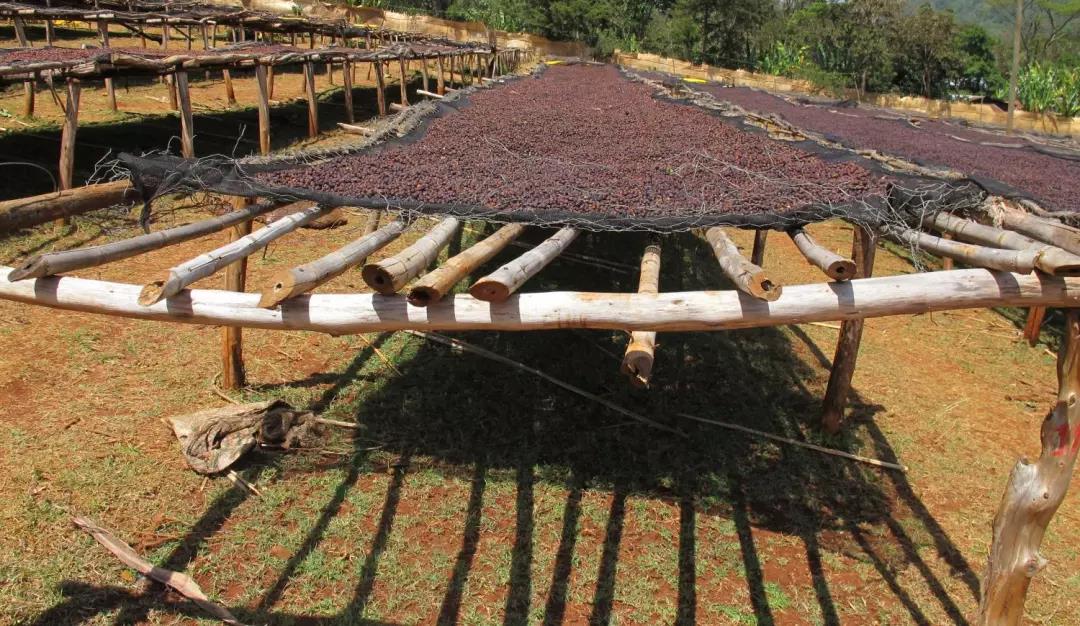
FrontStreet Coffee · Zhu Mang Region Introduction
Sidamo grows in the southernmost Ethiopian highlands at altitudes between 4,600 and 7,200 feet. It is a famous specialty coffee region in southern Ethiopia, bordering Kenya and lying southeast of Jimma and directly south of the capital. It typically has a distinct sweetness and is favored by many people, with an annual output of about 225,000 bags of 60kg.
The flavors of Sidamo coffee are very diverse. Different soil types, microclimates, and countless native coffee varieties, together with towering mountains, highlands, plateaus, valleys, and plains within the region, create diverse topography. The geology consists of fertile, well-drained volcanic soil, with a soil depth of nearly two meters and a surface soil that appears dark brown or brown. The area's greatest advantage is that soil fertility is maintained through the recycling of organic matter, using withered leaves from surrounding trees or residual plant roots as fertilizer.
What Exactly Are Ninety Plus Coffee Beans?
Many coffee shops now pursue Ninety Plus (90+) coffee. 90+ beans are a symbol of honor in the coffee world. But what exactly is Ninety Plus coffee, and how do you introduce it to others? The following is a detailed introduction.

Ninety Plus: What Exactly Are 90+ Coffee Beans?
"90+" does not refer to all coffees that score above 90 points in evaluations. It refers to a top-tier coffee series with 13 flavor profiles.
Sometimes these coffees come from different estates and possess various flavor characteristics. During processing, coffee professionals separate them by variety, climate, and harvest timing, tasting them one by one. They are like works of art approaching perfection. Coffee professionals devote themselves to achieving the best taste and presenting each one in its most perfect form.
The "90+" pursuit of ultimate flavor is admirable. Their sustainable development model and environmentally friendly practices are also learning goals for many coffee producers. Since the company's founding in 2006, this young company has made coffee professionals worldwide take notice in just a few years. The coffee series first revealed in 2007 was immediately regarded as a precious selection by various coffee experts.

Ninety Plus Founder Joseph Brodsky
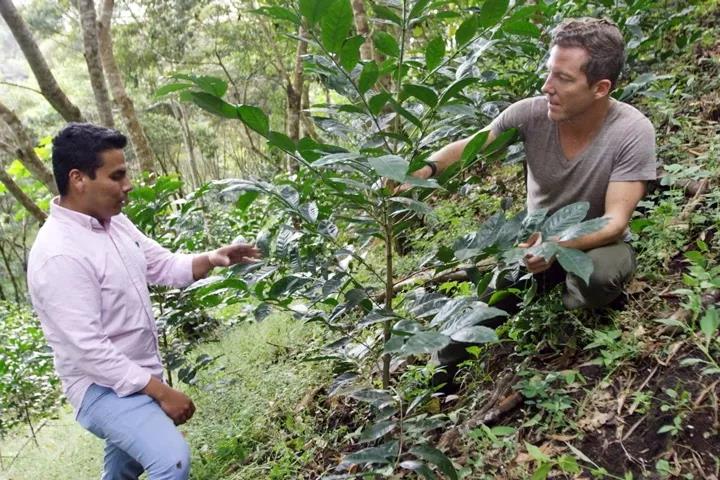
Since 2006, Ninety Plus founder Joseph Brodsky has dedicated himself to changing the deeply entrenched commercial coffee cultivation model. Ninety Plus saw an opportunity to grow shade-loving, delicious heirloom Ethiopian varieties on cultivated tropical land, while also creating a new model to inspire and improve the quality of life of its coffee-growing professionals.
The Ninety Plus team currently owns and/or operates over 1,500 hectares of coffee forest restoration projects in Panama and Ethiopia, and has established an international brand to promote the success of taste-driven, ecologically and socially oriented agricultural economics.

Joseph Brodsky discovered early on that the world's high-quality green coffee originates from Ethiopia, whose many different varieties with different flavors are comparable to no fewer than 10,000 grape varieties producing 1 million different fine wines.
All Ninety Plus green beans come from Ethiopian original varieties, including the Geisha (Gesha) found on Panamanian estates, which was itself transplanted from Ethiopian heirloom varieties. Processing is Ninety Plus's specialty: they separate coffees by variety, microclimate, and harvest timing, tasting them one by one and designing a specific processing method for each flavor profile, much as a fashion house designs a collection. Natural products undergo much refinement before finally presenting their most beautiful form.
In 2006, Joseph Brodsky founded Ninety Plus. Following the craze caused by the emergence of Geisha varieties in Panama in 2003 and 2004, Joseph began his journey. When he did not find the results he expected in Panama at that time, it gave him another idea: perhaps among Ethiopia's more than 10,000 coffee varieties there were still potentials yet to be discovered.
To ensure quality, 90+ adopts a cooperative model with local estates, controlling everything from planting, sampling, and harvesting through subsequent processing and cupping. 90+'s exclusive Profile Processing ensures each bean has a unique, stable flavor direction and quality, and 90+ markets its coffee much like fine red wine, standing out in the market.
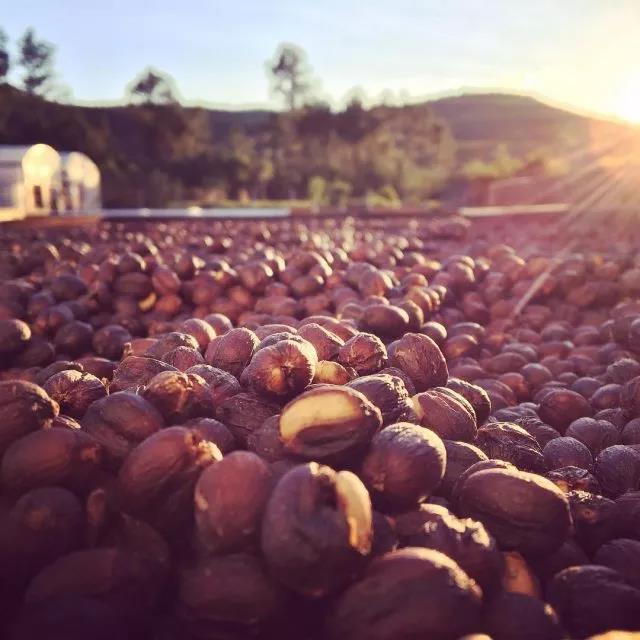
Ninety Plus Profile Processing
As coffee gradually moved toward the high-priced specialty market, 90+ pioneered its own green bean production system: Profile Processing.
When 90+ first started, it selected only the most outstanding cherries from various Ethiopian farmers, starting with processing methods and treating existing good beans with the most refined processing. Thus came the first famous 90+ representative beans: Aricha and Beloya were launched, and the results were astonishing, with rich fruit flavors and high quality that shocked the specialty coffee world.
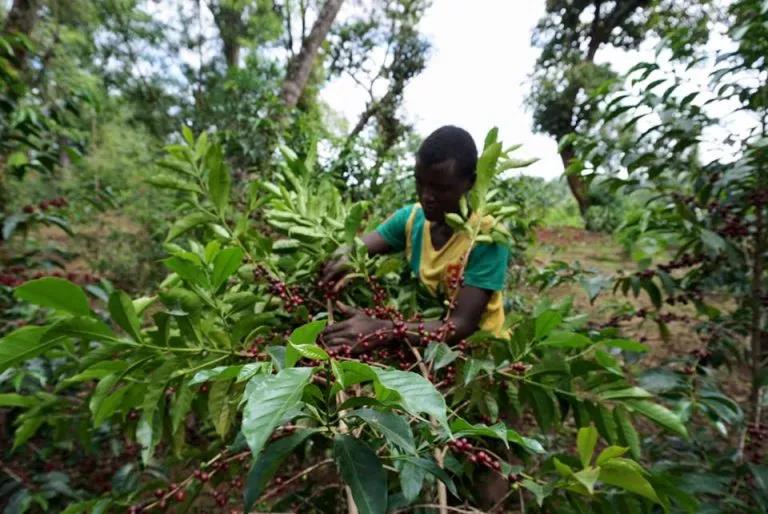
Next came selecting potential farmers, setting ideal flavor feedback based on current beans for farmers and processing plants, conducting process reengineering, and gradually correcting samples toward 90+'s originally set flavors through scientific management. Only those matching the settings most closely were selected for production.
Put simply, Profile Processing extends the scope of management upstream, controlling everything from farmers' planted varieties, origins, climate, and cultivation methods through harvesting and processing. This allows production of exceptionally high-quality beans according to one's preferences. The system is remarkable because it masters the technology to control flavor expression, allowing planning and the setting of the highest standards, surpassing the usual green bean merchants' luck-based selection and purchasing. Exceeding quality standards is not luck but the average level, which is the core value 90+ consistently upholds.
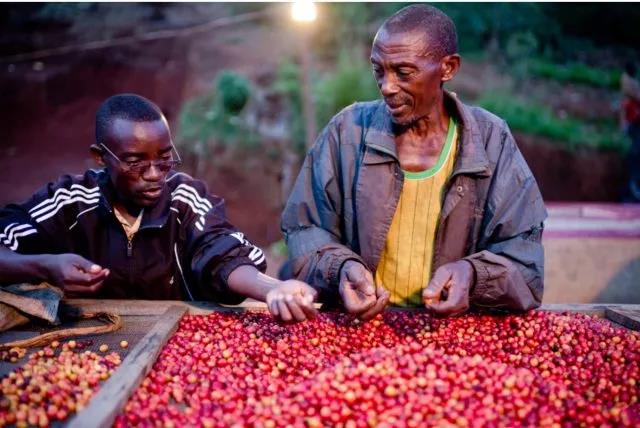
Natural Process Coffee Quality Control
Selection:
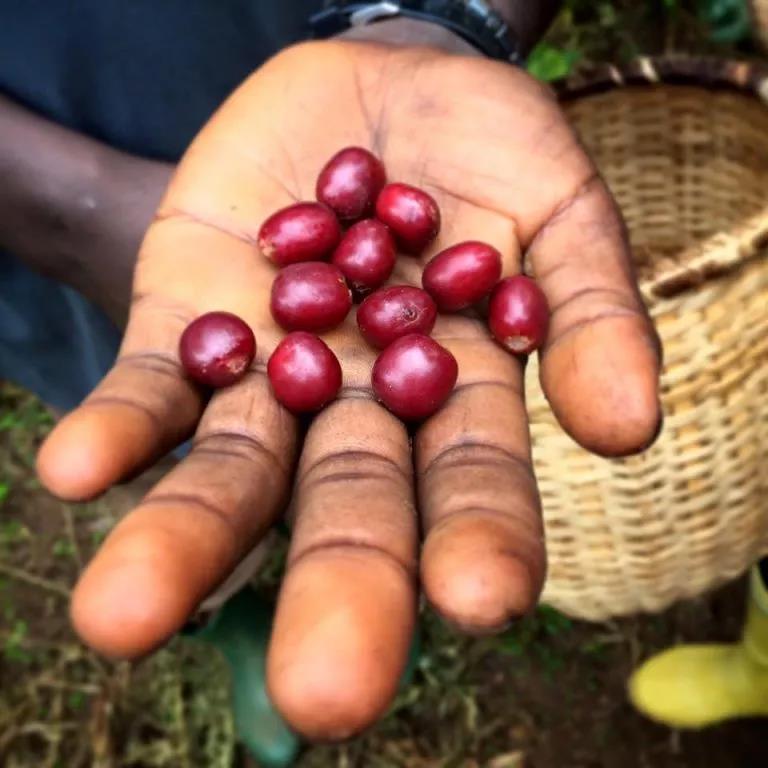
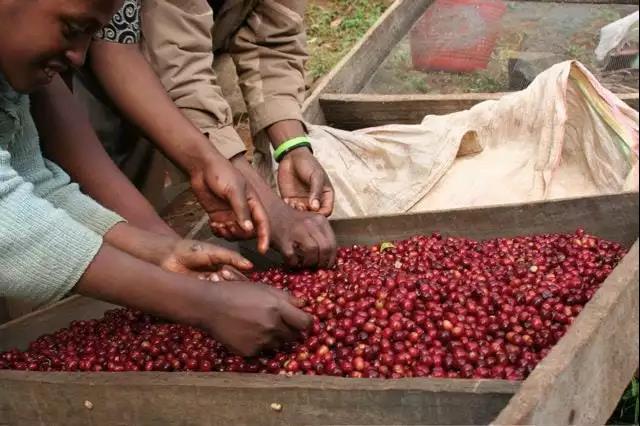
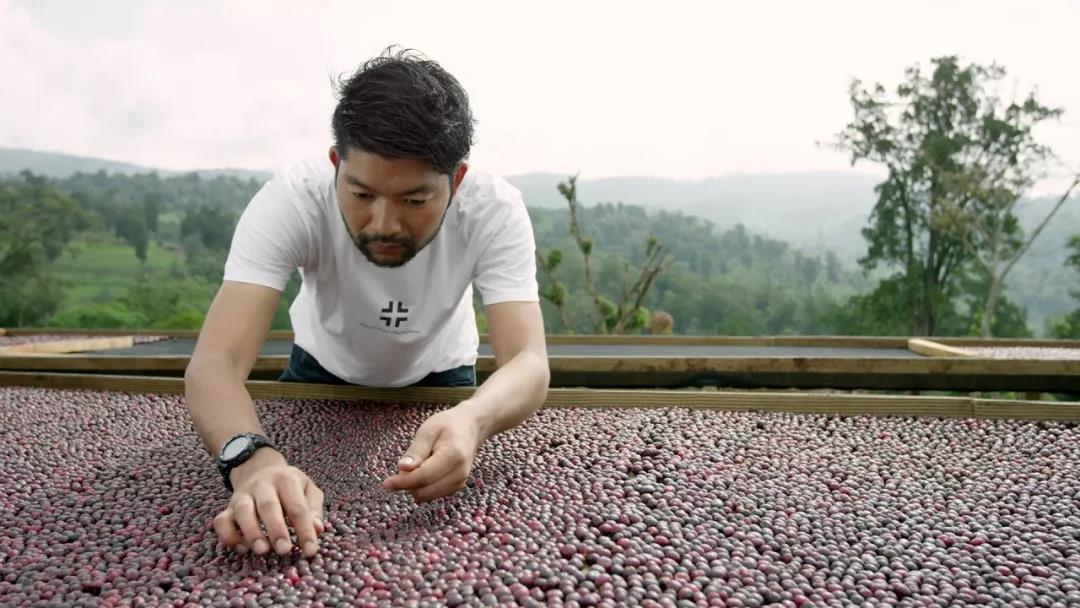
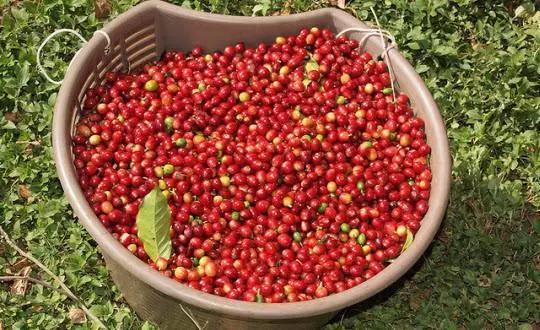
At Ninety Plus farms, pickers carefully select only red cherries, the color of ripe coffee. As coffee ripens, sugars develop to create the best flavors.
It is crucial to help workers understand the physical changes cherries undergo. If they squeeze a cherry and count how many drops escape, they can see how much mucilage there is. One study found this explains 20% of cupping score variation, with higher mucilage levels meaning better-tasting coffee. More than three drops is a good sign.
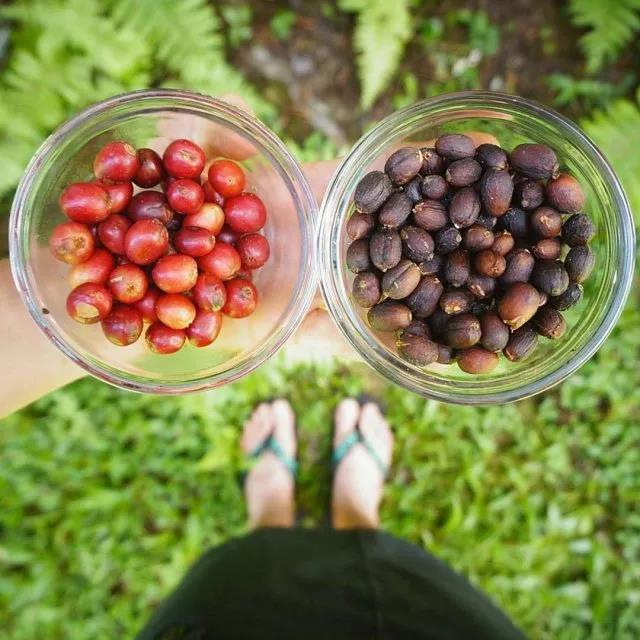
After picking, the team measures cherry weight and density in one-liter containers. Results are divided by variety for comparison, and yields are recorded in logs.
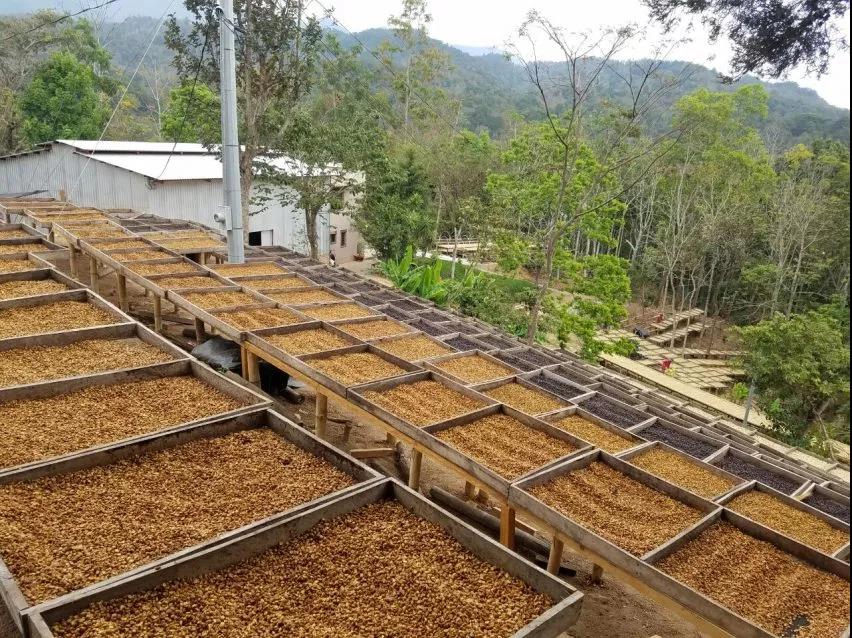
Cherries are hand-sorted before and after being placed on raised beds. Staff must remove any underripe cherries and look for any with coffee berry borer (broca) holes.
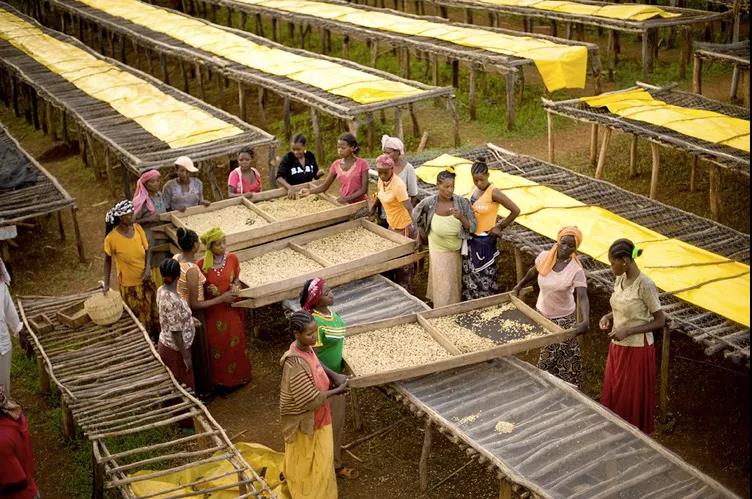
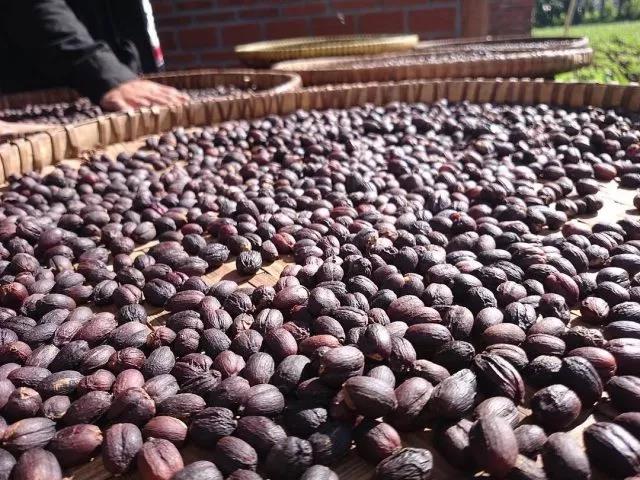
Raised beds keep cherries clean, let air circulate, and help them dry evenly. The key is keeping cherries in thin layers and moving them regularly.
Drying Period:
For the first three days, cherries are exposed to sunlight and cool nights. After the third day, they are shaded between 12 and 2 PM, when the day is hottest. When coffee is shaded, it is important to leave space on the beds.
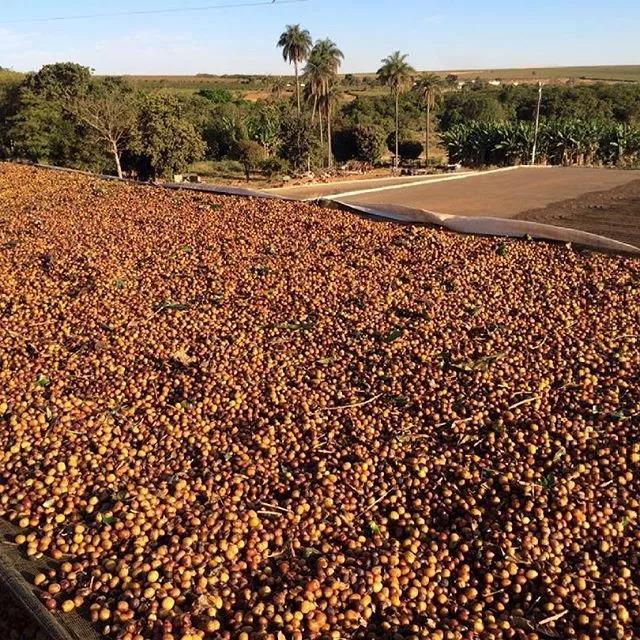
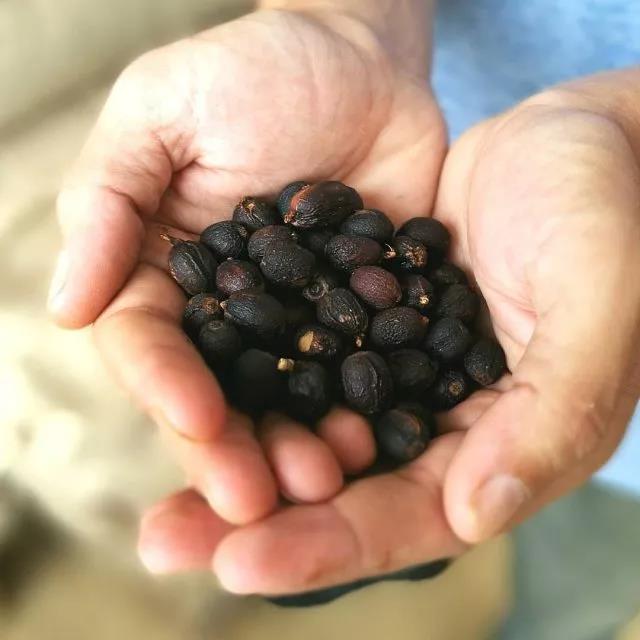
After 20-25 days, the coffee reaches the ideal moisture content: 10.5% for natural coffee, rather than the more common 11-12%. The high sugar levels still reacting inside the cherry mean a greater risk of over-fermentation.
The coffee is checked with a moisture meter. Measuring humidity during the coldest part of the day is recommended for higher accuracy.
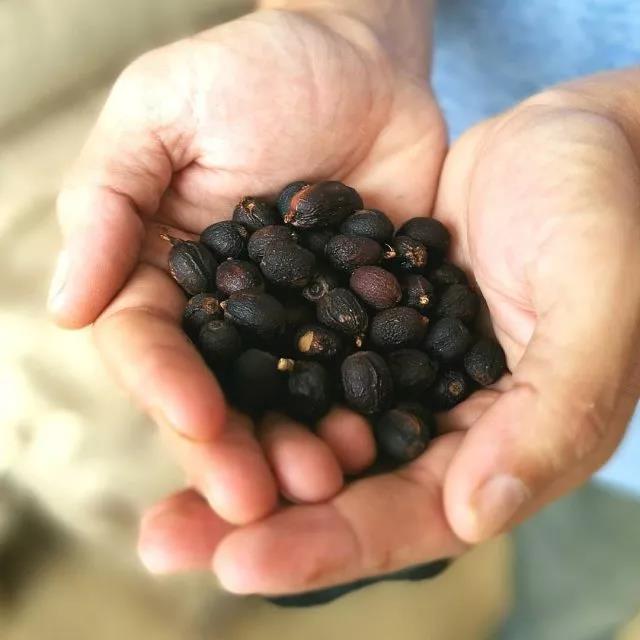
Cherry Storage:
When storing, cherries are placed in GrainPro bags to protect them from insects, then stored in warehouses away from direct exposure. Raised wooden courtyards keep the bags off the floor. Moisture content (60-65%) and temperature (19-25°C) inside the warehouse are carefully controlled.
Coffee takes an average of three months to prepare for export. During this time it continues to stabilize: any herbal flavors disappear, while acidity and sweetness continue to develop.
Ninety Plus coffee is famous for its processing. But great coffee does not happen without significant investment, and professional-grade natural process is no exception.
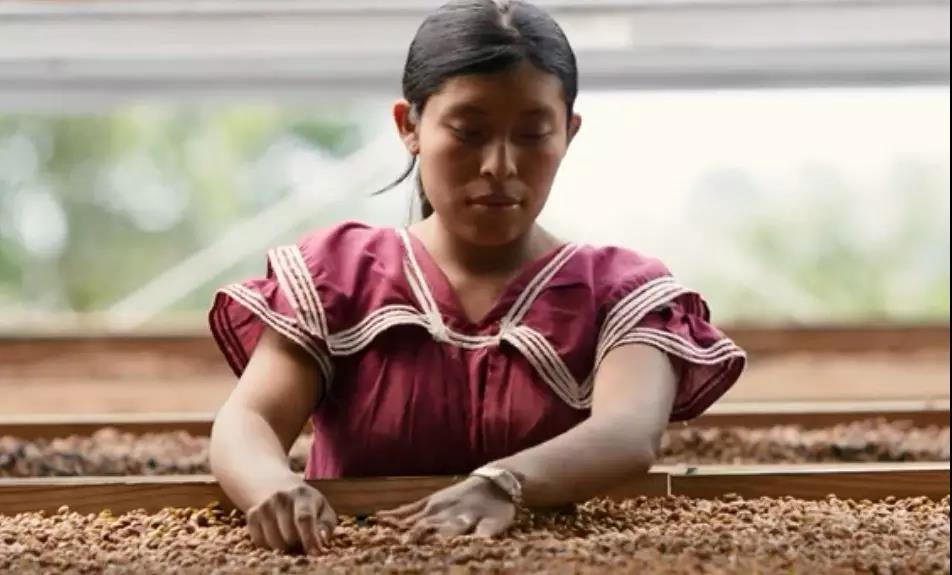
Ninety Plus Profile Processing: A Unique Production System
90+ beans take a completely different approach to naming than general specialty beans. Unlike regular names that include region and estate names, each bean is named according to its flavor. The famous Nekisse, for example, derives from "nectar" from Shakisso.
90+ naming usually starts with a flavor concept, then a name, then the selection of regions and cooperative farms. This is very different from general specialty beans, representing a brand with a boutique management style.
With regular beans, we easily find the letters N, H, or W. Ethiopian Yirgacheffe G3 N, for example, is more commonly seen as "Natural Yirgacheffe G3" on the market. Here N stands for Natural, H for Honey, and W for Washed. 90+ takes a different view: beans should be distinguished by flavor direction rather than processing method. Generally, beans from each processing method have representative flavors, for example:
Natural: Exuberant fruit aroma
Honey: More prominent sweetness
Washed: Cleaner flavor
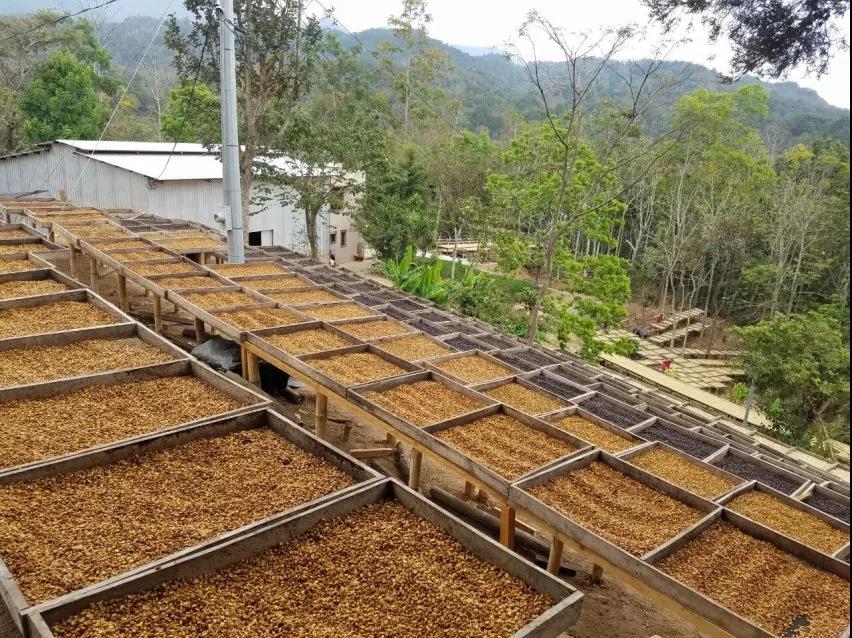
90+ believes that different processing methods can sometimes still yield similar flavor directions. Honey-processed beans, for instance, might have flavor expressions similar to what are generally considered washed beans. They therefore introduced three basic flavor indicators, N2, H2, and W2, distinguishing flavors by the intensity of fruit aroma and mouthfeel:
W2: (Low) Lower fruit tones, emphasizing brightness, acidity, and floral aromas
H2: (Moderate) Medium fruit tones, emphasizing sweetness, fruit texture rather than aroma, and tea notes
N2: (High) Stronger fruit tones, emphasizing exuberant flavor expression, sweet-sour balance, jammy flavors, and dried fruits
In 2011, to improve the stability of green beans from the Panama region during drying, Joseph, inspired by wood drying rooms, developed a solar drying system with the University of Wisconsin and named this exclusive processing method Solkiln (SK). Beans processed this way command high prices, and due to space limitations production is extremely limited.
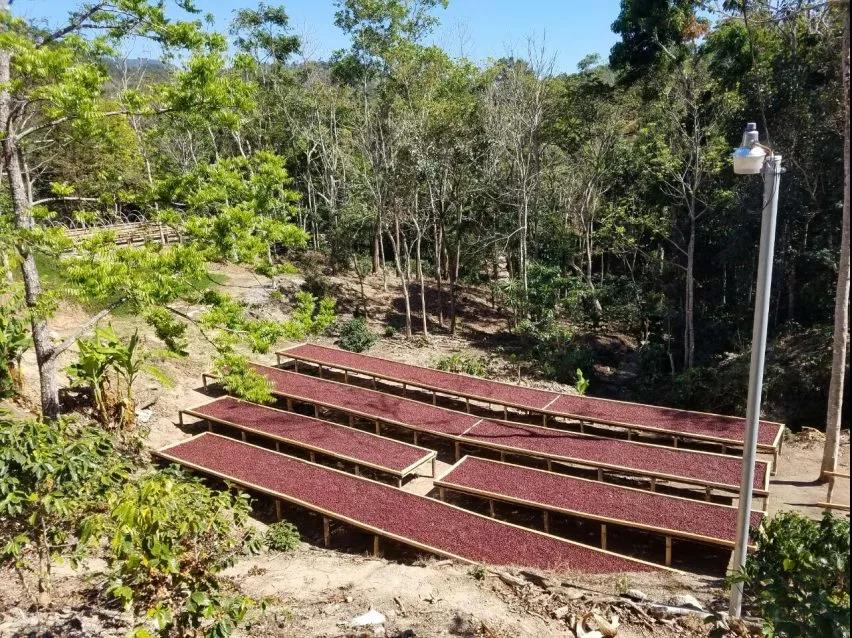
In 2009, 90+ established the NPGE estate in Panama, planting only the most vigorous Geisha coffee.
Within the NPGE estate, they set up the Ninety Plus Sensory Room (NP Sensory Laboratory) and a Solar Kiln laboratory for SK processing, as well as various novel research different from general green bean processing, such as Red processing and Ruby processing.
One can imagine NPGE as 90+'s largest experimental farm, testing the best varieties and thoroughly implementing the Profile Processing system.
After several years of cultivation results, the experimental team launched five Geisha varieties from NPGE: Lycello, Perci, Juliette, Silvia, and Lotus.
Among them, Perci also has upgraded versions: Perci Red (Red processing) and Perci Ruby (Ruby processing), creating different variations of Perci's sweetness. Silvia and Lotus are the latest new products using SK processing.
Only SK processing (Solar Kiln) is specially marked, because SK is 90+'s original new processing method with more specific targeting, hence the special marking.
Ninety Plus Grading
90+ beans also use a different 100-point scoring system from the usual. Green bean merchants can have their own scoring standards, while these grades are based on three factors: flavor, cost, and yield.
Besides their own flavor symbols, each 90+ bean also has its own grading method, completely different from other countries' systems, divided into seven levels:
L4, L7, L12, L21, L39, L95, L195
L stands for Level. Classification is based on production quantity, processing refinement, difficulty, and screening strictness.
Level 7:
Single-origin harvest. Rare varieties with delicate flavors and special characteristics are hand-selected, then processed through Ninety Plus's unique methods to achieve standards exceeding Ninety Plus.
Level 12:
Single-origin harvest. The website uses the adjectives "unmistakable and indelible" to indicate that this grade's beans are unforgettable for every coffee professional.
Level 21 (L21), Level 39 (L39)
Most of these are Geisha varieties grown at Ninety Plus estates in Panama. The specially Red-processed Ethiopian Nekisse Red also belongs to Level 39 (L39).
Level 95 (L95), Level 195 (L195)
These are beans from premium microenvironments at Ninety Plus estates in Panama, processed through lengthy screening using patented drying technology. They achieve the ultimate taste standards in their design. Most are also processed under the personal care of founder Joseph. Annual production might reach only tens of kilograms. They belong to collector's items.
The 2017 new harvest season products may cancel the original L grading system (originally L7, L12, L39, L139), while product and product line division is based on more significant taste differences. Product lines are divided into four major series: NinetyPlus Ethiopia, NinetyPlus Panama, Ninety Levelup, NinetyPlus Limited.
L4 Level:
This grading is no longer seen in 90+ products. In the past it referred to mixed harvest lots. When single-origin flavors were not rich enough or production was too small, several excellent origins were mixed and processed, somewhat like the earlier Aricha and Beloya. After 90+'s increasingly mature experimental control technology in recent years, this grading method is no longer used.
L7, L12 Levels:
Most Ethiopian beans are at this level, with flavors already excellent: whether aroma or texture is impeccable. This grade of 90+ can be considered the entry level, with excellent value.
For example: Tchembe and Kemgin were originally L7; Nekisse and Hachira were originally L12.
L21, L39 Levels:
This is almost exclusively the domain of Geisha coffee from the NPGE estate. Conceivably, for 90+, the Geisha variety itself represents high grade, so the lowest level is also L21. One can also extend this thinking: Geisha may be more difficult to care for, and processing rigor is higher than for Ethiopian beans.
Additionally, specially processed Ethiopian beans can also be upgraded to this level, becoming comparable to Geisha.
For example: Lycello is L21, and Juliette and Perci are L39; all three are Geisha from the NPGE estate. Nekisse Red was upgraded to original L39.
L95, L195 Levels:
These two levels require 90+ special processing methods to reach the top, such as Red, Ruby, and SK (Solkiln) processing, which can be considered exclusive to 90+. To reach the highest L195 level, however, it still has to be Geisha.
For example: Lotus (SK processing), Silvia (SK processing), and Semeon Abay (from the Master series) are all L95, as is Nekisse Ruby, while Perci Ruby is currently the only L195 (Ruby processing plus Geisha variety).
Ninety Plus American Specialty Coffee Series
Ninety Plus Ginseng
Name Origin: This is a coffee from Nekempte town in western Ethiopia, characterized by lively, clean flavors with slight fruit, citrus, and ginseng notes. The "kem" in Kemgin references Nekempte, while "gin" references "ginseng." Kemgin-flavored coffee is already produced in the Wollega, Sidamo, and Yirgacheffe regions.
Ginseng was officially renamed "Wild Ginger." Compared to the 2015 Ginseng, besides floral notes it retains the uncommon juice-like body of washed beans. This year's Wild Ginger brings higher sweetness, gradually transforming the original peach flavor into the less common orange candy flavor, so it is well worth trying.
Origin: Ninety Plus Ethiopia Wellega, Sidama and Yirgacheffe regions.
Altitude: 1750-2000m.
Processing Method: Washed.
Flavor Profile: White peach, lime, honeydew melon, ginseng, carob.
Hachira | Hachila N2
Name Origin: Originating from the Aricha region series developed by Ninety Plus with S.A. Bagersh from 2006-2008, this coffee was named "Hachira." Hachira has a distinct juice texture and rich floral aroma, usually carrying elderberry or blackberry flavors, sometimes with herbal notes like basil.
Origin: Ninety Plus Ethiopia Achira region.
Altitude: 1750-2000m.
Processing Method: Natural.
Flavor Profile: Rich floral aroma, distinct juice texture, with elderberry, blackberry, basil herbal notes, and also lactose-like flavors.
Nekisse Red | Red Honey Kiss N2
Name Origin: Red-processed Nekisse is like a gorgeous and strong younger sister. Sugar-sweet, possessing the classic fragrant wood and nectar flavors of its sibling while independent and confident in its own charm, unafraid to express itself. Tasting it feels like meeting a richer, deeper Nekisse, as if someone outlined Nekisse's contours and drew thick eyebrows on her face to accentuate the most beautiful details.
Origin: Ninety Plus Ethiopia Wellega and Sidama regions.
Altitude: 1750-2000m.
Processing Method: Ninety Plus patented "Red Processing," close to but surpassing natural process.
Flavor Profile: Red processing enhances blueberry, cherry, and dark chocolate flavors while maintaining the fruit-chocolate balance and its multi-layered texture. The balance is handled very delicately. A rare and excellent coffee.
Nekisse | Honey Kiss N2
Name Origin: In 2009, this coffee was named "Nectar from Shakisso," meaning it has flavors like nectar from Shakisso town in Sidamo province, Ethiopia. Nekisse's characteristics are a creamy smooth texture and strong berry jam notes, with some batches carrying citrus and mixed tropical fruit flavors. Though originally planted in the Shakisso region, later Nekisse came from Wellega and Sidamo, retaining only the name. Sidamo-grown Nekisse keeps the original nectar and berry characteristics, distinguishing it from all other Ethiopian coffees.
Origin: Ninety Plus Ethiopia Wellega and Sidamo regions.
Altitude: 1750-2000m.
Processing Method: Natural.
Flavor Profile: Clean texture, multi-layered. Balanced by peach, berry, passion fruit, cream, and milk chocolate. A classic excellent coffee. From hot to cold it continuously brings surprises of night-blooming jasmine, blueberry, fragrant wood, and cocoa.
Tchembe | Qianbi N2
Name Origin: Although this year's Tchembe comes from Yirgacheffe, the name comes from Haricho and Bolo variety coffees from the Amaro mountains. These two varieties, processed naturally, have carob and banana flavors. Tchembe has a heavy body similar to soil and chocolate, with richly layered citrus and berry flavors.
Origin: Ninety Plus Ethiopia Yirgacheffe region.
Altitude: 1750-2000m.
Processing Method: Natural.
Flavor Profile: Distinct heavy body on entry, with soil, dark fruit flavors, and slight citrus notes.
Juliette | Juliet H2
On Ninety Plus's Geisha estate there is a path from the farmhouse to the coffee drying area. Walking it, you see a row of exceptionally beautiful datura flowers. In the evening these bell-shaped flowers emit a captivating fragrance that lasts only about an hour. The team jokingly calls the scent "Night Beauty." There is a legend about datura, too: a local Panamanian indigenous tribe is said to place the flower under their pillows at night for protection from harm, believing it has special energy to protect families. Besides datura, deadly nightshade, henbane, and mandrake also belong to the "witch herbs" family. Because these plants are considered to have mystical powers, they are often used by wizards to prepare potions. Datura is an essential ingredient in love potions, and those who drink them can win their beloved, though datura is also prepared as a poison causing madness or death. Once, while conducting a small-volume steam flavor evaluation of a coffee in the sensory lab, the team suddenly smelled mixed notes of honeysuckle, orange, milk chocolate, and florals. This scent immediately brought them back to that evening walking the datura-lined path. Its soft, feminine taste left them immersed in contemplation of datura flowers and Shakespeare's "Romeo and Juliet," so the coffee was named "Juliette."
Origin: Ninety Plus Panama Geisha Estate
Variety: Geisha
Level: 39
Altitude: 1250m-1650m
Processing Method: Honey process
Flavor: Building on Geisha's inherent flavors, it also has floral aromas. On tasting, there are orange peel, caramel, and dried cashew flavors.
Lotus Solkiln | Lotus Lock Heart H2
Name Origin: The development of Lotus Solkiln emulates the lotus flower that emerges from mud unstained, a perennial aquatic plant sometimes mistaken for a water lily. Ninety Plus Solkiln-processed Geisha, although it dries fresh fruit directly like traditional natural processing, ends up looking not much different from washed coffee. The Solkiln method eliminates the effects of Panama's common humid environment by artificially creating a microenvironment with finely controlled temperature and humidity. Similarly, a lotus can adapt to environments with humans or other warm-blooded animals by adjusting its petal temperature. Lotus SK breaks from the tradition of emulating Ethiopian washed or natural processing and also breaks the consistent impression of Geisha's basic flavors. In naming it, the team was also influenced by "Lotus Flower" by the British band Radiohead, a song that expresses the pursuit of inner peace, freedom, a low-key existence, and love of music and sensory enjoyment, much like this coffee. The music video presents pure and varied musical expressions, and is worth watching if you have the chance.
Origin: Ninety Plus Panama Geisha Estate
Variety: Geisha
Level: 95
Altitude: 1250m-1650m
Processing Method: Ninety Plus patented Solkiln honey process, extending drying time through special equipment controlling temperature and humidity in a house, enhancing flavor while maintaining washed-like cleanliness.
Flavor: Mixed aroma of fig and honey, with richly layered flavors of melon, kiwi, and slight tropical fruits on entry.
Perci | Perspective N2
Name Origin: The name "Perci" derives from "perspective," which means viewpoint or angle. Naming it "Perci" refers to the moment during sensory experiments when, while conducting an overall evaluation as usual, the team suddenly felt a unique and stunning stimulus. This feeling gave them a different perspective on coffee than before, so referencing the meaning of "perspective" they named it "Perci," to remind them this is a coffee that made them see coffee in a new light. When first blind-testing it, they were certain it was an Ethiopian natural coffee, and their first thought was that it definitely was not Geisha. Geisha's basic flavors include citrus, orange, and jasmine, but for Perci those basic flavors are only a small component of the overall flavor. Besides them, it also has mango, pineapple, carob, banana, plum, red grape, honey, peach, red coral, and many other flavors.
Origin: Ninety Plus Panama Geisha Estate
Harvest Season: 2013-2014
Variety: Geisha
Level: 39
Altitude: 1250m-1650m
Processing Method: Natural
Flavor: Intense cherry, carob, vanilla, tropical fruits, and mixed juice flavors.
Perci Red | Red Perspective N2
Name Origin: Red processing's effect on Perci is like watching a beautiful sunset through red glass. Perci's tropical fruit character becomes more transparent and sweeter. All flavors are coated with a honey brandy feeling. Pineapple, mango, and peach make a fresh fruit jam. It still has the sweet-and-sour of fresh fruit and the refreshment of juice, but becomes thicker and sweeter, and there is much more flavor besides.
Origin: Ninety Plus Panama Geisha Estate
Variety: Geisha
Level: 95
Altitude: 1250m-1650m
Processing Method: Ninety Plus patented "Red Processing," close to but surpassing natural process
Flavor: Red processing further highlights vanilla, tropical fruits, and mixed juice flavors. Mango and pineapple take on a hint of sweet wine. Banana, red grape, honey, and peach remain unchanged.
Perci Ruby | Perspective Ruby N2
Name Origin: Perci Red processing is already amazing. Ruby processing's effect on Perci is even more unique. Perci's tropical fruit character becomes more transparent and sweet to the extreme. All flavors are coated with a honey brandy feeling. Pineapple, mango, and peach make a fresh fruit jam. It still has the sweet-and-sour of fresh fruit and the refreshment of juice, but becomes thicker and sweeter.
Origin: Ninety Plus Panama Geisha Estate
Harvest Season: 2013-2014
Variety: Geisha
Level: 195
Altitude: 1250m-1650m
Processing Method: Ninety Plus patented "Ruby Processing"
Flavor: After ruby processing, it has intense brandy and honey tropical fruit flavors. Mango and pineapple become exuberant and wild. Banana, red grape, honey, and peach take on a hint of wine.
Sillvia Solkiln | Silvia Lock Heart N2
Name Origin: Silvia is the result of the first use of the Solkiln method in 2012 to process coffee from plot 11 of the Geisha estate. All the coffee from that plot was processed at the same time, but only 25kg of coffee with a special flavor was ultimately obtained. In 2013, the team learned that Geisha cherries harvested late in the season absorbed more fruit flavors during Solkiln processing, because extending the processing time produced stronger coffee fruit flavors. The "sill" in "Sillvia" references the farm's location, Silla Del Pando in Panama's volcanic region, while "via" means channel or method.
Origin: Ninety Plus Panama Geisha Estate
Variety: Geisha
Level: 95
Altitude: 1250m-1650m
Processing Method: Ninety Plus patented Solkiln natural process, extending drying time through special equipment controlling temperature and humidity in a house, enhancing flavor while maintaining washed-like cleanliness.
Flavor: Distinct juice texture on entry, with strong tropical fruit flavors and pineapple pastry notes, and a long aftertaste.

Lycello | Lychee and Cello W2
Name Origin: In 2013, World Barista Championship champion Chien Chia-cheng visited Ninety Plus's Geisha estate. After tasting the Geisha cherries, he was reminded of the lychees planted in his backyard, so Ninety Plus used the first two letters LY from the English word Lychee as the first component of the name. Once, while listening to the cellist Yo-Yo Ma, the team was struck by his superb skill, so they used "cell" from the English word cello as the second component and took the "o" from Yo-Yo Ma's name as the third, which is the origin of the name Lycello.
Origin: Ninety Plus Panama Geisha Estate
Variety: Heirloom
Level: 21
Altitude: 1250m-1650m
Processing Method: Washed
Flavor: Building on Geisha's inherent flavors, it also displays rich green tea, musk, and basil herbal aromas. On tasting, there are soft lemon flavors, a lychee-like sweet-and-sour texture, and cashew-like nut flavors.
Ninety Plus Danch Meng
Name Origin: Danch Meng is actually a sub-brand, Level Up, of the NINETY PLUS company, an Ethiopian green bean launched jointly with the green bean trader Bodhi Leaf in 2013. Danch Meng is locally translated as "Perfect approach," grown by small farmers from Yirgacheffe Kelen Abaya Tomenso and launched with NINETY PLUS's professional flavor processing background. With 90+ natural processing technology, Danch Meng has a very unique Yirgacheffe flavor.
Origin: Ninety Plus Ethiopia SNNP, Kambata region
Altitude: 1700m-2000m
Processing Method: Natural
Flavor: Cocoa, black raspberry, plum, juicy, floral aroma, blueberry, dark chocolate
Derar Ela | Dreamer
Flavor: More intense aromaticity, rich tropical fruits, lime aroma, unique chamomile fragrance
Faya Deraro | Derarila
Flavor: Blueberry, strawberry cookies, cherry, white wine, raspberry
Nitsu Ruz | Rosemary Fresh
Flavor: Floral, lemon peel, lychee, prune, kumquat, black tea
Ninety Plus Zhu Mang
Name Origin: Drima Zede, the name of this Yirgacheffe, means "Best Approach" in the local dialect. According to information provided by the original manufacturer, this FrontStreet Yirgacheffe is a customized product series developed from years of 90+ experience. The ancient natural processing method makes it difficult to obtain pure flavors, but Drima Zede, with 90+ technical support, selects only the most mature cherries by hand, and the natural drying process involves careful constant stirring to ensure uniformity. The final result is a very transparent and pure texture, with significant changes from hot to cold and charming fruit, floral, and oak barrel aromas.
Origin: Ninety Plus Ethiopia SNNP, Sidama region
Altitude: 1750m-2000m
Processing Method: Natural
Flavor: Nectarine, tropical fruits, cream, cinnamon
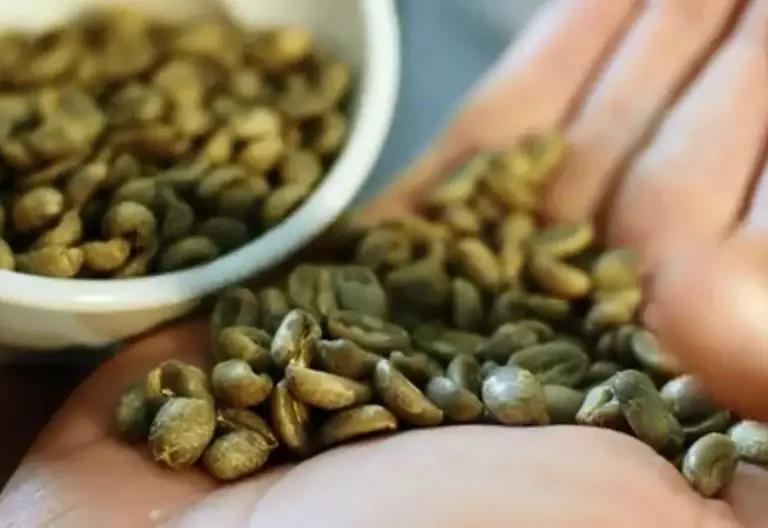
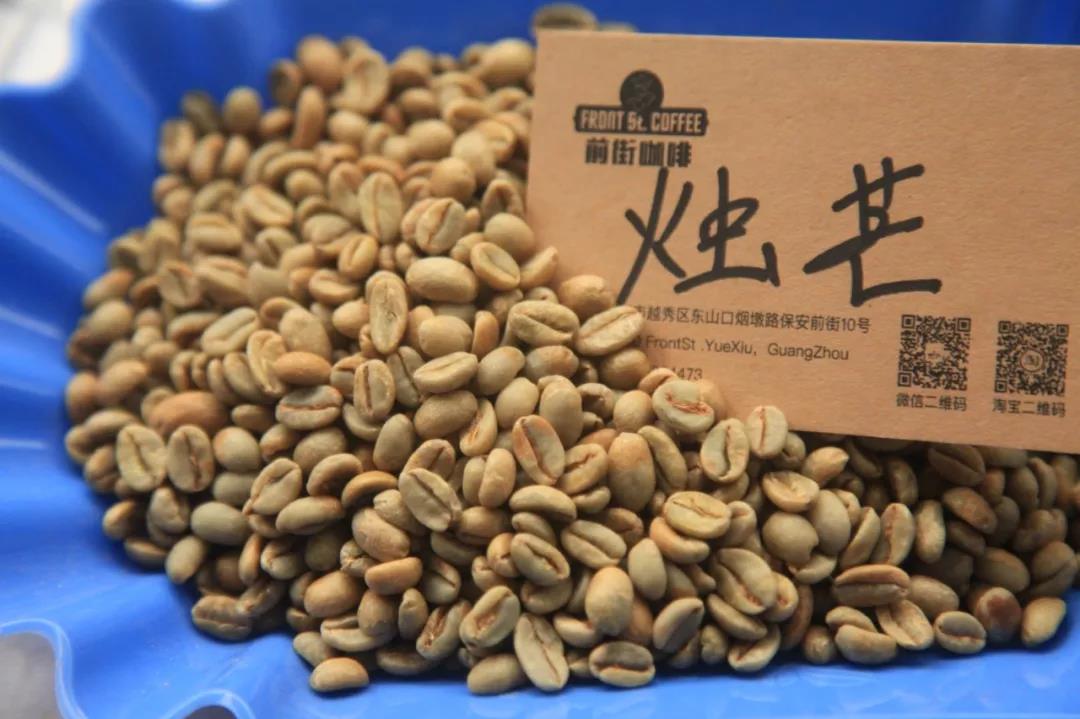
Sidamo green coffee beans are slightly grayish, some coarse and some fine, with both soft and bright acidity, appropriate body intensity, and sweet and spicy aromas, making it one of the classic coffees of Ethiopia's southern highlands. Unlike typical African coffees, Sidamo has clear fruit acidity, a smooth texture, and refined floral and herbal aromas.
FrontStreet Coffee 90+ Zhu Mang Roasting Analysis
Beans with such brilliant flavors are naturally not suited to medium-dark roasting. This FrontStreet 90+ coffee therefore uses a light slow-roasting method to best showcase its round sweetness and rich floral and fruit aromas.
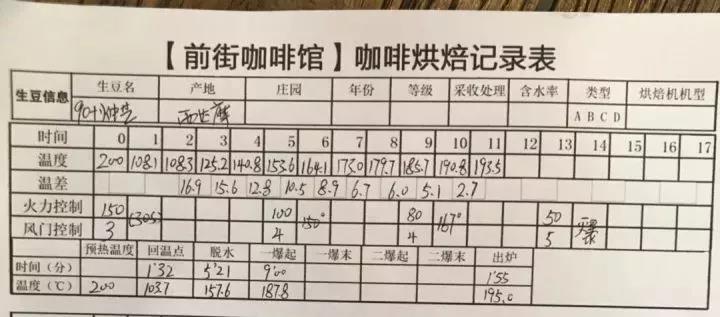
Yangjia 600g Semi-direct Heat Roaster
Using quick-frying mode, heat the drum to 200°C with the air damper set to 3. After 30 seconds, adjust heat to 160°C, air damper unchanged. At 150°C, adjust heat once more: at this point the bean surface turns yellow, the grassy aroma completely disappears, and dehydration is complete. Adjust heat to 120°C and the air damper to 4.
At the eighth minute, ugly wrinkles and black spots appear on the bean surface and the toast aroma clearly transforms into coffee aroma, which can be defined as the prelude to first crack. Listen carefully for the sound of first crack. At 8'49", first crack begins; adjust heat to 70°C and open the air damper fully to 5 (adjust heat very carefully, not so low that the crack sounds disappear). 1'48" after first crack, discharge at 195°C.
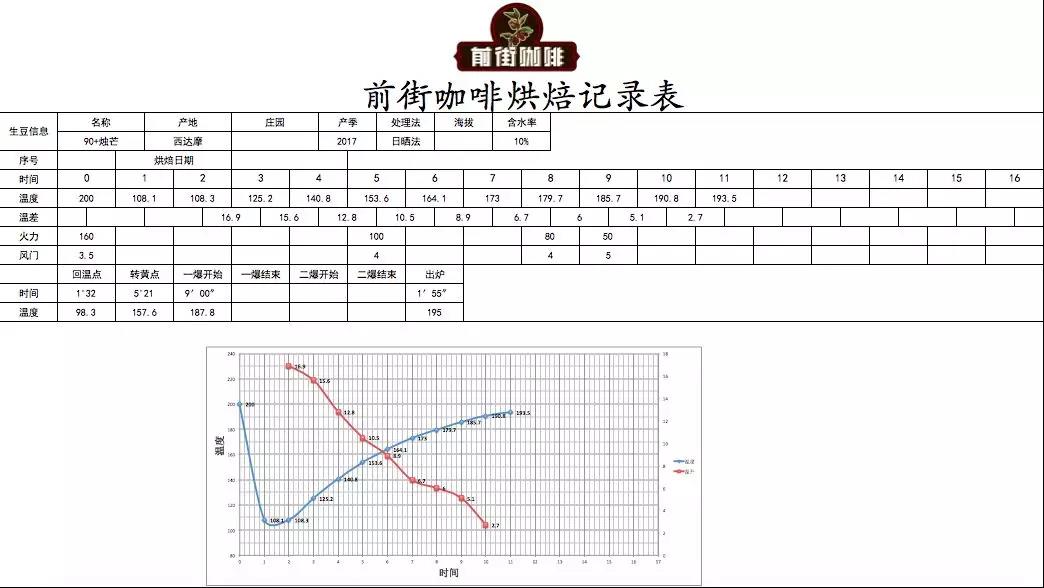
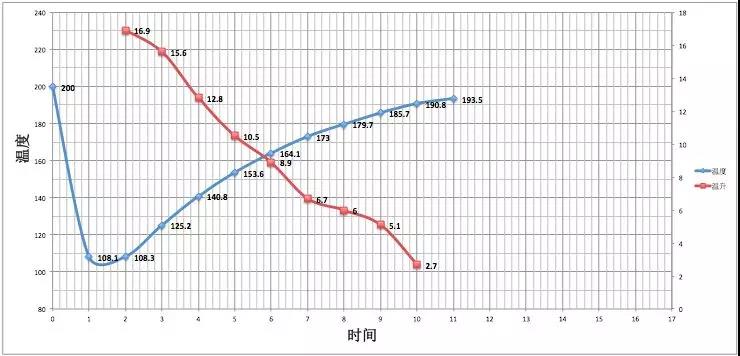
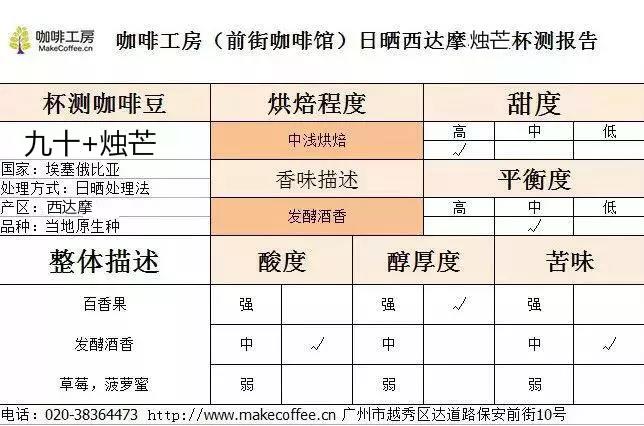
After optimization, FrontStreet 90+ Zhu Mang's sweetness has been further enhanced, with slight citrus notes and vanilla aroma. Nectarine, mango, and other tropical fruit flavors become more obvious.
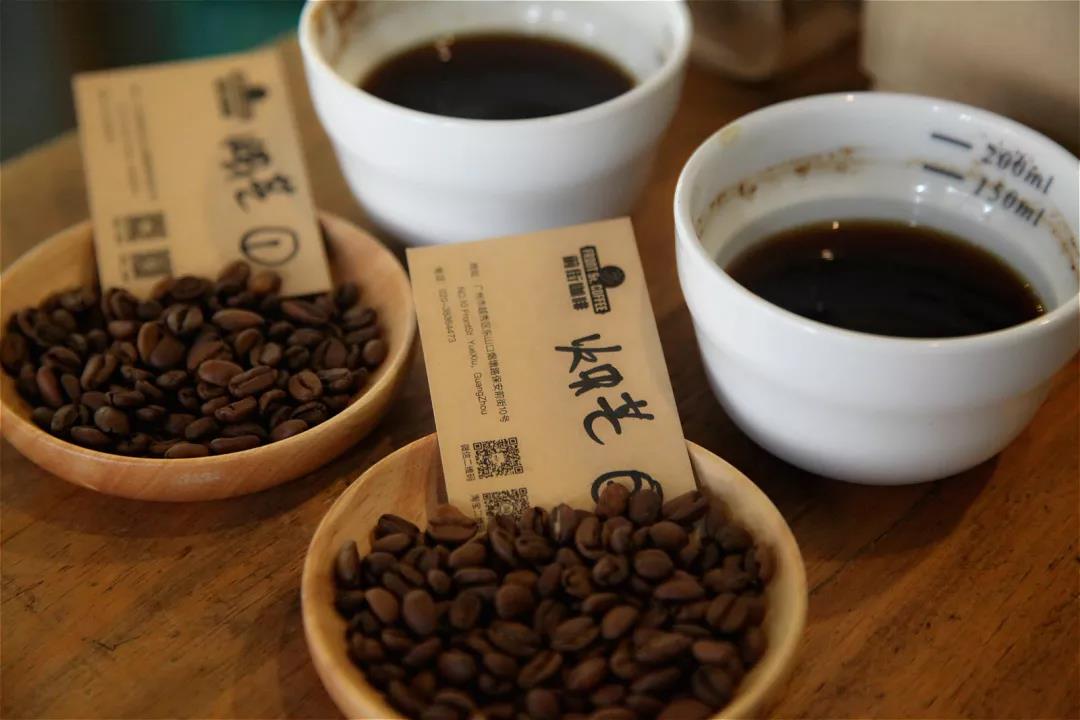
Cupping Results
FrontStreet Coffee Recommendation
The Ninety Plus story is inseparable from Ethiopia, the birthplace of coffee, and the same origin is where FrontStreet's own Ethiopian lineup begins. For an accessible introduction, FrontStreet's washed Yirgacheffe offers the clear jasmine florals and bright citrus acidity that define the profile. Yirgacheffe is a small town in southern Ethiopia, cool and misty year-round, where thousands of coffee varieties grow and give the coffee its interwoven floral and fruit acidity, a light and elegant cup with a tea-like quality that drinks like a clean lemon tea. FrontStreet's Gotingding Cooperative takes the washed style further: formally part of the Worka cooperative under the Yirgacheffe union, Gotingding grew into an independent cooperative of roughly 300 farmer members in 2012 as the demand for traceability pushed more single-origin lots into the open, and because the fruit is pulped before drying, its inherent aromas come through more clearly, with citrus and lemon notes and elegant white florals.
For the sun-dried side, FrontStreet's Yirgacheffe Red Cherry contrasts directly with washed processing. Broken or moldy cherries are removed first, then the good ones dry in the sun for two weeks, until the sugars and essence of the fruit have seeped into the bean and moisture has dropped to 12%; only then are the hardened pulp, mucilage, and parchment scraped away. The beans then go through density and color testing to eliminate defects, and workers remove any remaining flawed beans by eye. The result is a clean, refined cup with a rich, alluring fruit aroma, showing peach, cocoa, honey, and lemon.
FrontStreet's sun-dried Huakui comes from the Hambella region of Guji, Sidamo, where the whole farm covers 200 hectares and uses traditional sun-drying. To prevent mold or off-flavors during drying, workers lay ripe cherries on raised beds for 21 days, turning them constantly for even drying, and every three to five days they hand-sort out defective or moldy beans. Once the skins have dried hard they are removed with a hulling machine, and after the green beans are obtained the farmers sort one final time for a cleaner cup. Because the fruit and skin stay on throughout drying, a medium-light roast gives a light fermented wine aroma, florals, citrus, and mango, with a much richer and more complex mouthfeel, honeyed sweetness, cocoa, a touch of spice, a full body, and a long finish. FrontStreet's Sidamo Hambela 74158, from a processing station that has become a regular on Ethiopian green bean competition lists, is grown mainly from the JARC 74-series disease-resistant varieties and shows a smaller bean with prominent floral and fruit notes, with the sweet scent of perfume lemon, strawberry, and starfruit on the nose and strawberry, starfruit, and green grape on the palate, followed by a gradual floral lift. FrontStreet's Kafa Forest coffee, finally, grows wild in shade between 1,400 and 2,100 meters and is roasted medium-light, with clear white florals after grinding, bright lemon acidity, sweet orange and bergamot, and a green tea-like finish with a faint note of melon and nut.
For beans like these, FrontStreet keeps the brew gentle, with water around 90-91°C, a medium grind, and a ratio near 1:15 to 1:16, blooming for about 30 seconds and pouring in slow stages. Sun-dried lots such as Huakui tolerate a slightly coarser grind and a slightly cooler temperature, which keeps their fermented fruit sweetness in balance, while washed lots like Gotingding reward a steadier, slower pour that protects the clarity and the tea-like finish.
Important Notice :
FrontStreet Coffee is a long-established specialty coffee roaster in Guangzhou China, selling freshly roasted beans from its own farm in Yunnan as well as dozens of carefully selected single-origin beans from around the world for both pour-over and espresso. The products deliver consistently excellent quality and great value, with shipping within 24 hours. Guangzhou's FrontStreet Coffee shop is recommended by many coffee lovers, and the beans are now available online at the Tmall 。
FrontStreet Coffee has moved to a new address:
FrontStreet Coffee Address: 315,Donghua East Road,GuangZhou
Tel:020 38364473
 Scan and follow the En Gafei WeChat official account. Please indicate that the reprint comes from "En Gafei".