Indonesian Golden Mandheling and Wet-Hulling: Story and Brewing Guide
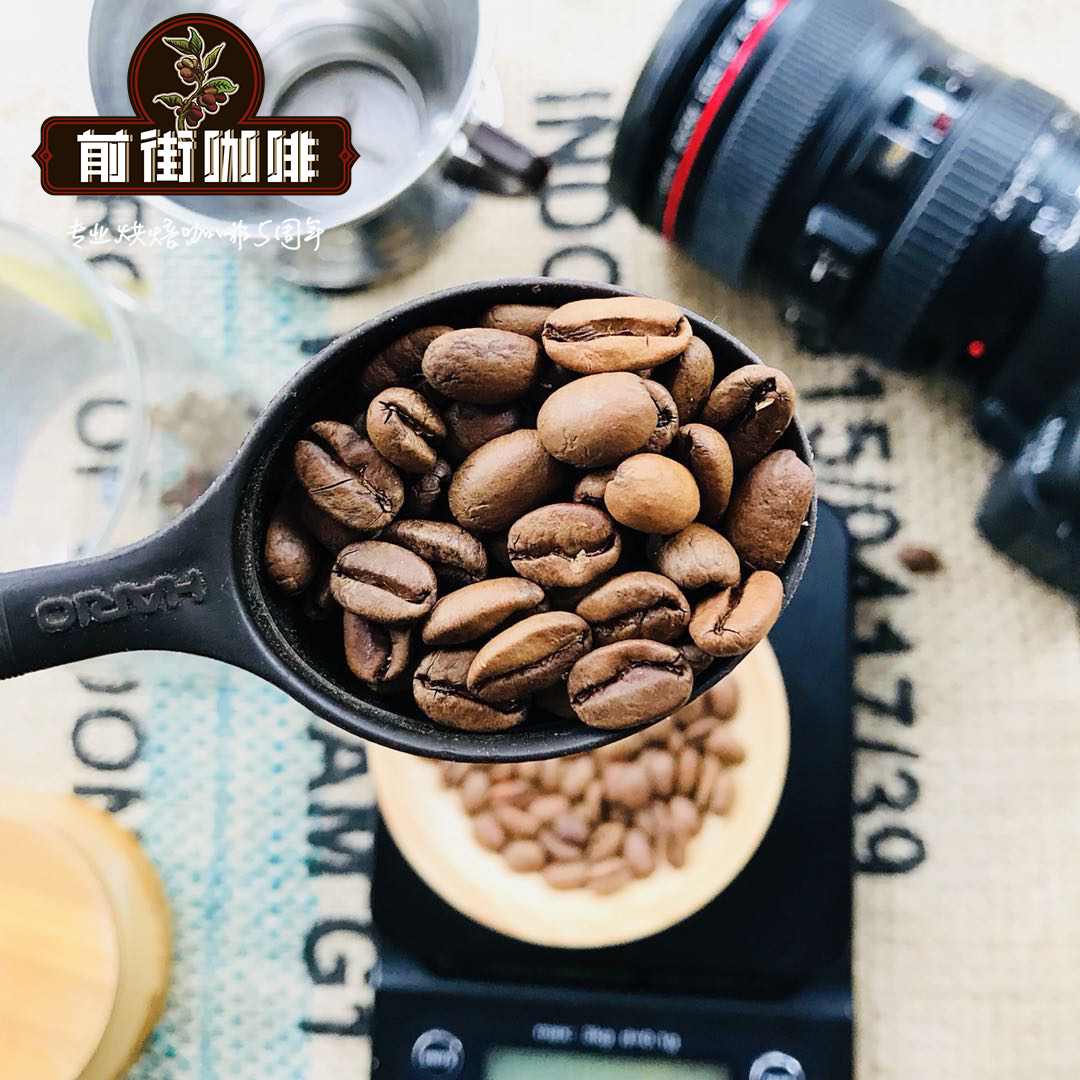
In the specialty coffee world, Mandheling coffee is renowned for its spicy richness and its wild flavor character. Terroir and variety both shape that profile, but the real key is the processing.
Sumatra's extremely humid climate means drying coffee typically takes about 40% longer than elsewhere. To cope, local farmers developed the wet hulling method (Giling Basah), a technique that defines the flavor of the beans.
After harvesting, farmers use their own depulping tools to strip the fruit skin. The wet beans are left overnight without added water, then washed to remove the mucilage, becoming parchment coffee. After brief drying, while the parchment still holds high moisture (30%-50%), the beans are run through locally built hulling machines that strip off the parchment layer, exposing the green beans.
The green beans are then dried further to the standard export moisture content of 12-13%. Without the parchment's protection, they dry far more easily.
Coffee processed this way typically shows lower acidity and higher body; the trade-off is that sweetness and aroma can be somewhat diminished.
Wet-Hulled Coffee Beans - Gold Mandheling
Coffee drinkers have long heard of Mandheling, and above all, the famous Gold Mandheling. Say the name and people think immediately of Sumatra, because anyone who loves Mandheling knows that Sumatran Gold Mandheling carries the most abundant aroma of all.
Herbal medicinal notes, a strong sweet aftertaste, and a solid, rich body: that is the signature character of Gold Mandheling. Yet while many people love the coffee, few understand what Gold Mandheling actually is or how it is processed.
First, meet Sumatra Island, once known as the "Golden Island" or "Golden Peninsula" for its rich gold deposits.
Sumatra is long and narrow, made up chiefly of the Barisan Mountains running northwest to southeast across the island, plus eastern lowlands. The ranges stretch on and on, home to over 90 volcanoes and numerous volcanic lakes. The volcanoes provide fertile soil well suited to coffee, and the tropical rainforest climate brings year-round heat and abundant rainfall.
(A true treasure land for coffee!)
Coffee from the Gayo region in northern Sumatra, the Toba region in the center, and the SP Bolon region each has its own character, and Gayo beans are a personal favorite.
Second, a common misconception: Gold Mandheling does not refer to golden-colored beans. It actually refers to bean size, specifically beans above 19 screen size.
As for why aged wet-hulled beans do look golden: the coffee transit hub in Medan is extremely humid, with humidity above 80%. Beans stored there for over 6 months absorb moisture from the environment and gradually turn golden.
Under traditional Indonesian green bean sorting standards, at least two rounds of sorting are required, though most beans today go through three.
Beans whose physical defects do not exceed 11g are classified as G1.
If the defects range from 12-25g, the coffee is classified as G2.
Each year from March to May and September to December is the Mandheling harvest season in Sumatra. Most farmers nowadays pick only fully red cherries.
Cherries collected in the morning are depulped that afternoon, producing wet parchment coffee. The parchment beans go into water tanks, where floating defective beans are skimmed off.
Sumatra's excellent natural environment means most of the water comes straight from mountain springs.
The dense, sunken beans are then placed in barrels for dry fermentation, letting the pectin sugars ferment fully and deepen the flavor, typically 12-36 hours, depending on conditions.
Next they are sun-dried for 1-2 days. When moisture reaches 35-40%, the beans are collected into woven bags, typically 40kg and 80kg per bag, and sent to processing factories for hulling.
The hulling machines grind away the parchment layer, after which the beans dry further to about 12-15% moisture. They then go to machine sorting, which removes impurities and classifies beans by size.
After machine sorting, the coffee moves to hand-sorting warehouses, where workers remove defective beans one by one. Only after two to three rounds of hand sorting are the beans packed into burlap bags.
Naturally, Accidents Can Happen
During hulling, wet-hulled beans can reach temperatures of 30-60°C, which destroys the parchment layer completely and can even trigger germination.
Wet hulling also produces more defective beans, moldy ones in particular, than washed or natural processing, because removing the parchment early exposes the beans directly to the air.
That is the trade-off behind Sumatra Mandheling's unmistakable flavor.
One more note: the removed fruit skins and pulp can be fermented into fertilizer. Plantations that use this ecological fertilizer earn additional points when applying for organic coffee certification.
FrontStreet Coffee Recommendation
FrontStreet Coffee's PWN Golden Mandheling comes from Indonesia's PWN company, which buys top-grade Mandheling green beans and sorts them by machine and then by hand, selecting out only the plump, defect-free beans. The standard is strict: starting from beans above the required screen size, each 300-gram green sample must show fewer than 3 defects to meet the top G1 grade, followed by three rounds of hand selection that lift the cup's cleanliness and sweetness. Genuine PWN Golden Mandheling is limited in supply, it is mainly exported to the Japanese and American markets, which is why FrontStreet Coffee keeps the PWN-marked burlap bags and certificates on hand for verification. After medium-dark roasting it shows rich roasted aromas, a clean cup, and a full, thick body with almost no acidity, perfect for drinkers who dislike sour coffee. For espresso, the Mandheling character also shines in FrontStreet's Classic Blend, where Brazil's creamy nuttiness meets medium-dark Mandheling and a touch of Robusta for extra crema.
Brewing suggestion from FrontStreet Coffee: water at 87-88°C, 15 grams of coffee ground to a coarse-sugar texture, a 1:15 coffee-to-water ratio, and a three-stage pour. Bloom with 30ml of water to wet the grounds and degas; pour 100ml in the second stage to lift the bed and draw out the golden foam; finish with a gentle 95ml center pour to raise the sweetness, a thick, syrupy body with caramel sweetness, chocolate, and nuts.
Important Notice :
FrontStreet Coffee is a long-established specialty coffee roaster in Guangzhou China, selling freshly roasted beans from its own farm in Yunnan as well as dozens of carefully selected single-origin beans from around the world for both pour-over and espresso. The products deliver consistently excellent quality and great value, with shipping within 24 hours. Guangzhou's FrontStreet Coffee shop is recommended by many coffee lovers, and the beans are now available online at the Tmall 。
FrontStreet Coffee has moved to a new address:
FrontStreet Coffee Address: 315,Donghua East Road,GuangZhou
Tel:020 38364473
 Scan and follow the En Gafei WeChat official account. Please indicate that the reprint comes from "En Gafei".