What Coffee Beans Are Suitable for Washed Processing_Does Washed Coffee Bean Fermentation Require Adding Enzymes or Microorganisms?
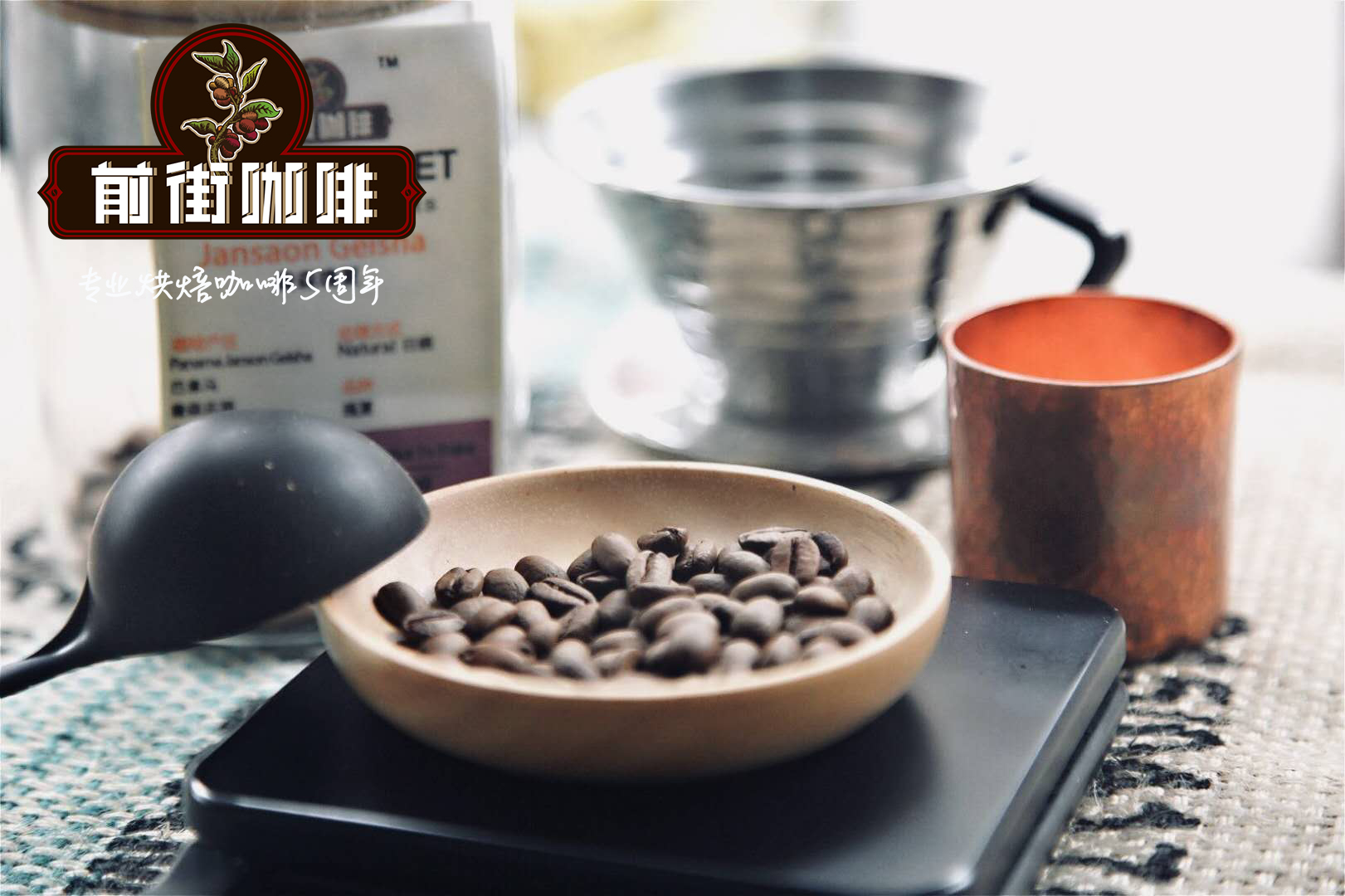
Coffee processing is the craft of turning cherries on the tree into green beans ready for roasting — and it can also be thought of as the coffee bean's fermentation journey. Just as great wine needs proper fermentation to reveal great flavor, green-bean processing is about pairing microorganisms with coffee through fermentation to unlock the flavor potential hidden inside.
The Washed Processing Method
In the washed method, harvested cherries are stripped of their peel and pulp, leaving only the seeds and a thin coat of mucilage, which are then placed in water tanks to ferment. The whole fermentation typically takes just 24-30 hours.
Compared with natural processing, the washed method offers far better quality control. During washing, defective beans that float are easy to remove; the short fermentation means fewer unwanted flavors; and the beans are rinsed completely clean in the tanks. Washed coffee, in short, delivers a clean, flawless taste.
The washed method can itself be subdivided by how the final drying is done — machine-dried or sun-dried — and some regions have developed their own signature approaches, such as Kenya's 72-hour washed method. Here's a quick introduction:
The Kenyan Washed Method
Kenyan coffee is famous for its layered depth and clean cup. Its unique washed process runs the beans through two rounds of washing and fermentation — commonly called "double fermentation" — a complex and delicate way of preparing green beans. It takes more time and water than ordinary washing, which is one reason Kenyan coffee costs more, but it is also the indispensable technique behind the bright, distinctive acidity and clean taste of Kenyan washed beans.
First Washing and Fermentation
After harvest, cherries are sorted by water density: the principle exploits the fruit's own differences in density and mass. Dense (heavy) beans sink while low-density beans float; fully ripe, high-quality fruit is dense and is selected for processing.
Once the best, fully ripe fruit is chosen, the peel is removed and the beans are washed and soaked so the mucilage clinging to them can ferment. That mucilage is rich in natural sugars and alcohols, which play a crucial role in building the coffee's sweetness, acidity, and overall flavor.
Fermentation lasts up to 24 hours, after which 80-90% of the mucilage is gone, leaving only the flavors inside the beans themselves.
Second Washing and Fermentation
Next comes the second washing and fermentation. After the first-stage beans are cleaned, they soak in fresh water again for 12-24 hours. This step raises the proteins and amino acids, giving the beans a complex, delicately layered acidity.
Finally the remaining mucilage is removed and the beans are moved to raised racks to sun-dry. Drying time depends on the weather, typically 5-10 days to complete.
On the whole, washed coffee beans offer high-quality, vivid fruit acidity and clean flavors. Sometimes the washed method is simply the best way to let a coffee's own character shine.
So — do you now see why processing shapes a coffee bean's flavor?
FrontStreet Coffee Recommendation
FrontStreet Coffee's washed Ethiopia Yirgacheffe Guodingding is the perfect demonstration of everything above. A washed lot from the Guodingding cooperative, it maximizes jasmine florals and bright citrus acidity, and after a medium-light roast reveals green-tea and honey tones as well — suitable for pour-over, cold brew, or espresso. The long fermentation-soaking of the washed process is exactly what keeps the cup so clean and expressive.
For double-washed depth, try FrontStreet Coffee's Kenya Cherry Tomato: repeated washing and soaking push its juiciness to the extreme, layering cherry tomato, dried dark plum, snow pear, black plum, and yellow sugar into an acidic, juicy, wildly popular cup. And for washed coffee at its most balanced, FrontStreet Coffee's Jamaica Blue Mountain No. 1 was born from washing itself — Jamaica's island climate means shorter sunshine hours, so washing was developed to speed drying, producing luminous beans with a low defect rate and a pure, even cup of hazelnut, cream, chocolate, and caramel where nothing dominates and nothing is missing.
Important Notice :
FrontStreet Coffee is a long-established specialty coffee roaster in Guangzhou China, selling freshly roasted beans from its own farm in Yunnan as well as dozens of carefully selected single-origin beans from around the world for both pour-over and espresso. The products deliver consistently excellent quality and great value, with shipping within 24 hours. Guangzhou's FrontStreet Coffee shop is recommended by many coffee lovers, and the beans are now available online at the Tmall 。
FrontStreet Coffee has moved to a new address:
FrontStreet Coffee Address: 315,Donghua East Road,GuangZhou
Tel:020 38364473
 Scan and follow the En Gafei WeChat official account. Please indicate that the reprint comes from "En Gafei".