What to Do About Excessive Coffee Bean Crema_What is Coffee Bean Crema_Can Crema Damage Coffee Machines
Understanding Crema: The Signature of Quality Espresso
Crema is the iconic reddish-brown foam that floats atop freshly extracted espresso. While it is a major characteristic of good espresso, it serves several other functions beyond being merely a visual indicator of quality.
There is still plenty of debate about crema. Some claim it is the hallmark of perfect espresso, while others argue it is an overemphasized characteristic. If you extract good crema, that is certainly a positive sign, but if you don't, crema isn't absolutely essential. So let's first understand why baristas place such importance on crema.
What Exactly is Crema?
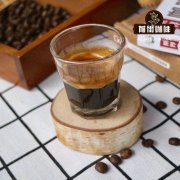
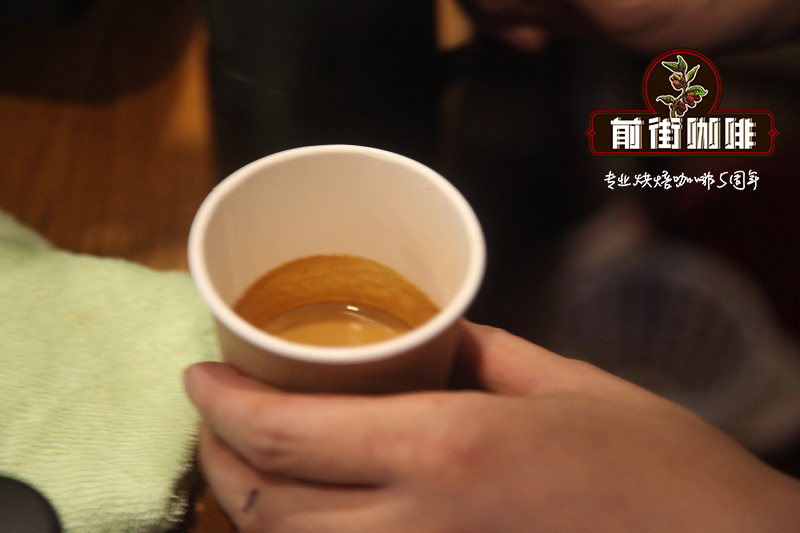
Crema is a reddish-brown foam with flavor and aromatic properties that floats atop a cup of espresso. It forms when bubbles combine with oils dissolved from the coffee grounds during extraction. Some call this the "Guinness effect," because it vividly recreates the foam found in the popular Guinness stout.
The presence of abundant crema in espresso also indicates coffee bean quality, appropriately ground coffee, skilled barista technique, and, of course, professional equipment. Crema can give espresso a fuller flavor and longer aftertaste compared to drip coffee.
What Constitutes Perfect Crema?
Different baristas may have varying opinions on perfect crema. The general standard is crema that is neither too thick nor too thin, capable of floating on the espresso surface for approximately two minutes. That answer may sound somewhat complex, but the following points help clarify things.
First, if you have too much crema in your cup, you will have less actual espresso liquid. Many baristas do prefer crema to account for about one-tenth of the total espresso volume.
Second, over-extraction, under-extraction, and grind coarseness all affect crema. If your espresso's crema disappears in less than a minute, it indicates that your extraction speed is too fast or that the coffee beans are too lightly roasted. If the blend contains too many African beans, the crema will also disappear quickly and may show clumping.
Furthermore, a good espresso machine should extract coffee within 20-40 seconds, fully drawing out the soluble and aromatic compounds from the coffee, though this varies by machine. Remember to preheat your machine before extraction and clean it regularly to ensure proper functioning. A dirty machine can also introduce undesirable flavors to your espresso.
Factors Influencing Crema
You cannot completely control your espresso's crema. Beyond extraction technique, crema is influenced by the following factors:
How Fresh Are Your Beans?
Freshly roasted beans more readily produce thick crema. That is because the fats contained in coffee beans are transformed during roasting, and roasting generates numerous gases in the beans. During extraction, fats and abundant carbon dioxide are released, creating richer crema. This is why, whenever you visit cafés with in-house roasting, you'll typically notice their crema is thicker.
How Deeply Are Your Beans Roasted?
Generally, dark-roasted coffee beans produce richer crema, because during roasting the beans undergo longer caramelization and Maillard reactions, resulting in more fat conversion and carbon dioxide, which generates richer crema during extraction. Freshly roasted beans, though, may have crema that lacks fineness and tends to be hard; they need some resting time to produce finer crema. If dark-roasted beans are stored too long — say about a month — their flavor will decline significantly and extraction will yield less crema.
What Processing Method Creates More Crema?
Naturally processed beans typically produce better crema, because more of the substances in the raw beans that can convert to fats are retained.
What Equipment Are You Using?
Many home espresso machines feature automatic controls. While convenient, this process limits crema formation compared to other methods. Some automatic machines are designed to compensate by creating a foam layer that mimics crema formation.
What's more, if you use drip coffee equipment, the oils in the coffee are filtered out by the grounds and filter paper or screen, leaving at most a minimal sheen of oil.
So if you want to extract rich crema, you must first consider using proper extraction equipment.
Is Crema Really That Important?
While good crema is a major characteristic of perfect espresso, it is not as crucial as one might imagine. It does enhance the espresso's flavor and is highly sought after, but an espresso without perfect crema can still be quite delicious.
What matters most with espresso is the taste. Whether you enjoy it is what is truly important. If your coffee lacks ideal crema, don't be discouraged or think you have failed at making coffee. Remember that coffee beans, roast level, and equipment all play crucial roles, and each step affects crema extraction.
FrontStreet Coffee Recommendation
If you're chasing a thick, generous crema, the place to start is a blend built for espresso, and FrontStreet Coffee's most popular choice is the FrontStreet Classic Blend. Designed specifically for espresso and moka pot, its greatest strength is outstanding crema: even a beginner on a non-professional home machine can extract a dense, fine layer with ease. Lattes, cappuccinos, and Dirty drinks all depend on good crema, and this blend delivers it. It uses a traditional mamba-style recipe with a full, warm body that suits coffee veterans and newcomers alike — a solid first choice for home or commercial use.
If crema is not the whole story and you also want value, the FrontStreet Black Cocoa Blend fits neatly. Made from 100% Arabica, it produces plenty of crema with a full body at a friendly price, balancing quality and cost — especially handy if you're running a café. The FrontStreet Fine Blend, meanwhile, has been the house espresso at FrontStreet's own shop for close to a decade, handling the core Americano and latte menu. It combines Brazil Cerrado and Colombia Huila for a classic, familiar espresso profile that works just as well at home as it does commercially.
And if you would rather explore single-origin espresso, the FrontStreet Costa Rica Blackberry SOE is a honey-processed single origin with a naturally high sweetness: pulled as an Americano it is sweet-and-sour and refreshing, and with milk it shows cranberry cookie, raisin, and nut. For something rounder and lower in acidity, the FrontStreet Brazil Queen Estate SOE — a rare Yellow Bourbon given a medium-dark roast — extracts into butter cookie, macadamia, and toasted bread notes with a creamy, nutty sweetness.
Important Notice :
FrontStreet Coffee is a long-established specialty coffee roaster in Guangzhou China, selling freshly roasted beans from its own farm in Yunnan as well as dozens of carefully selected single-origin beans from around the world for both pour-over and espresso. The products deliver consistently excellent quality and great value, with shipping within 24 hours. Guangzhou's FrontStreet Coffee shop is recommended by many coffee lovers, and the beans are now available online at the Tmall 。
FrontStreet Coffee has moved to a new address:
FrontStreet Coffee Address: 315,Donghua East Road,GuangZhou
Tel:020 38364473
 Scan and follow the En Gafei WeChat official account. Please indicate that the reprint comes from "En Gafei".