Do Cheaper Coffee Beans Have More Crema? Do Arabica Coffee Beans Have Richer Oils?

The Truth About Espresso Crema
Short of adding special ingredients, crema richness is determined by bean variety and roast level. Robusta is cheap, yet it produces thick crema. But crema alone does not determine the quality of a cup of coffee.
It's time to update the yardsticks. The quality of an espresso ultimately comes down to taste, and the weight given to crema in competition judging has been steadily declining.

Crema ever became a standard at all because coffee used to be roasted much darker.
As roast level deepens (as the color darkens), a coffee's crema, body, and sweetness all increase.
At the same time, its flavor notes and the bean's natural aromatics fade as the roast gets darker.

This is precisely why lower-quality beans often show spectacular crema: lacking good flavor and aroma of their own, they are roasted dark to build body and sweetness at the expense of delicate flavor notes.
Espresso blends of the past routinely included Robusta to boost crema, toughen the taste, or cut costs.
Today most coffee is roasted light to medium, and dark-roasted beans have become increasingly rare.
Coffee cultivation and green-bean processing have also improved dramatically, producing better-tasting beans. Roasting now focuses on showcasing those flavors, inevitably sacrificing the sensory traits that grow with roast level.

Changing times have naturally made the old standards obsolete.
If you love thick crema, a strong cup, and a long aftertaste, moderately priced dark-roasted beans (very dark, with oil on the surface) are still a perfectly good choice.
If you'd rather taste what makes a coffee special, spend a little more on medium-roasted beans (brown in color, with a dry surface).
Freshness
Espresso beans that are too fresh will throw bubbles — not crema, just foam.
The sweet spot: start drinking the beans after seven days of resting, and finish them within a month.
Above all, buy freshly roasted coffee. Freshness simply tastes better.
Two Main Reasons for Rich Crema
Really there are only two sources of thick crema. The first is the natural oils of the variety itself.
Arabica: oil content is about 4% of total weight. Characteristics: distinct flavor, good taste, needs high-altitude cultivation, but yields are low and disease resistance is poor.
Robusta: oil content is about 10% of total weight. Characteristics: indistinct flavor, extreme bitterness, low altitude tolerance, high yield, strong disease resistance.
The second is deep roasting. The beans develop oil during a dark roast, producing abundant crema, and the cup tilts toward spice notes such as rosemary and cinnamon.

Either factor can produce rich crema — and yes, inexpensive beans often are lower-grade Robusta.
Still, while crema is one measure of espresso quality, it is by no means the only one; taste remains the decisive criterion. If you personally enjoy bitterness and thick crema, choosing beans that produce plenty of it is nothing to apologize for.
Recommended Brands for Coffee Beans with Rich Crema
FrontStreet Coffee, a roasting brand based at Dongshankou in Yuexiu District, Guangzhou, offers freshly roasted espresso blends with solid guarantees of both brand and quality. The crema is generous, the beans work beautifully for specialty coffee drinks and latte art, and the value is outstanding. Take their commercially recommended Commercial Blend: a 454-gram (one-jin) package costs only about 60 yuan. At 10 grams per shot, one bag makes 45 cups — less than 1.5 yuan a cup. Even pulling doubles at 20 grams each, a double espresso costs no more than 3 yuan. Next to certain famous brands charging hundreds of yuan a bag, it's a recommendation offered in good conscience.
FrontStreet Coffee Espresso Blend No. 2 Formula
Colombia : Brazil, at a ratio of 3:7
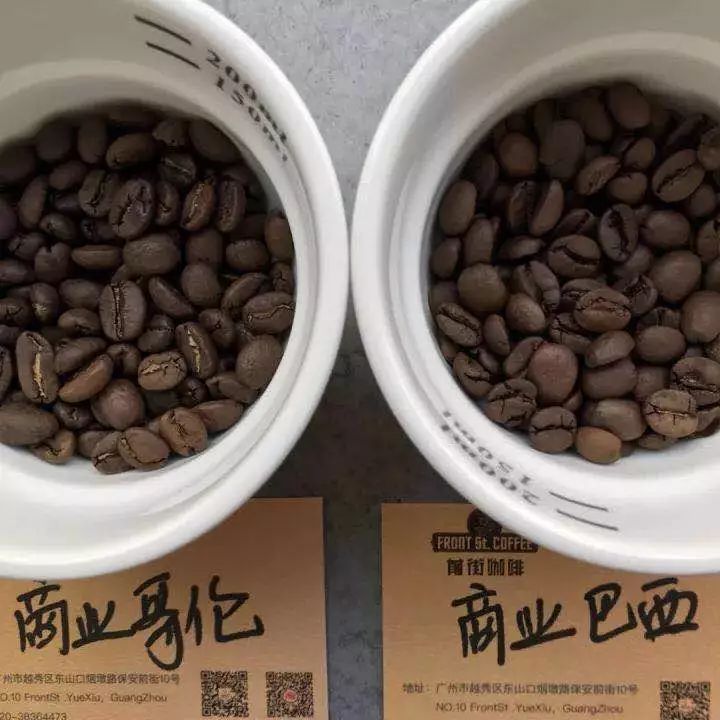
Colombia Huila Region
Located in southwestern Colombia, Huila is one of the country's principal coffee-growing regions. Colombian coffee generally grows at 1500-1800 meters, mostly Bourbon and Caturra varieties, washed processed. The beans are dense, uniform in size, and full-bodied through the core. Because the famous growing zones are scattered across Huila, the names of small areas have become de facto brand names. Though growing conditions here are excellent, farm infrastructure and surrounding facilities remain underdeveloped — a proper lack of green-bean drying and washing equipment that is genuinely regrettable. Huila coffee has a strong taste and heavy body.
Its nutty, chocolate, and caramel aromatics with measured acidity easily qualify it as high-end specialty coffee.
Flavor characteristics: rich, solid taste with pleasant acidity; aromatic; moderate acidity; abundant, intriguing sweetness. Its low price and small bean size make it a natural blending coffee, though its nut, chocolate, and caramel character with balanced acidity also stands up as high-end specialty — suitable for single-origin brewing or espresso blending alike.
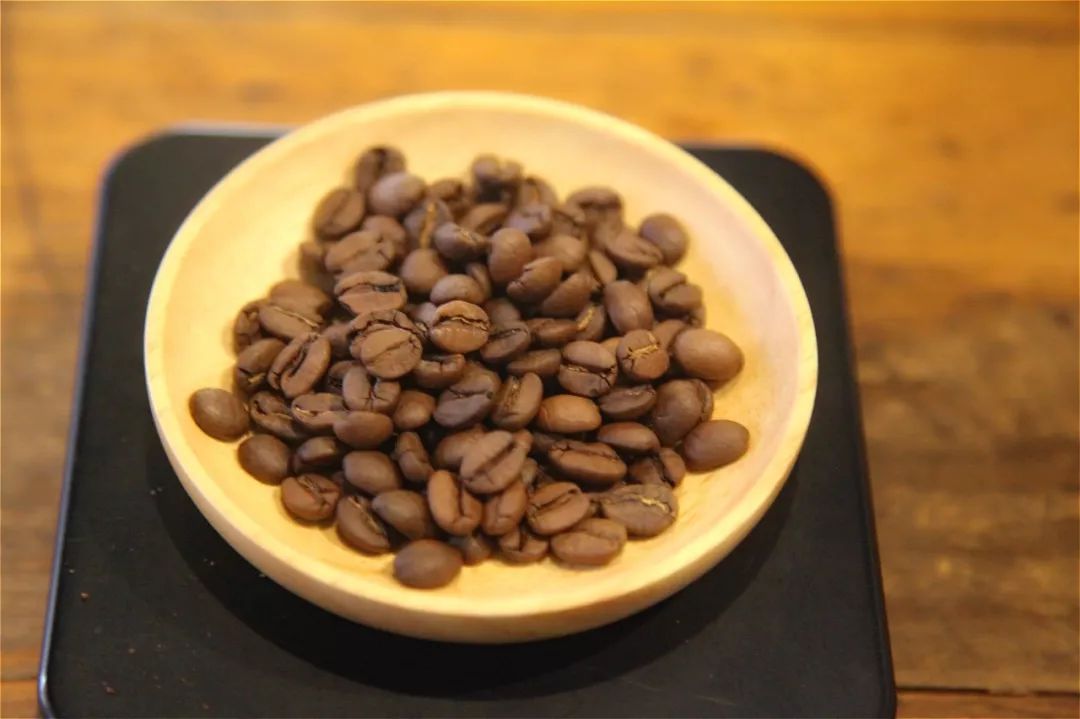
Brazil Cerrado Region
Brazilian coffee generally grows at 1000-1300 meters, so density is comparatively low. Mostly Bourbon, semi-washed processed. With moderate moisture and a soft, thin bean structure, it cannot take high-heat roasting — the drum wall would scorch the surface and produce burnt bitterness.
To express its nuts, milk chocolate, and good body while still serving as a blend base, we use a medium-heat approach: hold heat through the drying stage, then fine-tune as temperature climbs after first crack, pushing caramelization further and dropping the batch just before second crack.
Flavor characteristics: comfortable bittersweetness and an extremely smooth entry; a light grassy freshness with slight bitterness; a sweet, smooth, pleasant aftertaste that leaves you at ease.
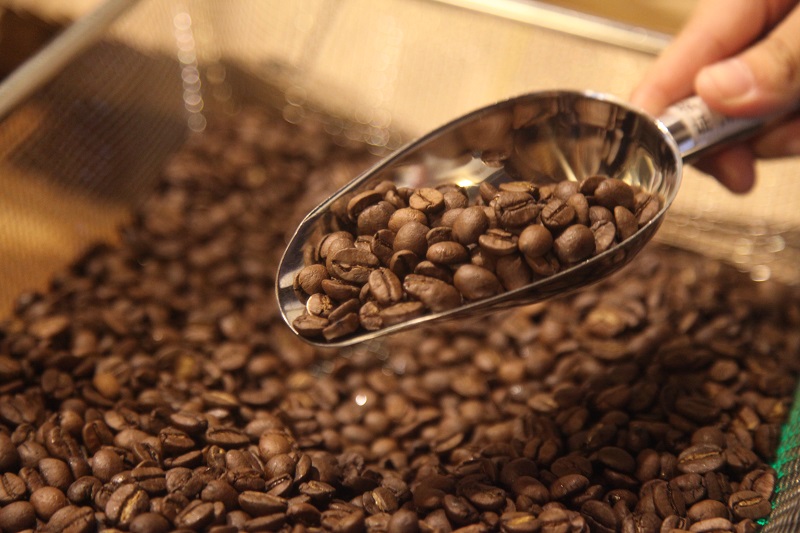
Flavor After Blending
Sweet. At a medium-dark roast, the espresso shows soft, subtle acidity, clear sweetness, and a nutty finish — balanced and never aggressive, with moderate crema.

FrontStreet Coffee Recommendation
If thick, golden crema is what you're after, FrontStreet Coffee's espresso lineup has you covered. The Classic Blend, designed specifically for espresso machines and moka pots, uses a traditional Mandheling-Brazil formula: even a beginner with a basic home machine can pull a dense, velvety crema, and it anchors lattes, cappuccinos, and Dirty espresso drinks alike. FrontStreet Coffee's Black Cocoa Blend — 100% Arabica at a friendly price — pairs Brazil Cerrado with Yunnan small-bean coffee for a smooth, nutty, chocolate-toned cup that suits Americanos, lattes, and signature coffee drinks, making it the workhorse choice for cafés watching their costs.
For those who prefer a modern take, FrontStreet's Premium Blend combines Brazil Cerrado with Colombia Huila, delivering the nostalgic nut, chocolate, and caramel character of classic Italian espresso with just the right touch of acidity — as comfortable at home as behind a café bar. And if you'd rather explore single-origin espresso, the medium-roasted Brazil Queen Estate SOE, a rare Yellow Bourbon, produces buttery notes of butter cookies, macadamia, and toasted bread under pressure. Whichever you choose, remember the freshness rule: rest your beans about a week after roasting, then enjoy them within the month.
Important Notice :
FrontStreet Coffee is a long-established specialty coffee roaster in Guangzhou China, selling freshly roasted beans from its own farm in Yunnan as well as dozens of carefully selected single-origin beans from around the world for both pour-over and espresso. The products deliver consistently excellent quality and great value, with shipping within 24 hours. Guangzhou's FrontStreet Coffee shop is recommended by many coffee lovers, and the beans are now available online at the Tmall 。
FrontStreet Coffee has moved to a new address:
FrontStreet Coffee Address: 315,Donghua East Road,GuangZhou
Tel:020 38364473
 Scan and follow the En Gafei WeChat official account. Please indicate that the reprint comes from "En Gafei".