The World's Most Expensive Coffee | Hawaiian Coffee Brands, How Much Does a Cup of FrontStreet Coffee Kona Coffee Cost?
The World's Most Expensive Coffee: Hawaiian Coffee Brands, and What a Cup of FrontStreet Coffee Kona Costs
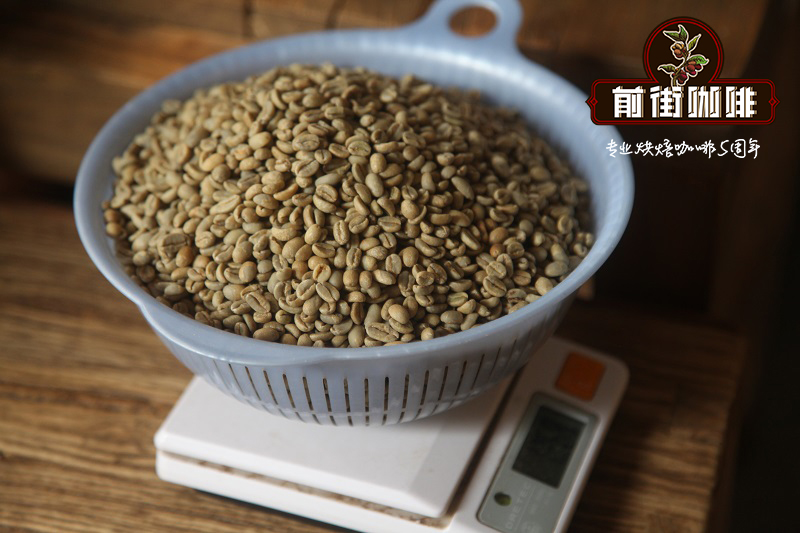
FrontStreet Coffee's Hawaiian Kona Premium beans, 100g, fresh light roast from the Kona Queen Estate (whole bean or ground): 60 yuan per cup brewed in-store, 120 yuan per 100g. Steep numbers for an island coffee — and there's a reason behind them.
Hawaii began cultivating coffee in the 18th century, and today most of it grows on Kauai and on the Big Island of Hawaii, where climate and soil align almost perfectly. Processing is exceptionally meticulous and the beans are remarkably uniform — but the growing area is tiny and American labor is expensive, and those two facts explain the price tag. What the price buys is a cup of uncommon cleanliness with a distinct tropical fruit character that no other origin can replicate. Under Hawaii Department of Agriculture rules, only coffee grown on the slopes of Hualalai and Mauna Loa in the Kona district of the Big Island may be called Kona Coffee. Sunny mornings nearly year-round, cloud-covered and rainy afternoons, gentle breezes and mild nights, all over mineral-rich volcanic soil — that rhythm is what shapes Kona's flavor.
The Kona name comes from the Big Island's Kona district, in the shadow of Mauna Kea on its western side — a mountain that rises 4,200 meters. A tropical rainforest climate delivers abundant rainfall, and the coffee trees root directly in crushed volcanic rock and black gravel. Production is limited and handled by small, careful operations that turn out superb green beans, which is why Kona commands the second-highest prices in the trade, behind only Jamaica Blue Mountain. Anyone who has visited Hawaii knows that Kona sold in the tourist zones is not cheap — and much of it is actually Kona blend, with genuine Kona beans making up only a small percentage of the bag.
Where Hawaiian Coffee Grows
Hawaii is the only U.S. state that grows coffee, with production concentrated on five islands: Oahu, Hawaii (the Big Island), Maui, Kauai, and Molokai. Each has its own personality: Kauai coffee is mild and smooth; Molokai coffee is heavy-bodied with low acidity; Maui coffee shows moderate acidity but the most intense flavor. Hawaiians take enormous pride in their 100% locally grown Arabica.
The Big Island is the largest in the archipelago — hence the nickname — and Kona coffee comes from its western and southern districts, where trees are scattered across the slopes of Hualalai and Mauna Loa between 150 and 750 meters, a band perfectly suited to coffee cultivation.
How Kona Is Graded
Coffee people love to put Kona and Jamaica Blue Mountain side by side. Both offer gentle, well-judged acidity and delicate fruity sweetness. Where they differ is in consistency: Kona's rigorous quality control means it essentially never takes a bad review, while Blue Mountain lots occasionally do. Based on moisture content and bean purity, Type 1 Kona is graded Kona Extra Fancy, Kona Fancy, Kona Number 1, Kona Select, and Kona Prime; Type II (peaberry) is divided into Peaberry Number 1 and Peaberry Prime. Below all of these sits a lower grade, Number 3, which is not permitted to carry the Kona Coffee name at all.
From Tree to Cup
How long from planting to first sale? A coffee tree needs at least 3 years in the ground before it yields fruit worth harvesting. Because coffee trees flower several times a year, pickers go through the same trees by hand up to 8 times annually.
A ripe cherry is glossy red and plump, usually holding two seeds — the coffee beans. The skin and pulp are removed first, the de-pulped beans are soaked in water, and then they're dried. The yield is punishing: depending on final quality, eight bags of coffee cherries may produce just one bag of roasted coffee.
Roasting Kona is closer to an art than a schedule. Beyond good equipment, everything depends on the roaster's judgment — the beans' moisture, weight, grade, quality, the target color, even the weather that day all factor into how long the roast runs.
On the Big Island, most estates and mills have embraced modern, open sales: visitors are welcome to tour, watch the production process, and taste. Colorful road signs, historic old grinding mills, quaint cafes, and hotels line the roads — and every one of them sells Kona coffee.
In the Cup
Kona is fresh and crisp, with medium body and a light touch of acidity, a rich aroma, and a long finish. Its most precious trait is a mingled fragrance of wine, fruit, and spice, as charming as the colorful volcanic islands themselves. Overall it sits at the mild end of the spectrum — so mild that some drinkers mistake its cleanliness for plainness. But if you're the kind of person who likes to ease into a coffee's aroma before the first sip, Kona is your coffee. Unlike the earthy richness of Indonesia, the winey intensity of Africa, or the boldness of Central and South America, Kona is like stepping out of Hawaii's sunshine and breeze: fresh, natural, neither too hot nor too cold.
Aroma: a wine-red character with citrus and dried fruit, vanilla plant, and sugarcane.
Taste: a pronounced but refreshing acidity, with citrus fruit returning clearly in the aftertaste.
FrontStreet Coffee's Recommended Brewing:
Dripper: Hario V60
Water temperature: 90°C
Grind size: medium-fine (Fuji Royal grinder at setting 3.5)
Method: 1:15 water-to-coffee ratio with 15g of coffee. Pour 25g of water for a 25-second bloom. Pour to 120g and pause. When the bed has drained to half, resume pouring slowly up to 225g total. Target extraction time: around 2:00.
Why it works: the three-stage pour keeps front, middle, and back-palate flavors distinct, and because the V60's deep ribs drain so fast, the pauses stretch contact time enough for a full extraction.
FrontStreet Coffee Recommendation
Kona is often measured against Jamaica Blue Mountain, and if that comparison intrigues you, FrontStreet Coffee's Jamaica Blue Mountain No.1 is the benchmark to try. Blue Mountain coffee can only come from a certified zone of Jamaica's Blue Mountains — peaks reaching 2,256 meters, wrapped in near-perpetual mist — and the top grade, Blue Mountain No.1, carries the strictest standards for bean size, defect rate, and overall quality. FrontStreet's lots trace back to the historic Clifton Estate, which has grown coffee since around 1750 at an average of 4,300 feet (about 1,311 meters), where altitude, afternoon cloud cover, and mineral-rich soil stretch the cherries' ripening and deepen the cup. Authentic Blue Mountain ships in wooden barrels of 15, 45, or 70 kg, and FrontStreet displays both its estate certification and the original barrels — the surest way to tell real Blue Mountain from the fakes that flood the market.
Expect the classic Blue Mountain balance: cream, caramel, chocolate, nuts, and honey with a whisper of fruit, a medium-dark roast that brings body and a clean, lingering finish. To brew it at home, FrontStreet suggests a Kono dripper to accentuate the body, 15g of coffee rested 4–7 days from roast date, a grind slightly coarser than you'd use for a light roast — about the texture of white sugar — water at 87–88°C, and a 1:15 ratio. Pour in three stages: 30g for a 30-second bloom, then to 120g and pause, then to 225g, finishing with a slightly faster pour to keep fines from clogging the bed and over-extracting. It's a study in how extraordinary a "quiet" coffee can be.
Important Notice :
FrontStreet Coffee is a long-established specialty coffee roaster in Guangzhou China, selling freshly roasted beans from its own farm in Yunnan as well as dozens of carefully selected single-origin beans from around the world for both pour-over and espresso. The products deliver consistently excellent quality and great value, with shipping within 24 hours. Guangzhou's FrontStreet Coffee shop is recommended by many coffee lovers, and the beans are now available online at the Tmall 。
FrontStreet Coffee has moved to a new address:
FrontStreet Coffee Address: 315,Donghua East Road,GuangZhou
Tel:020 38364473
 Scan and follow the En Gafei WeChat official account. Please indicate that the reprint comes from "En Gafei".