Beginner's Guide to Coffee Bean Selection: How to Choose Coffee Beans for Pour-Over Coffee
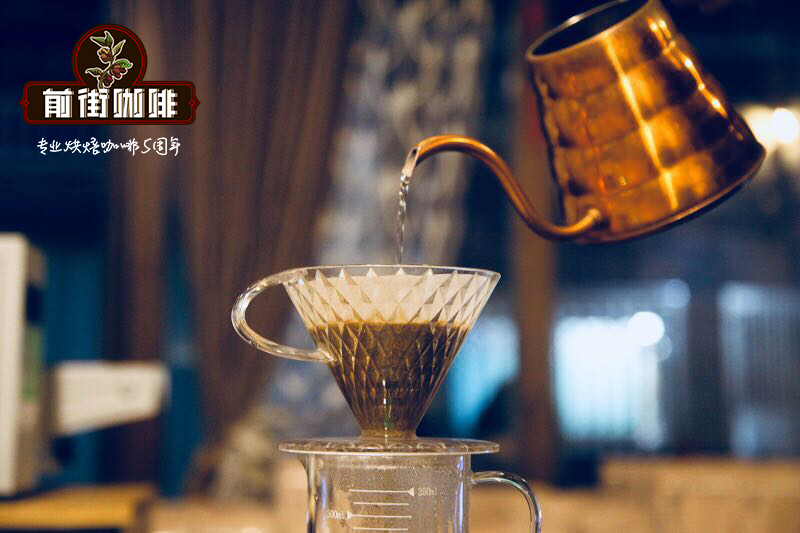
1. What Equipment Will You Brew With?
It helps to tell the staff which brewing method you use. That way they can recommend beginner beans that actually suit your setup, and you can compare notes with them on how those beans behave at home.
2. What Flavor Do You Prefer?
Describe the kind of coffee you like. There is no need to sound like a professional taster — keep it relaxed. For example, mention whether you prefer a stronger taste or something more acidic. The staff can then match you to beans that fit their shop's flavor profile.
3. Understand the Beans Before You Buy
Coffee beans have distinct regional characteristics, but during roasting the roaster may adjust them according to their own reading of coffee flavor. The same coffee can end up tasting quite different from one roaster to another. Before buying, understanding a bean's flavor helps explain why the same coffee bought from two places can taste nothing alike.
4. Learn to Ask for the Roast Date
As a food product, coffee has a natural "freshness window." Coffee is much like seafood: the fresher, the better. The indicator for judging freshness is the roast date, and it is best to buy beans within two weeks of roasting. Different beans and different roast levels, however, affect the optimal drinking period.
For example, medium-dark roasted beans carry heavier smoky, fiery flavors, so they are best after resting for seven days, hitting peak flavor two weeks later. Lightly roasted beans can be drunk two to three days after roasting, with peak flavor one week later — which lets you follow how the flavor changes as the beans rest. Both are best consumed within one month. Once you get them home, write the roast date on the packaging with a marker so you can track freshness.
Many people report that coffee tastes great when sampled in-store but not nearly as good brewed at home. Several factors can be behind that. First, particle uniformity differs between home and commercial grinders, especially between manual and electric models — manual grinders cannot match the uniformity and fineness of electric ones. Second, some coffee shops use water of better quality than household tap water. Third, equipment matters: espresso machines at different price points have different pressure and stability, which affects the result. The same applies to pour-over — the material of the filter cup and the kettle all leave their mark.
5. Buy Whole Beans
Most shops offer free grinding, turning whole beans into powder at no charge. If you want to fully enjoy a cup's aroma, though, buy whole beans. Aroma is coffee's most enticing quality, and if we ranked the moments when aroma is released most intensely, grinding would be near the top. From a preservation standpoint, whole beans also hold their aroma far longer than ground coffee.
If you drink coffee regularly, why not buy your own grinder — manual or electric both work? You get the pleasure of the preparation itself while tasting more of the coffee's aroma and flavor. There is no good reason not to.
FrontStreet Coffee Recommendation
For a first bag, FrontStreet Yirgacheffe Gudingding is hard to beat. It is a fully washed Ethiopian coffee from the Yirgacheffe region, with bright citrus and berry, a floral lift and a green-tea finish. The acidity is gentle and fruit-like rather than sharp, which makes it one of the easiest specialty coffees to accept — brew it at 90-91°C with a 1:15 ratio.
If you want to experience a more dramatic, fruit-forward style, FrontStreet Ethiopia Huakui is naturally processed and roasted medium-light. Its tropical fruit is very pronounced — strawberry, passion fruit, jackfruit and lychee — with obvious sweetness, very low bitterness and a smooth, juice-like body. It often converts people who were sure they disliked coffee.
For a completely different reference point, FrontStreet Panama Hacienda La Esmeralda Red Label Geisha shows elegant jasmine, citrus, bergamot and black tea, with a clean, transparent body and a long finish. It is expensive next to everyday beans, but it is a useful benchmark for what high-end coffee can taste like.
And if you want to start on the fuller, low-acid side instead, FrontStreet PWN Golden Mandheling is a wet-hulled Sumatran coffee roasted medium-dark, with herbal, dark chocolate and caramel notes, mild acidity and a thick body — a gentle introduction to a heavier style.
Important Notice :
FrontStreet Coffee is a long-established specialty coffee roaster in Guangzhou China, selling freshly roasted beans from its own farm in Yunnan as well as dozens of carefully selected single-origin beans from around the world for both pour-over and espresso. The products deliver consistently excellent quality and great value, with shipping within 24 hours. Guangzhou's FrontStreet Coffee shop is recommended by many coffee lovers, and the beans are now available online at the Tmall 。
FrontStreet Coffee has moved to a new address:
FrontStreet Coffee Address: 315,Donghua East Road,GuangZhou
Tel:020 38364473
 Scan and follow the En Gafei WeChat official account. Please indicate that the reprint comes from "En Gafei".