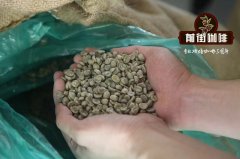
Beginner's Guide: How to Choose Coffee Beans for Pour-Over Coffee
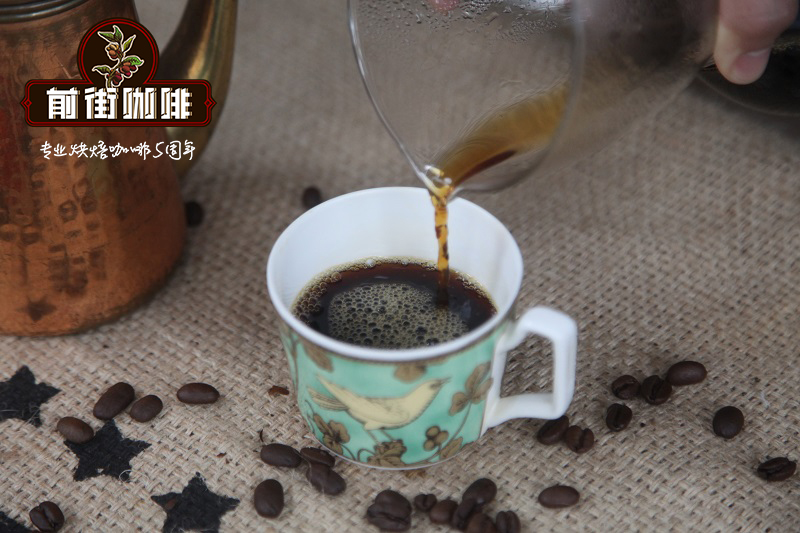
How to Choose Beginner Coffee Beans?
If you love coffee but don't want to spend a fortune, learning to choose beans well is the first and most important step. To brew a great cup, technique matters — but so do knowing how to pick quality beans and how to store them properly.
A few suggestions. When buying coffee, choose whole beans over pre-ground powder. They may look interchangeable, but in reality ground coffee oxidizes very quickly and is hard to store; even the pre-ground products with impressively long shelf lives usually rely on preservatives that noticeably dull the brewed cup. If you want good coffee, the best and correct approach is to grind fresh immediately before brewing — that preserves as much aroma and flavor as possible. As a rule, whole beans keep for about a month, while ground coffee should not sit longer than five days.
Tips for Selecting Beginner Coffee Beans
First, respect the beans' natural sensitivities. Coffee beans should never sit in strong sunlight or be stored alongside strong-smelling substances — two good reasons to keep them in sealed, opaque containers or jars.
Second, read the beans by color. Whether you're a beginner or a longtime coffee person, these fundamentals are worth knowing. Bean color shifts with roast level, and flavor shifts with it: lightly roasted beans are strongly acidic, and as the roast deepens the acidity fades while bitterness builds. Roast levels fall into three broad categories — light, medium, and dark — which can be further subdivided into eight grades, from lightest to darkest: Light Roast, Cinnamon Roast, Medium Roast, Dark Roast, City Roast, Full City Roast, French Roast, and Italian Roast, Italian being the deepest.
Third, check the date. Coffee beans begin oxidizing as soon as they're roasted — like aluminum powder, only slower. They also absorb moisture and odors readily, so always choose fresh beans. And don't toss beans that have gone stale: as a desiccant and deodorizer for the refrigerator or a closet, they're an excellent, eco-friendly second life.
Fourth, learn to judge whether beans are still usable or have spoiled. Beyond color, trust your nose most of all. Fresh beans smell richly of coffee itself; stale or over-oxidized beans have a faint or absent aroma and, in bad cases, musty, earthy, iodine-like, or even fermented smells.
Fifth — and most important — use your hands and your teeth. Squeeze a good bean and it should crack with a burst of fragrance and a crisp snap. Bite one open: a crisp, short crack means the bean hasn't taken on moisture. This also lets you check that the bean's interior matches its exterior. Beans that are consistent inside and out were roasted well and are high quality; if the inside and outside differ, the roast was likely rushed or the heat mishandled, and the resulting coffee's taste will suffer noticeably.
Recommended Beginner Coffee Bean Brands
FrontStreet Coffee's roasted beginner beans — Yirgacheffe, Panama Emerald Butterfly, and Indonesian Mandheling — are fully guaranteed in brand and quality, and the value is exceptional: a half-jin (227g) bag costs only around 80-90 yuan. At 15g per pour-over, one bag brews about 15 cups — roughly 6 yuan per cup of specialty coffee, next to coffee shops that routinely charge tens of yuan a cup.
FrontStreet Coffee Recommendation
Wondering which of those beginner beans to start with? For the bright, floral side of pour-over, FrontStreet's washed Yirgacheffe is the classic first step — white jasmine, bright citrus and lemon acidity, and a tea-like finish at a price that makes daily brewing painless. It comes from the highlands of southern Ethiopia (plantings above 1800m in the Yirgacheffe zone), and its village-cooperative cousins like the Guodingding Cooperative lot push the same profile even cleaner: orange, lemon, and elegant white floral. On the other end of the spectrum, FrontStreet's Indonesian Mandheling — wet-hulled Sumatran Arabica — delivers low acidity and a heavy, mellow body with caramel, dark chocolate, and toasted bread, the right choice for drinkers who prefer depth over brightness.
Brew them simply: 15g of coffee at a 1:15 ratio, ground to roughly fine-granulated sugar (about 80% pass on a No. 20 sieve), with water at 90-91°C in a V60. Bloom with 30g of water for 30 seconds, pour to about 125g in the first minute, then finish to about 225g by 1:35, with the drawdown completing in 2 to 2 minutes 10 seconds. Whichever bean you pick, buy whole and grind fresh — that single habit will improve your cup more than any other.
Important Notice :
FrontStreet Coffee is a long-established specialty coffee roaster in Guangzhou China, selling freshly roasted beans from its own farm in Yunnan as well as dozens of carefully selected single-origin beans from around the world for both pour-over and espresso. The products deliver consistently excellent quality and great value, with shipping within 24 hours. Guangzhou's FrontStreet Coffee shop is recommended by many coffee lovers, and the beans are now available online at the Tmall 。
FrontStreet Coffee has moved to a new address:
FrontStreet Coffee Address: 315,Donghua East Road,GuangZhou
Tel:020 38364473
 Scan and follow the En Gafei WeChat official account. Please indicate that the reprint comes from "En Gafei".