How to Drink Harar Coffee - African Mandheling - Main Flavor Profile Introduction of Harar Coffee

The Origin of Coffee: A Shepherd's Discovery
You probably know the story of the shepherd who discovered coffee. Long ago, in the southern part of Ethiopia, in a town called "Kaffa," a certain red berry grew. A shepherd noticed that after eating the berries, his sheep grew unusually excited — even dancing with joy. He tasted them himself and felt his fatigue melt away as his spirits soared. So the locals began harvesting and brewing the berries as a refreshing food and drink, calling them "Kaffa" — and from there they spread across the world to become "coffee."
Harar: The Wild Coffee of Ethiopia
The story also makes the point that Ethiopia is the homeland of coffee. As coffee's birthplace and the cradle of its native varieties, Ethiopia counts Harar among its famous regions alongside Yirgacheffe, Sidamo, and Jimma. Yirgacheffe and Sidamo are probably household names by now — this time, let's talk about Harar.
The Historical City of Harar
Harar lies in eastern Ethiopia, an ancient city with a long history. It was once the capital of ancient Ethiopia and remains one of the four holy cities of Islam. It has the altitude conditions suited to high-quality Arabica and is Ethiopia's highest coffee-producing region. Given Ethiopia's natural gifts of altitude, climate, and environment, it goes without saying how excellent Harar's coffee-growing conditions are. Notably, the Black Mountain region of Harar is still one of the few places on Earth where coffee grows truly wild — and that wild coffee is auctioned in London every year.
The Legend of Harar Coffee
Harar is not only one of the world's finest specialty sun-dried coffees — hailed as "the coffee of the wilderness" — it's also something of a beautiful legend. In an era before modern transport, when horses were the primary means of travel, fine purebred horses were what people pursued and aspired to. Back then, Harar possessed the world's best Arabian purebreds, so its earliest coffee grading philosophy held that "quality coffee is as important as purebred horses."
To this day, you can still find horse pictures printed on the bags of Harar green coffee — a tradition of packaging maintained right up to now.
The Unique Character of Harar Coffee
Just as you can't judge a person by appearance, Harar green beans may look somewhat unprepossessing, with uneven particle sizes — but their flavor stands alongside Yemeni Mocha. This, too, is "handmade" coffee.
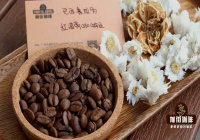
Harar beans usually come in three types: Longberry Harar, Shortberry Harar, and Peaberry Harar. Longberry is the most popular, growing from the Darolebu plains at 900 meters up to the Chercher highlands of eastern Ethiopia at 2700 meters. The beans are full and elongated, with moderate acidity and the typical mocha refreshment. The best quality of the three, with slightly longer bean shapes, they offer a rich winey aroma, noticeable acidity, and a heavy, wild flavor laced with intense red-wine fermentation notes. The taste is aggressive — always ready to conquer your taste buds. A cup of Harar delivers an unprecedented, primitive experience, which is why it also carries the nickname "African Mandheling."
Roasting and Brewing Harar Coffee
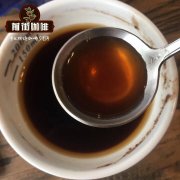
When roasting Ethiopian Harar, a lighter roast best preserves the coffee's fruit aroma. Push the roast deeper and the fruit recedes while spicy notes step forward. Our medium-roasted Harar, when brewed, shows moderate acidity, roasted walnut aroma, and honey-like date sweetness, with some cherry and cedar notes and a fermented red-wine aftertaste that lingers in the mouth.
FrontStreet Coffee Recommendation
If Harar's wild, winey character appeals to you but you'd like a gentler introduction to Ethiopian naturals, FrontStreet Coffee's Natural Red Cherry Yirgacheffe is the perfect bridge. Made from fully ripe, defect-free cherries sun-dried on raised beds for three to five weeks — turned every 2-3 hours at the start to prevent over-fermentation — it keeps classic Yirgacheffe character while adding tropical fruit: citrus acidity, berry-like juiciness, honeyed sweetness, and a cream-smooth texture.
For the cleanest expression of Ethiopia instead, start with FrontStreet Coffee's classic Washed Yirgacheffe — white jasmine, bright citrus and lemon acidity, and a soft tea-like finish. Brew either one on a V60 with water at 90-91°C: 15g of coffee at a 1:15 ratio, ground to fine granulated sugar (80% pass on a #20 sieve), a 30g bloom for 30 seconds, then pours to 125g and finally 225g, with drawdown finishing around 2:00-2:10. Between Harar's wild ferment and Yirgacheffe's pristine florals, you'll taste just how wide Ethiopia's flavor spectrum really is.
Important Notice :
FrontStreet Coffee is a long-established specialty coffee roaster in Guangzhou China, selling freshly roasted beans from its own farm in Yunnan as well as dozens of carefully selected single-origin beans from around the world for both pour-over and espresso. The products deliver consistently excellent quality and great value, with shipping within 24 hours. Guangzhou's FrontStreet Coffee shop is recommended by many coffee lovers, and the beans are now available online at the Tmall 。
FrontStreet Coffee has moved to a new address:
FrontStreet Coffee Address: 315,Donghua East Road,GuangZhou
Tel:020 38364473
 Scan and follow the En Gafei WeChat official account. Please indicate that the reprint comes from "En Gafei".