What are Espresso Coffee Beans_ Is Oiling in Espresso Coffee Beans Normal_ How to Drink Traditional Espresso Coffee Beans
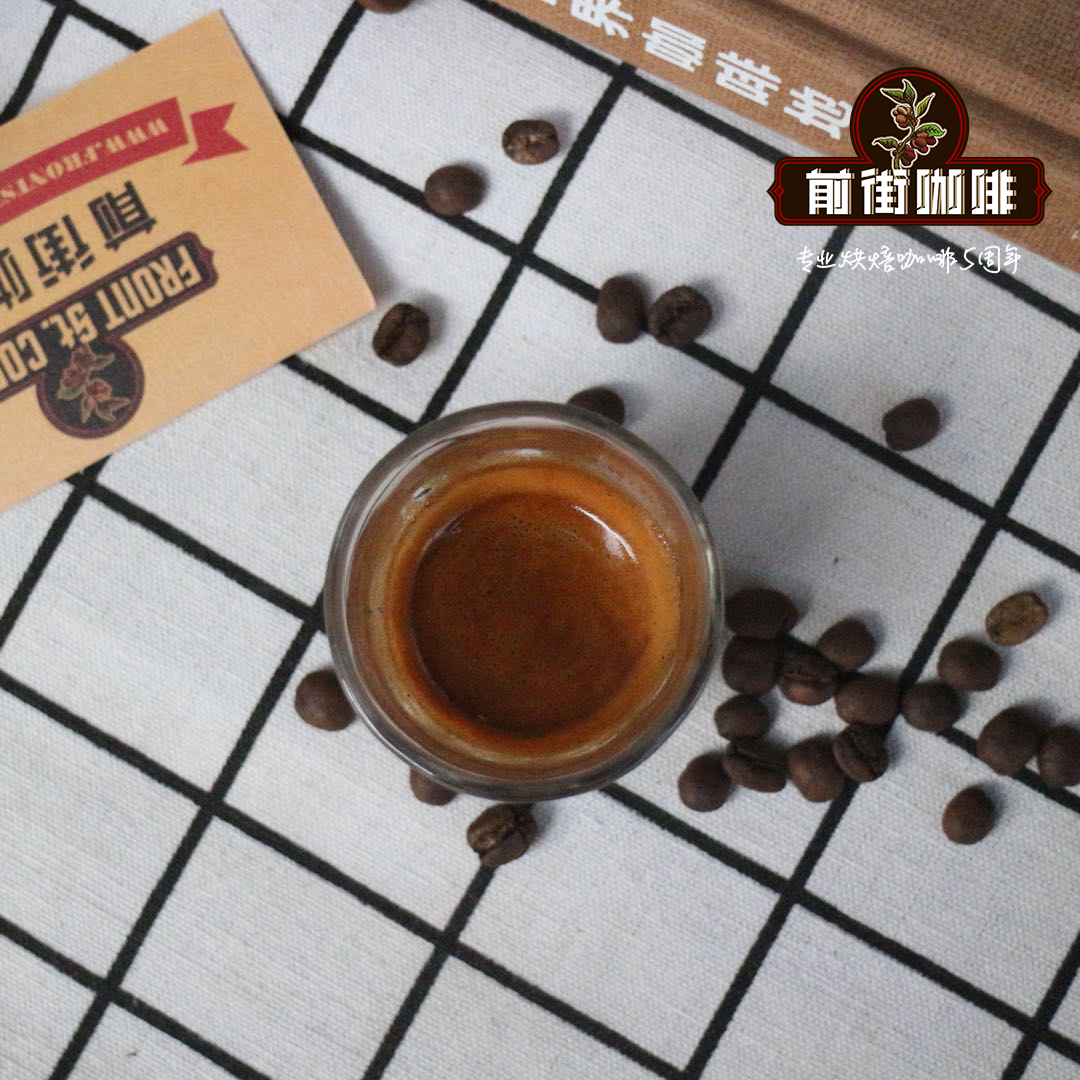
What Exactly Is Espresso Coffee?
Espresso is a style of coffee built around coffee extracted under pressure, typically served straight or combined with water, milk, and other ingredients, prepared with an espresso machine and a milk pitcher.
The Foundation of Every Espresso Drink
Every espresso-based beverage on a café menu shares one thing in common: a shot of espresso as its base.
- Espresso = a single shot of espresso
- Caffè Latte = espresso + steamed milk + a thin layer of foam
- Caffè Mocha = espresso + chocolate sauce + steamed milk (+ whipped cream)
- Cappuccino = espresso + less steamed milk + a thick blanket of foam
- Caffè Americano = espresso + hot water
- Espresso Macchiato = espresso "stained" with a dollop of milk foam
- Latte Macchiato = steamed milk "stained" with espresso
- Caramel Macchiato = espresso + steamed milk + caramel sauce
- Doppio = a double shot of espresso
Espresso without an actual shot of espresso is like beef noodle soup without the beef.
Why Do We Call It "Espresso"?
The answer, unsurprisingly, is Italy.
"Diluted" drinks like the latte, cappuccino, caramel macchiato, and even the mocha are far more popular in the United States than they ever were in Italy — so much so that it would hardly be an exaggeration to call them American inventions, even if they rose to fame on the coattails of one very large coffee chain.
Italians, by contrast, drink their coffee straight: espresso and its close relatives such as the ristretto and the lungo, or at most an espresso macchiato with a whisper of milk. The servings are tiny — finished in a minute or less. Drinks loaded with milk, syrup, and flavorings are simply not considered "authentic" Italian coffee. To an Italian, Italian coffee means espresso, and a heavily watered-down cup is thin and flavorless by definition.
Two Very Different Coffee Cultures
Although the menus look roughly the same on paper, coffee culture in America and in Italy could hardly be more different.
In Italy, arguably the most coffee-obsessed nation on earth, most people drink standing up. Large cafés can afford chairs and tables, but what about the small corner bars? They offer a long counter ringed by a few high stools that exist mostly for show. During the morning rush, a regular walks in, orders an espresso, tips it back in about twenty seconds, pays, and leaves.
The cup slides across the counter, the coins slide back. That is Italian coffee culture.
Six cups a day is nothing unusual — this is a nation with coffee running through its veins.
Roasting for Italian Coffee
Roasting shapes coffee flavor more than almost any other variable, and nowhere is that more visible than in Italian coffee. Beginners are usually told that espresso blends are roasted the darkest, with beans that look brownish-black and visibly oily.
In reality, that picture is woefully incomplete.
Summarizing the coffee of an entire nation with the single phrase "dark roast" is biased at best — almost an insult to the depth of Italian coffee tradition. Italy as a unified country is barely a century old, and the roasting "styles" of its different regions are wildly different.
Different blends and different roasting approaches produce very different espresso beans. Some blends are built for milk drinks, others shine as straight shots, and some roasters even fold Robusta into the blend to thicken the crema. Some blends lean into acidity; others chase floral and fruity notes. It is a genuine hundred schools of thought contending.
The Key Variables in a Cup of Espresso
Blend composition, roast level, and roasting method — these three variables determine the flavor of any cup of espresso.
And yet, deep tradition can become a shackle on innovation.
Specialty coffee? Never heard of it. Pour-over? Too weak, don't bother. Blends built on single-origin lots? I drink my coffee perfectly well every day, stop lecturing me. Light roasts? Who drinks those!
Coffee as a Way of Life
Coffee woven deeply into daily life is a double-edged sword.
It is a little sad that the average Italian never tastes the diverse terroir expressions that specialty coffee offers — but as long as people enjoy what they drink, what the coffee is "supposed" to be hardly matters.
For most people, enjoyment is the whole point.
For those of us working in specialty coffee, though, the goal is to understand espresso deeply and to organically blend old-school Italian tradition with new-wave specialty ideas to create something genuinely excellent.
FrontStreet Coffee Recommendation
If you want to put these ideas into practice at home, FrontStreet Coffee's espresso blends are a great place to start. Their house blends are roasted fresh and built for espresso work: the FrontStreet Classic Blend is their "crema bomb" — a reliable, affordable workhorse that pulls thick, stable crema — while the Black Cocoa Base Blend is the budget-friendly option prized for its cocoa-toned, full-bodied profile.
For extraction, FrontStreet recommends a straightforward starting recipe: a 20-gram dose with a 1:2 brew ratio, yielding roughly 40 ml of espresso in about 30 seconds. This balance of concentration and extraction gives a shot with enough body to cut through milk while staying sweet and approachable.
If you feel like experimenting, the Strawberry Candy Espresso Blend brings notes of berries, rose, raisin, and fruit candy to a milk drink, and the Granada Gesha SOE — a natural-process, medium-roast single origin — offers berry, orange, and persimmon notes that turn creamy and milk-candy-sweet once milk is added. Try any of them in a cappuccino: a shot pulled to the recipe above, topped with a dense, thick foam, is exactly the rich, plush drink this article has been describing.
Important Notice :
FrontStreet Coffee is a long-established specialty coffee roaster in Guangzhou China, selling freshly roasted beans from its own farm in Yunnan as well as dozens of carefully selected single-origin beans from around the world for both pour-over and espresso. The products deliver consistently excellent quality and great value, with shipping within 24 hours. Guangzhou's FrontStreet Coffee shop is recommended by many coffee lovers, and the beans are now available online at the Tmall 。
FrontStreet Coffee has moved to a new address:
FrontStreet Coffee Address: 315,Donghua East Road,GuangZhou
Tel:020 38364473
 Scan and follow the En Gafei WeChat official account. Please indicate that the reprint comes from "En Gafei".