Rwanda Coffee|Rwanda Coffee Bean Characteristics|Nyakizu Cooperative Red Bourbon
Country: Rwanda
Region: Nyakizu region
Estate: Rwanda Nyakizu Farmers' Cooperative
Variety: Red Bourbon
Processing method: Washed
Drying method: Sun-dried on raised beds
Pearl Coffee Project: Cooperative coaching program
The dry aroma features rich spice notes of star anise and cinnamon, with ripe fruit aromas reminiscent of pineapple sweetness.
The wet aroma reveals a distinct floral character as its main axis, blended with fruit acidity and fruit sweetness. The deeper notes carry aromas similar to herbal sweetness.
Rwanda's climate and altitude, combined with high-quality Bourbon coffee trees, give the country the capacity to produce premium coffee.
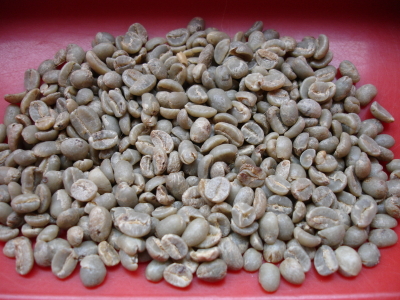
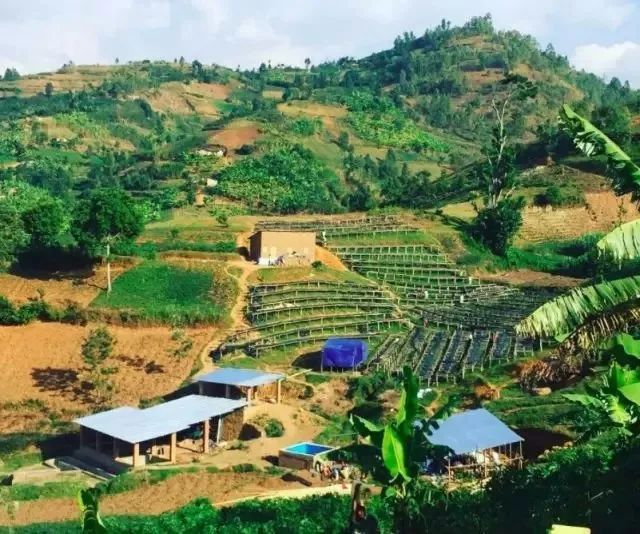
The Nyakizu Farmers' Cooperative is located near Butare, Rwanda's second-largest city.
The Nyakizu Farmers' Cooperative was established in 2006 and was the latest cooperative to partner with the Pearl Coffee Project. The Pearl Coffee Project aims to rebuild Rwanda's agricultural institutions, enhance production capacity, improve farmers' livelihoods, and sustainably produce quality coffee.
Rwanda, a small East African nation, should not be overlooked by roasters and coffee enthusiasts. Known as the "Land of a Thousand Hills", it produces high-quality, high-altitude coffee that coexists with its poverty.
It is not Africa's largest coffee producer. In 2016 it harvested only 220,000 bags of 60 kilograms each, compared with Ethiopia's 7.1 million bags and Uganda's 4.9 million bags. Even so, Rwanda is positioning itself as a world-class specialty coffee origin.
Rwanda did not originally grow coffee. Coffee was introduced to the country by German missionaries around the early 20th century. Since then, coffee has been an economic source for many rural households.
No record of Rwanda's history, however, can ignore the tragedy of the 1994 genocide, when 800,000 people were killed in just 100 days and up to 250,000 women were raped. After the tragedy, various organisations began to form, among them the Partnership for Enhancing Agriculture in Rwanda through Linkages (PEARL) and Sustainable Partnerships to Enhance Rural Enterprises and Agricultural Development (SPREAD). Both PEARL and SPREAD, funded by USAID, set out to support Rwanda's agricultural reconstruction.
As one of the country's most valuable crops, coffee became a focus of the agricultural reconstruction plans. The impact of investments in infrastructure and coffee producer training continues to be felt today.
In the past, Rwandan coffee was processed by individual farmers, which produced inconsistent quality and was then mixed with coffee processed by neighbouring farms. After the turmoil of the genocide, both the government and PEARL encouraged producers to invest in fully washed processing. Today there are 245 processing stations nationwide.
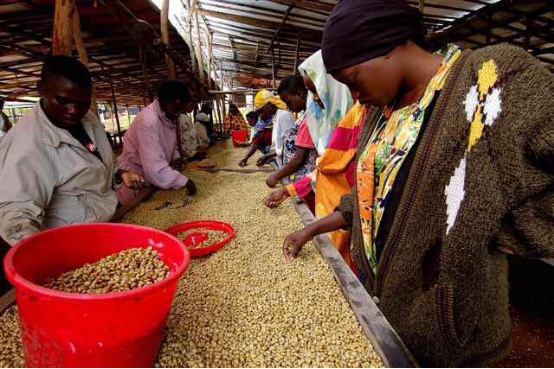
It is worth noting that fully washed processing, also called double washing, usually differs slightly from standard washed processing. The coffee is typically soaked twice, a method common in Africa but less common in Latin America. Of course, if you look hard enough you will find other processing methods as well. The typical flavour profile of Rwandan coffee, however, is high sweetness, a rich body, and intense flavour.
Wet fermentation is sometimes called "double washed", "double fermented", or "Kenyan washed". It is more common in East Africa and can enhance purity. After the coffee pulp is removed, the parchment coffee is placed in water to soak. The water extends fermentation time and produces a smooth body, complex acidity, and more subtle flavours. Different temperatures and water quality become important influencing factors, and there is still much to explore and learn about how different water qualities affect coffee fermentation.
FrontStreet Coffee Recommendation
Rwanda's clean, high-altitude washed profile sits close to the great East African cups, and Ethiopia is the obvious place to continue the journey. FrontStreet's washed Yirgacheffe opens with clear jasmine florals and bright citrus acidity, a light, elegant body with a tea-like finish, much like a clean lemon tea. For a more specific sense of place, the FrontStreet Gediding Cooperative lot, a washed heirloom from the Gedeo Zone at 1,900-2,300 meters, layers berries, cream, honey, and juicy citrus with a smooth, bright acidity. If you lean toward natural processing, the FrontStreet natural Red Cherry beans, made from fully ripe cherries dried on raised beds, bring peach, cocoa, honey, and lemon. Rwanda's Red Bourbon and Ethiopia's heirloom varieties share the same African terroir, and tasting them side by side shows just how expressive that lineage can be.
Important Notice :
FrontStreet Coffee is a long-established specialty coffee roaster in Guangzhou China, selling freshly roasted beans from its own farm in Yunnan as well as dozens of carefully selected single-origin beans from around the world for both pour-over and espresso. The products deliver consistently excellent quality and great value, with shipping within 24 hours. Guangzhou's FrontStreet Coffee shop is recommended by many coffee lovers, and the beans are now available online at the Tmall 。
FrontStreet Coffee has moved to a new address:
FrontStreet Coffee Address: 315,Donghua East Road,GuangZhou
Tel:020 38364473
 Scan and follow the En Gafei WeChat official account. Please indicate that the reprint comes from "En Gafei".