Rwanda Coffee|Rwanda Coffee Bean Characteristics|Ngoma Washing Station Red Bourbon

Rwanda Coffee Beans: Ngoma Processing Station, Washed Red Bourbon
Moisture Content: 11.4% | Density: 1.25 g/cm³ | Water Activity
Country: Rwanda
Region: Rushasi - Southern Province of Rwanda
Farm/Processing Station: Ngoma Processing Station
Variety: Red Bourbon
Altitude: 1600-1700 m
Processing Method: Fully Washed
Flavor Profile
Floral notes, sweet and sour white grape, syrup, orange marmalade, walnut, vanilla, subtle woody aroma
Origin Story
This microbatch comes from Rwanda's Southern Province. "Ngoma" is the name of the coffee cherry washing station. The station sits at an altitude of 1626 meters and was established in 2006, initially with assistance from USAID, to build a more formal washing process in the Rwandan coffee market.
The washing station has a very large processing capacity, able to run 3 tons of hulling machines per hour, with washing channels, drying fermentation tanks and soaking tanks on site. In 2013, the Ngoma processing station handled a total of 60 tons of parchment coffee.
After harvest, unripe green cherries are sorted out. The ripe cherries are then separated in the washing channels, and only red cherries go to the hulling machine. Depending on the weather at the time, cherries with remaining mucilage ferment for 24-48 hours. The clean beans, still in parchment, are then sent for drying. All of the coffee is dried on raised beds for 15-22 days.
Rwanda Coffee Heritage
Rwanda lies in the heart of inland Africa. Its mountainous terrain, fertile land and ancient traditional Bourbon varieties explain why the country has the natural conditions to grow high-quality coffee almost everywhere. Coffee was introduced to Rwanda by German missionaries in 1904. From 1930 onward, because coffee was the only crop rural farmers could earn income from, cultivation began to flourish. Whether it was Arabica harvested between March and June or Robusta harvested between May and June, the government encouraged, and in fact commanded, low-quality, high-yield production. Even though the quality was not excellent, it still played a pivotal role in Rwanda's economic development at the time, as one of the few crops that could generate cash income. With the later collapse of global coffee prices, the policy of continuing to push exports of low-quality Arabica inevitably had to change.
FrontStreet Coffee Recommendation
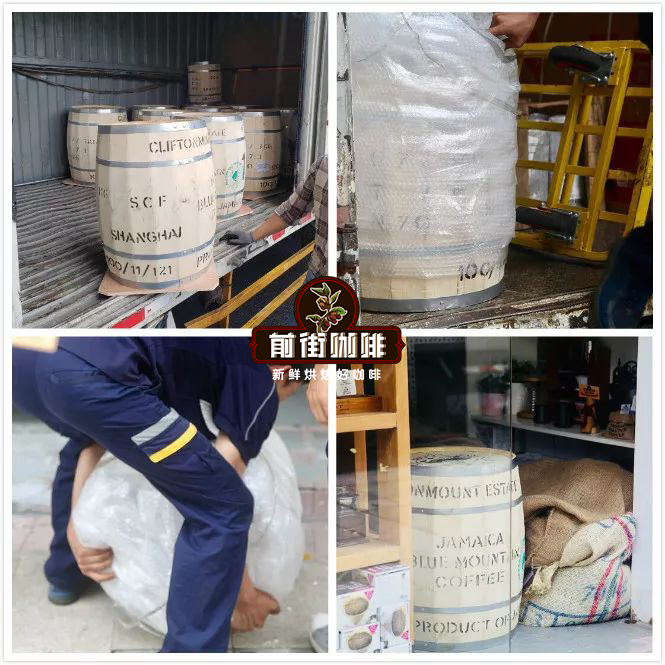
A washed Red Bourbon from Rwanda, with white grape, orange marmalade, walnut and vanilla, sits comfortably between the clean and the sweet. The FrontStreet Jamaica Blue Mountain No.1 is a strong companion on the nut-and-cream side: washed, balanced, with hazelnut, cream, chocolate and caramel building a cup in which no single note dominates. For the brighter, floral half of the Rwandan profile, the FrontStreet Yirgacheffe Gedeb is the counterpart, washed and carrying jasmine and citrus over a green-tea sweetness. Tasted side by side, the two make the case for why washed African coffee is so often described as clean first and sweet second.
Important Notice :
FrontStreet Coffee is a long-established specialty coffee roaster in Guangzhou China, selling freshly roasted beans from its own farm in Yunnan as well as dozens of carefully selected single-origin beans from around the world for both pour-over and espresso. The products deliver consistently excellent quality and great value, with shipping within 24 hours. Guangzhou's FrontStreet Coffee shop is recommended by many coffee lovers, and the beans are now available online at the Tmall 。
FrontStreet Coffee has moved to a new address:
FrontStreet Coffee Address: 315,Donghua East Road,GuangZhou
Tel:020 38364473
 Scan and follow the En Gafei WeChat official account. Please indicate that the reprint comes from "En Gafei".