Costa Rica Tarrazú Flavor Profile | Tarrazú Coffee | Tarrazú Cooperative Washed Beans
Property Characteristics: Farm Features
Farm Name: Coope Tarrazu RL (Tarrazu Cooperative)
Region: Tarrazu
Country: Costa Rica
Altitude: 1,200 - 1,800 meters
Annual Precipitation: 3,200 mm
Soil Type: Volcanic clay
Coffee Characteristics
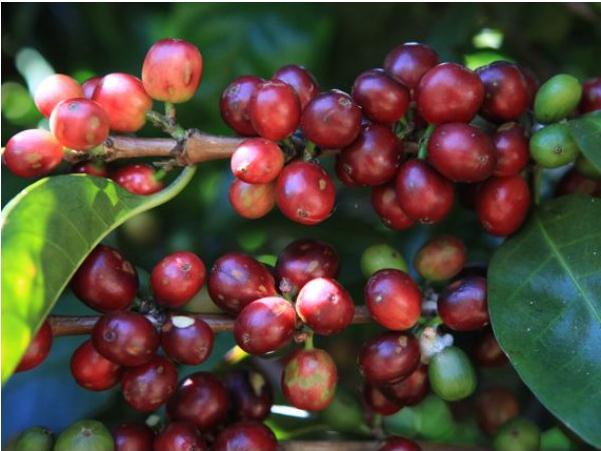
Variety: Caturra, Catuai
Processing Method: Fully Washed
Harvest Period: March - July
Appearance: Screen size 16-18
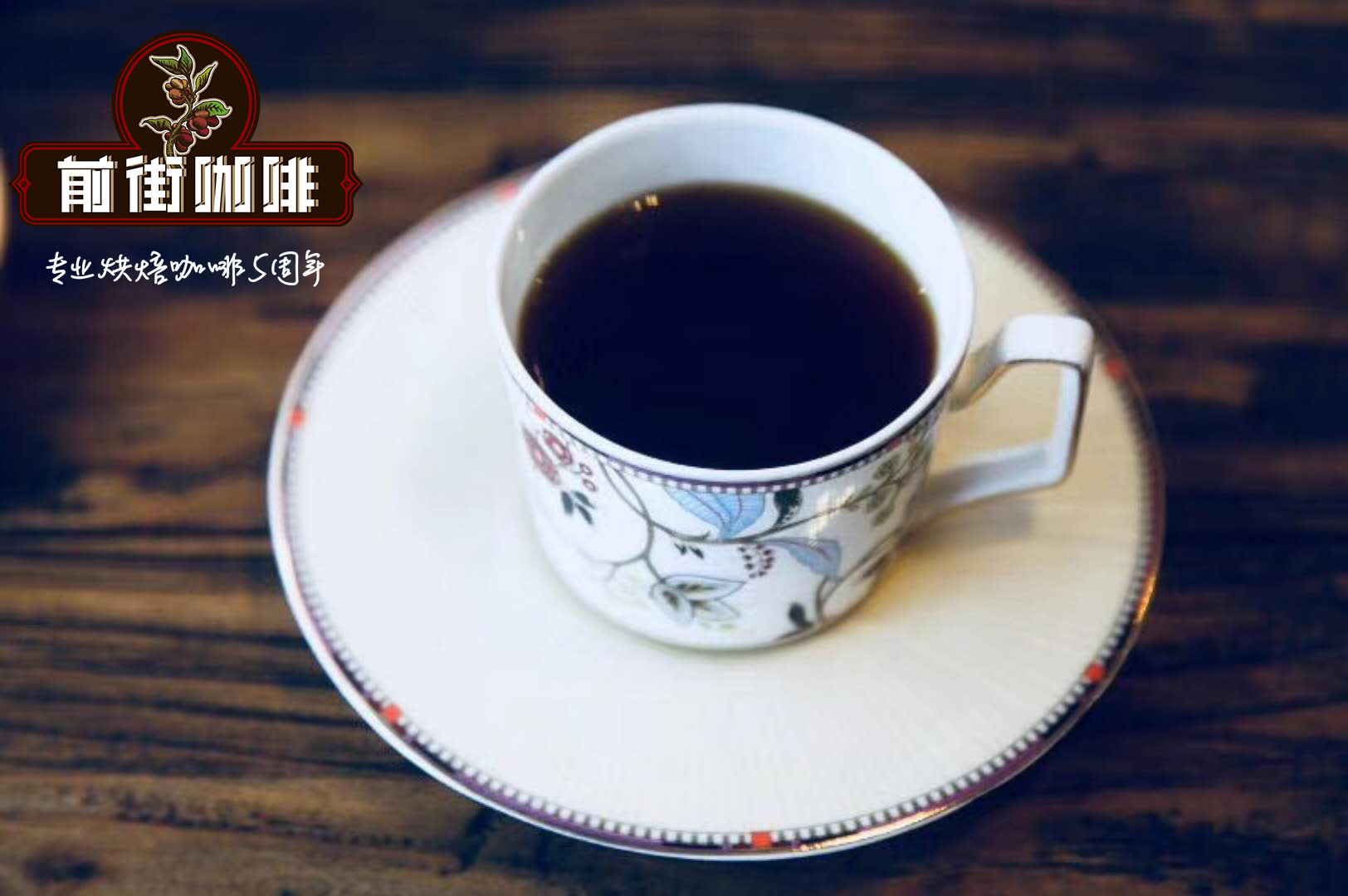
Aroma/Flavor: Honey sweetness, cantaloupe fruit notes, delicate and elegant
Acidity: Clean and bright, with lemon-like citrus notes
Complexity and Other Notes: Licorice and almond aromas, balanced and straightforward mouthfeel, cane sugar sweetness, delicate finish
Costa Rica produces the most consistently high-quality coffee in Central America, and its coffee history is long indeed—exports date back to the 19th century, when coffee was first shipped to England. Notably, the cultivation of Robusta varieties (used for canned coffee) is legally prohibited in Costa Rica; only Arabica is permitted. The regions producing the finest coffee are Tarrazu, the West Valley, and the Central Valley. In recent years, production has declined as land costs and cultivation expenses have risen, making fine Costa Rican coffee increasingly hard to come by.
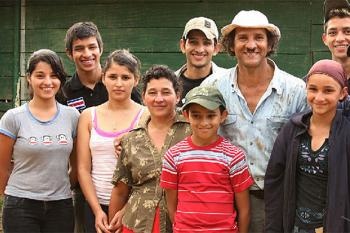
Coope Tarrazu RL was established in 1960 with 228 small coffee growers. Today it is Costa Rica's largest coffee cooperative, with 3,000 producers collectively turning out more than 110,000 bags of green coffee.
The cooperative strongly supports the profitability of its small producers by offering members credit access, agronomic technical consultation, and guaranteed purchase prices, while also investing in other sectors including gas stations, large supermarkets, and retail stores.
FrontStreet Coffee
FrontStreet Coffee is a roastery based in Guangzhou with a small shop offering a diverse range of coffee beans, from famous estates to lesser-known origins, alongside online retail service.
FrontStreet Coffee Recommendation
The washed process at the heart of this Tarrazu lot is a traditional method that uses water to transform coffee cherries: flotation, pulping, soaking and fermenting to remove the mucilage, washing, drying, and hulling. The long soak triggers chemical changes inside the bean that consume simple sugars and raise organic acidity, which is why washed coffees keep more of the bean's own character while showing bright fruit acidity and a clean, fresh cup—exactly the honeyed sweetness and lemon-citrus brightness described above.
For other exemplary washed coffees, FrontStreet Coffee suggests its Ethiopia Yirgacheffe Worka Cooperative, whose washed lots bring out jasmine florals and bright citrus, with green tea and honey tones at a medium-light roast, and its Jamaica Blue Mountain No. 1, where washing preserves a dense, balanced cup of hazelnut, cream, chocolate, and caramel. Fans of intensity can try the Kenya "Cherry Tomato," washed twice for a juicy, sweet-tart cup of cherry tomato, dark plum, snow pear, black plum, and yellow sugar.
Important Notice :
FrontStreet Coffee is a long-established specialty coffee roaster in Guangzhou China, selling freshly roasted beans from its own farm in Yunnan as well as dozens of carefully selected single-origin beans from around the world for both pour-over and espresso. The products deliver consistently excellent quality and great value, with shipping within 24 hours. Guangzhou's FrontStreet Coffee shop is recommended by many coffee lovers, and the beans are now available online at the Tmall 。
FrontStreet Coffee has moved to a new address:
FrontStreet Coffee Address: 315,Donghua East Road,GuangZhou
Tel:020 38364473
 Scan and follow the En Gafei WeChat official account. Please indicate that the reprint comes from "En Gafei".