[Unique Cocoa Flavor] What are the Taste Characteristics of Mocha Coffee Beans? Mocha Coffee Bean Growth and Cultivation
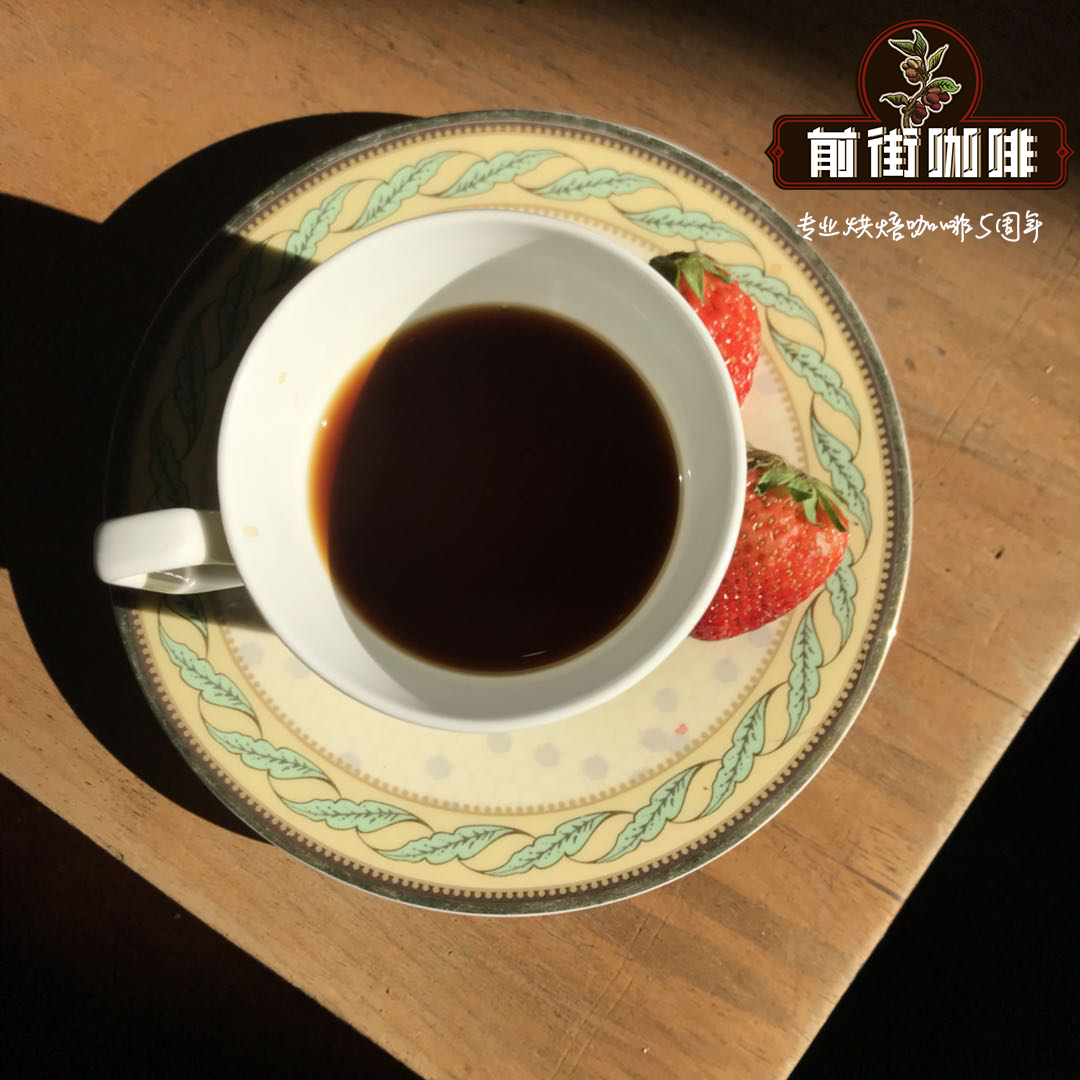
[Unique Cocoa Flavor] What are the flavor characteristics of Mocha coffee beans? How are Mocha coffee beans grown and cultivated?
Yemen still uses traditional methods to cultivate coffee, not much different from the methods used in 1600 AD. Coffee is grown at altitudes of 3,000-7,000 feet, and irrigation systems built 400 years ago are still in use. These systems collect rainwater and evenly distribute the limited supply. Because water is limited, all the coffee is processed using the natural drying method. Although Ethiopia is the birthplace of coffee, Yemen was the first Arab country to cultivate it. Yemeni Sanani lies in the capital region, where coffee is grown on terraces. There are no verifiable wild varieties, but the most striking characteristic of Sanani green beans is their fermented wine aroma. This rich, lingering fermented wine aroma is unique among sun-dried beans from other countries.
Yemen is in fact located on the Arabian Peninsula of the Asian continent, very close to Africa - just across the Red Sea and the Gulf of Aden. Because other Arab countries do not produce coffee, however, the world classifies Yemeni coffee as African coffee. Mocha is the export port for Yemeni coffee. Naming every tiny sub-region was impractical in coffee-trade history, so even though the coffee produced by these insignificant small regions was excellent, the export location was used for naming. Nearby coffees, including sun-dried beans from East Africa, were all shipped from Mocha Port to the world in early times. Today Mocha Port has long silted up and disappeared, and many Ethiopian sun-dried beans are also named Mocha - such as the well-known Harar Mocha - because their flavor shares common characteristics with Yemeni coffee.
Yemen was the first country to use coffee as a cash crop. Legend has it that in the 6th century, Islamic Sufi pilgrims introduced it from Ethiopia. The most correct spelling is Al-Mahka, which is the Arabic form. Coffee grows on steep terrain with little rainfall, poor soil, and insufficient sunlight. These unique, difficult, and unfavorable conditions have nurtured the irreplaceable Yemeni Mocha. Most wild Yemeni beans are unmanaged, growing naturally, then maturing, falling, and drying; farmers only do the work of picking them. Overall the style is wild and natural, with an earthy taste and extremely high complexity. For some people it is a pungent spice aroma, but regardless, you must find the time to try it. If you fall deeply in love with it too, that will be the beginning of a new coffee journey.
The name Mocha comes from the fact that early coffee was mainly exported from Yemen's Mocha Port. Although the port closed in 1800 AD, the name Mocha for coffee continued to be used. There are two main famous coffees: Mattari and Sanani.
Mattari coffee is richer and has a cocoa flavor, while Sanani coffee is wilder and has fruity acidity. Coming from one of the oldest coffee origins, Yemen Mattari Mocha coffee feels mysteriously enigmatic. Spicy and slightly wine-like characteristics bring an extremely exotic taste. Although Yemeni coffee is grown on dry sandy land, it is a place where it rains during the rainy season, and the roots of the coffee trees, fed by abundant underground water, have nurtured the irreplaceable Yemeni Mocha of the coffee world.
Farm Information
Farm Name: Small producers (small producing-area groups)
Grade: Natural dried Arabica beans, no management organization, no grading system
Region: Sana'ani Sanani
Country: Yemen
Altitude: 1,650 meters
Certification: No certification. All coffee follows traditional organic cultivation methods without chemical pesticides or other agents
Coffee Characteristics
Variety: 10 special local native Mocha varieties, mainly Jaa'di, Taffahi, and Dawairi
Processing System: Red ripe cherries dried on African beds (sun-dried raised drying beds)
Harvest Period: Main crop harvest period October-December, with a secondary harvest in some areas in April
Top Jury Descriptions: Cupping roast level starts 60 seconds after the first crack (Cinnamon)
Aroma/Flavor: Banana, spices, cinnamon, clove, bergamot, maple syrup, longan, chocolate
Acidity: Citrus, plum, cherry
Complexity & Others: Rose perfume, fresh-milk-like rich and mellow taste, heavy caramel sweetness, lingering fruity wine aftertaste
Smooth, sweet, and bitter on entry, with a rich chocolate flavor. Extremely characteristic and rich-flavored, this is a coffee worth trying. Yemeni Sanani green beans are full of wine aroma and acidity, with fewer woody notes and mainly fermented fruit aroma. The low, tight aroma that opens up in the aftertaste is the strength of Yemeni coffee.
FrontStreet Coffee Brewing Recommendation:
Dripper: Hario V60
Water Temperature: 90°C
Grind Size: Fuji Royal grinder setting 3.5
Brewing Method: Water-to-coffee ratio 1:15, 15g coffee grounds. First infusion with 25g water, bloom for 25 seconds. Second infusion to 120g, then stop the water flow. Wait until the water level drops to half, then continue pouring slowly until reaching 225g. Extraction time approximately 2:00.
Analysis: A three-stage brewing method clearly distinguishes the front, middle, and back-end flavors of the coffee. Because the V60 has many ribs and drains faster, stopping the water flow extends the extraction time.
FrontStreet Coffee Recommendation
The sun-dried, wine-like character that defines Yemeni Mocha is echoed beautifully in FrontStreet Coffee's natural Ethiopian lots. The FrontStreet Ethiopia Yirgacheffe Red Cherry is dried as whole ripe fruit and layers peach, cocoa, honey, and lemon over a creamy body. For a more overtly floral and fermented cup, the natural FrontStreet Ethiopia Huakui brims with mango, citrus, and honey sweetness beneath a soft wine aroma.
Important Notice :
FrontStreet Coffee is a long-established specialty coffee roaster in Guangzhou China, selling freshly roasted beans from its own farm in Yunnan as well as dozens of carefully selected single-origin beans from around the world for both pour-over and espresso. The products deliver consistently excellent quality and great value, with shipping within 24 hours. Guangzhou's FrontStreet Coffee shop is recommended by many coffee lovers, and the beans are now available online at the Tmall 。
FrontStreet Coffee has moved to a new address:
FrontStreet Coffee Address: 315,Donghua East Road,GuangZhou
Tel:020 38364473
 Scan and follow the En Gafei WeChat official account. Please indicate that the reprint comes from "En Gafei".